Every city has a shape you only learn by getting it wrong once. In Toronto it is this: the lake is always south, Yonge Street splits east from west, and almost everything a visitor wants is inside a rectangle about four kilometres by three. Work that out on day one and the rest of the trip is easy. Work it out on day three and you will have spent two days on a streetcar going the wrong way. This is the guide we would hand somebody on their first time in Toronto — thirty things that are genuinely useful, in the order you will need them.
It covers arriving, getting around, money, weather, food, etiquette and the specific mistakes that first-timers make here rather than elsewhere. Details and prices were checked in September 2026 and are in Canadian dollars; fares and taxes shift, so treat them as the right order of magnitude and verify anything you are budgeting tightly against.
At a Glance
| Thing | What to know |
|---|---|
| Currency | Canadian dollar; contactless accepted almost everywhere |
| Sales tax | 13% HST, added at the till, not in the shelf price |
| Tipping | 15–20% in restaurants and bars |
| Transit fare | $3.30 with PRESTO or a contactless card; $13.50 day pass |
| Transfers | Two hours of unlimited travel on one tap — but not with cash |
| Airport | Pearson (YYZ) is 28 minutes from Union on UP Express |
| Drinking age | 19 |
| Emergencies | 911 |
| Power | 120V, North American two- and three-pin plugs |
| Tap water | Safe, cold, good |
| Time zone | Eastern, with daylight saving from March to November |
| Ideal first trip | Three full days; four if you want Niagara |
Getting Your Bearings (1–5)
1. The lake is south, and that is your compass
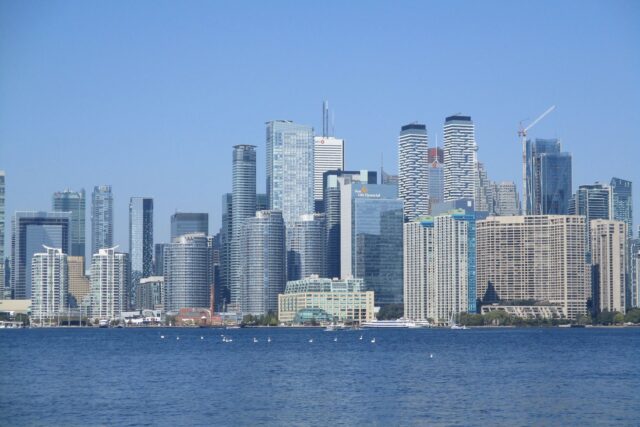
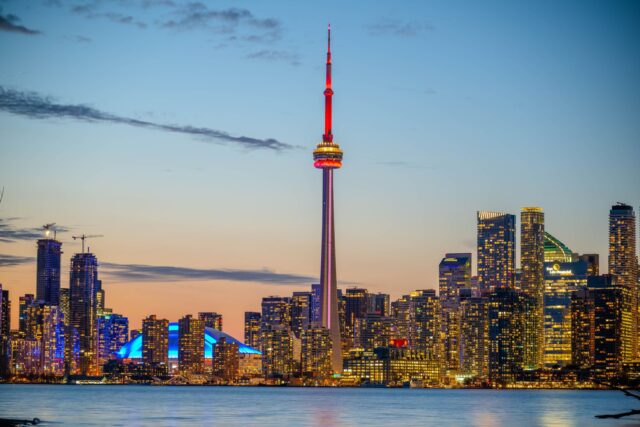
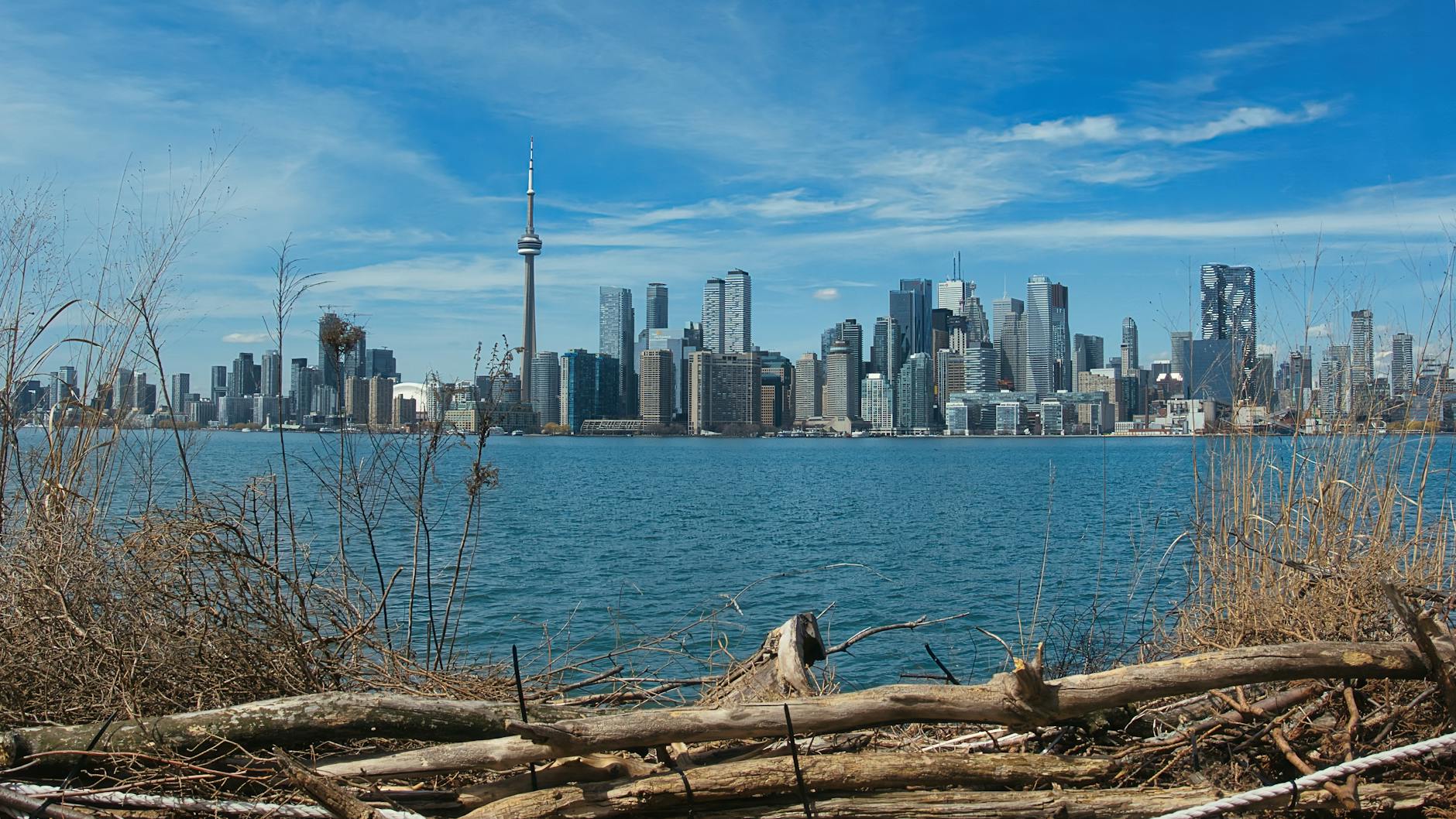
Toronto sits on the north shore of Lake Ontario, and the whole city is oriented to it. If you can see water or the CN Tower, you are looking roughly south. Downtown slopes gently down toward the lake, so walking downhill generally means walking south. Locals give directions in compass points rather than left and right, which is disorienting for about a day and then extremely convenient.
2. Yonge Street divides east from west
Street addresses count outward from Yonge in both directions, which is why there is a 200 Queen Street West and a 200 Queen Street East a kilometre apart. Always note the East or West. A restaurant on Dundas West and one on Dundas East can be forty minutes apart.
3. The city is enormous but the visitor city is small
Toronto proper covers 630 square kilometres and the wider region holds well over six million people. The part you will actually use is the downtown core plus a handful of neighbourhoods, and most of it is walkable. Do not let the size of the map on your phone panic you into taking transit for a ten-minute walk.
4. Neighbourhoods do most of the work here
Toronto has no single great monument and it is not a beautiful city in the European sense. What it has is a set of genuinely distinct neighbourhoods, most of them shaped by a wave of immigration — Kensington Market, Chinatown, Little Italy, Greektown, Little India, Koreatown, Little Portugal, Roncesvalles, Leslieville. The good version of a Toronto trip is a neighbourhood-a-day trip. Our Toronto neighbourhoods guide is the map.
5. This is one of the most diverse cities on earth, and that is the point
Roughly half of Toronto’s residents were born outside Canada, and more than two hundred languages are spoken here. That is not a statistic for a brochure — it is why the food is what it is, why a single subway car sounds like an airport departure hall, and why the most interesting eating in the city is nowhere near downtown. Our multicultural food guide is where to start.
Arriving (6–9)
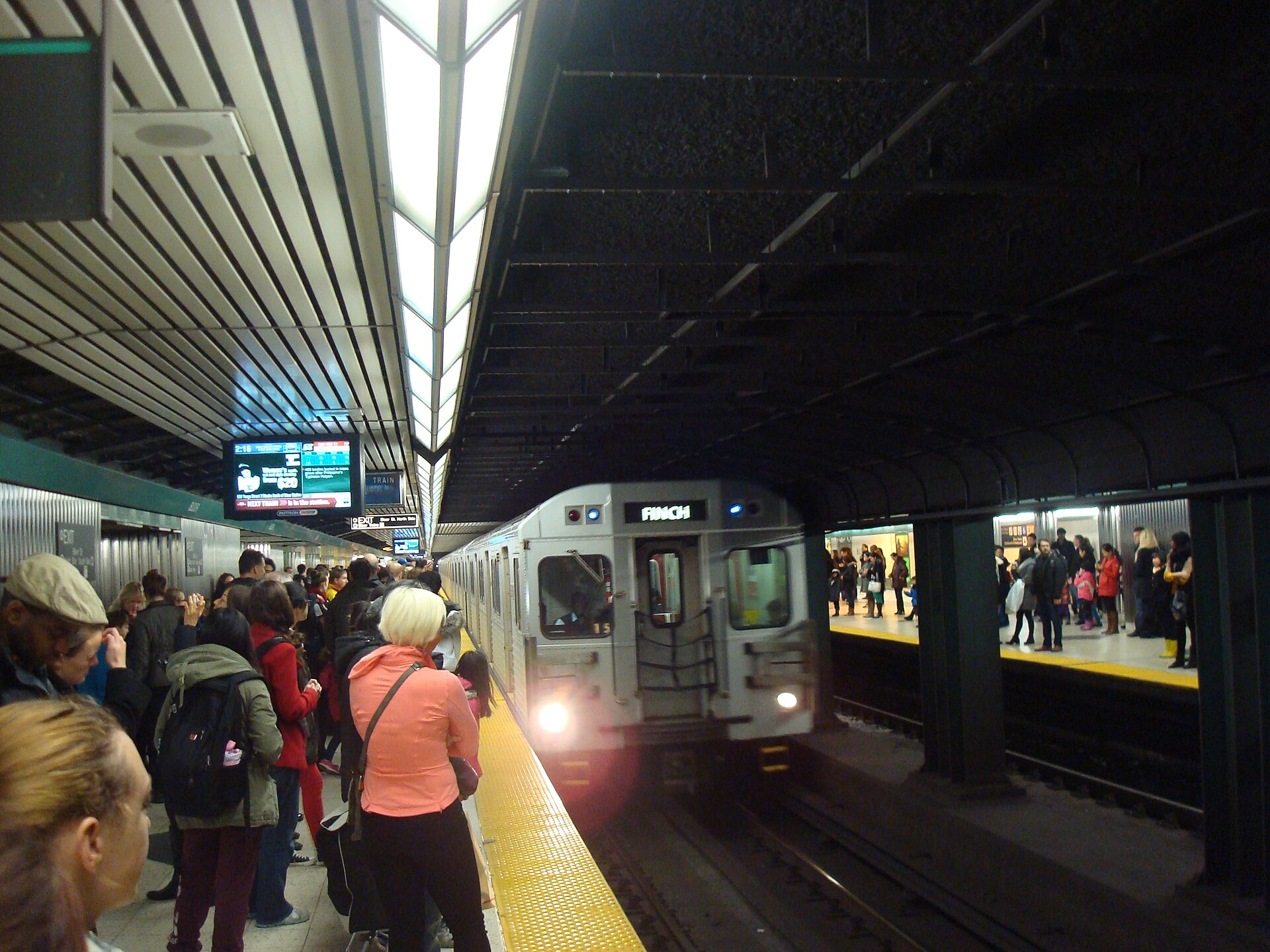
6. Pearson is far, and the UP Express is the answer
Toronto Pearson (YYZ) is about 25 kilometres north-west of downtown, with two terminals linked by a free automated train. The UP Express runs from Terminal 1 to Union Station in roughly 28 minutes, stopping at Bloor and Weston, and it is faster and vastly more predictable than a taxi in traffic. Our Pearson airport guide covers the terminals and the UP Express guide covers the train, with airport to downtown comparing every option on cost and time.
7. Billy Bishop is the other airport, and it is remarkable
Billy Bishop Toronto City Airport (YTZ) sits on the Toronto Islands, a ninety-second ferry ride or a walk through a pedestrian tunnel from the foot of Bathurst Street. If your route offers it, take it: you can be from your seat to a downtown hotel in twenty minutes. It handles regional flights only.
8. Check your entry requirements before you book, not after
Most visa-exempt travellers flying into Canada need an Electronic Travel Authorisation, and the rules differ by nationality and by how you arrive. Requirements change; check the Government of Canada’s own site rather than a travel blog, and do it before you buy a ticket.
9. Union Station is the hinge of the whole city
Every rail service, the airport train, the subway, the streetcars along Queens Quay and the bus terminal all meet at Union. It is also enormous, confusing and permanently half under construction. Allow more time than the map suggests and follow the signs rather than your instincts.
Getting Around (10–15)
10. Two subway lines do most of the work
Line 1 is a U shape whose two legs run north from Union through downtown; Line 2 runs east–west under Bloor and Danforth. They cross at St George, Bloor-Yonge and Spadina. Line 4 is a short north-eastern stub most visitors will never use. That is the whole system you need to know.
One thing to note: Line 3, the Scarborough RT, closed in 2023 and was replaced by buses. Older guidebooks and a lot of internet advice still route people onto it. It does not exist.
11. Tap a contactless card and stop thinking about it
A single adult fare is $3.30 with PRESTO, a PRESTO ticket, or a contactless debit or credit card including a phone wallet. You do not need to buy a special card as a visitor — tapping your own bank card works. Cash is $3.35 and, crucially, does not get you the transfer described next. Our PRESTO guide has the detail.
12. The two-hour transfer is the single best thing about the TTC
One tap buys two hours of unlimited travel in any direction on subway, streetcar and bus. You can ride out, do an errand, and ride back on the same fare. This only applies if you tap a card — cash gets you a paper transfer good for one continuous one-way journey, which is much worse. A $13.50 day pass pays for itself at four rides.
13. Streetcars are slow, scenic, and how the city actually moves
The 501 Queen and 504 King are the two visitors use most, and riding the 504 across downtown is a better city tour than anything you can pay for. They are also stuck in the same traffic as everything else. Board through any door, tap on entry, and get off at the rear.
14. Walking beats transit downtown more often than you expect
The CN Tower to Yonge-Dundas Square is about twenty-five minutes on foot. Kensington Market to the Art Gallery of Ontario is fifteen. Before you tap, check whether the walk is shorter than the wait. Our walking guide has the routes worth doing deliberately.
15. The PATH is a city under the city
Roughly thirty kilometres of underground walkway connects the Financial District’s towers, Union Station, the Eaton Centre and a great deal in between, lined with shops and food courts. In February it is a lifeline; in July it is a shortcut. It is also famously easy to get lost in — see our PATH guide.
Money (16–19)
16. The price on the label is not the price you pay
Ontario adds 13% HST at the till on most goods and services, and it is almost never included in the displayed price. A $20 item costs $22.60. Restaurant menus work the same way, and then you tip on top. Budget accordingly — our Toronto travel budget guide works through realistic daily costs.
17. Tip 15–20%, and tip on the pre-tax total if you like
Restaurants and bars: 15% is the floor, 18–20% is normal for decent service. Card machines will offer you preset percentages, sometimes calculated on the post-tax figure — you are entitled to enter your own number. Taxis and rideshares around 10–15%, hotel housekeeping a few dollars a night. Our tipping guide covers every situation you will meet.
18. Toronto is expensive, and the expensive parts are predictable
Accommodation and restaurant dinners are where the money goes. Transit, museums and — genuinely — a lot of the best food are not expensive at all. A visitor who eats one nice dinner and otherwise eats in the neighbourhoods will spend a fraction of what a visitor who eats downtown every night does. See cheap eats in Toronto.
19. Carry almost no cash
Contactless is universal, several venues are entirely cashless, and you will use notes perhaps twice in a week. Bring a card with no foreign transaction fee and decline the machine’s offer to convert to your home currency — the rate is always worse.
Weather and Timing (20–23)
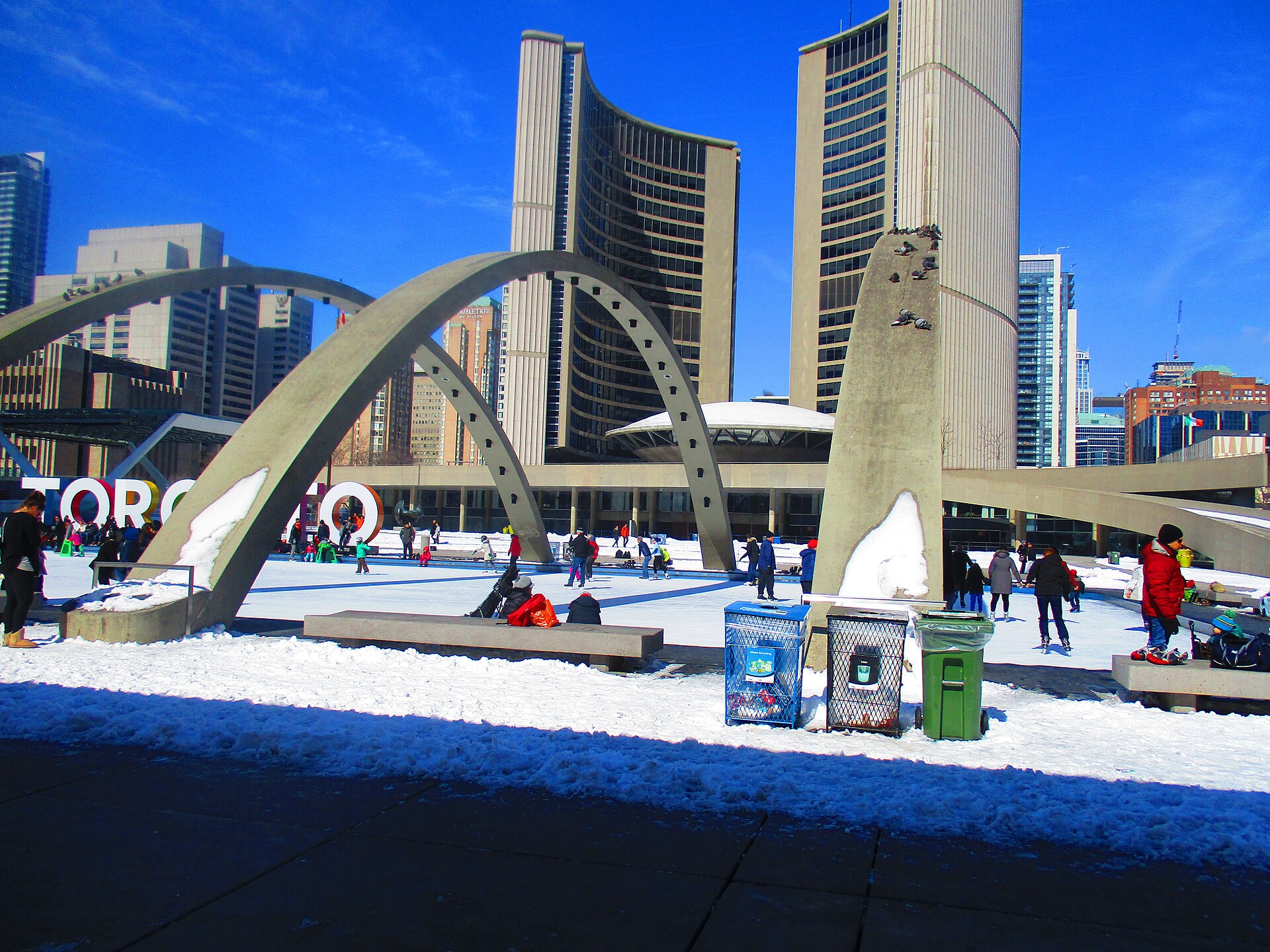
20. The seasons here are extreme, and the shoulder ones are the good ones
July and August are hot and humid, with the lake doing very little to help. January and February are properly cold, with wind chill that makes a forecast of −8°C feel like −18°C. May, June, September and early October are close to perfect. Our best time to visit guide breaks the year down and the weather guide has the numbers by month.
21. Pack layers, and pack the right shoes
Any Toronto day in spring or autumn can move fifteen degrees. In winter you need a proper coat, not a fashionable one, plus boots with grip — the sidewalks ice over and the city salts rather than clears. Our packing list is season by season.
22. Three days is the right length for a first visit
One day gets you the CN Tower, the waterfront and one neighbourhood. Two adds a museum and the Islands. Three lets you slow down and eat properly, which is the point of the city. Four if you want Niagara. Our one day and three day itineraries are built for exactly this.
23. Check what is on before you fix your dates
Toronto’s calendar is unusually good: TIFF in September, Caribana in late July and early August, Pride in June, Nuit Blanche in the autumn, the CNE at the end of summer. A festival will transform your trip or make your hotel cost double, depending on how you plan. Our events and festivals guide has the whole year.
Eating and Drinking (24–26)
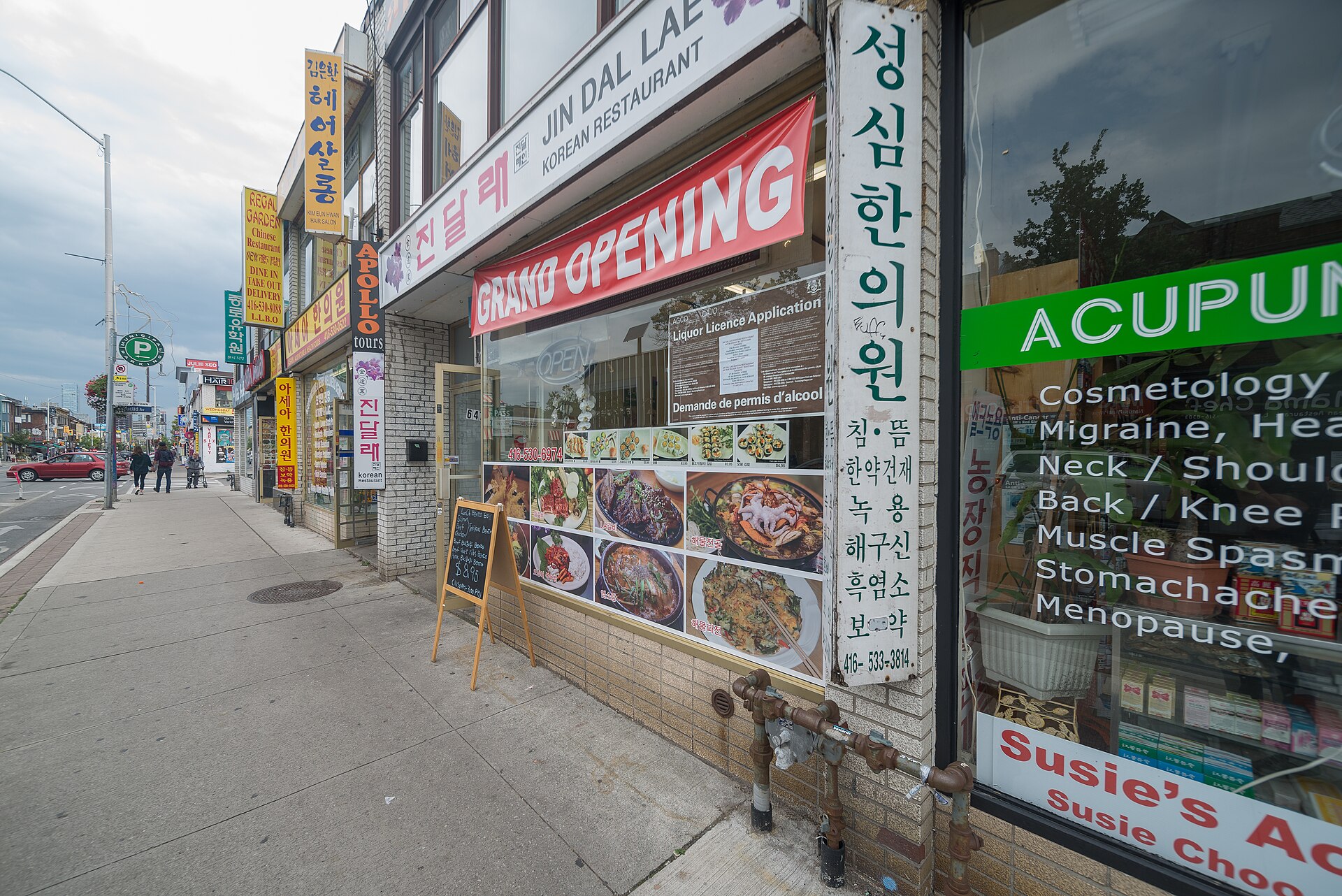
24. The food is the best thing about Toronto
Not the skyline, not the attractions. Toronto eats better, more variously and more cheaply than almost any city of its size, precisely because of who lives here. Sri Lankan in Scarborough, Portuguese on Dundas West, Chinese in three separate Chinatowns, Ethiopian on Bloor, Caribbean roti in half the city. Our Toronto food guide is the starting point and best restaurants covers the higher end.
25. Peameal bacon, not poutine
Poutine is Québécois, and the version served to tourists on Yonge Street is a poor advertisement for it. Toronto’s own dish is the peameal bacon sandwich, best had at St. Lawrence Market — a wet-cured pork loin rolled in cornmeal, on a soft bun, with mustard. Also worth your attention: butter tarts, Jamaican patties, and the Hong Kong-style bakeries.
26. Alcohol rules are stricter than you expect
The legal drinking age is 19 and identification is checked routinely. Spirits and most wine are sold through provincial and licensed retailers rather than supermarkets, though beer and wine are now in many grocery stores. Last call is 2am. Drinking in public parks and on beaches is generally not permitted, notwithstanding what you may see.
Etiquette, Safety and the Rest (27–30)
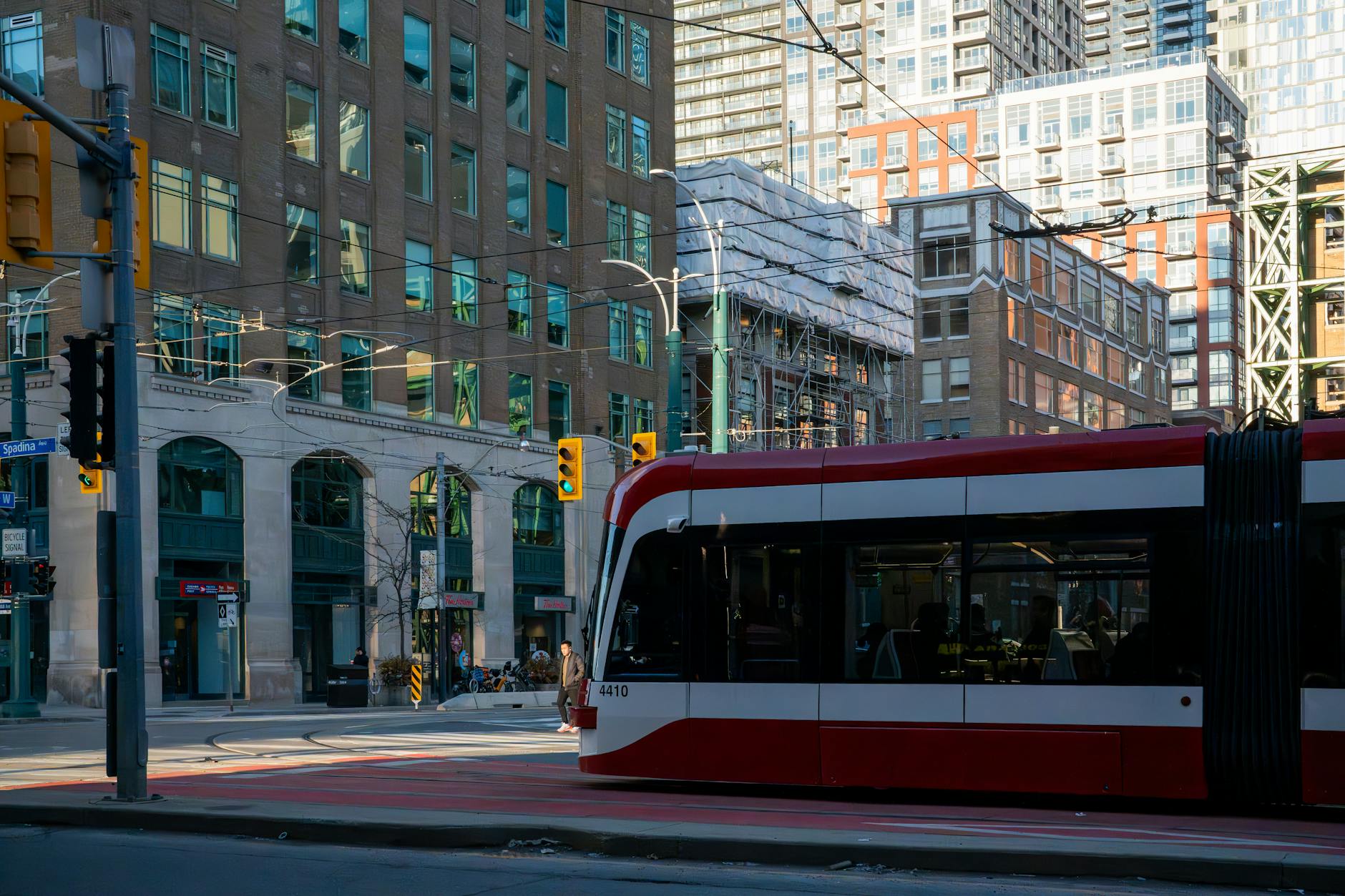
27. Toronto is safe, with ordinary big-city caveats
Violent crime is low by North American standards and the downtown core is comfortable to walk at night. The usual sense applies: watch your bag on a crowded subway, be aware around the Yonge and Dundas area late at night, and do not leave anything visible in a parked car. Our safety guide has the specifics without the scaremongering.
28. The politeness is real, and so is the queueing
People apologise reflexively, hold doors, and form orderly lines without being asked. Stand on the right on escalators. Let people off the subway before boarding. Say thank you to the bus driver on the way out — everyone does, and the first time you hear it you will think you imagined it.
29. Learn whose land this is
Toronto sits on territory that is the traditional home of the Mississaugas of the Credit, the Anishinaabe, the Chippewa, the Haudenosaunee and the Wendat, and it remains home to a large urban Indigenous population. The name itself is generally traced to a Mohawk word describing stakes standing in water. It is worth an afternoon — our Indigenous experiences guide covers where to engage with that properly.
30. Leave time to do nothing
The mistake most first-timers make is treating Toronto as a checklist city, and it does not reward that. The best afternoons here are unstructured: an hour in a Kensington Market café, a walk along the boardwalk in the Beaches, a ferry to the Islands with no plan for the other side. Build one empty half-day into a three-day trip and it will probably be the part you remember.
Phones, Wi-Fi and Practical Admin
- Data. Canadian roaming is expensive and Canadian domestic plans are among the priciest in the world. An eSIM bought before you land is almost always the cheapest option, and coverage downtown is good.
- Wi-Fi. Free in most cafés, libraries, malls and hotels. Subway stations have connectivity but it is patchy in the tunnels between them, so download your route before you go underground.
- Apps. A transit app that reads real-time TTC data is worth more than any map. Our travel apps guide lists what to install.
- Pharmacies and healthcare. Chain pharmacies are everywhere and several downtown branches open late. Canada’s healthcare is not free for visitors — travel insurance is not optional, and a walk-in clinic visit without it is expensive.
- Left luggage. Union Station and several downtown operators handle bags, which is useful on a departure day when checkout is at eleven and your flight is at nine.
- Smoking and cannabis. Cannabis is legal and sold in licensed shops to over-19s, but where you may consume it is restricted, and hotels are almost universally non-smoking. Read the room.
- Public toilets. Thin on the ground, as in most North American cities. Shopping centres, the PATH, libraries and larger coffee chains are the reliable options.
What Toronto Is Not
Expectation management is the most useful thing a first-time guide can do, so here is the honest version of what this city does not offer.
It is not an old city, and it is not a pretty one in the postcard sense. Toronto tore down most of its Victorian and Edwardian downtown between the 1950s and the 1970s and replaced it with glass. What survives is scattered — a bank facade here, a warehouse block there, an entire salvaged colonnade standing in a park out in Scarborough. If you have come from Europe expecting an old quarter, there isn’t one, and pretending otherwise wastes your first morning.
It is not a compact walking city like Boston or Edinburgh. The downtown core is walkable but the interesting parts are spread across a very large area connected by two subway lines and a lot of streetcars. Plan around clusters rather than distances.
It is not Montreal, and comparing the two is a losing game. Montreal has the older architecture, the French, and the more romantic reputation. Toronto has the money, the scale, and the food. They are four hundred kilometres and a completely different temperament apart.
It is not a nightlife capital. Last call is 2am province-wide, the club scene is decent rather than famous, and the city empties earlier on weeknights than a visitor from London or New York expects. What it does very well is dinner, live music and neighbourhood bars — see our nightlife guide and live music venues.
And it is not, whatever you have read, dangerous. It is a large North American city with a low violent crime rate and a visible poverty and housing crisis that visitors sometimes mistake for menace. Those are different things.
What it is: the most genuinely international city most visitors will ever walk around, with a food scene that follows directly from that, a good lake, a strange and lovely set of islands, and a habit of being far more interesting three streetcar stops from where the guidebook told you to stand.
Getting Out of the City
A first trip does not have to stay inside the city limits, and southern Ontario is more accessible than it looks on a map.
- Niagara Falls — about two hours by GO train or road, and the obvious day trip. Do it as a full day or not at all. Our Niagara Falls guide covers the boat, the tunnels and how to skip Clifton Hill.
- Niagara-on-the-Lake — the wine town twenty kilometres downriver from the Falls, with a professional theatre festival and around thirty wineries. Reachable without a car between April and October.
- The Toronto Islands — technically still the city, practically a different world, and fifteen minutes by ferry.
- Prince Edward County, Stratford, Hamilton’s waterfalls and Blue Mountain all sit within two to three hours. Our day trips from Toronto guide ranks them honestly, including the ones that are not worth the drive.
The practical rule: anything under ninety minutes works as a day trip on public transport; anything beyond that wants a car, an early start, or an overnight.
Mistakes First-Timers Make
- Staying too far out to save $40 a night. Toronto is big and the commute will cost you the saving in time and fares. Our where to stay for a first visit guide narrows it to three areas.
- Booking the CN Tower for the middle of a grey day. The whole product is the view. Book flexible, go when it is clear, and consider sunset. See the CN Tower guide.
- Buying an attractions bundle before checking the maths. Our CityPASS guide works through when it actually pays.
- Paying cash on the TTC. You lose the two-hour transfer and it costs more.
- Doing Niagara as a half-day. It is two hours each way. Either commit to a full day or skip it — see the Niagara day trip guide.
- Eating every meal within four blocks of the hotel. This is the single biggest thing that turns a good Toronto trip into a mediocre one.
- Underestimating the wind chill. A January forecast of −8°C is not the temperature you will experience on a street between towers.
- Assuming everything is downtown. The Islands, the Bluffs and half the good restaurants are not.
A First-Timer’s Three Days
Day one — the postcard
CN Tower first thing before the queues, then the waterfront and the ferry to the Toronto Islands for the skyline view. Back for late lunch at St. Lawrence Market, then the Distillery District in the afternoon and dinner in the east end.
Day two — the city that lives here
Kensington Market and Chinatown in the morning, the Art Gallery of Ontario or the Royal Ontario Museum after lunch, then west along Queen Street West and Ossington for the evening. Our Queen West guide has the stops.
Day three — pick a lane
Either a day trip — Niagara, or the wineries at Niagara-on-the-Lake — or a slow day in the city: Casa Loma in the morning, the Annex and Yorkville in the afternoon, a game or a show in the evening. Our things to do in Toronto guide has everything else.
Frequently Asked Questions
How many days do you need in Toronto?
Three full days for a first visit, which covers the landmarks, one or two museums, the Islands and a couple of neighbourhoods properly. Add a fourth if you want to see Niagara Falls without rushing it.
Do you need a car in Toronto?
No, and you actively do not want one downtown. Parking is expensive, traffic is poor and the transit reaches everywhere a visitor needs. Rent a car only for a day trip out of the city — see our renting a car guide.
What is the best way to get from Pearson airport to downtown?
The UP Express train from Terminal 1 to Union Station, roughly 28 minutes and immune to traffic. Taxis and rideshares take 30 to 70 minutes depending on the hour and cost several times as much.
Is Toronto expensive?
Accommodation and restaurant dinners are, transit and museums are not, and the food can be either. A visitor who eats in the neighbourhoods rather than downtown will spend far less and eat far better.
Is Toronto safe for tourists?
Yes. Violent crime is low by North American standards and the downtown core is comfortable to walk at night, with the ordinary big-city precautions about bags, late nights around Yonge-Dundas and valuables in cars.
What is the best time of year to visit Toronto?
Late May to late June, or September into early October. Warm without the July humidity, and the festivals and patios are running. Winter is cheap and genuinely cold; if you come then, come for the skating and the indoor city.
Do I need cash in Toronto?
Barely. Contactless cards work almost everywhere, including on transit, and several venues take no cash at all. Bring a card without foreign transaction fees.
How much should I tip?
15–20% in restaurants and bars, 10–15% for taxis and rideshares, a few dollars a night for hotel housekeeping. Card machines suggest percentages that are sometimes calculated after tax; you can always type your own figure.
What should I not miss on a first trip?
The ferry to the Toronto Islands for the skyline, St. Lawrence Market for a peameal bacon sandwich, Kensington Market for an afternoon, and one meal in a neighbourhood nobody told you to go to. The CN Tower if the day is clear.
Is Toronto walkable?
The downtown core is very walkable and most of the central neighbourhoods connect on foot in fifteen to twenty-five minutes. The city as a whole is enormous, so pair walking with the two subway lines rather than trying to walk between districts.
What is Toronto actually famous for?
Honestly: for being one of the most multicultural cities in the world, and for the food that follows from it. The CN Tower is the postcard, the Maple Leafs are the obsession, and the neighbourhoods are the reason to come back.
Related Toronto Guides
- Toronto Travel Guide — the pillar guide to planning a trip here.
- Where to Stay in Toronto for a First Visit — three neighbourhoods, honestly compared.
- Toronto TTC Guide — subway, streetcars, fares and the two-hour transfer.
- Toronto Tipping Guide — every situation, with numbers.
- Toronto Packing List — season by season, including the winter coat argument.
- Toronto Safety Tips — the realistic version.
- Toronto Travel Budget — what a day actually costs.
- Things to Do in Toronto — the full list, ranked.
- Toronto Travel Apps — what to download before you land.
- Free Things to Do in Toronto — more of them than you would think.
Photo Credits
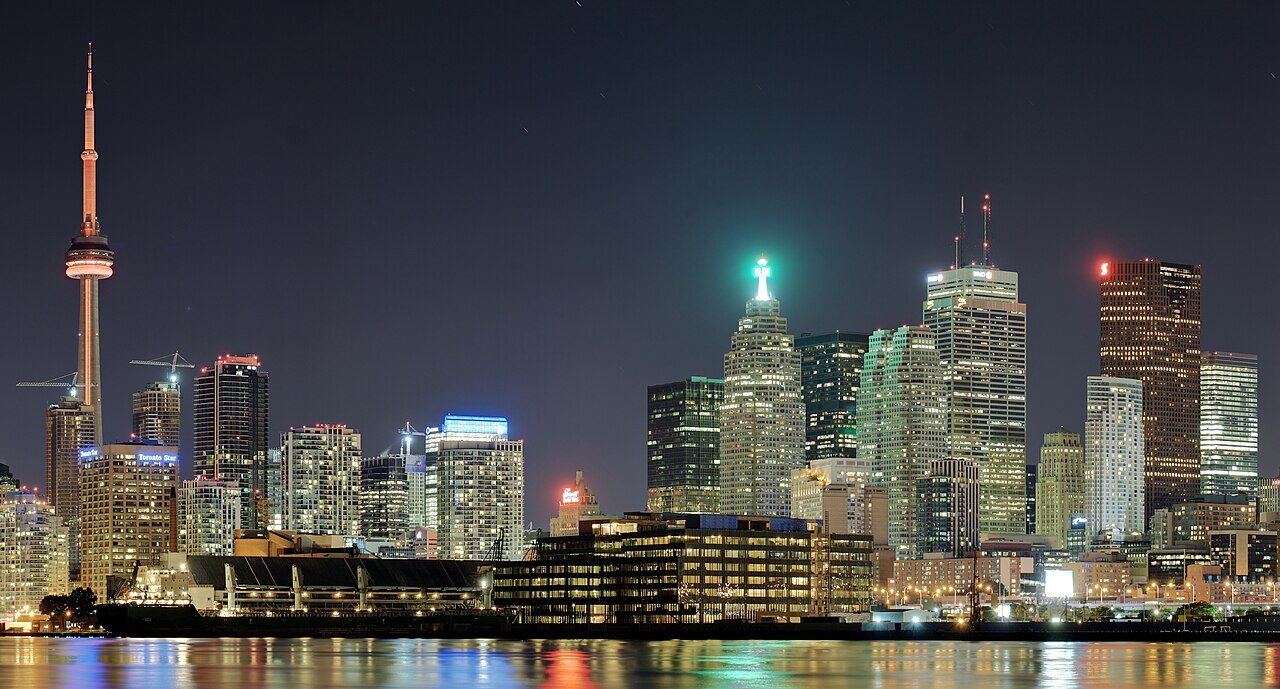
Toronto skyline at night: 126 – Toronto – Panorama – Septembre 2009 by Martin St-Amant (S23678), CC BY-SA 3.0, via Wikimedia Commons.
Bloor-Yonge subway platform: Bloor-Yonge TTC Subway Station, November 2013 by Fairlyoddparents1234, CC BY-SA 3.0, via Wikimedia Commons.
Koreatown restaurant fronts: Koreatown August 2017 01 by Arild Vågen, CC BY-SA 4.0, via Wikimedia Commons.
Nathan Phillips Square in winter sunshine: Happy skaters on Nathan Phillips Square, 2016 03 06 (3) (24947061113) by booledozer, CC BY-SA 2.0, via Wikimedia Commons.