Toronto multicultural food is the world’s most diverse city food on a single map. With over half the population born outside Canada, more than 180 languages spoken, and the deepest range of international cuisines of any major city in the world, Toronto’s neighbourhood-by-neighbourhood food scene reads like a global atlas: Cantonese dim sum carts on Spadina, Greek souvlaki on the Danforth, Caribbean roti in Parkdale, Korean BBQ on Bloor West, Ethiopian injera on Danforth East, Vietnamese pho across Chinatown, Polish pierogi in Roncesvalles. The sections ahead move cuisine by cuisine and street by street, naming the dish to order and the room to order it in — the dim sum cart to flag down, the roti counter worth the detour, the pho that regulars line up for. It is one window into a much larger food city, and our Toronto food guide opens the rest.
For National Geographic’s deep dive on Toronto’s diversity-driven food scene, see National Geographic on what to eat in Canada’s most diverse food city.
Toronto Multicultural Food: The World in One City
Toronto multicultural food culture has evolved over a century of immigration. The waves of Italian, Polish, Ukrainian, Portuguese, and Jewish immigrants in the early 20th century gave way to Caribbean, South Asian, East Asian, Filipino, Middle Eastern, African, and Latin American communities through the late 20th century, and the city’s neighbourhoods reflect each wave. Today over half of Toronto’s population was born outside Canada, more than 180 languages are spoken, and the result is a food scene where you can travel through 20 cuisines in a single afternoon without leaving the city.
Toronto Multicultural Food by Cuisine
Cantonese & Chinese
Toronto’s Chinese food scene is one of the most authentic outside Asia. Spadina’s downtown Chinatown specializes in Cantonese dim sum (Rol San, Pearl Court, Sky Dragon), Hong Kong-style cafes (Asian Legend, R&D), and roast-meat counters. Markham and Richmond Hill have sprawling suburban Chinatowns with regional Chinese (Sichuan, Hunan, Northeast Chinese, Taiwanese, Shanghainese). Lai Wah Heen at the Metropolitan Hotel offers fine-dining Cantonese.
Italian
Toronto multicultural food owes much to Italian immigration. Little Italy on College Street is the historic Italian neighbourhood. Modern Italian dining: Buca (Yorkville and King West), Don Alfonso 1890 (Michelin), Sotto Sotto, Osteria Giulia. Family-run trattorias and gelato shops cluster on St. Clair West (Corso Italia) and Woodbridge (Vaughan).
Greek
The Danforth (also called Greektown) is the largest Greek neighbourhood in North America. Pappas Grill, Pantheon, Mezes, Christina’s on the Danforth, Astoria, and dozens of other Greek-Canadian restaurants line the strip. Souvlaki, gyros, mezze, and Greek wines. Taste of the Danforth festival in August is the largest Greek street festival on the continent.
Caribbean
Eglinton Avenue West (Little Jamaica) and Parkdale are the Toronto multicultural food Caribbean strongholds. Jerk chicken at Mr. Jerk and Chubby’s Jamaican Kitchen, oxtail at Bacchus Roti, doubles at Ali’s Roti Shop in Parkdale (a Toronto rite of passage), Jamaican patties at Patty King. Caribbean Carnival (early August) is North America’s largest Caribbean cultural festival.
South Asian (Indian, Pakistani, Bangladeshi)
Little India on Gerrard Street East is the historic South Asian strip; Brampton, Mississauga, and parts of Scarborough have larger contemporary South Asian communities. Pukka in The Annex (contemporary Indian), Banjara on Bloor (north Indian), Cumbrae’s for South Indian dosa, Mother India in Etobicoke. Toronto multicultural food vegetarian and vegan options are particularly strong in South Asian cuisine.
Middle Eastern (Lebanese, Syrian, Persian, Turkish)
Thornhill, Yonge-Sheppard, and parts of Etobicoke have major Middle Eastern communities; the downtown core has Sun’s Kitchen, Aleppo Kebab, Tabule, and Tachin (Persian). Shawarma, falafel, baklava, mezze, and Turkish coffee are widely available. Halal options abundant.
Korean
Koreatown on Bloor West (between Bathurst and Christie) is the historic Korean district; North York (Yonge-Sheppard) has a larger contemporary Korean community. Buk Chang Dong Soon Tofu, Cho Sun Ok, Ka Chi, Han Ba Tang. Korean BBQ, soon tofu jjigae, bibimbap, kimbap, and Korean fried chicken.
Vietnamese
Spadina Chinatown and the surrounding streets have one of North America’s densest Vietnamese pho clusters. Pho Hung, Pho 88, Banh Mi Boys, Saigon Sister. Toronto multicultural food vegan-friendly Vietnamese options are particularly strong.
Thai
Pai Northern Thai Kitchen on Duncan Street, Khao San Road on King West, Soos in Riverside, Thai Express (multiple locations). Pad thai, green curry, tom yum, and northern Thai khao soi.
Japanese
Sushi Masaki Saito (Canada’s only two-Michelin-star), Aburi Hana (one star), Yasu, Shoushin. Casual: Sushi by Bou, Don Don Izakaya, Imanishi, Ki Modern Japanese. Toronto’s Japanese scene now competes with the best of New York and LA.
Filipino
Toronto multicultural food includes one of the most growing Filipino food scenes in North America. Tita Flips at Scadding Court, Casa Manila (Mississauga), various Filipino-Canadian fusion concepts. Lechon kawali, sisig, lumpia, and pancit.
Ethiopian & Eritrean
Danforth East has Toronto’s densest Ethiopian cluster: Ethio & Eri at Scadding Court, plus several Danforth East restaurants serving injera platters. Vegetarian-friendly cuisine.
Latin American (Mexican, Peruvian, Brazilian, Argentinian)
Hot Beans in Kensington (Mexican tacos), Pozole Birrieria (Mexican), El Catrin (Distillery District Mexican fine dining), Boralia (Brazilian-Latin fusion), various Peruvian and Argentinian restaurants in west Toronto. Toronto multicultural food Latin American options have expanded dramatically in recent years.
Polish & Eastern European
Roncesvalles (Polish heart of Toronto), Bloor West Village (Ukrainian), and parts of Mississauga. Cafe Polonez, Future Bakery, Caplansky’s Deli (kosher-style Jewish smoked meat), Rapido. Pierogi, kielbasa, borscht, and Eastern European pastries.
African (West African, North African, Somali)
Toronto multicultural food West African scene is concentrated in west Toronto and Etobicoke. Somali, Nigerian, Ghanaian, and Senegalese restaurants in west and north Toronto. Suya, jollof rice, tagine, and injera-adjacent platters.
Jewish (Ashkenazi & Sephardic)
Caplansky’s Deli (smoked meat), United Bakers Dairy Restaurant (kosher dairy), Hot House Kitchen, plus several restaurants in north Toronto’s Bathurst-Lawrence corridor. Smoked meat sandwiches, latkes, kugel, and challah.
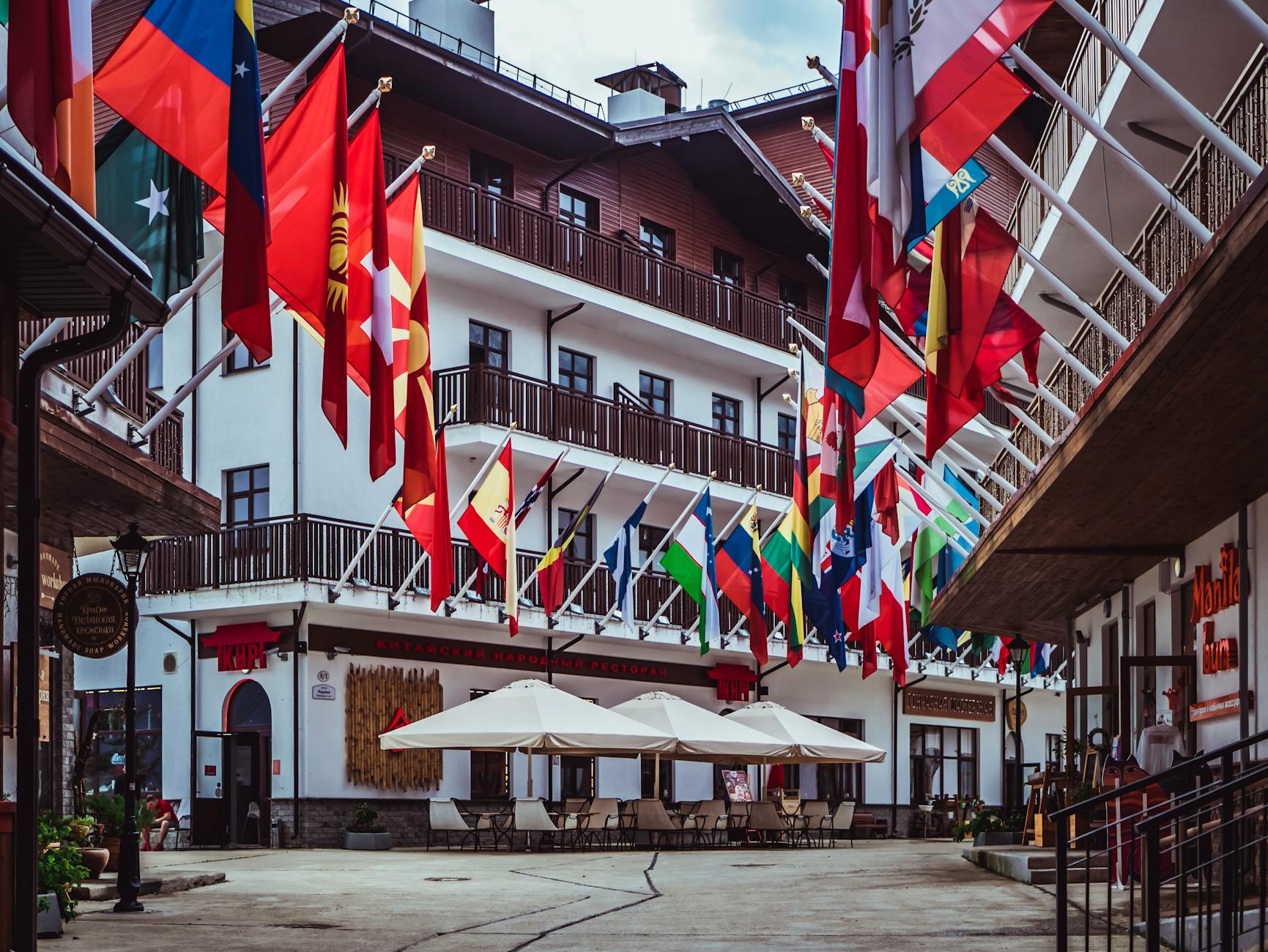
Toronto Multicultural Food: Best Neighbourhoods to Eat
Spadina Chinatown
Toronto multicultural food’s densest Asian cluster. Chinese (Rol San, Mother’s Dumplings, Pearl Court), Vietnamese (Pho Hung, Banh Mi Boys), Thai counters, Hong Kong cafes. Open late, walking distance to the AGO and Kensington Market.
The Danforth (Greektown)
The largest Greek neighbourhood in North America. Souvlaki, gyros, mezze, and Greek wines on every block from Pape to Chester. Taste of the Danforth festival in August is unmissable.
Little Jamaica (Eglinton West)
Toronto’s Caribbean food heart. Jerk chicken, oxtail, roti, and Jamaican patties on Eglinton between Allen Road and Keele.
Koreatown (Bloor West)
Korean BBQ, Korean fried chicken, soon tofu, and bibimbap concentrated on Bloor between Bathurst and Christie. Late-night options abundant.
Little India (Gerrard Street East)
Toronto multicultural food’s historic South Asian strip. Indian and Pakistani restaurants, sweet shops, and grocery stores.
Roncesvalles (Polish Toronto)
Cafe Polonez (the iconic Polish restaurant), Rapido, Future Bakery, plus Polish bakeries and grocery stores. Pierogi, kielbasa, and Polish pastries.
Little Italy (College Street)
The historic Italian neighbourhood, with traditional family-run trattorias, gelaterias, and the iconic Cafe Diplomatico. The new wave of chef-driven Italian restaurants has expanded into the area.
Corso Italia (St. Clair West)
Modern Italian-Canadian neighbourhood with bakeries, pasticcerias, espresso bars, and family restaurants on St. Clair West.
Kensington Market
The Toronto multicultural food microcosm. Mexican tacos (Hot Beans, El Trompo), Caribbean (Rasta Pasta), vegan (Hibiscus, Urban Herbivore), Vietnamese, Latin American grocers, and dozens of small ethnic vendors.
Markham & Richmond Hill
Toronto’s suburban Chinese food powerhouse. The largest concentration of regional Chinese cuisines (Sichuan, Hunan, Taiwanese, Shanghainese) in Canada. Worth the 30-minute drive for serious eaters.
Toronto Multicultural Food: Best Festivals
Caribbean Carnival (Early August)
North America’s largest Caribbean cultural festival, with parade-route food vendors selling jerk chicken, doubles, oxtail, rotis, and Trinidadian sweet treats. The grand parade on the first Saturday of August draws over a million spectators.
Taste of the Danforth (August)
The largest Greek street festival in North America. The entire Danforth strip from Chester to Pape closes for a weekend. Souvlaki, gyros, baklava, and Greek wines from 40+ vendors. $5–$15 small plates.
CNE Toronto Food Building (Mid-August through Labour Day)
The Canadian National Exhibition’s Food Building hosts dozens of multicultural food vendors with creative twists on global cuisines — Filipino, Korean, Caribbean, and innovative fusion concepts.
Chinese New Year (January or February)
Chinatown and Markham celebrate Chinese New Year with festivals, dragon dances, and special-menu meals at major restaurants. Lai Wah Heen and Pearl Court both run impressive new-year tasting menus.
Pride Toronto (Late June)
Pride weekend brings food vendors from every Toronto multicultural food cuisine to the Church-Wellesley Village. The street festivals around the parade route feature 100+ vendors.
Salsa on St. Clair (Mid-July)
Latin American street festival on St. Clair West with food vendors, music, and dance. Mexican, Peruvian, Colombian, and Cuban food available.
Festival of South Asia (July)
Gerrard Street East’s South Asian celebration. Pakistani, Indian, Bangladeshi, and Sri Lankan vendors line the historic Little India strip.
Polish Festival (September)
Roncesvalles’s annual Polish festival. Pierogi, kielbasa, kapusta, and Polish bakery treats.
Tirgan Iranian Festival (Summer)
Toronto’s Iranian cultural festival features Persian food, music, and arts at Harbourfront Centre. Saffron rice, kebabs, and tahdig.
Filipino-Canadian Festival
The Mabuhay Philippines Festival brings Filipino food, music, and cultural performances to Toronto each summer.
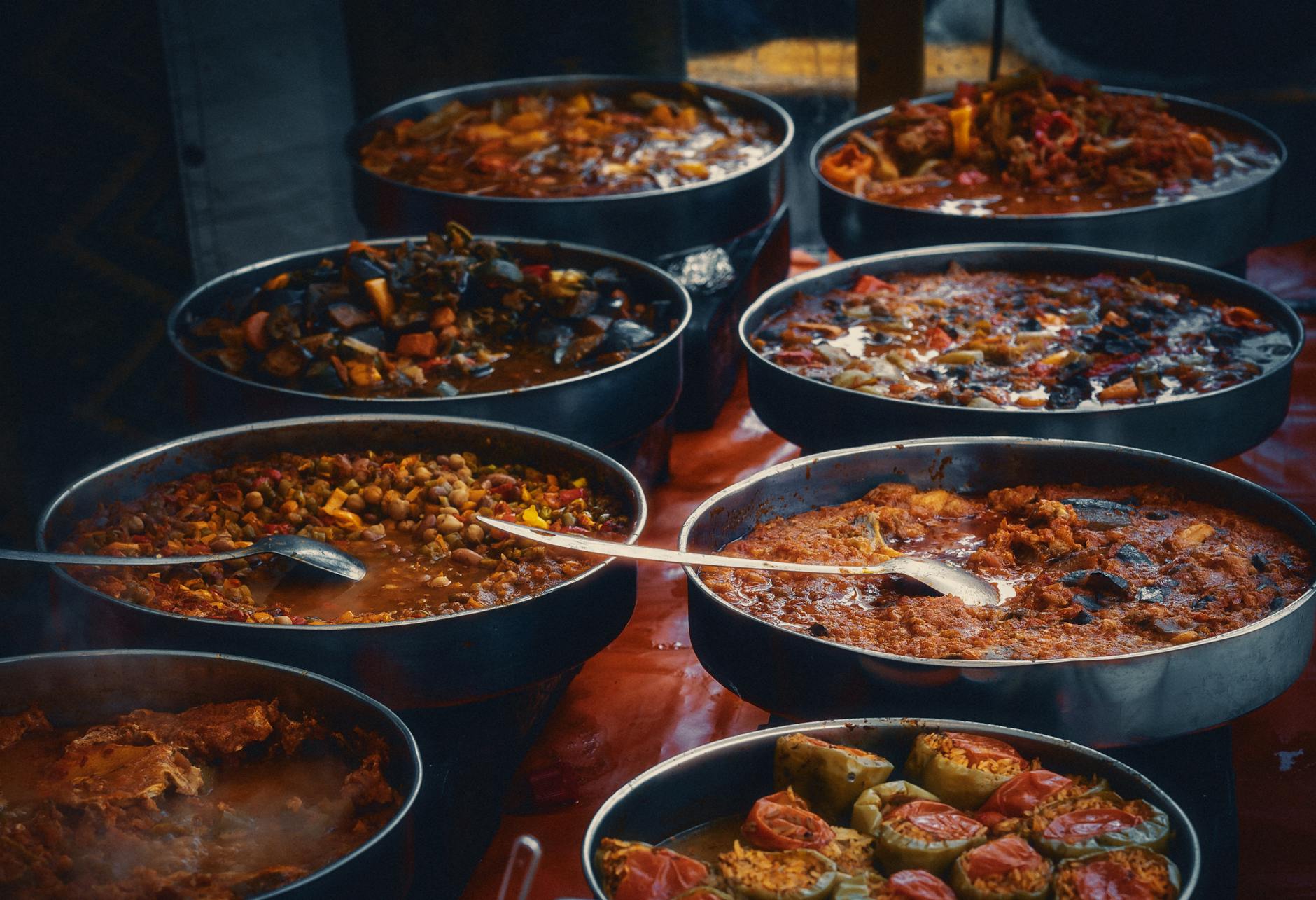
Toronto Multicultural Food: Sample 5-Cuisine Day
One of Toronto’s great food experiences is the multi-cuisine day. A perfect itinerary:
9:30 a.m. — Polish breakfast on Roncesvalles. Cafe Polonez for pierogi and Polish coffee.
11:30 a.m. — Cantonese dim sum on Spadina. Rol San for cart-style dim sum. Order shrimp har gow, char siu bao, turnip cake.
2:00 p.m. — Caribbean lunch in Parkdale. Ali’s Roti for doubles and a chickpea roti.
5:00 p.m. — Vietnamese pre-dinner banh mi. Banh Mi Boys (multiple locations) for the kalbi or lemongrass tofu sandwich.
8:00 p.m. — Greek dinner on the Danforth. Pappas Grill or Astoria for souvlaki and mezze.
Five cuisines, six countries of origin, $80–$120 total per person. Toronto multicultural food at its peak.
Toronto Multicultural Food: Practical Tips
Use the TTC. Most Toronto multicultural food neighbourhoods are reachable by subway and streetcar within 20–30 minutes from downtown.
Cash helps in some neighbourhoods. Older traditional restaurants in Chinatown, Little Italy, and the Danforth often prefer cash, though most accept cards now.
Lunch over dinner. Many Toronto multicultural food restaurants offer dramatically discounted lunch menus.
Visit during festivals. Caribbean Carnival, Taste of the Danforth, and Pride all transform their respective neighbourhoods into peak food experiences.
Don’t skip the suburbs. Markham, Richmond Hill, Brampton, and Mississauga have some of the most authentic Toronto multicultural food experiences — especially Chinese (Markham), South Asian (Brampton/Mississauga), and Sri Lankan (Scarborough).
Bring a friend who shares. Many cuisines (dim sum, Korean BBQ, Ethiopian, mezze) are designed for shared eating — the more people, the more dishes you can sample.
Frequently Asked Questions: Toronto Multicultural Food
What is Toronto multicultural food?
Toronto multicultural food refers to the city’s extraordinarily diverse cuisine landscape, shaped by waves of immigration that have brought 180+ nationalities and their cuisines to Toronto. The city is widely considered the most diverse food city in the world.
What ethnic neighbourhoods does Toronto have?
Major Toronto multicultural food neighbourhoods include Chinatown (Spadina), Greektown (the Danforth), Little Italy (College), Little Jamaica (Eglinton West), Koreatown (Bloor West), Little India (Gerrard East), Roncesvalles (Polish), Corso Italia (Italian), and Kensington Market (multicultural microcosm).
What is the most authentic ethnic food in Toronto?
Cantonese dim sum on Spadina, Ali’s Roti doubles in Parkdale, Cafe Polonez pierogi on Roncesvalles, Pappas Grill souvlaki on the Danforth, and the Korean BBQ on Bloor West are all routinely cited as exceptionally authentic.
Where can I try the most cuisines in one day?
Kensington Market is the densest single-stop multicultural food cluster — Mexican tacos, Caribbean roti, vegan and vegetarian options, Vietnamese, and Latin American grocers within a four-block grid. World Food Market on Yonge also stacks 18+ international vendors under one roof.
What is the biggest food festival in Toronto?
Caribbean Carnival (early August) is the largest Toronto multicultural food festival by attendance, drawing over a million spectators. Taste of the Danforth (August) is the largest Greek street festival in North America. The CNE’s Food Building (mid-August through Labour Day) is the largest single multicultural food venue.
Are Toronto restaurants kosher?
Yes — Toronto has a substantial kosher restaurant scene concentrated in north Toronto’s Bathurst-Lawrence corridor. United Bakers Dairy Restaurant, several kosher-certified delis, and various restaurants in Thornhill and Hampstead.
Are Toronto restaurants halal?
Most Toronto Middle Eastern, South Asian, and many West African restaurants are halal-certified. Several Chinese-Muslim restaurants offer halal Chinese food. Major Toronto multicultural food halal options exist in every neighbourhood.
Is Toronto’s food scene as diverse as New York’s?
By many measures, Toronto multicultural food is more diverse than New York’s. Toronto has been ranked the most diverse food city among 30 major global cities — ahead of New York, London, and other top international food destinations.
Where is the best dim sum in Toronto?
Lai Wah Heen at the Metropolitan Hotel for fine-dining dim sum, Pearl Court on Gerrard for traditional, Rol San on Spadina for late-night cart-style, and Sky Dragon in Dragon City Mall for affordable family-friendly options.
Where can I find African food in Toronto?
Ethio & Eri Café at Scadding Court for Ethiopian and Eritrean. West Toronto and Etobicoke have multiple Nigerian, Ghanaian, and Senegalese restaurants. Several Somali restaurants in north Toronto.
Japanese food in Toronto runs the full range, from Michelin-starred omakase counters to all-you-can-eat rooms in the suburbs, and the city has even added a dish of its own: sushi pizza, a crisp fried rice base topped with raw fish and spicy mayo. For where to eat it at every budget, see our guide to the best sushi in Toronto.
Plan Your Toronto Multicultural Food Tour
Toronto multicultural food rewards visitors who plan a multi-neighbourhood approach. For first-time visitors, the Spadina Chinatown / Kensington Market loop covers 5+ cuisines in a single afternoon. For deeper exploration, dedicate full days to specific cuisines: a Greektown day on the Danforth, a Korean day on Bloor West, a Caribbean day in Parkdale and Little Jamaica. Major festivals (Caribbean Carnival, Taste of the Danforth, Pride) deliver the most concentrated multicultural food experiences. Toronto remains one of the world’s great multicultural food cities precisely because every neighbourhood tells its own story through food — and the city has never stopped welcoming new ones.
Eating around the world this way connects to almost everything else on the table. The same neighbourhoods anchor our cheap-eats guide, feed the trucks in our street-food guide, and stock the stalls in our food-markets guide; for the full sweep, see the Toronto food scene and our pick of the best restaurants in Toronto.