2 days in Toronto is enough for one waterfront morning, two neighbourhoods walked end to end and a genuine night out — as long as you stop trying to see the whole city. This itinerary runs Friday evening to Sunday afternoon, keeps each day inside one walkable cluster, and is built around the four constraints that quietly wreck most weekend plans: Monday closures, Saturday-only markets, a ferry that changes route in mid-October, and CN Tower tickets that only go on sale 30 days ahead.
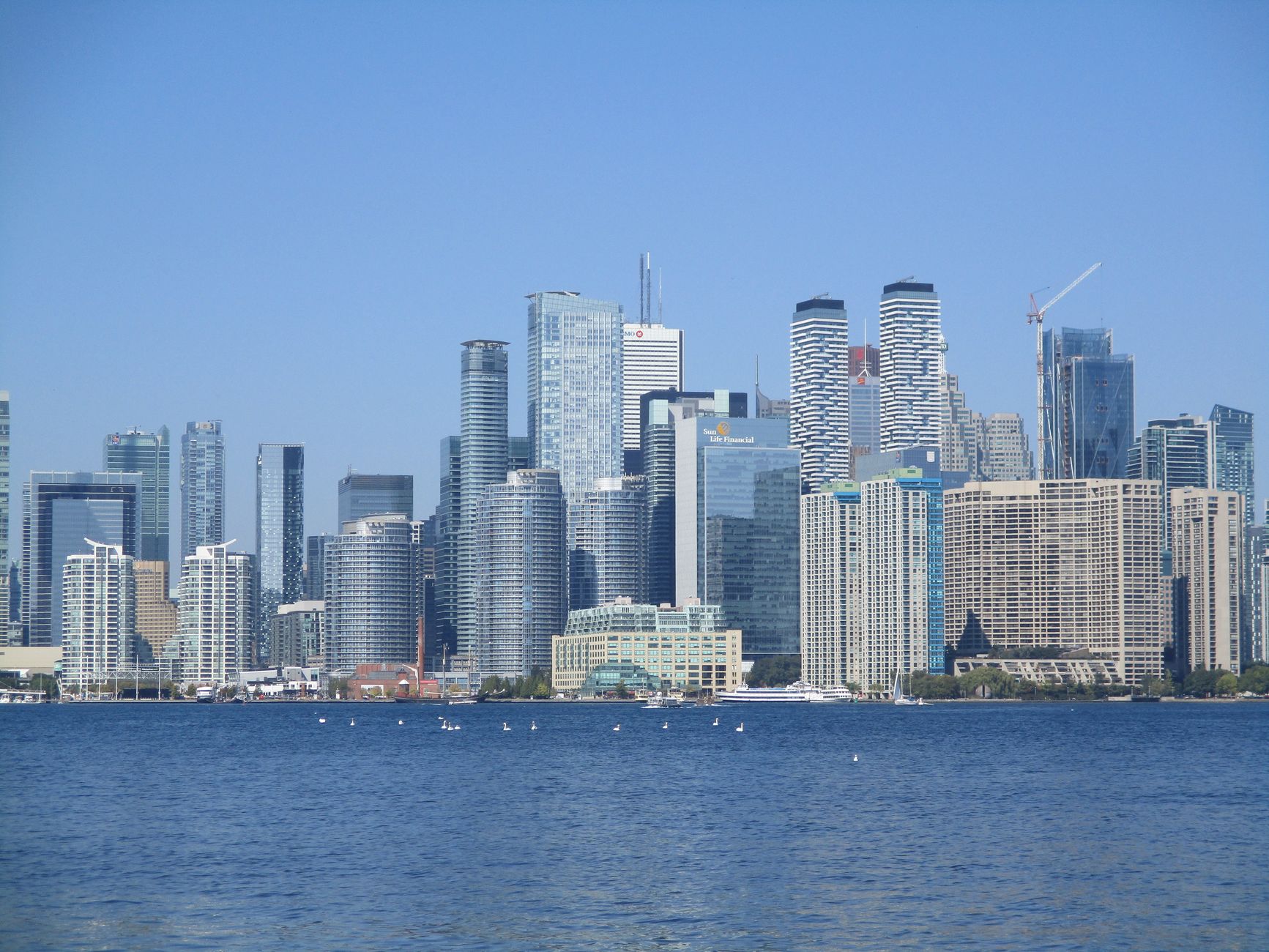
The mistake almost everyone makes is treating downtown Toronto as one place. It is three, and they are not close together on foot: the harbour cluster around Bremner Boulevard and Queens Quay, the market-and-Distillery strip east of Yonge, and the long west-end line running Dundas to College to Queen. Add the museums at Bloor and Dundas and you have four. Two days buys you two of those clusters properly, or four of them badly.
So this plan gives Saturday to the neighbourhoods, Sunday to the water or the east end, and Friday night to whatever is still open at nine — which in Toronto is more than you would think. If you have only 24 hours, the single-day version of this route sets different priorities, and the complete Toronto trip-planning guide covers the parts a weekend never touches.
Why 2 days in Toronto works better as a Friday-to-Sunday weekend
A Friday-night arrival is worth roughly half a day and costs you nothing but a later flight. Ripley’s Aquarium runs to 11 p.m. The CN Tower’s observation levels run 9 a.m. to 11 p.m., last entry 9:30. And the club bills that matter run late — doors at eight, headliner well after nine.
The Saturday-and-Sunday split then does the real work. Saturday is the only day the two best farmers’ markets run, and the only day the west end feels like itself. Sunday is quieter, ferry queues are shorter early, and the museums that close on Mondays are still open. A Sunday-to-Monday weekend loses the ROM, the AGO, the St. Lawrence South Market and the Ontario Science Centre in one stroke — all four shut on Mondays.
Three things to cut before you start
Niagara Falls goes first: a full day once you count the return trip, and spending half your visit outside the city means you have not really seen Toronto. The three-day plan has room for it, and the week-long itinerary treats it properly. The Toronto Zoo goes second — a good zoo, an hour each way, a quarter of your weekend on a bus. Third, drop the ROM and the AGO on the same afternoon. They are a subway ride and a walk apart, both close by 5:30 at weekends, and you will rush two collections that each want two slow hours. Pick one.
The weekend at a glance
Friday evening is deliberately loose; everything from Saturday morning is a route rather than a wish list.
| Time | Saturday — the neighbourhoods | Sunday — the water or the east end |
|---|---|---|
| Friday, from 7 p.m. | Drop bags, then Ripley’s Aquarium (open to 11 p.m.) or an early-doors show on Queen West. Late eat afterwards. | |
| 8:00–10:00 | Evergreen Brick Works farmers’ market, Saturdays 8 a.m.–1 p.m., free shuttle from Broadview Station | Ferry to the Islands from 9 Queens Quay W, or brunch in Leslieville |
| 10:30–12:30 | Line 2 back downtown; the AGO opens 10:30 | Islands loop on foot or by bike; or Queen East, Riverside to Leslieville |
| 12:30–14:00 | Lunch in Chinatown on Spadina, ten minutes from the AGO door | St. Lawrence Market South (Sun 10 a.m.–5 p.m.), then the Distillery District |
| 14:00–17:00 | Kensington Market, Graffiti Alley, then Queen West on foot to Ossington | Harbourfront Centre and the interim Ontario Science Centre, $15 |
| 17:00–19:00 | Trinity Bellwoods, a patio or a brewery taproom | Union Station, UP Express, 28 minutes to Pearson |
| 19:00–late | Dinner on Ossington or King West, then live music | — |
The Sunday column forks: take the left branch in summer, the right branch from mid-October, for reasons the ferry section explains.
Friday night: land, drop the bags, go out anyway
The train from the airport is the fast part. UP Express states 28 minutes from Pearson to Union Station. Adult fares are $12.35 one way and $24.70 return as of 2026, seniors 65+ pay $6.20 and $12.40, children 12 and under travel free, and groups buy online only at $25.00 for three, $32.50 for four and $40.00 for five. The airport train guide covers the platform layout at both ends. Union leaves you within walking distance of the harbour cluster, which is the whole argument for spending the first night down there.
The attractions still open at nine
Ripley’s Aquarium of Canada runs 9 a.m. to 11 p.m., which makes it one of two big attractions you can start after dinner — the CN Tower is the other, with last entry at 9:30. Midday is the crush, so the late visit is the better visit. Single tickets are sold through a dynamic system that changes by date and time, so there is no flat figure to quote. Buy from the aquarium’s own site and check its early-closure schedule, because private functions do shut it early.
To pair it with the tower, the combined Sea the Sky ticket bundles CN Tower general admission with Ripley’s for $79 adult, $54.25 youth and senior, $26.75 for ages 3 to 5 — online only, and the cheapest legitimate way to do both. Alone, timed CN Tower general admission is $47 adult, $34 senior and youth 6 to 13, $18 for ages 3 to 5, taxes extra; The Top adds $12 once you are on the Main Observation Level. Tickets go on sale a maximum of 30 days ahead, so there is no need to plan a weekend three months out. The one-day itinerary already covers which tower ticket tier is worth it and when to book the timed slot, and none of that changes because you have an extra day.
Or start with a room full of people instead
The honest case for a Friday-night show is that it puts you in the city rather than above it. The Horseshoe Tavern at 370 Queen Street West has booked live music since 1947 and sells tickets show by show. The Rex Hotel Jazz & Blues Bar at 194 Queen Street West programmes more than sixty shows a month, takes no reservations at all, and puts a band on at five and again at eight every day of the week. Massey Hall is the grand room, one of four halls under the same management: it sits in the rebuilt Allied Music Centre alongside the smaller TD Music Hall, with Roy Thomson Hall over on King Street. Out on the Danforth, the Danforth Music Hall gets the touring acts that have outgrown Queen West. The venue-by-venue rundown sorts them by size and sound.
Either way, eat late. Toronto’s kitchens close earlier than its bars, and the standing fallback is 7 West Cafe at 7 Charles Street West in Yorkville.
Saturday morning: the market most weekend visitors miss
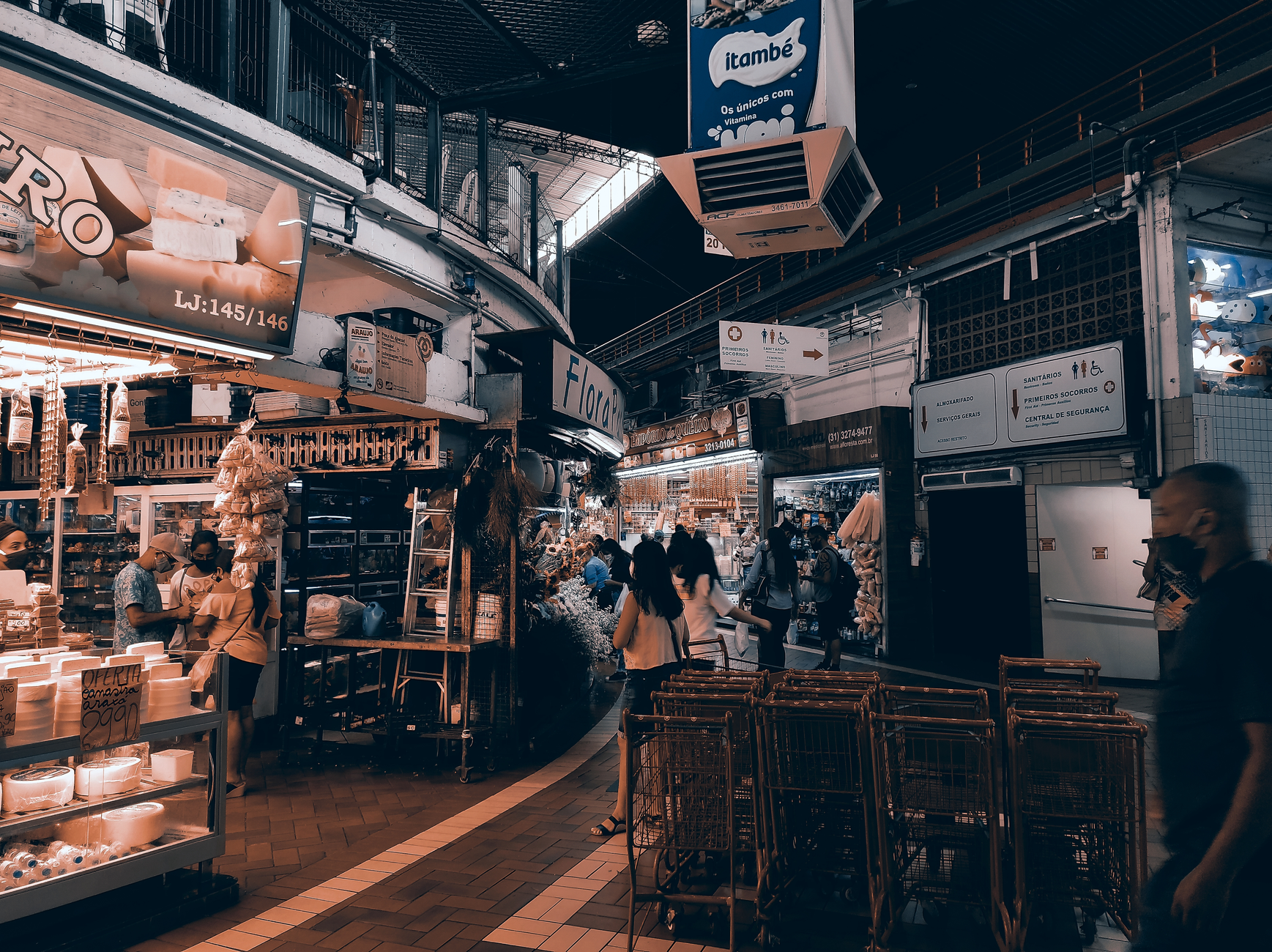
Every weekend guide sends you to St. Lawrence Market on Saturday morning, and it is a fine thing to do. But if Saturday belongs to the neighbourhoods, there is a better first stop.
Evergreen Brick Works, and the shuttle that makes it easy
The Brick Works sits at the bottom of the Don Valley in a former brick factory, and its farmers’ market runs every Saturday, 8 a.m. to 1 p.m., year-round. Getting there looks awkward on a map because it is in a ravine, below the road grid — but Evergreen runs a free shuttle bus between Broadview Station on Line 2 and the site, seven days a week and year-round, every 30 to 45 minutes, with extra Saturday trips. Ride Line 2 east, walk out of Broadview to the parkette on Erindale Avenue beside the station, and get on the bus. That is the whole journey.
What you get is a market locals actually shop at, a set of restored kilns and chimneys, and a stair-and-trail climb up the ravine towards Chorley Park if you want a walk before the coffee. The site is open daily and year-round; only the market is Saturday-bound. Arrive at eight, eat breakfast there, and you are back at Broadview by ten with the day intact.
Or: the North Market, rebuilt and open since 2025
If you would rather stay downtown, the alternative is genuinely news. The North St. Lawrence Market building — stuck in limbo so long that half the internet still calls it a construction site — is finished, and the Saturday Farmers’ Market has traded inside it since 5 April 2025, running 5 a.m. to 3 p.m. The South Market across the street keeps its own hours: Tuesday to Friday 9 a.m. to 7 p.m., Saturday 7 a.m. to 5 p.m., Sunday 10 a.m. to 5 p.m., closed Mondays. Saturday drivers get $2 for the first two hours in the Green P lot behind it.
Doing both markets in one morning is possible and pointless. Take the Brick Works if Saturday is a neighbourhood day, the St. Lawrence stalls if you would rather stay east and roll into the Distillery afterwards.
Saturday afternoon: the west end on foot
This is the half-day that separates a two-day trip from a one-day trip, and almost all of it is free. From the AGO’s front door it is ten minutes to Chinatown, fifteen to Kensington Market and twenty to Graffiti Alley, with another half hour of Queen West after that. Nothing here needs a ticket except the gallery.
Start at the AGO — and check who actually gets in free
The Art Gallery of Ontario is at 317 Dundas Street West, three blocks west of University Avenue and about five minutes on foot from St Patrick station on Line 1. Adult admission is $30, youth 10 to 17 pay $15, under-10s are free, and Indigenous Peoples are admitted free. The Annual Pass is $40 — ten dollars more than one visit, and worth taking if there is any chance you return within the year.
The free-under-25 policy is widely misreported. It applies to Ontario residents only: an Ontarian aged 18 to 24 shows ID and walks in free, while a 22-year-old visiting from Vancouver pays the adult rate. Saturday hours are 10:30 a.m. to 5:30 p.m.; Wednesdays and Fridays run to 9 p.m., and the first Wednesday evening of the month is free from 6 to 9 with tickets booked ahead. One warning: the AGO Bistro is closed through the 2026 shop renovation, so plan lunch outside the building. Full detail on the collection is in the AGO visitor guide.
Chinatown, Kensington and Graffiti Alley
Walk west on Dundas to Spadina and you are in Chinatown, which runs north to College; lunch here is the obvious move and the cheapest good meal of the weekend. Kensington Market begins a block northwest — a dense grid of Augusta, Kensington and Baldwin, produce crates on the pavement, vintage shops, taco counters and a stubborn refusal to become anything tidier. It runs pedestrian-only on some summer Sundays, but the 2026 dates are not published anywhere reliable, so check locally on the day. The Kensington neighbourhood guide covers what is worth eating.
Graffiti Alley — officially Rush Lane — runs behind Queen Street West from Spadina to Portland, three or four blocks of continuously repainted wall. Twenty minutes with a camera, and the best photographs of the weekend. Ontario Line construction at Queen and Spadina has been eating the usual entrance, so if the eastern mouth is fenced, cut in from one of the side lanes further west.
Queen West to Ossington and Trinity Bellwoods
Keep going and the street changes character every few blocks: Queen West, then West Queen West past the Drake Hotel at 1150 Queen Street West, then the Ossington strip running north, then Trinity Bellwoods park. End to end it is a 25- to 30-minute walk, with the 501 Queen streetcar shadowing the whole route if the weather turns. This is where you should stop planning and sit down somewhere. The Queen West strip guide and the wider neighbourhood breakdown both go deeper than a weekend needs — pick two blocks and stay there.
Saturday night: what a real night out looks like
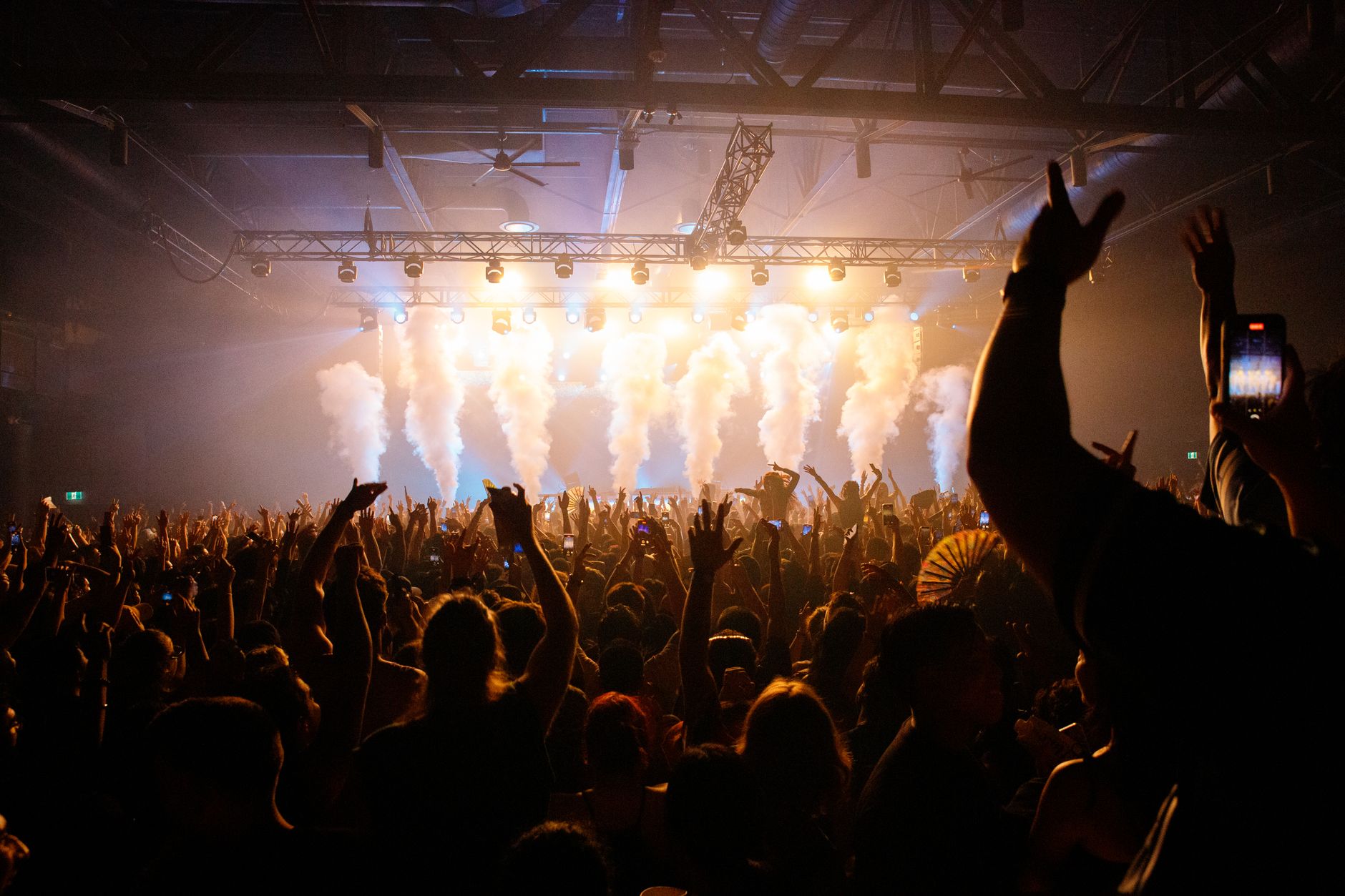
Toronto’s night is spread out. There is no single strip; there are five or six, and which one you pick decides the evening more than any individual venue does. Choose by what you want to be doing at 11 p.m. — the Rex is the walk-in option, the Horseshoe the guitar-band room, and Massey Hall the seated, book-ahead end of the scale.
By bar, and by neighbourhood
West end: Bellwoods Brewery near Trinity Bellwoods for beer made on site, the Drake Hotel for the underground room downstairs, BarChef on Queen West for the theatrical end of cocktails. Bloorcourt: Civil Liberties, which has no menu — you tell the bartender what you like and they build something. East end: the Broadview Hotel in Riverside, whose rooftop answers “where do we go on this side of the river”. A full sweep is in the bar guide, with clubs and late licences in the nightlife guide.
Dinner beforehand: Ossington and King West are the two dense restaurant strips within reach of a west-end night, and the restaurant guide is the place to choose from. No price bands here — Toronto menus move faster than any guide can track them.
Getting home is easier than it looks. The subway runs late but not all night; from about 1:30 a.m. the Blue Night Network takes over the same streets under 300-series numbers — the 301 Queen and 304 King among them — every 30 minutes or better. A tap costs $3.30 whatever the hour, and the two-hour transfer will usually carry you the whole way home on one fare.
Sunday: the water, or the east end
Sunday morning forks, and the fork is seasonal rather than a matter of taste.
The ferry rule that decides your Sunday
From mid-April to mid-October the Toronto Islands ferry runs three routes — Centre Island, Hanlan’s Point and Ward’s Island — from the Jack Layton Ferry Terminal at 9 Queens Quay West, behind the Westin Harbour Castle. From mid-October to mid-April it runs one route only, to Ward’s Island. That is not a reduced service to Centre Island; Centre Island simply is not served. Any winter itinerary that sends you to the Centre Island dock is wrong.
Round trips are $9.57 for adults 20 to 64, $6.15 for older adults 65+ and youth 15 to 19, $4.51 for juniors 2 to 14, free under 2. Buy online for the express line: peak weekend queues run 30 to 60 minutes outbound between 10 a.m. and 3 p.m., and inbound from 5 to 9 p.m. The city’s own advice is to take the Ward’s Island boat when the Centre Island queue is long — it is a 35-minute walk between the docks along the boardwalk, and that walk is the best part of the island anyway. The islands guide has the bike-rental and beach detail. Go early; a 9 a.m. boat has you back on the mainland by one with the afternoon intact.
The winter alternative: Queen East to Leslieville
When the ferry drops to its winter route, give Sunday to the east end. The 501 Queen streetcar runs from Queen West straight through downtown and over the Don River into Riverside and Leslieville with no transfer — about half an hour end to end. Brunch is the local sport here. Walk it off eastward and you reach the Beaches boardwalk; the east-end guide maps the whole run.
Or stay central: Harbourfront, the market, the Distillery
The third option keeps you within a kilometre of Union. Harbourfront Centre at 235 Queens Quay West is free to enter and now houses the interim Ontario Science Centre — the Don Mills building is permanently closed, and the temporary site charges $15 per visitor, tax included, under-2s free. From 12 September to 18 December 2026 it opens Tuesday to Sunday, 10 a.m. to 5 p.m., closed Mondays. Entry is timed and slots do sell out, so book online before you walk over — the Science Centre’s own advice is that online holders get priority over the door. It is a compressed version of the old centre, and $15 is fair for ninety minutes.
From there the South Market opens Sundays 10 a.m. to 5 p.m., and the Distillery Historic District at 55 Mill Street is free to walk into and open 364 days a year. That is a full afternoon with one $15 ticket in it. Then Union, and the train.
Where to stay for 2 days in Toronto
On a two-night trip, location is worth more than the room. Every twenty minutes of commuting is roughly two per cent of the entire visit. Three areas make sense, and they trade off cleanly.
| Base | Best for | Transit | The trade-off |
|---|---|---|---|
| Union Station / South Core | Fly in Friday, fly out Sunday | Line 1, UP Express, GO and the ferry terminal all within walking distance | Corporate and quiet after dark; you commute to the nightlife |
| Queen West / West Queen West | Neighbourhoods and a late night | The 501 Queen streetcar is effectively your subway line | 15–20 minutes each way to the harbour attractions |
| Yorkville | Museums, shopping, a calmer evening | Bloor-Yonge and St George interchanges; the ROM is at Museum station | The priciest of the three and the furthest from the water |
For this itinerary Union or South Core wins narrowly: it is the ferry terminal’s own neighbourhood, it puts the airport train at your feet on a tight Sunday, and the 501 still carries you to and from a west-end night. Queen West is the better base if the night out matters more than the logistics.
No nightly rates here. Toronto hotel pricing swings hard with the event calendar, and any figure published now would be wrong by the time you read it. The accommodation guide compares the areas in depth, and downtown hotels are sorted by budget here.
If it rains, the weekend still works
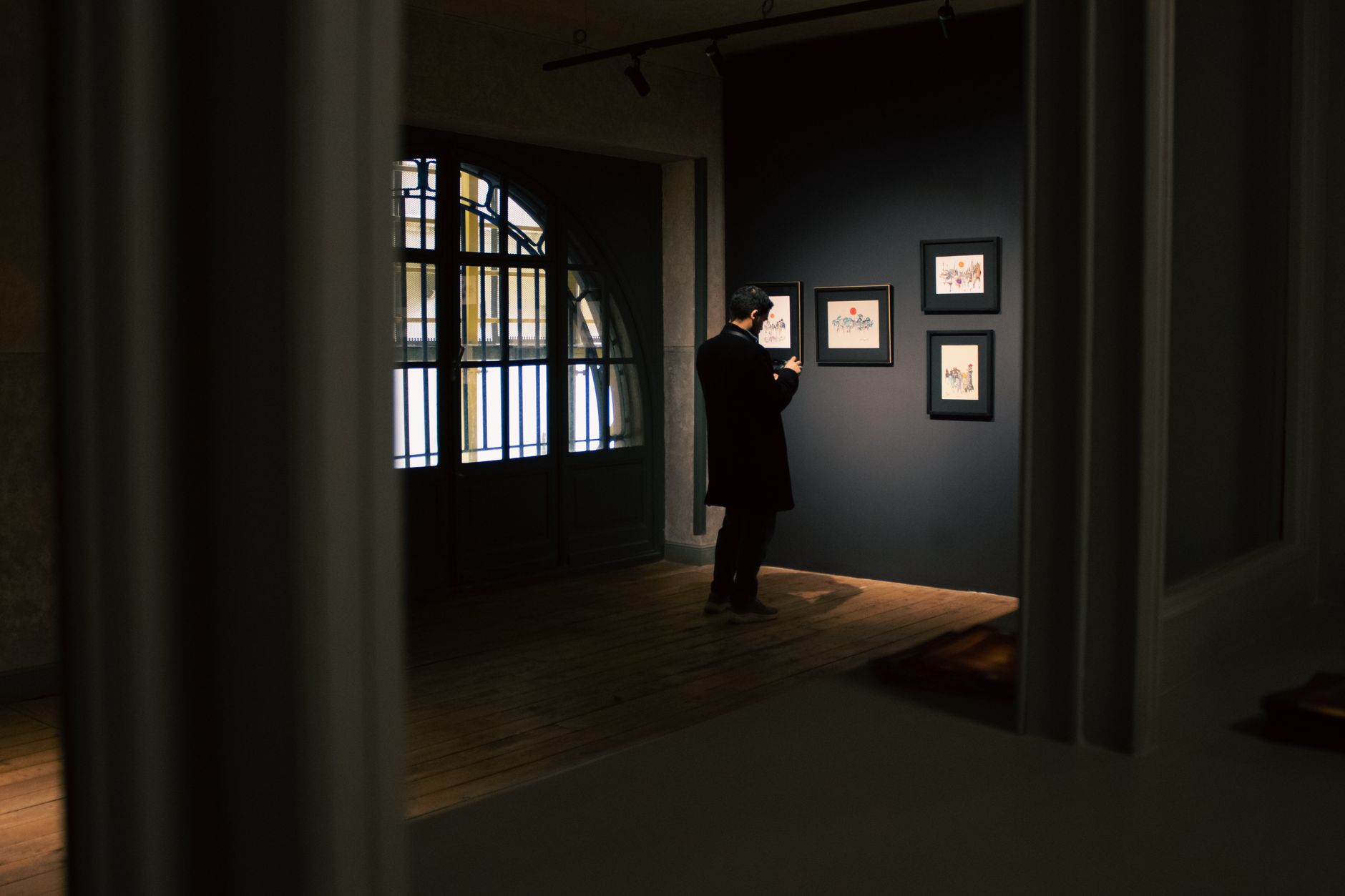
October in Toronto hands out a fair share of grey, wet days, and a weekend is short enough that one of them can land on you. The indoor swap list is strong, because the big options have long or unusual hours.
- Ripley’s Aquarium — 9 a.m. to 11 p.m., the only one open in the evening.
- The AGO — to 5:30 at weekends, to 9 p.m. Wednesdays and Fridays, free on the first Wednesday evening of the month.
- The ROM — 10 a.m. to 5:30 p.m., closed Mondays, with a free third-Tuesday evening to 8:30 p.m. and free Tuesday entry for post-secondary students holding a Canadian college or university ID.
- The Ontario Science Centre at Harbourfront — $15, Tuesday to Sunday, 10 a.m. to 5 p.m.
- St. Lawrence Market South — an indoor morning that costs nothing to enter.
The ROM sells what it calls Plan Ahead Pricing: the adult fare changes by date and by how far ahead you book, so there is no single number to quote — price your actual date before choosing between the ROM and the AGO. Book direct, too. The museum has been publicly warning about counterfeit ticket sites, and a resale ticket that fails at the door costs an hour of a two-day trip. More cover is in the rainy-day guide.
Summer weekend, winter weekend
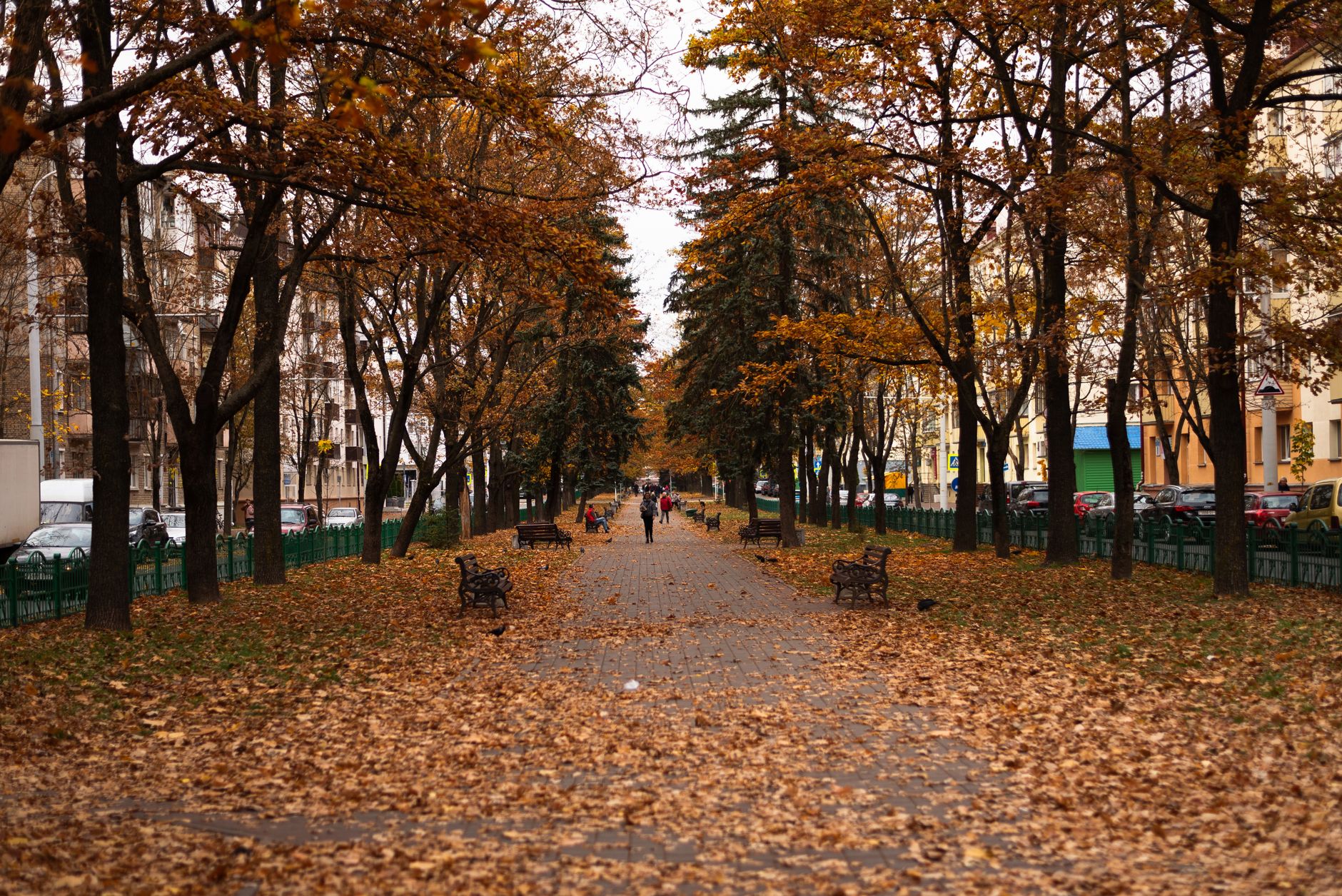
The same two days play differently across the year, and only a few things actually change.
Summer, mid-May to mid-September. Three ferry routes run, with extra Centre Island sailings on peak days, and the islands become the best half-day in the city. Patios open across Ossington and Queen West. The cost is queues: the ferry terminal at noon on a July Saturday means a 30- to 60-minute wait.
Autumn. The best trade in the calendar. The ravines turn colour through the second half of October, the Brick Works trails are at their best, the ferry still runs all three routes until mid-October, and the crowds have gone.
Winter, mid-October to mid-April. Ward’s Island only on the ferry. Harbourfront Centre runs its outdoor rink, the Distillery stays open as it does 364 days a year, and the CN Tower keeps the same 9 a.m. to 11 p.m. observation hours — the clearest views of the year come on the coldest days. Rebuild the weekend indoors and eastward and it holds up; the winter guide has the skating and holiday-market detail. What suffers is the west-end walk, much less appealing at minus twelve with a lake wind behind it.
What 2 days in Toronto costs
Below is a per-person total built only from published prices as of 2026. Food, drink and the hotel are deliberately absent — no honest figure exists for them at this level of generality. The Toronto budget guide handles the meal-by-meal arithmetic.
| Item | Lean weekend | Full weekend |
|---|---|---|
| UP Express, return | $24.70 | $24.70 |
| TTC, two days | 4 taps at $3.30 = $13.20 | 2 day passes at $13.50 = $27.00 |
| CN Tower and Ripley’s | — | Sea the Sky combo, $79 |
| AGO | $30, or $40 for the annual pass | $30 |
| Toronto Islands ferry, return | $9.57 | $9.57 |
| Ontario Science Centre at Harbourfront | — | $15 |
| Markets, Distillery, Graffiti Alley, Kensington, Trinity Bellwoods | Free | Free |
| Tickets and transit, per adult | $77.47 | $185.27 |
Children 12 and under ride the TTC free and travel free on UP Express, which takes a surprising amount out of a family total. Taxes are extra on tower and aquarium tickets.
Fares, and the one pass worth buying
A single adult TTC fare is $3.30 by PRESTO, debit or credit tap and $3.35 in cash as of 2026. Youth 13 to 19 pay $2.35, seniors 65+ pay $2.25, children 12 and under ride free. The PRESTO Day Pass is $13.50 and pays for itself at five rides — buy it on the day you cross the city, skip it on the day you walk one neighbourhood. Contactless credit and debit taps work exactly like PRESTO at $3.30 a boarding, phone wallets included, so no physical card is needed for a weekend. The two-hour transfer applies to every tap method except cash. Full detail sits in the TTC guide for visitors.
Two lines are newer than most guidebooks. Line 5 Eglinton opened on 8 February 2026: 19 km, Mount Dennis to Kennedy, trains every three to four minutes through the weekday peaks, interchanges onto Line 1 at Cedarvale and Eglinton and Line 2 at Kennedy. Line 6 Finch West opened on 7 December 2025, Finch West Station to Humber College. Both are running. For a downtown weekend the streetcars matter more: 501 Queen, 504 King, 505 Dundas, 506 Carlton for Little Italy, and the 509 and 510 for the waterfront and Spadina. One naming note — the square older guides call Yonge-Dundas is now Sankofa Square, and the station above it is TMU.
Does a multi-attraction pass pay off in two days?
There is exactly one real multi-attraction pass in this city: Toronto CityPASS, $134.96 plus tax for adults and $99.96 plus tax for children 4 to 12, against a stated value of $217 and $150. It covers CN Tower general admission and Ripley’s Flex admission, plus a choice of three from the ROM, a City Cruises harbour tour, Casa Loma, the Toronto Zoo and the AGO, valid for nine consecutive days from the first visit.
Now the arithmetic. The CN Tower and Ripley’s together are $79 as the Sea the Sky combo; add the AGO at $30 and three attractions cost $109. To beat the pass you need two more of the choose-three — and on a two-day trip the zoo is an hour away and Casa Loma is a subway ride north of everything else here. Five attractions in two days is also five ticket queues in two days. CityPASS is good value across four or five days; across a weekend it usually is not. Run your own numbers against the CityPASS breakdown first.
One correction while we are here: there is no Go City pass for Toronto. No Toronto attraction sells or links one on its own site, while the CN Tower, the ROM and the AGO all link CityPASS. If a listing offers a “Toronto Go City Pass”, it is not a product these attractions recognise.
Frequently asked questions
Is 2 days in Toronto enough to see the city?
It is enough for two of Toronto’s four downtown clusters, properly, plus one night out. It is not enough for Niagara Falls, the zoo, or both major museums. Treat it as a sampler that tells you whether to come back for longer and it works. Treat it as a checklist and you will spend the weekend on streetcars.
What day should I arrive?
Friday evening. It adds a usable half-day at no real cost, because the aquarium runs to 11 p.m. and the music venues are only just starting. Avoid a Sunday-to-Monday weekend: the ROM, the AGO, the South Market and the Ontario Science Centre all close on Mondays, which removes most of your wet-weather options at once.
Do I need to book anything in advance?
The CN Tower, because it is timed entry — tickets go on sale 30 days ahead and the good slots go. The Ontario Science Centre at Harbourfront is timed too, and it sells out at busy hours, so book that online as well. Book the AGO’s free first-Wednesday evening ahead if you want it. Ferry tickets bought online get you an express queue, which is worth doing in summer. The rest of the itinerary is walk-up.
Can I do this itinerary without the subway?
Mostly. Saturday is walking plus the 501 Queen streetcar; Sunday is walking plus the ferry. The exception is Evergreen Brick Works, which needs Line 2 to Broadview and the free shuttle. Bike Share is a good warm-weather substitute: $1 to unlock plus $0.12 a minute on a classic bike, or a $15 day pass for unlimited 90-minute classic rides with no unlock fees.
Is the Toronto Islands ferry worth it on a short trip?
In summer, yes — $9.57 return buys the best view of the skyline there is, plus a couple of hours of beach and boardwalk. In winter the calculation changes: only the Ward’s Island route runs, Centre Island is not served at all, and the islands are a windy walk rather than a day out. From mid-October, give Sunday to the east end instead.
What is the single biggest mistake weekend visitors make?
Booking the weekend by attraction rather than by geography. A shortlist with the tower, the Distillery, Kensington and Casa Loma on it looks perfectly reasonable written down, and turns into a day of transfers, because those four sit at four corners of the map. On two days the penalty is brutal: every crossing you add is a neighbourhood you never walk. Pick the half-day first, then fill it only with what already sits inside it.
Where to go next
If your dates are not fixed, check what is actually on this weekend before booking — a festival, a home game or a long weekend changes both the crowds and the room rates. And if you are still deciding how long to stay, the full list of things to do in the city will tell you quickly whether two days is enough.