Tipping in Toronto Canada follows the U.S. service-economy model rather than the European tip-not-expected model — restaurant servers, taxi drivers, hairstylists, hotel housekeeping, and most service workers all expect tips because their hourly wages are lower than minimum wage in many cases. The standard Toronto restaurant tip in 2026 is 18–20% of the pre-tax bill (down slightly from the 20–22% post-pandemic high). Beyond restaurants, the Toronto tipping culture extends to coffee shops, bartenders, food delivery drivers, ride-share drivers, hotel staff, and many other service professionals — and getting it wrong by under-tipping marks you immediately as a tourist who didn’t read this guide. This page walks through every Toronto tipping situation you’ll encounter, plus a primer on Canadian currency, payment methods, and common money-related issues for visitors.
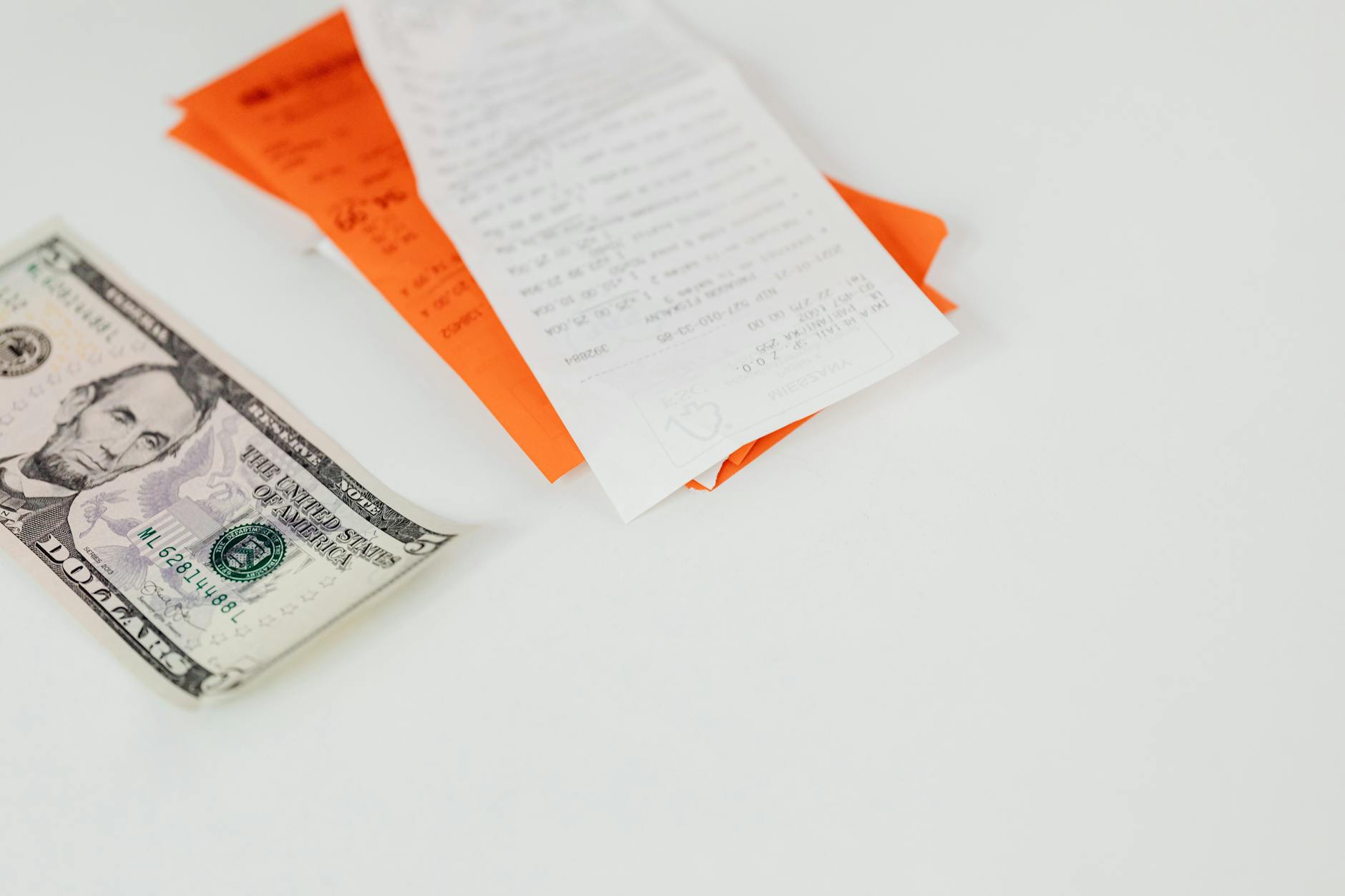
Tipping in Toronto Canada: the cheat sheet
| Service | Standard tip | Notes |
|---|---|---|
| Restaurant server (sit-down) | 18–20% of pre-tax bill | 15% if service was poor; 22%+ for excellent |
| Bartender | $1–$2/drink, or 18% of tab | Higher for cocktails/elaborate orders |
| Coffee shop / counter service | $1–$2 or 10% (optional) | Often built into the POS prompt at 15-25% |
| Food delivery (DoorDash, Uber Eats) | 10–15% (in app) | Drivers see your tip before accepting |
| Ride-share (Uber, Lyft) | 10–15% (in app) | Tip after the ride |
| Taxi | 15% of meter | Round up for short rides |
| Airport shuttle / driver | $5–$10 | For luggage assistance |
| Hotel housekeeping | $3–$5/night | Daily, in cash on the bedside table |
| Hotel bellman / porter | $5/bag | Both pickup and dropoff |
| Hotel concierge | $10–$20 | For meaningful help (reservations, tickets) |
| Hairstylist / barber | 15–20% | Plus $5+ for shampoo assistant |
| Spa / massage therapist | 15–20% | Of pre-tax bill |
| Tour guide | $10–$20/person/day | $50+ for private guide |
| Valet parking | $3–$5 each direction | Drop-off and pickup |
Tipping in Toronto Canada: restaurants in detail
Sit-down restaurants
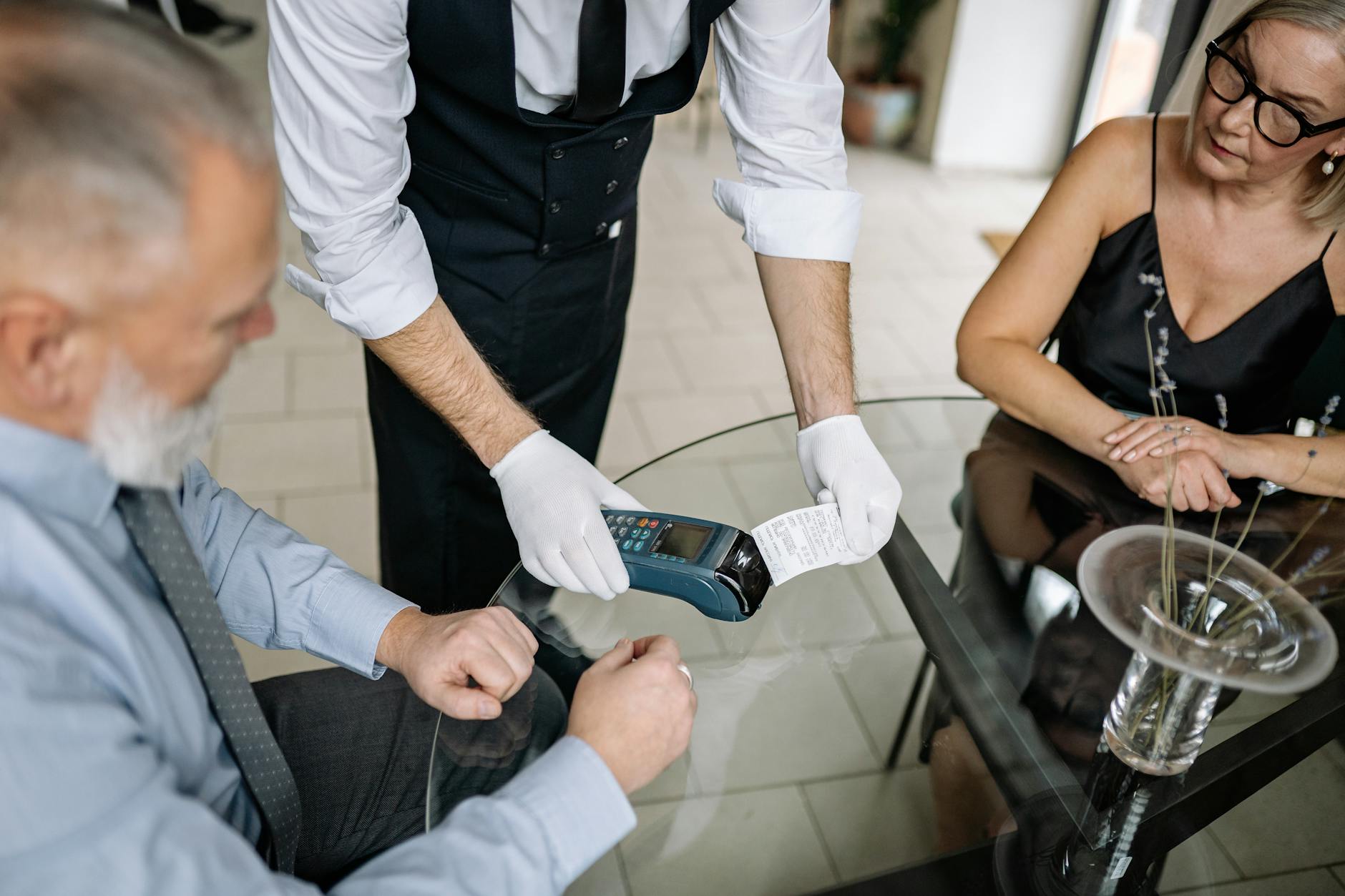
The standard Toronto restaurant tip is 18–20% of the pre-tax bill. Some restaurants, especially mid-to-high-end spots in Yorkville and on King West, build the tip prompt into the POS terminal with default options of 18%, 20%, and 22%. The 22% option has crept up in recent years; 20% is the polite-and-standard middle option.
Tip on the pre-tax amount, not the after-tax total. Toronto charges 13% HST, so tipping on the after-tax amount is mathematically a 22.6% tip rather than 20%. Most servers don’t expect you to tip on tax, but the POS terminals default to including it.
Cash vs. card tipping
Both are acceptable. Cash tips go directly to the server (no processing fees, no tax-tracking). Card tips are pooled and distributed via the restaurant’s tip-pooling system, which usually splits with bartenders, bussers, and kitchen staff. Cash is appreciated by servers but not expected.
Mandatory service charges
Restaurants in Toronto can add a mandatory “service charge” or “auto-gratuity” for groups of 6 or more — typically 18%. If a service charge is added, you don’t need to add an additional tip on top, though many people add 1–3% for excellent service. The service charge will be clearly noted on the bill.
Counter service
At fast-casual restaurants and coffee shops, the POS prompt frequently asks for a tip with default options of 10%, 15%, 20%, or “no tip.” For order-and-collect counter service, $1–$2 tip or 10% is appropriate but truly optional — locals often skip it. Don’t feel pressured by the POS prompt.
Bars, cocktails, and nightlife
Bartender
Standard: $1–$2 per drink, or 18% of the tab if you’ve been running a credit card. For a $14 cocktail, leave $2; for a $5 beer, leave $1. Elaborate cocktails (BarChef, Bar Raval) call for $2–$3 per drink minimum.
Cocktail server (sit-down at bar)
Same as restaurant — 18–20% of the tab.
Nightclubs and high-end bars
Bottle service or table service at high-end bars (KOST, Casa Madera, Lavelle) typically includes an automatic 18% gratuity on the bill. Adding 1–3% for good service is appreciated.
Hotel tipping in Toronto
Bellman / porter
$5 per bag at check-in and check-out is standard. For three or more bags, $10–$15 total is sufficient. Cash only — keep $20 in $5 bills handy on arrival.
Housekeeping
$3–$5 per night, left on the bedside table or pillow, daily (not at the end of the stay — different staff often clean different days). Cash only.
Concierge
$10–$20 for substantive help — securing a hard-to-get reservation, getting tickets to a sold-out show, arranging transportation for a special event. For routine “directions to the museum” help, no tip needed.
Doorman
$2–$5 for hailing a cab or assistance with luggage. No tip for simply opening the door.
Room service
Most Toronto hotels build an 18% gratuity into the room-service charge. Check the bill — if a tip is included, you don’t need to add more, but $2–$5 cash to the delivery person is appreciated.
Valet
$3–$5 each way (drop-off and pickup). Cash.
Transportation tipping
Taxi
15% of the metered fare, rounded up to the nearest dollar. For a $20 fare, leave $23; for an $8 fare, leave $10. Tap-to-pay terminals in Toronto taxis prompt for tips at 10%, 15%, 20%, or custom.
Uber / Lyft
Tipping happens in the app after the ride is complete. Standard 10–15%; many Toronto residents tip $2 minimum or 15%, whichever is higher. The driver doesn’t see your rating until after they’ve rated you.
Airport limousine / shuttle
$5 minimum, $10 if the driver helps with luggage. Cash preferred.
UP Express / GO Train / TTC
No tipping. The UP Express, GO Train, and TTC are public transit and don’t accept tips.
Other Toronto tipping situations
Hairstylist and barber
15–20% of the service. If a separate person shampoos your hair, add $5 cash for them. For elaborate colour or treatments at high-end Toronto salons (Civello, Coupe Bizzarre, Christopher Lee), 20% is the floor.
Manicure/pedicure
15–20% of the service. Most Toronto nail technicians are tipped in cash, in an envelope at the end of the appointment.
Spa and massage therapy
15–20% of the pre-tax bill. Some Toronto spas (Stillwater, Hammam) automatically add 18% gratuity on packages — check the bill.
Tour guides
For a 3-4 hour group walking tour, $10–$20 per person to the guide. For a private full-day guide, $50+ per day per couple. Free walking tours rely entirely on tips — $10–$20 per person is the unwritten standard.
Food trucks
Optional. The POS prompt may ask for a tip; locals often skip it for food trucks. $1 in the tip jar is appreciated.
Canadian currency basics for visitors
Bills and coins
Canadian Dollars (CAD) come in:
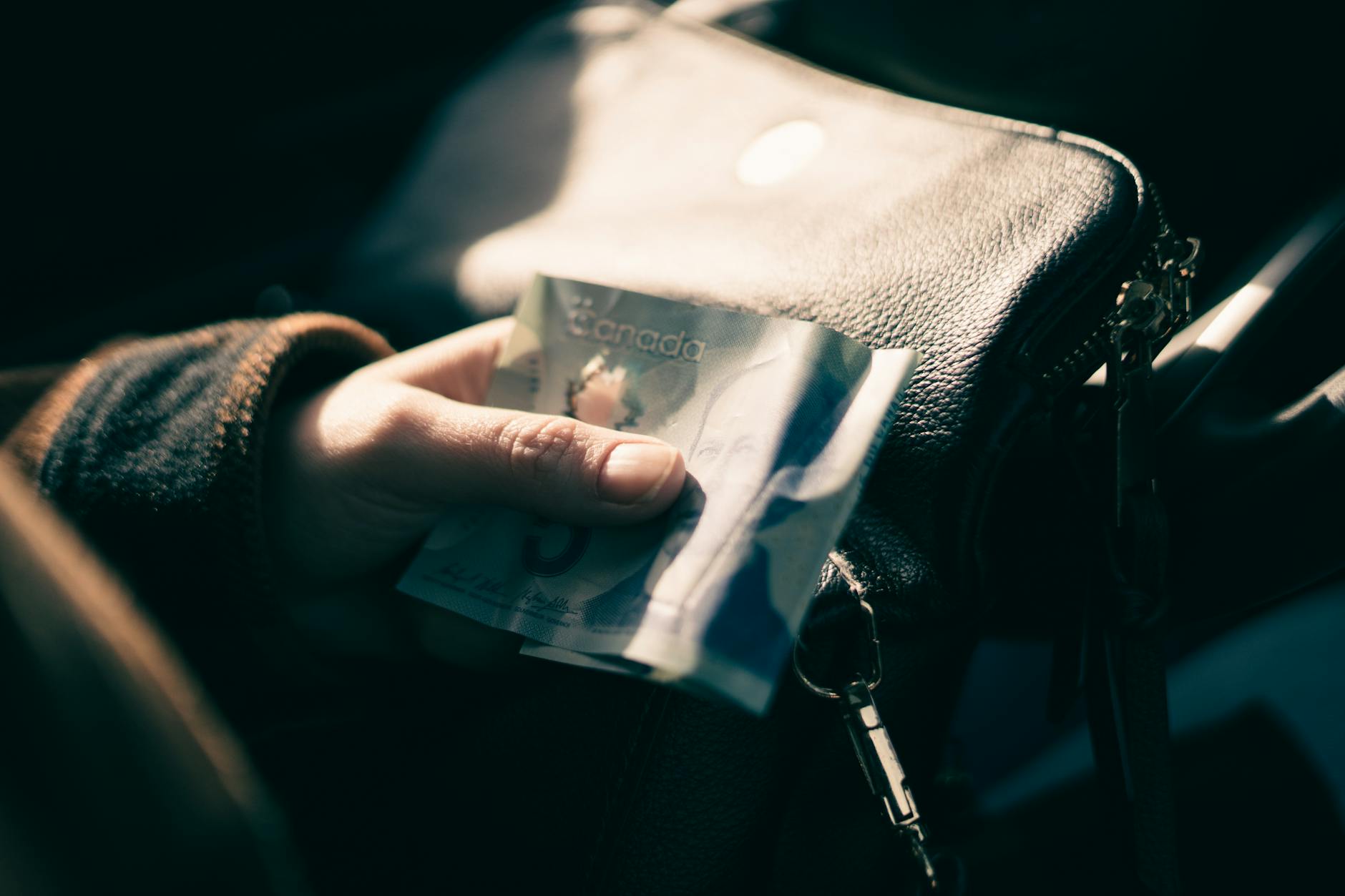
Bills: $5 (blue), $10 (purple), $20 (green), $50 (red), $100 (brown). All bills are made of polymer (plastic), waterproof, and feature transparent windows.
Coins: 5¢ (nickel), 10¢ (dime), 25¢ (quarter), $1 (loonie — gold-coloured, with a loon), $2 (toonie — silver outer ring with gold centre). The penny (1¢) was discontinued in 2013 — cash transactions round to the nearest 5¢.
Exchange rate
Recent CAD-USD rates have hovered around 1 USD = 1.35–1.40 CAD. Most Canadian merchants quote prices in CAD. The Canadian dollar is currently weaker than USD, EUR, and GBP, meaning your foreign currency stretches further.
Where to exchange currency
Best rates: Foreign Exchange Toronto (10 King St E, downtown), the Canadian Tire Money Exchange, and the major Canadian banks (TD, RBC, Scotiabank, BMO).
Worst rates: Pearson Airport currency-exchange counters, hotel front desks, and the Yonge-Dundas tourist exchange shops. These add 4–8% in margin on top of the official rate.
Best alternative: Use a credit card with no foreign transaction fees (Wise, Revolut, Charles Schwab, several Capital One cards). The card’s exchange rate is typically within 0.5% of the official rate.
ATMs
Major Canadian banks (TD, RBC, Scotiabank, BMO, CIBC) charge $3–$5 per ATM withdrawal for foreign cards. Wise and Revolut cardholders typically get free or low-fee ATM withdrawals up to a monthly limit.
Tap-to-pay everywhere
Toronto is essentially card-only at this point. Even small businesses (coffee carts, food trucks, Kensington Market shops) accept Apple Pay, Google Pay, and contactless cards. The TTC fare gates accept tap-to-pay credit/debit (Visa, Mastercard, Apple Pay, Google Pay) at the same $3.35 fare. You may not need cash at all except for tips and the rare cash-only spot.
Practical tips for tipping in Toronto Canada
Pre-loaded tip cash
Bring CA$200 in $5 bills before you arrive (the airport currency exchange is overpriced). The $5 denomination works for most Toronto tipping situations.
Phone tipping apps
Many Toronto restaurants now use POS systems (Square, Toast, Lightspeed) that send the bill to your phone — you select the tip amount and pay via Apple Pay or card. The default tip prompts of 18%, 20%, and 22% are now standard.
Tipping etiquette
Don’t tip in foreign currency — your USD $20 bill might be appreciated, but it’s much less convenient for the server (they have to exchange it, often at a cost). Always tip in CAD.
HST (sales tax)
Ontario charges 13% HST on most goods and services. The HST is included in the displayed prices for some items (groceries, gasoline) but added at checkout for most others (restaurants, retail, hotels). When tipping, calculate the tip on the pre-HST amount.
More Toronto travel basics
Tipping is one of several local conventions worth knowing; the rest are in our Toronto travel guide. Pair this tipping guide with the rest of Toronto trip planning: our Toronto budget guide, is Toronto safe for tourists, Toronto travel apps, best restaurants in Toronto, airport to downtown Toronto, our Toronto neighbourhood-by-neighbourhood hotel guide, and what to do in Toronto.
Tipping in Toronto Canada is closer to American than European norms — pack $200 in $5 bills, default to 18–20% at restaurants, and you’ll never feel awkward about a tip again.