Toronto weather by month spans the full Canadian temperature range — from January’s deep cold (-7°C lows, occasional polar vortex events to -25°C+) to July’s hot humidity (27°C average highs feeling like 35°C+ with humidex). The city sits at 43.7°N latitude, similar to Vermont and northern Italy, but is moderated by Lake Ontario, which delays both freezing and warming by 2-3 weeks. The result: Toronto’s seasonal weather is more extreme than coastal cities at the same latitude, and visitors who pack for one season often need clothing for two. This guide breaks down Toronto weather by month — temperatures, rainfall, snowfall, daylight hours, sunset times, what to wear, and the typical surprise weather events that catch visitors off guard.
Toronto weather by month: complete table
| Month | Avg high °C / °F | Avg low °C / °F | Rain days | Snow days | Sunset |
|---|---|---|---|---|---|
| January | -1 / 30 | -7 / 19 | 4 | 10 | 5:00pm |
| February | 0 / 32 | -7 / 19 | 4 | 8 | 5:45pm |
| March | 5 / 41 | -3 / 27 | 6 | 5 | 7:25pm DST |
| April | 11 / 52 | 3 / 37 | 10 | 1 | 8:00pm |
| May | 18 / 64 | 9 / 48 | 11 | 0 | 8:40pm |
| June | 23 / 73 | 14 / 57 | 10 | 0 | 9:00pm |
| July | 27 / 81 | 17 / 63 | 10 | 0 | 9:00pm |
| August | 26 / 79 | 16 / 61 | 10 | 0 | 8:25pm |
| September | 20 / 68 | 11 / 52 | 9 | 0 | 7:25pm |
| October | 14 / 57 | 5 / 41 | 10 | 0 | 6:25pm |
| November | 7 / 45 | 0 / 32 | 9 | 4 | 4:55pm |
| December | 1 / 34 | -5 / 23 | 5 | 9 | 4:42pm |
Note: 2026 daylight saving time begins March 8, ends November 1. Rain/snow days are days with measurable precipitation.
Toronto weather by month: when to visit
Best weather months
September — arguably the best Toronto month overall: warm but not humid (high 20°C), low rainfall, low crowds.
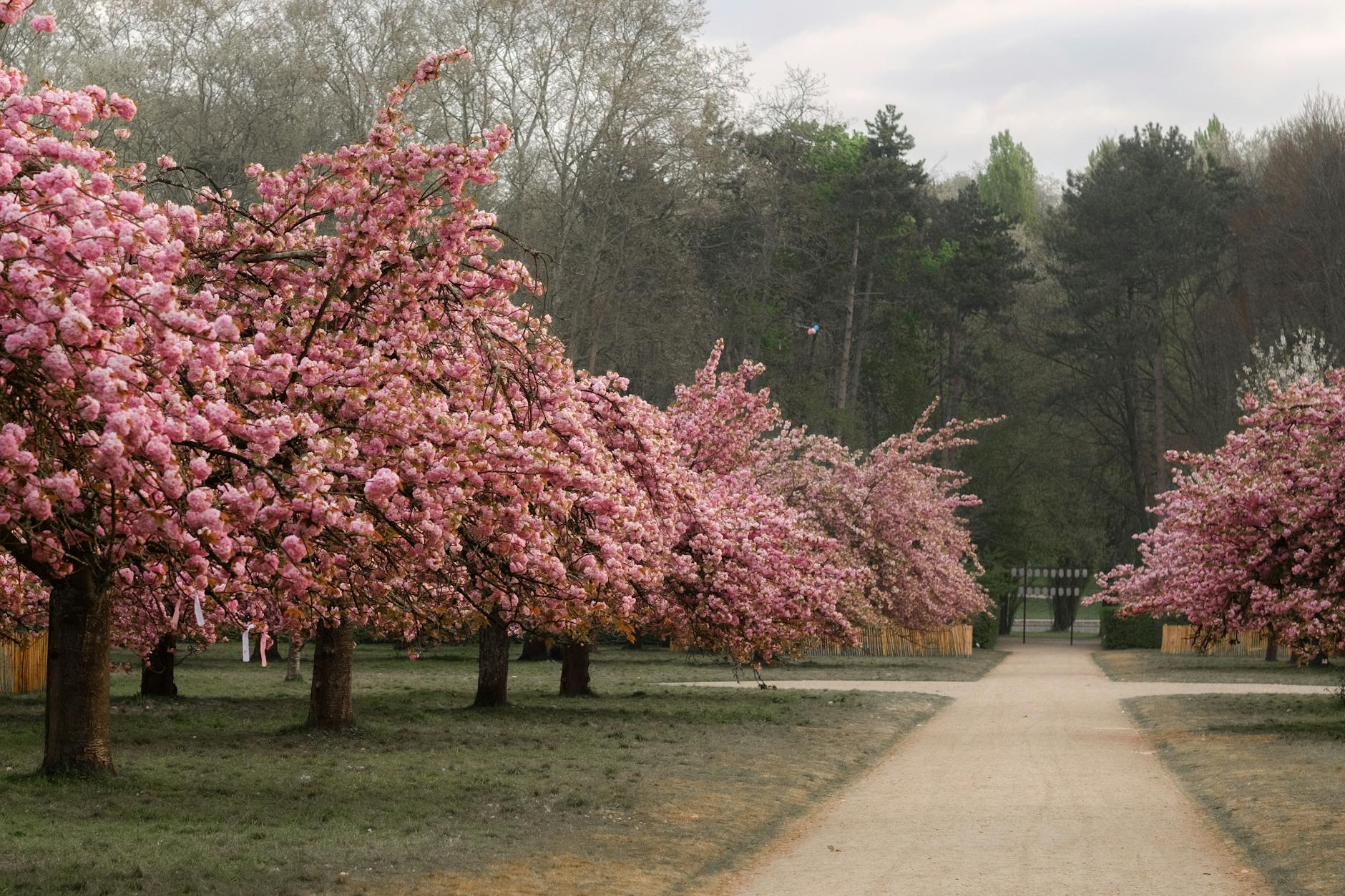
May — cherry blossoms, patios opening, daylight extending: high 18°C, comfortable evenings.
October — peak fall foliage and ideal walking weather: high 14°C, low 5°C.
June — beach season opens, festival kickoff, long days: high 23°C.
Most-challenging months
February — coldest of the year averaging high 0°C, peak polar-vortex risk.
March — slushy transition, unpredictable.
August — humid and crowded.
Toronto weather by month: detailed analysis
Winter (December-February)
Temperature reality: Average highs 0-1°C; lows -5 to -7°C. Multiple deep-freeze weeks per year drop temperatures below -20°C. Wind chill makes -10°C feel like -20°C and worse on lakefront.
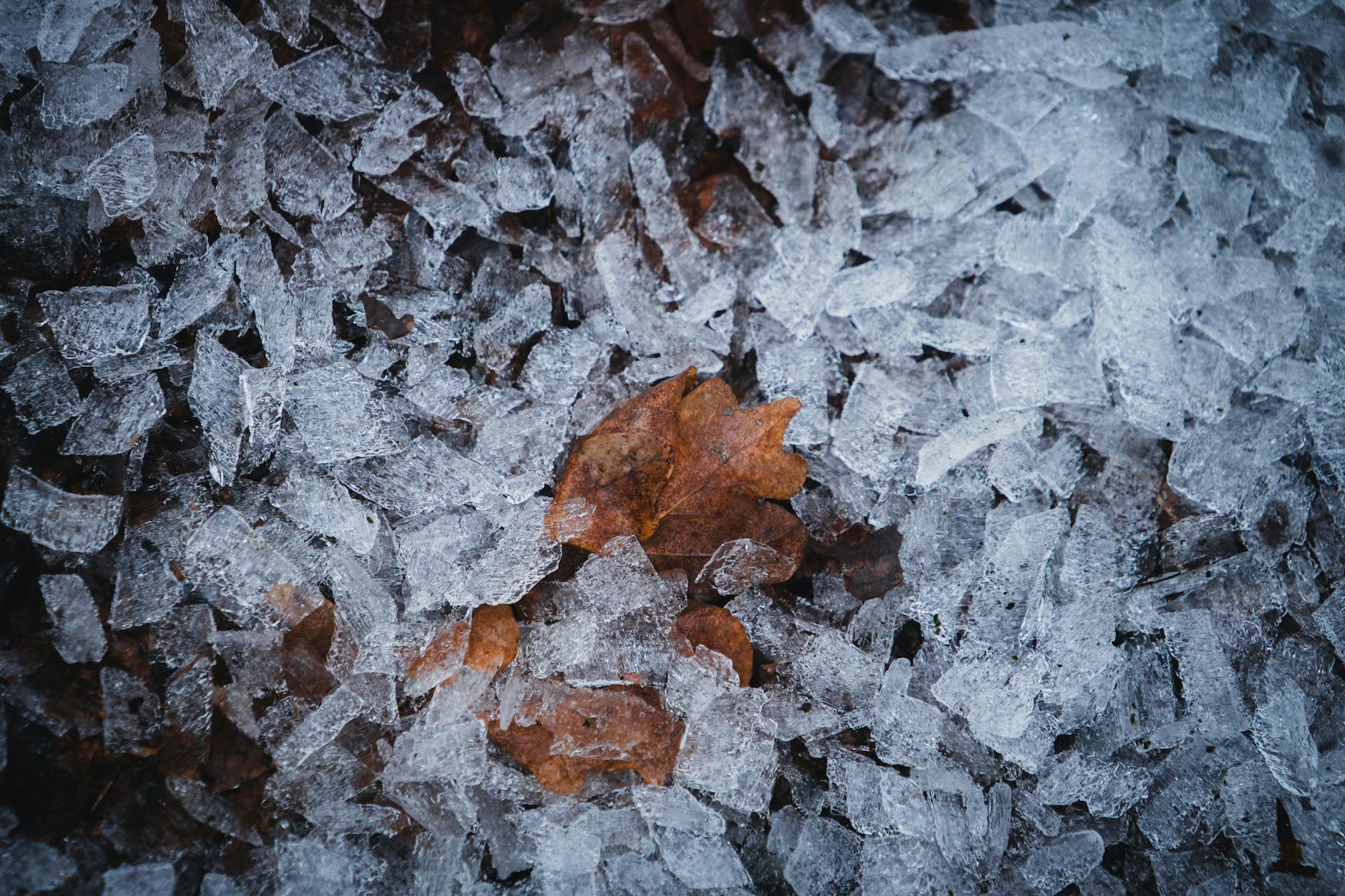
Snowfall: Toronto averages 122cm of snowfall per year, mostly January-February. Lake-effect snow can dump 30+ cm in a single storm.
Daylight: Peak short — December 21 sunset is 4:42pm; sunrise 7:48am. Day length only 8 hours 55 minutes.
What to expect: Cold but the city handles it well. Underground PATH network keeps downtown commuters comfortable. Outdoor activities concentrate on skating and Christmas markets.
Spring (March-May)
Temperature reality: Major variability. March can have snow; May can have 25°C days. Average highs jump from 5°C in March to 18°C in May.
Rainfall: April-May are the wettest months — 10-11 rain days each. Pack rain gear.
Daylight: Daylight Savings Time begins early March. By mid-May sunset is 8:30pm.
What to expect: Layered dressing essential. Patios opening but unpredictable. Cherry blossoms peak first week of May.
Summer (June-August)
Temperature reality: June is mild (23°C high), July and August are humid (27°C high, humidex frequently 35°C+). Lakefront stays 3-5°C cooler than inland.
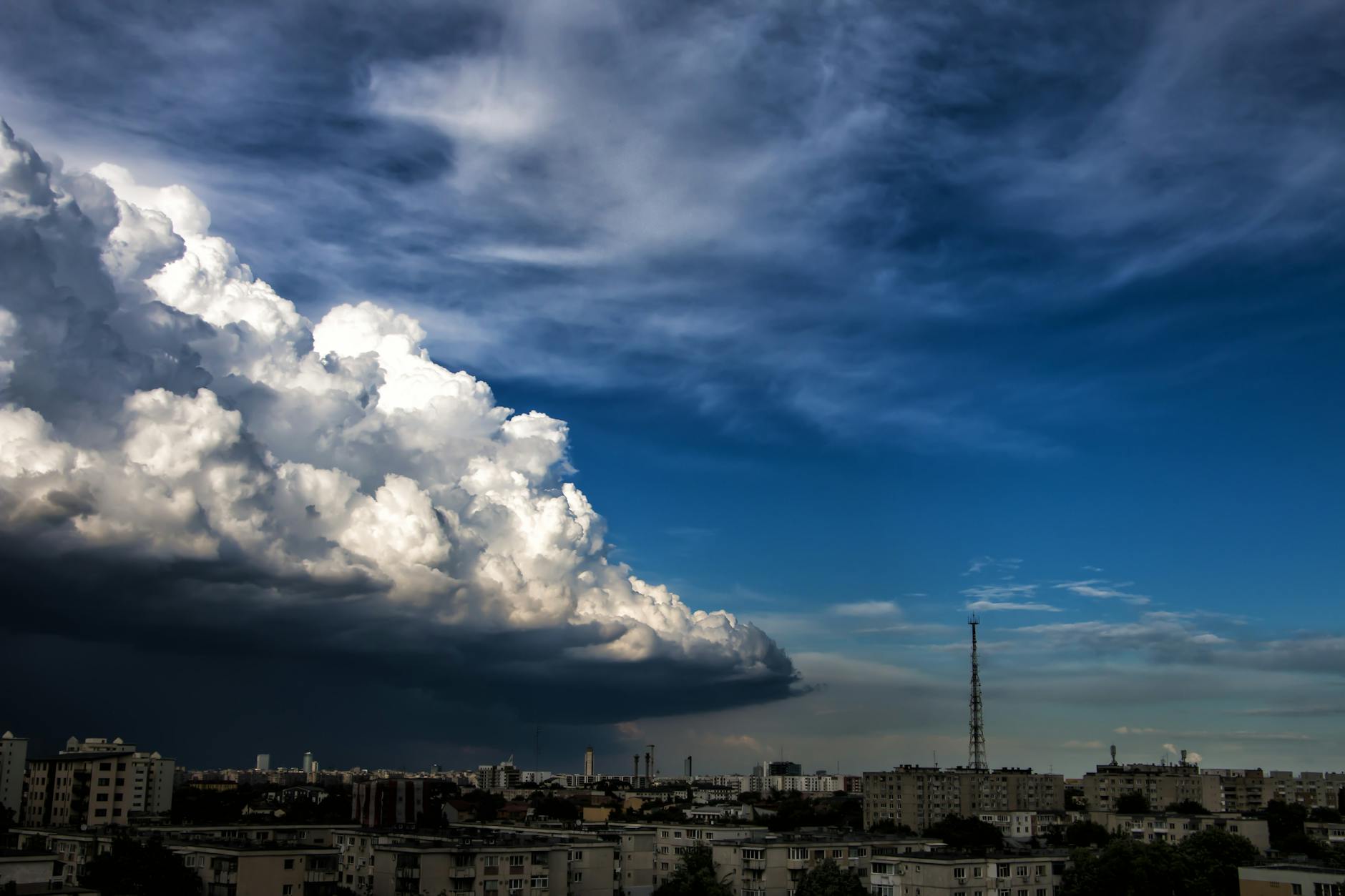
Rainfall: 10 rain days each summer month, but in shorter intense storms (afternoon thunderstorms common July-August).
Daylight: Long days — June 21 sunset 9:00pm, sunrise 5:36am. 15+ hours daylight.
What to expect: Hot and busy. Beaches at peak. Patios at full season. Festival weekends booked solid.
Fall (September-November)
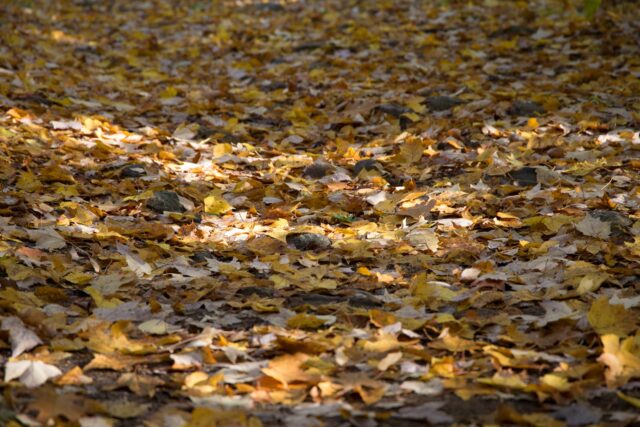
Temperature reality: September is summer-like (high 20°C), October cools quickly (high 14°C), November transitions to winter (high 7°C).
Foliage peak: October 15-25 typical for Toronto-area trees.
Daylight: Daylight Savings Time ends early November. By month-end, sunset is 5:00pm.
What to expect: Best Toronto walking weather September-October. November transitions cold; bring layers.
Surprise weather events
Polar vortex (January-February)
Toronto experiences 1-2 polar vortex events per year — Arctic air flowing south causes sudden temperature drops to -20°C+ for several days. The Weather Network and WeatherCAN apps push warnings 48-72 hours in advance.
Lake-effect snow (winter)
When the lake is unfrozen, cold air over warm water creates intense snowfall events. Toronto can see 30+ cm in a single storm, particularly in late November and early December.
Summer thunderstorms (July-August)
Sudden thunderstorms with brief torrential rainfall, hail, and wind. Most common 3pm-7pm. The Toronto Islands ferry occasionally suspends service during severe storms.
Cold fronts (any season)
Sudden 15-20°C temperature drops over 6-12 hours are common in spring and fall. May and October are particularly variable.
Heat warnings (July-August)
The City of Toronto issues Heat Warnings when temperatures exceed 31°C with humidex 40°C+. Cooling Centres open at recreation centres and libraries.
What to wear by month
| Month | Outerwear | Footwear | Accessories |
|---|---|---|---|
| January-February | Insulated parka (-20°C+) | Waterproof winter boots | Mittens, toque, scarf, hand warmers |
| March | Insulated jacket, gloves | Waterproof boots | Hat, gloves, rain gear |
| April | Light or medium jacket | Closed-toe shoes | Light scarf, umbrella, rain jacket |
| May | Light jacket, sweater | Walking shoes | Sunglasses, light scarf for evenings |
| June-August | None most days | Sandals or walking shoes | Sunglasses, hat, sunscreen, water bottle |
| September | Light jacket for evenings | Walking shoes | Sunglasses, light scarf |
| October | Medium jacket, sweater | Closed-toe shoes or boots | Light scarf, gloves end of month |
| November | Insulated jacket | Boots | Toque, gloves, scarf, umbrella |
| December | Insulated parka | Winter boots | Toque, mittens, scarf, hand warmers |
See our full our packing list.
Best Toronto weather apps
The Weather Network
Canada’s most-used weather app. The “Weather This Hour” feature is ideal for planning outdoor activities.
WeatherCAN
The official Environment Canada app — pushes severe weather warnings (winter storms, lake-effect, summer thunderstorms) faster than commercial alternatives.
Apple Weather
Acquired Dark Sky in 2020. Strong hour-by-hour predictions for Toronto.
RadarOmega Toronto
For weather geeks: real-time Doppler radar over Toronto.
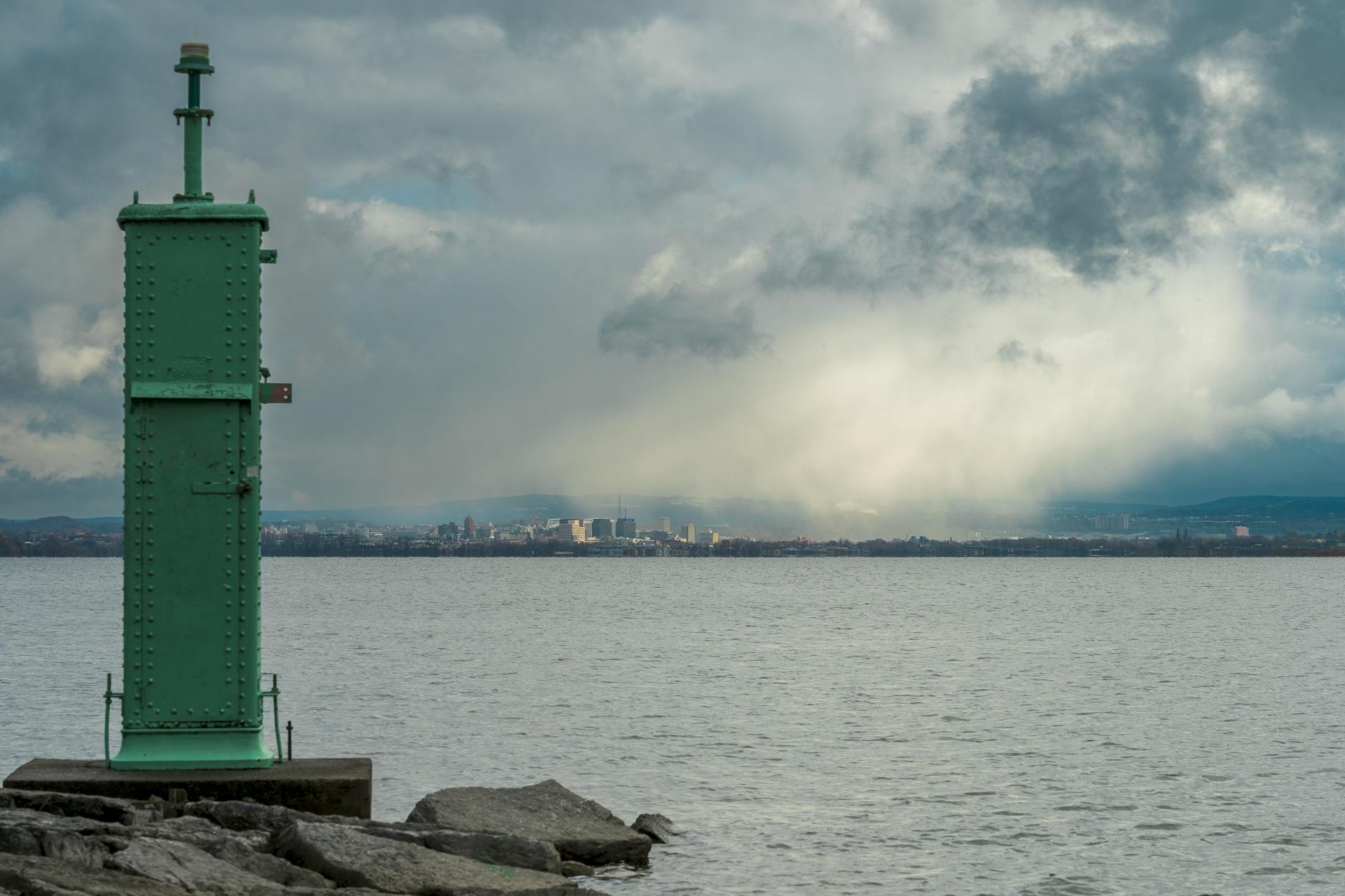
The Lake Ontario effect
Lake Ontario significantly moderates Toronto’s weather:
Spring delay: The cold lake delays warming. Lakefront areas can be 5°C cooler than inland in May.
Fall delay: The warm lake delays cooling. Lakefront stays warm into October when inland areas are cooling.
Heat moderation in summer: Lakefront breeze keeps the Toronto Islands and Cherry Beach 3-5°C cooler than inland heat.
Lake-effect snow in winter: When the lake is unfrozen, cold air over warm water creates dramatic snowfalls.
Practical tips for Toronto weather by month
Check forecasts close to your trip
Toronto weather can change dramatically in 48-72 hours. Check forecasts both 7 days out (for general planning) and 24 hours out (for outdoor activities).
Layer for variability
Toronto’s day-to-day temperature swings are large. A 10°C swing within a single day is common in spring and fall.
Pack rain gear year-round
Most months have 9-11 rain days. A compact umbrella and light rain jacket are useful in any season except summer (where summer thunderstorms still happen).
Watch the wind
Toronto wind chill can dramatically change perceived temperature. Lakefront wind in winter can drop -10°C to feel like -20°C.
December is the month where the numbers mislead most. Highs sit around freezing, which sounds manageable, but the wind off the lake, a sunset at twenty to five and slush that refreezes overnight make it feel a good deal harsher than the thermometer suggests. Our guide to Toronto in December covers what the month is really like, along with the lights, markets and skating that make it worth braving.
Plan around Toronto’s seasons
Weather drives timing; for the full month-by-month verdict see the best time of year to visit Toronto. Pair Toronto weather by month with the rest of trip planning: what to pack for Toronto, Toronto in spring, Toronto in summer, Toronto in fall, Toronto in winter, Toronto cherry blossoms, our guide to things to do in Toronto, and Toronto trip costs.
Toronto weather by month is more variable than most visitors expect — pack for the season but bring one layer warmer than you think, and you’ll be comfortable through any Toronto trip.