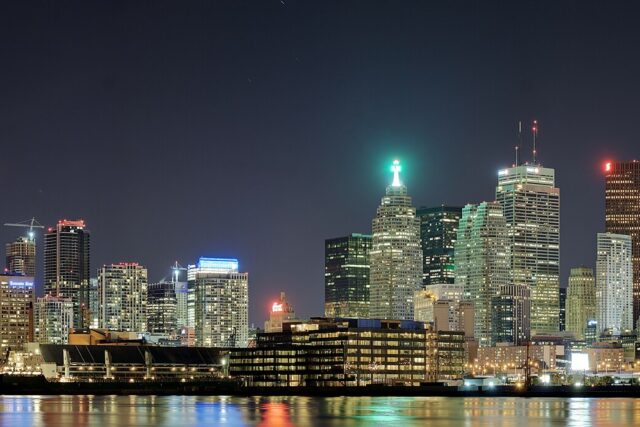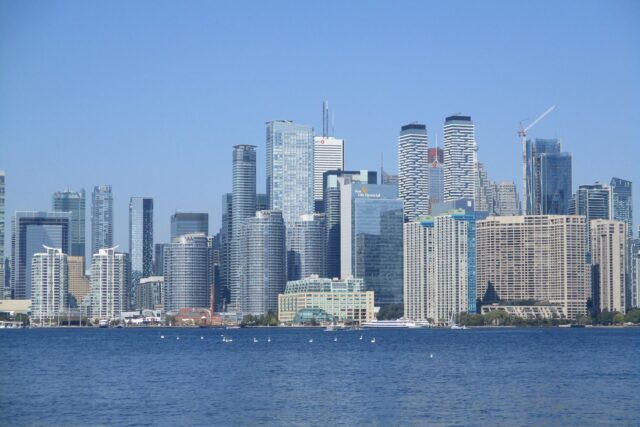
What to pack for Toronto depends entirely on which Toronto you’re visiting — January Toronto is a different world from July Toronto, with temperature swings of 50°C between extremes and weather that can change 15°C within a single day. The city sits at 43.7° N latitude (similar to Vermont and northern Italy) but is moderated by Lake Ontario, which delays both freezing and warming by several weeks. This guide walks through exactly what to pack for Toronto by season — including temperature ranges, layering strategy, the specific clothing items that locals consider essential, and the cultural details (no, you don’t need a parka in May; yes, you do need a real winter coat in February). By the end, you’ll have a packing list that fits a carry-on for a long-weekend visit and accounts for Toronto’s variable weather.
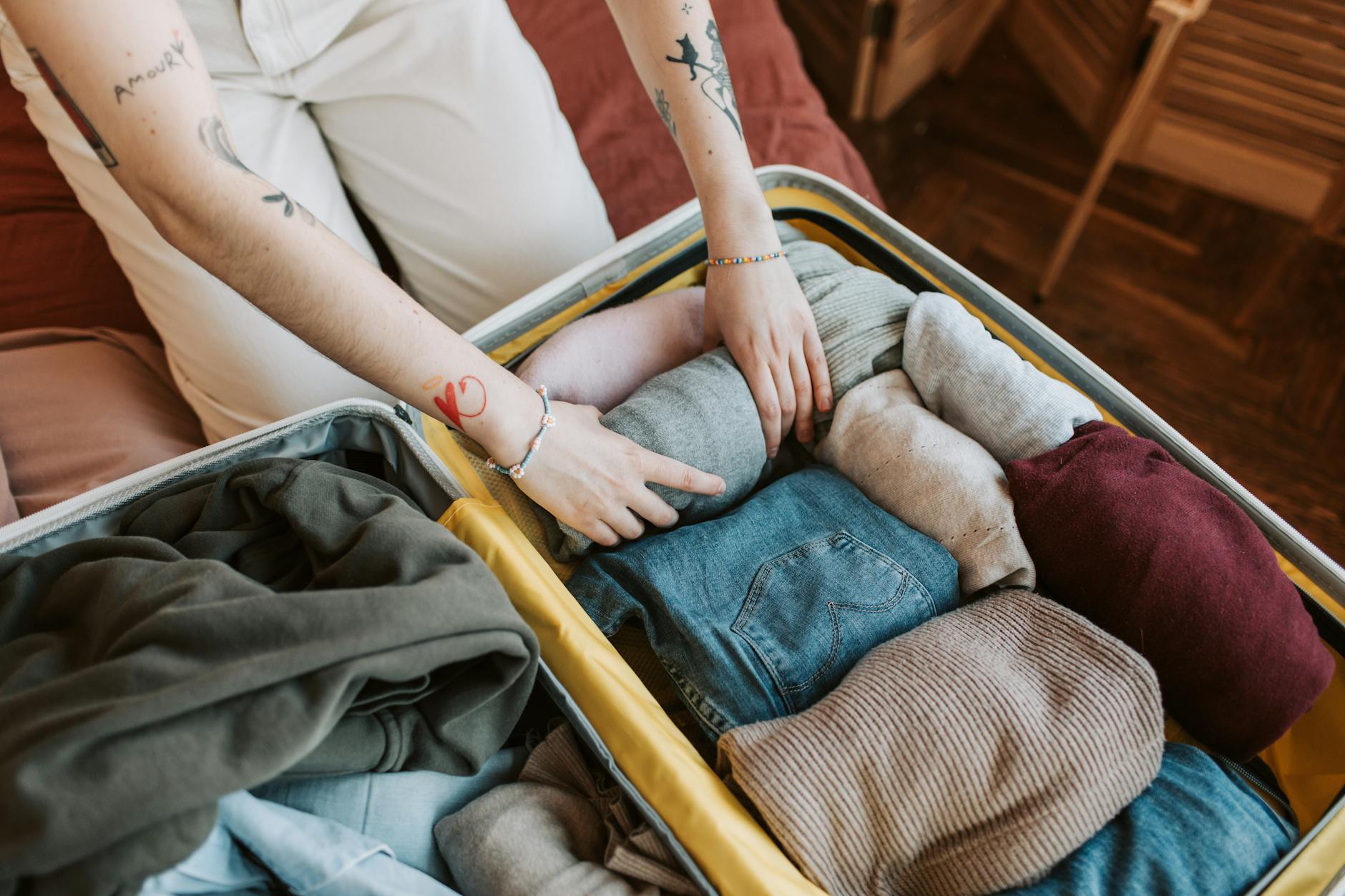
What to pack for Toronto: the seasonal cheat sheet
| Season | Avg high °C / °F | Avg low °C / °F | Key items |
|---|---|---|---|
| Winter (Dec–Feb) | 0 to -2 / 32 to 28 | -7 to -10 / 19 to 14 | Insulated parka, waterproof boots, toque, gloves, thermal layers |
| Spring (Mar–May) | 2 to 18 / 36 to 64 | -3 to 9 / 27 to 48 | Layers: light coat, sweater, rain jacket, umbrella |
| Summer (Jun–Aug) | 23 to 27 / 73 to 81 | 13 to 18 / 55 to 64 | T-shirts, shorts, sundress, light cardigan, swimsuit, sunglasses |
| Fall (Sep–Nov) | 20 to 8 / 68 to 46 | 11 to 0 / 52 to 32 | Layers: medium jacket, scarf, sweater, light boots |
What to pack for Toronto: winter (December–February)
Toronto winters are colder than you probably think — average January high is -1°C (30°F), with multiple deep-freeze days each year hitting -20°C (-4°F) before wind chill. Wind off Lake Ontario adds a 5–10°C cooling effect when the lake is frozen.
Essential winter items
Insulated parka rated to -20°C or colder — A serious winter coat is the single most important Toronto winter item. Canada Goose, Quartz Co., Moose Knuckles, Mackage, and the more affordable Nobis or Helly Hansen are all common locally. If you don’t own one, layering a wool overcoat over a fleece works in mild winters but suffers below -10°C.
Waterproof winter boots — Sorel, Pajar, Baffin, and Sorel are favourites. Look for a rubber-shell bottom and waterproof leather upper, with a 200g+ insulation rating. Slippery sidewalk traction is essential — rubber soles with deep tread.
Wool or thermal base layer — Merino wool tops and bottoms (Smartwool, Icebreaker) are the ideal base layer. Synthetic alternatives are cheaper but less odour-resistant for multi-day wear.
Mid-layer fleece or down vest — Polartec fleece, lightweight down vest, or wool sweater. Adds warmth without bulk under the parka.
Insulated mittens (warmer than gloves) — Mittens win against gloves on cold days. Pack a pair of thin liner gloves (touchscreen-compatible) to wear underneath when you need phone access.
Toque (winter beanie) — Toronto loses heat from the head fast. Wool or fleece toque with ear coverage.
Wool scarf / buff — Wraps the neck and lower face on windy days.
Wool socks — Smartwool or Darn Tough — never cotton in winter.
Hand warmers (HotHands or similar) — Disposable air-activated heat packs for outdoor activities like ice skating, tobogganing, or extended outdoor walks.
What NOT to pack for Toronto winter
Cotton hoodies (worse than nothing when wet), regular sneakers (slippery on ice), a “puffer” coat without a hood (need head/neck protection), short coats that end at the waist (cold air gets to lower back).
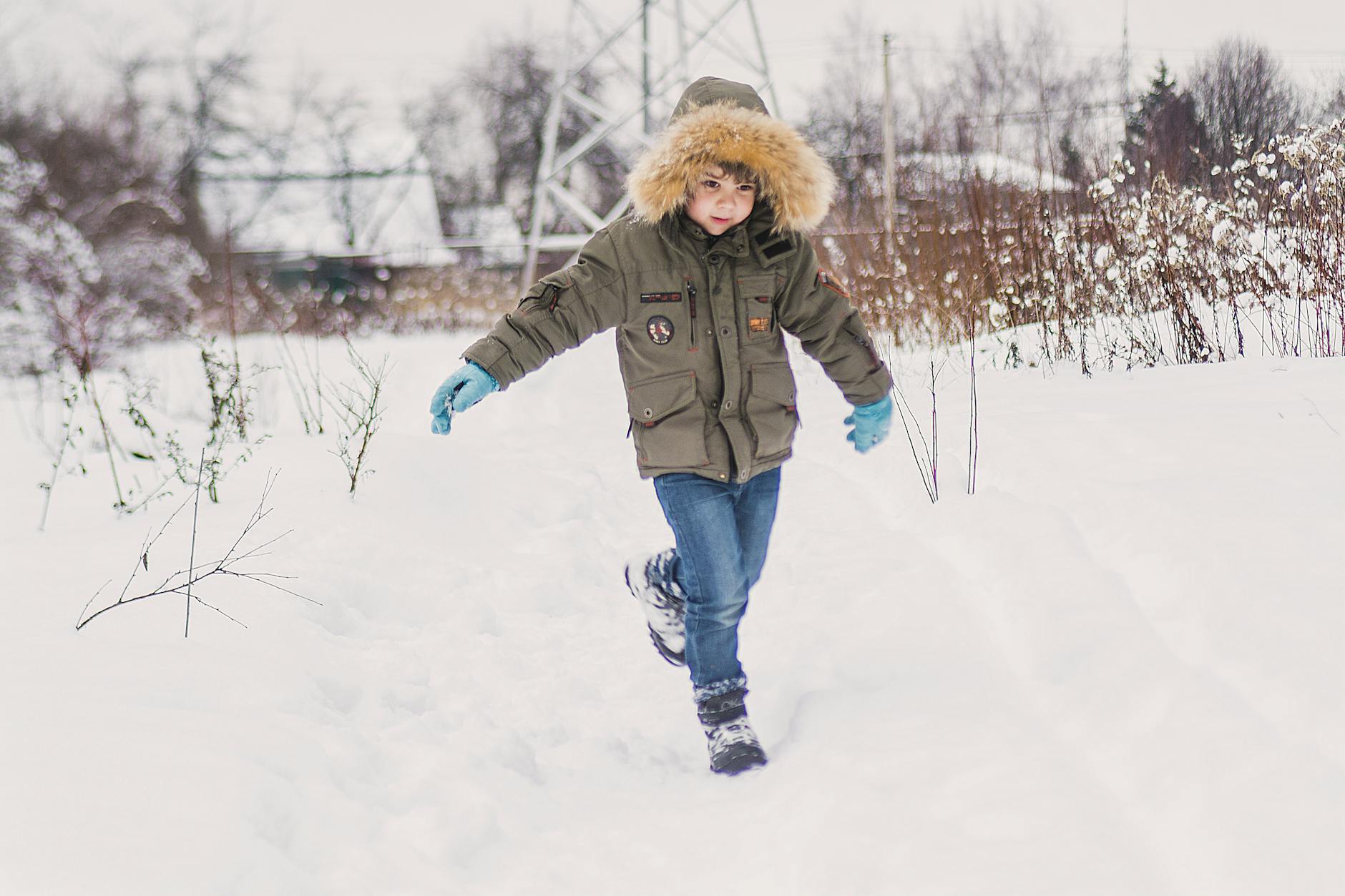
What to pack for Toronto: spring (March–May)
Spring in Toronto is the most variable season — March averages -1°C to 4°C (30–39°F), April climbs to 5°C to 12°C (41–54°F), and May reaches 11°C to 18°C (52–64°F). Snow can fall as late as mid-April; warm 20°C days happen as early as March. Layering is essential.
Essential spring items
Light or medium-weight jacket — A trench coat, denim jacket, or insulated mid-layer (Patagonia Nano Puff or similar). Often pulled on and off multiple times in a day.
Sweater or hoodie — Wool or merino works best for the temperature swings.
Long-sleeve t-shirts and short-sleeves layered — Tank top + long-sleeve + sweater is the classic spring layering combo.
Pants and dark jeans — Avoid white in early spring (the salt residue on sidewalks and the inevitable mud).
Rain jacket and compact umbrella — Spring rain is frequent. Patagonia Torrentshell or any waterproof shell.
Closed-toe walking shoes — Sneakers are fine; avoid canvas in March/April when sidewalks are still salty.
Light scarf and beanie for early spring — Late March and early April mornings still feel like winter.
What to pack for Toronto: summer (June–August)
Toronto summer is warm and humid — average July high is 27°C (81°F), with humidex frequently feeling like 35°C+ (95°F+). Lake Ontario keeps the lakefront 3–5°C cooler than the inland areas. Thunderstorms common in July and August.
Essential summer items
Lightweight breathable t-shirts and tops — Cotton, linen, or merino-blend. Pack 1 per day plus 1 spare.
Shorts and lightweight pants — Linen pants, chinos, or shorts. Tailored shorts work for most Toronto restaurants.
Sundresses and light skirts — Toronto’s summer dress code is informal except at high-end restaurants.
Comfortable walking shoes / sandals — You’ll walk a lot. Sneakers, espadrilles, or sport sandals (Chacos, Tevas).
Swimsuit — Toronto has 11 swimmable beaches plus most hotels have pools. See our Toronto beaches guide.
Light cardigan or shawl — Restaurant air-conditioning is brutal; lakefront evenings cool quickly.
Sun hat — UV index reaches 8–9 in July. Brimmed hat for sun protection.
Sunglasses — Bright sun reflecting off Lake Ontario.
Sunscreen (SPF 30+) — UV high May through September.
Bug spray — Mosquitoes are mild in downtown but heavy in the ravines and Toronto Islands. DEET-based or picaridin work best.
Light rain jacket / packable umbrella — Summer thunderstorms are sudden and intense.
Refillable water bottle — Toronto tap water is excellent; refill stations everywhere.
Smart-casual outfit for one nice dinner
If your Toronto trip includes a high-end restaurant or rooftop bar (Park Hyatt Roof Lounge, KOST, Casa Madera, BarChef), pack: men — a collared shirt, dark pants, dress shoes; women — a sundress or smart blouse with skirt or dress pants, dressy sandals or low heels. Many Toronto rooftop bars enforce smart-casual codes (see our rooftop bars Toronto guide).

What to pack for Toronto: fall (September–November)
Fall in Toronto is the best season — September averages 14°C to 22°C (57–72°F), October 7°C to 14°C (45–57°F), and November 3°C to 8°C (37–46°F). The fall foliage peaks in mid-to-late October; October 15-25 is typically perfect.
Essential fall items
Medium-weight jacket — Trench coat, leather jacket, lined denim, or quilted vest.
Sweater or knitwear — Cashmere, merino, or chunky wool. The single most-used fall item.
Long-sleeve t-shirts and Henleys — Layer under sweaters and blazers.
Jeans, chinos, or wool trousers — Versatile across temperature swings.
Closed-toe boots or sneakers — Walking weather. Boots become essential by November.
Light scarf — Wool, cashmere, or cotton — the practical fall accessory.
Beanie or hat — Optional in October, essential by November.
Compact umbrella — November rain is frequent.
Light gloves — Optional in October, essential by November.
Other things to pack for Toronto (any season)
Tech
Power adapter: Canada uses Type A/B outlets at 120V — same as the U.S. Visitors from Europe, Asia, and elsewhere need a Type B adapter.
Phone charger and cable.
Battery pack: Toronto winter cold drains phone batteries fast; a 10,000+ mAh battery pack is useful.
Headphones for the TTC commute and flights.
Documents and money
Passport (required for U.S. visitors and all international visitors).
ESTA / eTA visa documentation if required for your country.
Travel insurance documents.
Credit card with no foreign transaction fees — most Toronto businesses accept cards including most food trucks.
Some Canadian cash — $100–$200 CAD for tipping and the few cash-only spots (Kensington Market shops, food trucks).
Health
Prescription medications in original bottles.
Basic first aid — band-aids, ibuprofen, antacid, melatonin (for jet lag).
Reusable mask for crowded indoor spaces if desired.
Personal
Toiletries: Most Toronto hotels provide shampoo, conditioner, body wash, and lotion — but bring your own if you have specific needs. Toothbrush, toothpaste, deodorant, hairbrush.
Sunscreen: Year-round in Toronto — even winter sun off snow can burn.
Lip balm: Toronto winter is dry; chapped lips are a real risk.
Hand cream: Same — winter dryness affects hands fast.
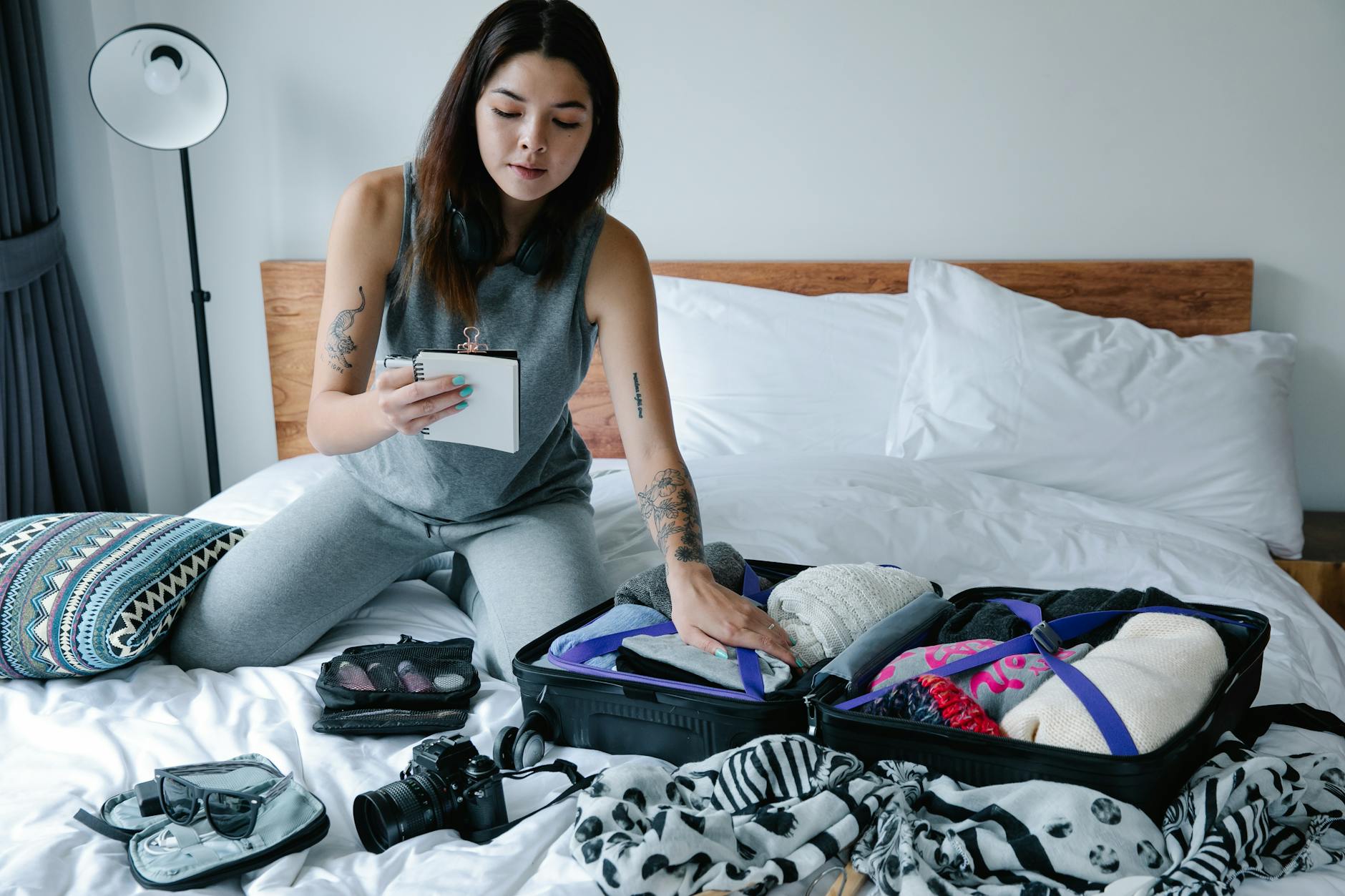
Carry-on packing strategy for Toronto
Long-weekend (3–4 days) carry-on
For a long-weekend Toronto trip, fit everything into a 22″×14″×9″ carry-on:
- 3–4 t-shirts/tops
- 1–2 pairs pants + 1 pair shorts (summer) or 1 pair jeans + 1 dressy pant (winter)
- 1 sweater or fleece (always)
- 1 dressy outfit for one nice dinner
- 3–4 days of underwear + socks
- 1 lightweight jacket (or wear bulky parka on plane in winter)
- Comfortable walking shoes (worn) + 1 dressy/lighter pair
- Toiletries in 100ml/3oz bottles (TSA / CATSA compliant)
- Phone, charger, battery, headphones
- Documents pouch
Week+ trip checked bag
For a longer Toronto trip, double the clothing items above and add: 1 swimsuit (always), 1 dressier outfit (especially for theatre or fine dining), seasonal extras (winter parka boots in winter; second swimsuit and beach gear in summer).
Packing for December is its own problem, because the month changes under you. The first week can be mild enough for a warm coat and gloves; by Christmas you want insulated, waterproof boots with real grip for salted, refrozen sidewalks. See Toronto in December for what the weather actually does and what is on while you are here.
More Toronto trip planning
Packing is the last step; for everything that comes before it, see our guide to planning a trip to Toronto. Pair this packing guide with the rest of Toronto trip planning: Toronto trip costs, which Toronto neighbourhood to stay in, airport to downtown Toronto, riding the TTC, the full list of Toronto activities, and our seasonal guides: ice skating Toronto, Toronto beaches, and Toronto’s best parks.
What to pack for Toronto comes down to layering — Toronto’s weather changes fast and across a single day, so flexibility beats specialization. Pack one layer warmer than you think you need, and you’ll be comfortable.