Drive out of Toronto on the QEW on a Saturday morning in late September and you can watch the landscape change its mind. Big-box retail gives way to the Burlington Skyway, the Skyway gives way to the fruit belt below the Escarpment, and by the time you turn off toward the lake the shoulders are lined with roadside stands selling peaches that were on the tree that morning. Ninety minutes and change after leaving Union Station you are on a street of clapboard shopfronts and hanging flower baskets, and the wine you are about to taste was grown in soil you can see from the tasting-room window. That short, unglamorous drive is the whole appeal of Niagara-on-the-Lake from Toronto: it is the closest thing the city has to a proper wine region, and you do not need to give up a weekend to reach it.
This guide covers how to get there with a car and — more usefully, because most visitors do not have one — how to get there without one, what a wine tour actually includes and what it costs, which wineries reward a stop, what else the town holds beyond the tasting bars, when to go, and where the whole thing stops being worth the money. Prices were checked in September 2026 and are in Canadian dollars; treat them as the right order of magnitude rather than a quote, because tour operators reprice by season and wineries change their tasting menus more often than they update their websites.
At a Glance: What a Day in Niagara-on-the-Lake Costs
Two people, one day, returning to Toronto the same night. The gap between the cheapest and the dearest version of this trip is wide enough that it is worth deciding which one you are doing before you book anything.
| Approach | Rough cost for two | Time door to door | Best for |
|---|---|---|---|
| GO train + WEGO shuttle, tastings paid individually | $120–$180 | 2h 15m each way | No car, no rush, flexible |
| Rental car, three tastings, lunch | $200–$280 | 1h 45m each way | Groups of three or four |
| Group minibus wine tour from Toronto | $350–$500 | Full day, 9–11 hours | First-timers who want zero logistics |
| Private driver or small-group tour | $600–$1,000+ | Flexible, usually 8 hours | Special occasions, four to six people |
| Cycling the wine route (bike rental in town) | $150–$220 | Add transit time | Summer, moderate drinkers |
None of those figures include the wine you will inevitably carry home, which for most people turns out to be the largest single line of the day. Budget another $60–$150 a couple for bottles and you will be closer to the truth. Our wider Toronto travel budget guide puts a day like this in context against the rest of a trip.
Where Niagara-on-the-Lake Actually Is
The single most common mistake visitors make is assuming Niagara-on-the-Lake and Niagara Falls are the same place, or at least walking distance apart. They are not. The Falls sit at the top of the gorge; Niagara-on-the-Lake sits about 20 kilometres downriver, where the Niagara empties into Lake Ontario, a 25-minute drive north through vineyards and fruit orchards. The two places share a river and almost nothing else. The Falls is a casino-and-waterpark town built around a natural spectacle. Niagara-on-the-Lake is a preserved nineteenth-century village with a professional repertory theatre company and roughly thirty wineries inside its municipal boundary.
The town’s history explains its looks. Founded as Newark, it served as the first capital of Upper Canada from 1792 to 1796 before the seat of government moved to York, which later became Toronto. American forces burned it in December 1813 during the War of 1812, and the streets you walk today are largely the rebuild — which is why so much of the housing stock reads as a single coherent period rather than as a jumble of centuries.
Geography also explains the wine. The Niagara Escarpment traps warm air and Lake Ontario moderates the winters, giving the peninsula a growing season that has no business existing at this latitude. Within Niagara-on-the-Lake the VQA recognises four sub-appellations — Niagara Lakeshore, Niagara River, Four Mile Creek and St. David’s Bench — each with its own soils and exposure. You do not need to memorise any of that, but it is worth knowing that a pour of Riesling from the Lakeshore and one from the Bench will taste genuinely different, and that a good tasting-room host will explain why without being asked twice.
How to Get to Niagara-on-the-Lake from Toronto
By car
Roughly 130 kilometres from downtown, and the honest answer on driving time is “between 90 minutes and two and a half hours, depending entirely on the QEW”. Leaving Toronto before 9am on a weekend is fine. Leaving at 11am on a long weekend in August is a slow, hot mistake. Coming home, the eastbound QEW between Grimsby and Burlington backs up on Sunday afternoons with reliable misery — either leave by 3pm, or plan to eat dinner in Niagara and drive back at eight.
The route is simple: Gardiner Expressway west, QEW toward Niagara, over the Burlington Skyway, then either the Glendale Avenue exit or on to Niagara Stone Road and north. That last stretch through the vineyards is genuinely pretty. If you are picking up a car for the day, our guide to renting a car in Toronto covers the downtown depots, the toll situation on Highway 407 and why a weekend rental often costs less than three weekdays.
Parking in town is paid on and around Queen Street in season, free at essentially every winery, and free but limited at Fort George. On a summer Saturday, arrive at the Queen Street lots before 11am or accept a five-minute walk in from a side street.
By GO train and the WEGO shuttle — the car-free route
This is the option that changed recently, and the one most older articles get wrong. GO Transit runs year-round weekend train service between Union Station and Niagara Falls, plus one weekday round trip. Using PRESTO, the weekday fare between Union and Niagara Falls is $19.80 each way ($22.30 without a PRESTO card), and on weekends you can buy a $10 day pass covering unlimited travel on a Saturday, Sunday or holiday, or a $15 pass covering the full weekend. Children 12 and under travel free on GO.
From Niagara Falls station, the connection is the WEGO bus. A GO+WEGO combo ticket costs $22 for an adult and bundles the train with an unlimited WEGO day pass — and since 6 April 2026 that combo has included the extended WEGO shuttle service running to Niagara-on-the-Lake from April through October. That is the missing link that used to make this town effectively car-dependent from Toronto. Between April and October you can leave Union in the morning, be on Queen Street by early afternoon and be home the same night for roughly the price of a decent lunch.
The catch is worth stating plainly: outside the April-to-October shuttle season, getting from Niagara Falls to Niagara-on-the-Lake on public transport becomes a slow regional bus proposition, and in the depths of winter it is genuinely awkward. If you are visiting in January for icewine, budget for a taxi, a rideshare or a tour. Our getting around Toronto guide explains PRESTO, which is the same card you tap on the GO train.
On a guided tour from Toronto
Dozens of operators run day trips out of downtown Toronto that combine three or four wineries with lunch and, often, a stop at the Falls. Expect somewhere in the range of $175–$250 per person for a full-day group tour including tasting fees, with HST, booking fees and the driver’s gratuity typically quoted separately — read the small print, because a $189 tour can land at $230 once those are added. Pickup is usually between 8am and 9am from a handful of downtown hotels, and you are back around 6pm to 8pm.
What you are buying is the removal of every decision: no driving, no designated-driver argument, no working out which winery is on the way to which. What you are giving up is time. A group of forty takes twenty minutes to get off a bus, and a tasting that would take you forty minutes takes ninety. If the point of your day is the wine, a smaller operator is worth the premium. If the point is a pleasant outing with friends and someone else driving, the big bus is fine. Our roundup of the best tours in Toronto covers how the city’s tour market is structured more generally.
By intercity coach
Coach services run Toronto to Niagara Falls several times daily and are usually the cheapest way to cover the distance, but they land you in the Falls, not in Niagara-on-the-Lake, and the onward connection is the same WEGO-or-taxi problem described above. Worth considering if the Falls is genuinely half your day. Not worth it if the town is your destination.
| Method | Cost per person | Journey time | Verdict |
|---|---|---|---|
| GO train + WEGO combo | $22 combo | ~2h to the Falls, plus shuttle | Best value April–October |
| Rental car (day rate and fuel, split two ways) | $50–$90 | 1h 45m | Best flexibility, worst for drinking |
| Group wine tour | $175–$250 plus extras | Full day | Zero effort, least time at each stop |
| Private tour or driver | $300–$500 | Flexible | Worth it split four ways |
| Intercity coach | $25–$45 | ~2h to the Falls | Only if the Falls is the real target |
Wine Tours: What You Actually Get
Group minibus tours
The standard product is three wineries, five to six hours, tasting fees included, with lunch often an upgrade. Groups run from twelve to twenty-four people. Quality varies enormously by guide: a good one has real relationships with the tasting-room staff and gets you pours that are not on the standard flight, while a mediocre one reads the same script at every stop. Reviews that mention a guide by name are a better signal than a star rating.
Private and small-group tours
For four to six people, a private driver often works out barely more expensive per head than the group option, and it transforms the day. You choose the wineries, you stay as long as you like, and if one tasting room turns out to be brilliant you can simply skip the third stop. Operators based in Niagara will collect you from a Niagara-on-the-Lake or Niagara Falls hotel; Toronto pickup adds three hours of driving to the day and a corresponding amount to the bill.
Self-drive with a designated driver
The cheapest good version of this day. One person drives and tastes nothing — Ontario enforces impaired driving hard, and the province’s warn range starts well below the criminal limit, so “just a few sips” is not a plan. Most wineries will happily pour a non-alcoholic option or waive the fee for a driver, and several keep juice, cider or proper coffee on the menu for exactly this reason. Split the tasting fees, buy the driver lunch, and everybody comes out ahead.
Cycling the wine route
Between roughly May and October this is the most enjoyable way to do it, and it is flat. Rental shops in town rent by the day, several wineries have racks and one or two have proper bike parking with a repair stand. The Niagara River Recreation Trail is a paved 56-kilometre route running from Niagara-on-the-Lake all the way south to Fort Erie, and the first few kilometres alongside the river are as good as cycling gets in Ontario. Two things to know: you are still legally responsible for your blood alcohol on a bicycle, and shipping or collecting bottles is easier than carrying six of them in a pannier — most wineries will hold a purchase for later pickup if you ask.
What tastings cost
A flight of three or four wines generally sits somewhere between the mid-teens and the mid-thirties per person, with the upper end covering reserve pours, guided seated tastings and anything involving icewine. Many wineries credit the fee against a bottle purchase, some do not, and a few of the busiest now require reservations on summer weekends. Check the winery’s own site the week before you go — this is the single most volatile number in the whole day, and the one blogs get wrong most often. Tipping in a tasting room is not obligatory the way it is in a restaurant, though a few dollars for a host who has genuinely taught you something is well received; our Toronto tipping guide covers the Ontario norms.
The Wineries Worth Your Three Stops
You will realistically manage three, four if you are efficient and skip a long lunch. Trying to do five is how a wine day turns into a driving day. A sensible structure is one large estate for the theatre of it, one mid-sized producer for the wine, and one small family operation for the conversation.
The big estates
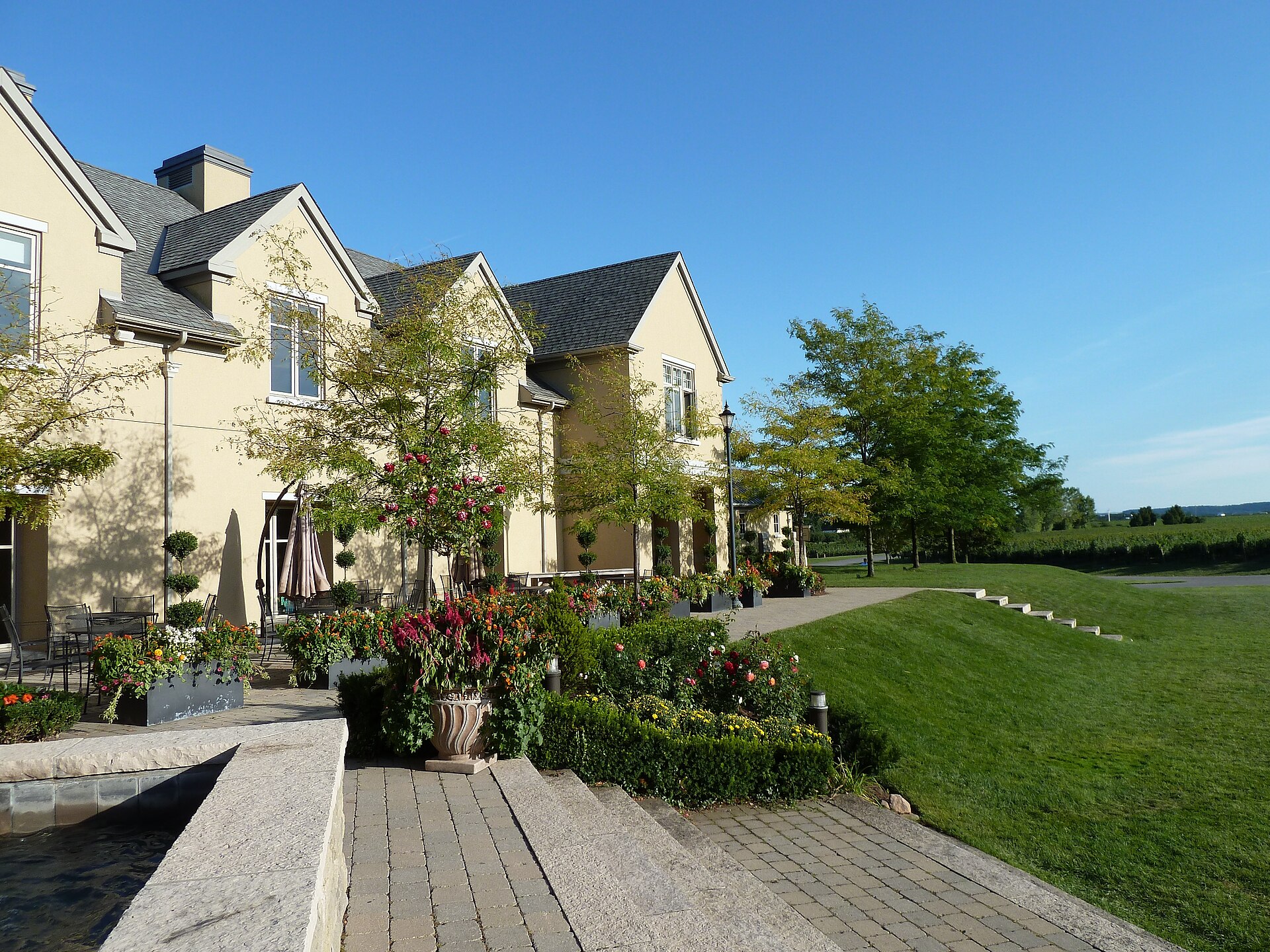
- Peller Estates — a full destination winery on the Lakeshore, with a restaurant, extensive gardens and a well-known ice lounge where you taste icewine at sub-zero temperatures in a supplied parka. Touristy in the best sense, and an excellent first stop.
- Trius — large, polished, strong on traditional-method sparkling wine, with a restaurant that regularly outperforms its winery-restaurant genre.
- Jackson-Triggs — the modern barn-like winery on Niagara Stone Road, notable for the outdoor amphitheatre that hosts a summer concert series in the vineyard.
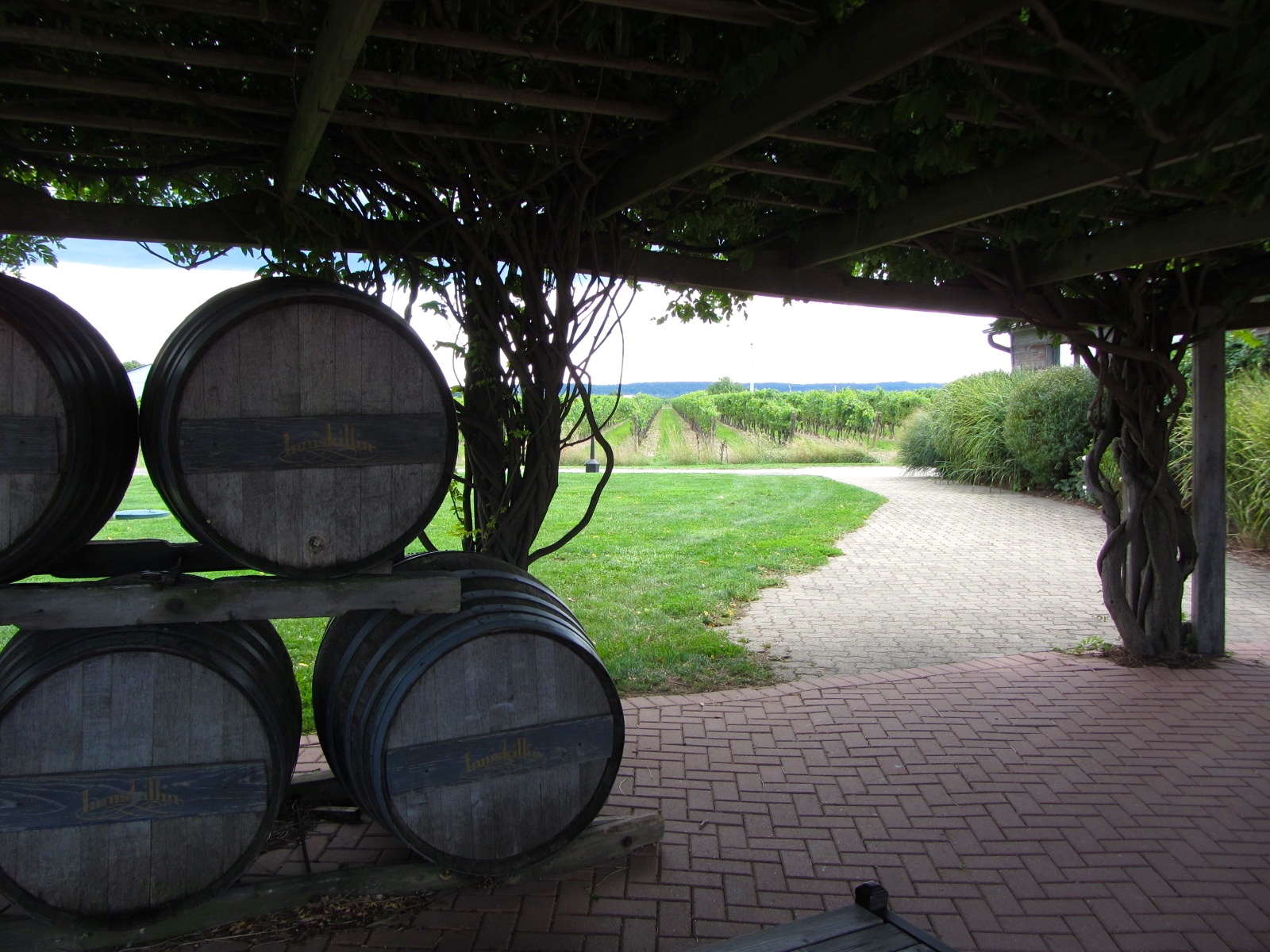
- Inniskillin — the historic one. Its 1989 Vidal Icewine won the Grand Prix d’Honneur at Vinexpo in 1991 and effectively created the export market for Canadian icewine. The site itself, with its barrel-lined courtyard, is lovely.
Mid-sized and family producers
- Two Sisters Vineyards — a grand Tuscan-styled building, serious reds, and a restaurant that takes bookings well in advance.
- Ravine Vineyard Estate Winery — on the St. David’s Bench, organic-certified, with a bakery and a farm-to-table kitchen that plenty of locals rate as the best food in the region.
- Stratus — architecturally striking, gravity-flow winemaking, assemblage-focused wines, and a tasting aimed at people who want to talk about winemaking rather than take photographs.
- Château des Charmes — family-run since the 1970s, on Four Mile Creek, and one of the region’s most consistent producers of Chardonnay and Cabernet Franc.
- Konzelmann Estate — right on the lake, and unusual among Niagara wineries in having vines that run down toward the shoreline.
- Small Talk, Between the Lines, Riverview Cellars and Marynissen — the smaller family operations where you are as likely to be poured by the owner as by a staff member. This is where the day usually gets good.
What to actually drink
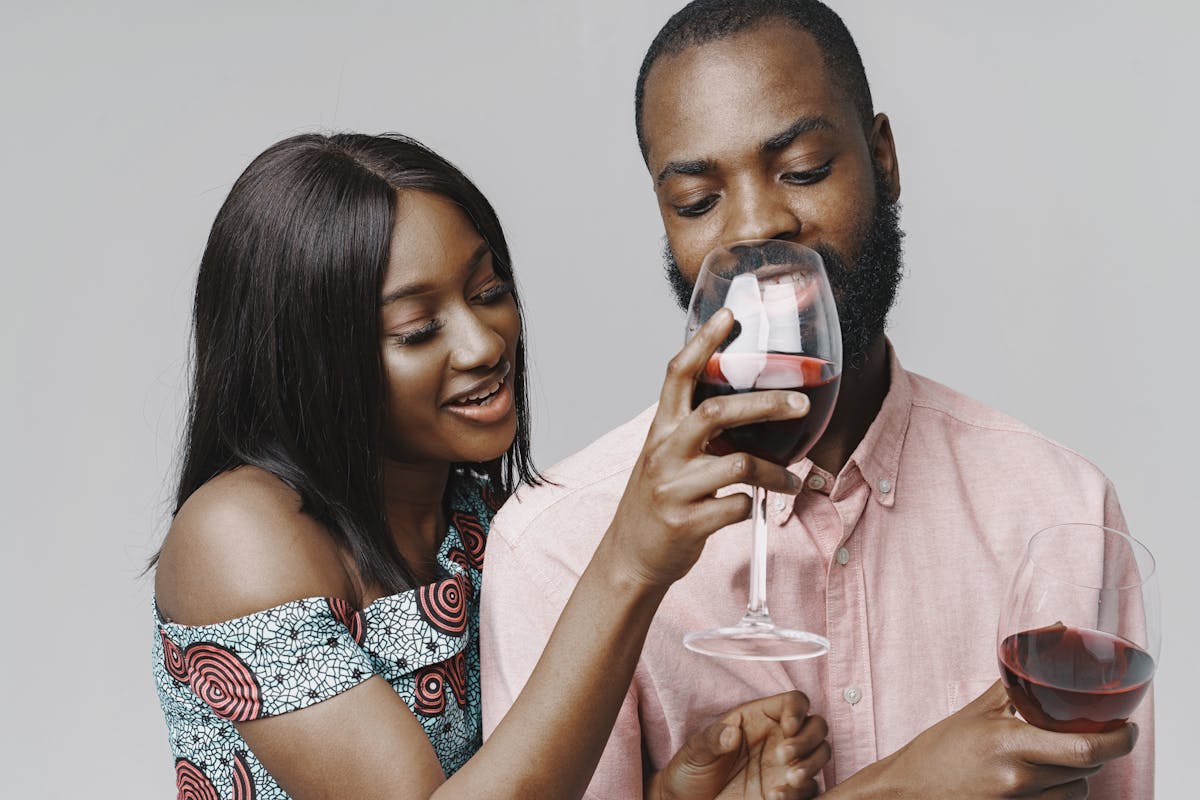
Niagara does four things unusually well. Riesling, dry to off-dry, with the acid the cool climate gives it. Chardonnay, especially the unoaked and lightly oaked styles that have quietly become the region’s most underrated wine. Cabernet Franc, which ripens here far better than Cabernet Sauvignon and produces the peninsula’s most distinctive red. And icewine, made from grapes left on the vine and pressed while naturally frozen — under VQA rules, harvested at −8°C or colder. Icewine is expensive and intense, and best bought in a half bottle unless you are already certain you love it.
If you want a benchmark, ask for a traditional-method brut. Several Niagara producers make sparkling wine that stands up honestly against entry-level Champagne at half the price, and it is the category most first-time visitors leave without having tried.
Beyond the Wine: The Town Itself
Queen Street
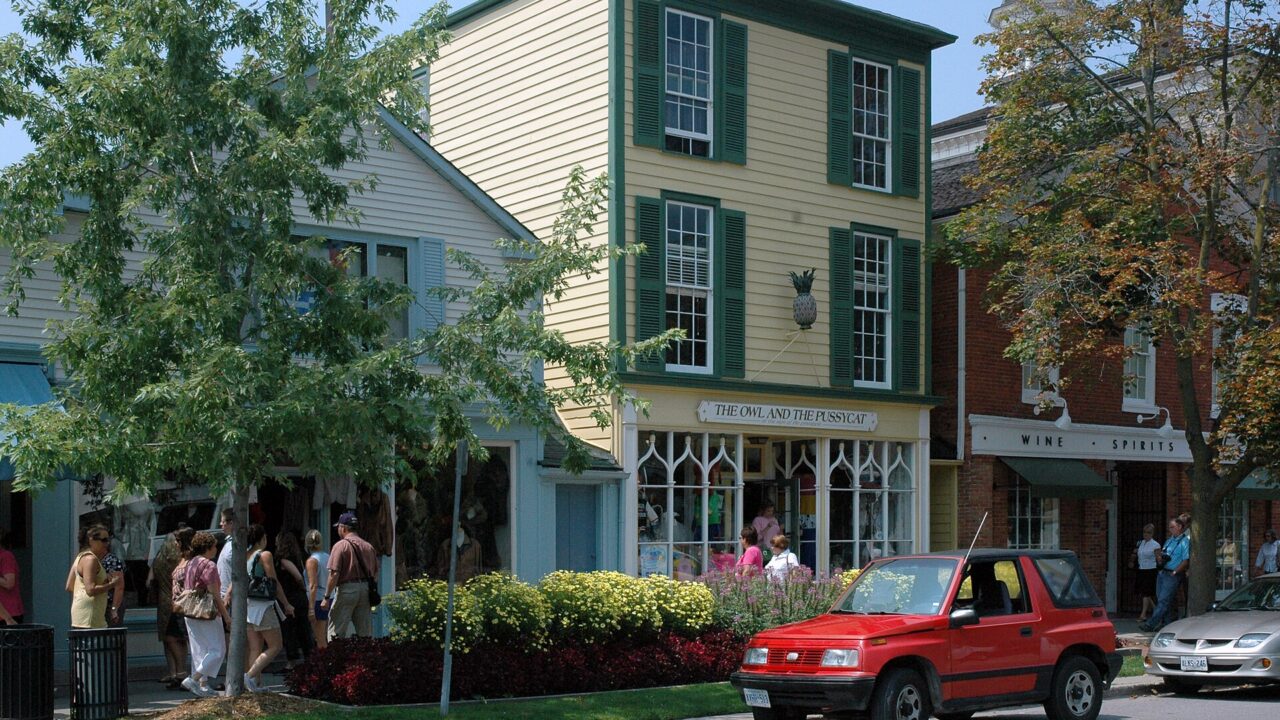
Five blocks of restored nineteenth-century shopfronts, hanging baskets that the town takes very seriously, and an apothecary museum that is exactly as small and as charming as it sounds. It is unashamedly a tourist street — fudge, jam, Christmas ornaments in July — but the architecture is genuine and the walk is pleasant. Give it an hour, buy the peach preserves, and do not expect to be surprised.
The Shaw Festival
The reason many Torontonians come without caring about wine at all. The Shaw Festival is a professional repertory company performing across several venues in town — the Festival Theatre, the Royal George, the Court House Theatre and the Jackie Maxwell Studio Theatre. The 2026 season runs from 2 April to 23 December, with the main season through early October and a holiday season from early November. The 2026 playbill includes Funny Girl, Amadeus, Sleuth, Heartbreak House, Jeeves & Wooster in Perfect Nonsense, The Wind in the Willows, One for the Pot and Ohio State Murders, with Rodgers + Hammerstein’s Cinderella and A Year with Frog and Toad over the holidays.
Ticket prices vary by production, seat and date, so book directly rather than trusting a number you read somewhere else. A matinee plus two wineries is the classic combined day and it works — but it means committing to a schedule, which is the opposite of what most people want from a wine trip. If theatre is the priority, our guide to Toronto theatre and shows covers what you can see without leaving the city.
Fort George and the history
Fort George National Historic Site is a reconstructed British fort from the War of 1812, staffed in summer by costumed interpreters doing musket and artillery demonstrations. It is genuinely good with children of roughly six to twelve and genuinely dull for teenagers. The grounds are pleasant to walk even when the buildings are closed, and the adjacent Commons is open parkland. Opening days narrow considerably outside summer, so check before you build a day around it.
The Niagara Parkway and the river
The road running along the Niagara River from the town toward Queenston and the Falls is the prettiest half-hour of driving in southern Ontario, with the river on one side and orchards on the other. Stop at Queenston Heights for the view over the gorge, or walk a stretch of the recreation trail. If you have made a full day of it and still want more, the Escarpment continues west toward Hamilton — our Hamilton waterfalls day trip covers what the same rock formation does an hour in the other direction.
When to Go
| Season | What it’s like | Worth it? |
|---|---|---|
| May–June | Vines leafing out, patios open, town not yet full | Quietly the best time |
| July–August | Peak crowds, peak heat, peach season, Shaw in full swing | Book everything ahead |
| September–October | Harvest, fall colour, crush underway at the wineries | The classic choice |
| November–March | Quiet, cheap, icewine season, reduced hours at some wineries | Good if you plan carefully |
Harvest is the one time of year the wineries are visibly working. From roughly the middle of September through October you will see picking crews in the rows and smell fermentation around the crush pads, and the tasting-room staff are that much more animated because the whole year’s result is being decided that week. It is also when the peninsula is at its most beautiful, which our Toronto in fall guide covers alongside the rest of the region’s autumn.
January brings the icewine harvest, and a handful of wineries build a festival around it, but the practical reality is short days, cold vineyards and awkward transit. Go in winter if you specifically want icewine and you have a car. Our best time to visit Toronto guide sets the seasons out for the wider trip.
Where to Eat
The town punches well above its size, largely because the wineries recruit seriously for their kitchens. Winery restaurants — the ones at Ravine, Trius, Peller and Two Sisters among others — take bookings weeks ahead in summer and serve the best food in the area, generally in the $45–$90 per person range before wine. In town, Queen Street runs to pubs, bakeries and a couple of good bistros at more modest prices, and the bakery counter at a winery is often a better lunch than the sit-down option if you are trying to fit three stops into a day.
Two honest cautions. First, several restaurants in town price for a captive audience of theatregoers with a curtain to catch, and the value is not always there. Second, book. A summer Saturday with no reservation means a long wait or a mediocre sandwich, and there is no third option.
Combining It with Niagara Falls
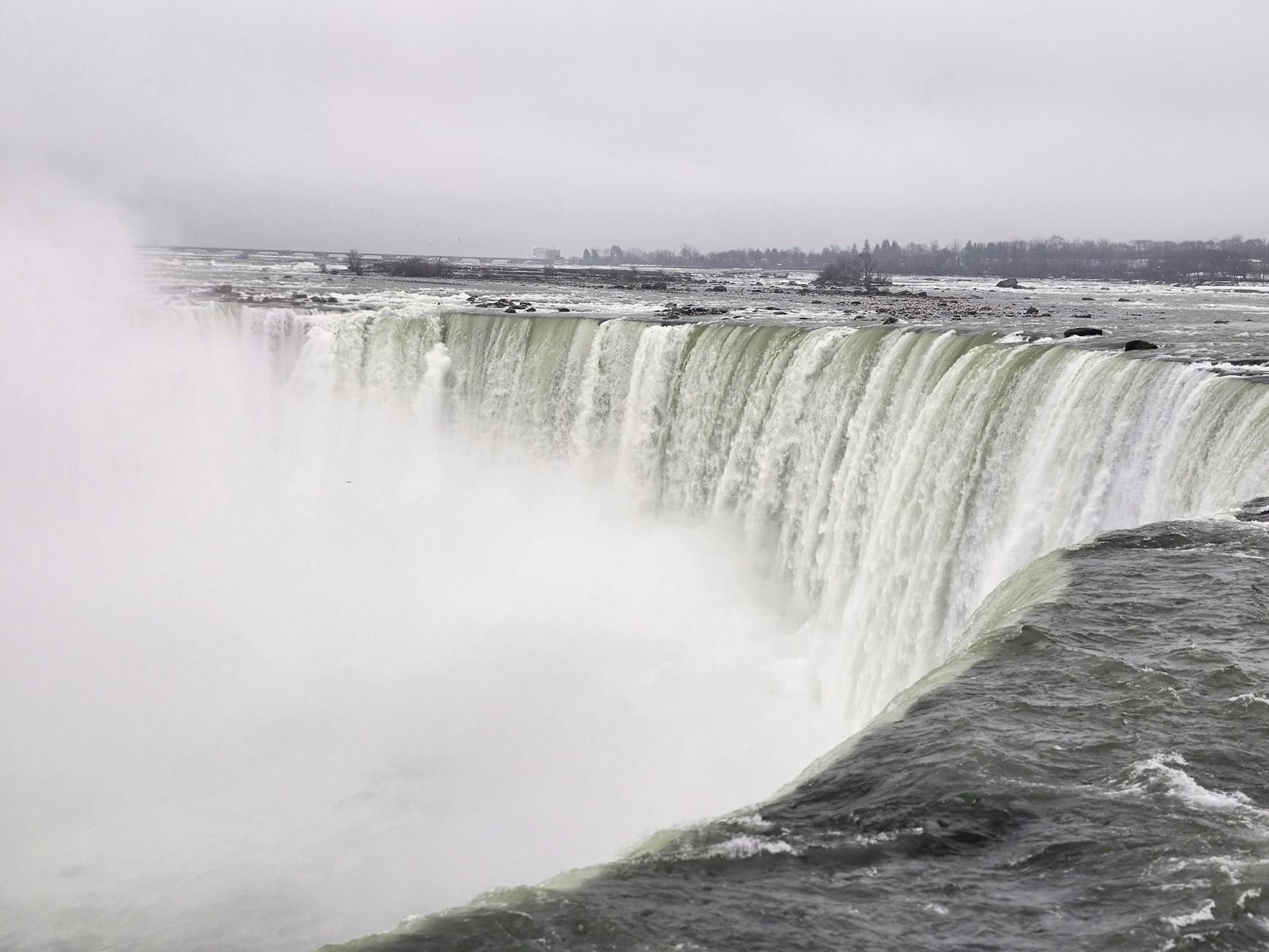
Most tours bundle the two, and if this is your only trip to the region, bundling makes sense. But be clear-eyed about it: doing both properly is a twelve-hour day, and the version that fits into a standard tour gives you roughly ninety minutes at the Falls, which is enough to look at the water and not much else. If the Falls is your main event, do it as its own trip — our Niagara Falls day trip from Toronto guide covers the boat tours, the tunnels behind the falls and how to avoid the worst of Clifton Hill.
The better combination, if you have a car and a whole day, is the Falls first thing in the morning while the viewing areas are still empty, then the Niagara Parkway north to the wineries, then dinner in Niagara-on-the-Lake and a drive home once the eastbound QEW has cleared. That sequence works. The reverse does not, because you will not want to fight the Falls crowds at three in the afternoon with two tastings behind you.
What Is Not Worth It
The house rule here is to say when something disappoints, and a few things on this trip do.
- The big-bus tour that promises five wineries. Five stops in a day means twenty minutes of actual tasting at each and a great deal of car park. Three is the honest maximum.
- Booking a Toronto tour when you are already staying in Niagara. Toronto-pickup tours add three hours of highway to your day and a substantial premium. If you have a Niagara hotel, book a Niagara-based operator.
- Buying icewine at the first winery you visit. It is expensive, styles vary a lot between producers, and you will taste better ones later in the day. Buy on the way out, not on the way in.
- The horse-and-carriage ride down Queen Street, unless the novelty is genuinely the point for someone in your group. It is a short loop at a high price.
- Trying to do the town as a half-day. With two hours of travel each way, a half-day gives you one winery and a rushed lunch. Either commit to the full day or pick something closer from our day trips from Toronto roundup.
- Assuming you can wing a summer Saturday. Restaurant tables, the better tasting experiences and Shaw tickets all sell out. Spontaneity is a shoulder-season luxury here.
Two Sample Days
With a car
- 8:00am — Leave downtown Toronto. QEW west before the traffic builds.
- 9:45am — Arrive in Niagara-on-the-Lake. Coffee and a walk down Queen Street while the shops are still quiet.
- 11:00am — First winery, one of the big estates. Take the tour if there is one; the morning is when your palate works.
- 12:30pm — Lunch at a winery restaurant, or the bakery counter at Ravine.
- 2:00pm — Second winery, mid-sized, tasting only.
- 3:30pm — Third winery, small and family-run. Buy here.
- 5:00pm — Drive the Niagara Parkway south to Queenston Heights for the gorge view.
- 6:30pm — Dinner in town, then home after 8pm with the QEW behaving.
Without a car, April to October
- 8:30am — GO train from Union Station toward Niagara Falls on a combo ticket.
- 10:30am — Arrive Niagara Falls. Connect to the WEGO shuttle for Niagara-on-the-Lake.
- 11:45am — Queen Street, lunch, and a wander around Fort George or the Commons.
- 1:30pm — Rent a bicycle in town and ride out to two wineries on the flat roads north of Niagara Stone Road.
- 4:30pm — Return the bike; one final tasting within walking distance of the town centre.
- 6:00pm — Shuttle back to the Falls, GO train home, into Union around 9pm.
Practical Tips
- Book experiences, not just tastings. The seated and guided options sell out on weekends; the walk-up bar rarely does.
- Ontario’s legal drinking age is 19, and tasting rooms do check identification.
- HST is 13% in Ontario, generally included in shelf prices at wineries but added to restaurant bills.
- Ask about shipping. Most wineries will ship within Canada and several will ship to the United States, which beats carrying a case through an airport.
- Eat before the first tasting. Flights are small but they add up, and plenty of visitors have a worse afternoon than they planned because they skipped breakfast.
- Take a jumper even in August. The lake keeps evenings cooler than Toronto, and the icewine lounges are, by design, freezing. Our Toronto weather guide covers what the region does month by month.
- Mobile signal is fine; winery Wi-Fi is not — download your route before you leave the highway.
- If you love this, look at Prince Edward County. Smaller, stranger, further east, and increasingly the wine region Ontarians talk about. Our Prince Edward County day trip guide has the details.
Frequently Asked Questions
How far is Niagara-on-the-Lake from Toronto?
About 130 kilometres, or roughly 90 minutes to two hours by car depending on traffic on the QEW. By public transport it is a two-hour GO train to Niagara Falls plus a shuttle or bus connection north to the town.
Can you get there without a car?
Yes, and it became considerably easier in 2026. Take the GO train to Niagara Falls and connect to the WEGO shuttle, which since 6 April 2026 has run to Niagara-on-the-Lake between April and October and is included in the $22 GO+WEGO combo ticket. Outside that season the connection is a slower regional bus, a taxi or a tour.
Is Niagara-on-the-Lake the same as Niagara Falls?
No. They are separate towns about 20 kilometres apart, roughly 25 minutes by car. The Falls has the waterfall, the casinos and Clifton Hill; Niagara-on-the-Lake has the wineries, the Shaw Festival and the historic streetscape.
How much does a wine tour from Toronto cost?
A full-day group minibus tour typically runs $175–$250 per person including tasting fees, with HST, booking fees and gratuity often quoted on top. Private tours start around $300 per person for smaller groups. Doing it yourself with a rental car and paid tastings costs roughly $100–$140 per person for two people.
How many wineries can you visit in a day?
Three comfortably, four if you are disciplined and skip a long lunch. Anything beyond that turns the day into a series of car parks.
Do you need to book tastings in advance?
For a standard tasting-bar flight on a weekday, usually not. For weekends between June and October, for seated or guided experiences, and for anything involving a restaurant, yes — book at least a week ahead, and further for the popular estates.
What is the best time of year to visit?
Mid-September through October for harvest, colour and atmosphere. Late May and June for the same wineries with a fraction of the crowd. Winter is quiet and cheap but transit-awkward, and some wineries cut their hours.
Is it worth visiting if you don’t drink?
It is, with the right expectations. The Shaw Festival, Fort George, the river trail and the Queen Street streetscape all stand on their own, and several wineries make non-alcoholic options or produce juice and cider. But the town’s centre of gravity is wine, and a full day built around avoiding it will feel like a slightly odd fit.
Can you cycle between the wineries?
Yes, and it is one of the best ways to do it between May and October. The terrain is flat, several rental shops operate in town, and the Niagara River Recreation Trail runs 56 paved kilometres south from the town. Remember that impaired cycling is still an offence.
Is it a good day trip with children?
Reasonable, with the right expectations. Fort George works well for younger children, the river trail and the Commons give them room to run, and the town has ice cream on every second block. Tasting rooms vary in how welcoming they are to children, so ask when you book, and consider a day where the wine is one stop rather than three.
For many visitors, Niagara-on-the-Lake is a better overnight base than Niagara Falls itself: quieter, prettier, with the Shaw Festival and far better restaurants, and the falls only about 25 minutes’ drive away. Our comparison of whether to stay in Toronto or Niagara Falls explains when each base makes sense.
Related Toronto Guides
- Niagara Falls Day Trip from Toronto — the boat tours, the tunnels and how to handle Clifton Hill.
- Best Day Trips from Toronto — everything within a two-hour radius, ranked honestly.
- Renting a Car in Toronto — depots, tolls and whether you actually need one.
- Toronto in Fall — colour, harvest season and what the city does in October.
- Prince Edward County Day Trip — Ontario’s other wine region, two hours east.
- Best Tours in Toronto — how the city’s tour market works and which operators are worth it.
- Romantic Things to Do in Toronto — if this is the anniversary trip.
- Stratford Day Trip from Toronto — the other Ontario theatre town.
Photo Credits
Queen Street, Niagara-on-the-Lake: 12-20 Queen Street, Niagara-on-the-Lake, 2007 by DimiTalen, CC0, via Wikimedia Commons.
Peller Estates and its vineyard: Facing the vineyards, a lovely afternoon at Peller Estates, Vineyards Tour (6184370206) by Deb Nystrom from Ann Arbor, Michigan, USA, CC BY 2.0, via Wikimedia Commons.
Barrels and vines at Inniskillin: Inniskillin Casks with Vineyard (10156915945) by Richie Diesterheft from Chicago, IL, USA, CC BY-SA 2.0, via Wikimedia Commons.