Indigenous experiences Toronto begin with acknowledgment: Toronto sits on Treaty 13 land — the traditional territory of the Mississaugas of the Credit First Nation, the Anishinaabe, the Haudenosaunee, the Wendat, and other Indigenous nations whose presence here predates European arrival by 12,000+ years. The city is home to one of Canada’s largest urban Indigenous populations (roughly 70,000), and a growing constellation of Indigenous-owned businesses, galleries, restaurants, cultural centres, and tour experiences offer authentic ways for visitors to engage with Indigenous Toronto. This guide walks through the most meaningful Indigenous experiences Toronto offers — from the Native Canadian Centre’s cultural programming to the First Story Toronto walking tours to the must-visit Spirit Wrestler Gallery and the rapidly emerging Indigenous restaurant scene at NishDish, Tea-N-Bannock, and Pow Wow Cafe.
Land acknowledgment and context
Toronto’s land has been continuously inhabited for over 12,000 years. The name “Toronto” derives from the Mohawk word “Tkaronto,” meaning “where there are trees standing in the water.” The city sits on Treaty 13 (the Toronto Purchase, 1787, with subsequent revisions), traditional territory of the Mississaugas of the Credit First Nation, the Haudenosaunee Confederacy, the Anishinaabe (Ojibwe), and the Wendat. Today, more than 70,000 Indigenous people live in the GTA, including First Nations, Métis, and Inuit individuals.
Engaging with Indigenous experiences Toronto means doing so respectfully — supporting Indigenous-owned-and-operated businesses, listening to Indigenous voices on Indigenous topics, and recognizing the history of colonialism and the ongoing reconciliation work happening in Canada.
Native Canadian Centre of Toronto
The Native Canadian Centre of Toronto (16 Spadina Rd) is the longest-running urban Indigenous community organization in Canada — established in 1962. The centre houses the Spirit Lodge ceremony space, the Cedar Basket Gift Shop, language and cultural programming, and the Aboriginal Drop-In Centre.
What to do at the Native Canadian Centre
Cultural events: Open to the public — drum circles (Tuesdays 6:30pm), elder-led teaching circles, language programs, traditional cooking classes. See ncct.on.ca for the schedule.
Cedar Basket Gift Shop: Toronto’s longest-running Indigenous-owned gift shop — beadwork, Indigenous-made art, books, music. Exclusively Indigenous makers.
Drop-in services: Open to community members; respectful visitor presence at public programming is welcome.
Galleries showcasing Indigenous experiences Toronto
Spirit Wrestler Gallery
Spirit Wrestler (130 Spadina) is Toronto’s foremost Inuit and Northwest Coast art gallery. Established in Vancouver in 1995 and expanded to Toronto, the gallery represents major Inuit artists and Northwest Coast carvers. Free admission.
Bay of Spirits Gallery
Bay of Spirits (156 Front St W, just east of CN Tower) features Indigenous art from across Canada with a focus on West Coast and Inuit artists. Free admission.
Maracle Gallery
Maracle Gallery (online and pop-up) represents emerging contemporary Indigenous artists. Watch their site for pop-up locations.
The McMichael Canadian Art Collection (Kleinburg, day trip)
While not in Toronto proper (45 minutes north in Kleinburg), the McMichael holds Canada’s most important collection of First Nations and Inuit art alongside its famous Group of Seven holdings. Worth a day trip.
The Royal Ontario Museum’s Indigenous Galleries
The ROM houses one of the world’s most-comprehensive Indigenous artifact collections — Daphne Cockwell Hall of Canada’s First Peoples is the dedicated gallery, redesigned 2017 in collaboration with Indigenous communities.
The Art Gallery of Ontario’s Indigenous and Canadian Art
The AGO has a strong Indigenous art program — Norval Morrisseau, Daphne Odjig, Carl Beam, and contemporary artists like Kent Monkman. Free Wednesdays 6–9pm.
Indigenous walking tours
First Story Toronto
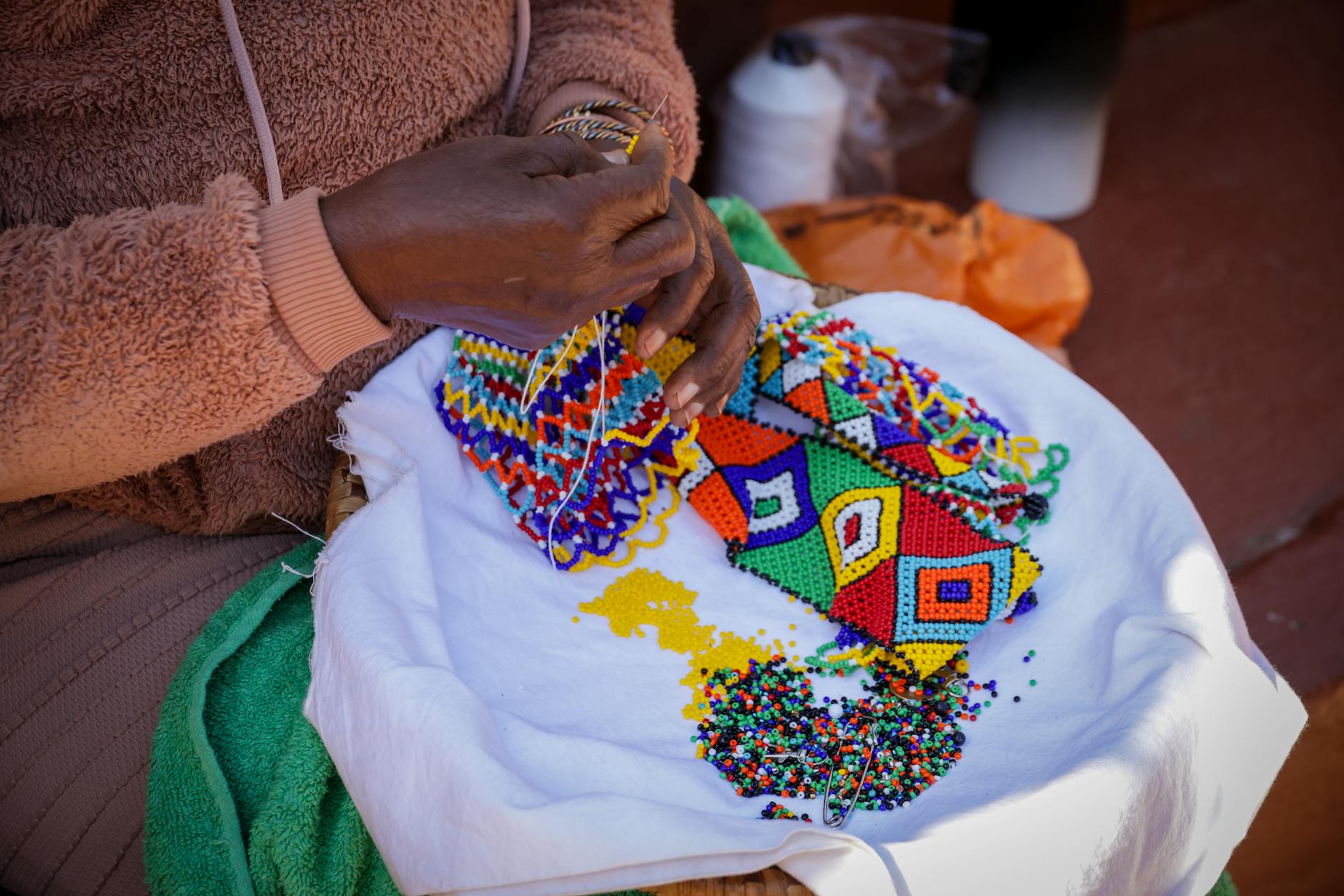
First Story Toronto offers free Indigenous walking tours of downtown Toronto led by Indigenous guides. The tours explore Indigenous history at sites like the original village of Teiaiagon, the Toronto Purchase signing location, and modern Indigenous community spaces. Free; reservations through the First Story Toronto app.
Indigenous Walks Toronto
Indigenous Walks Toronto offers paid guided walking tours focused on Indigenous history and contemporary Indigenous Toronto. Tours run 90 minutes; $30 per person. indigenouswalkstoronto.ca
The Toronto Indigenous History Tour (Heritage Toronto)
Heritage Toronto runs occasional walking tours focused on Indigenous Toronto history; check their seasonal calendar.
Indigenous restaurants and food experiences
NishDish
NishDish (690 Bloor W, the Annex) is Canada’s first urban Indigenous restaurant, opened by Anishinaabe chef Johl Whiteduck Ringuette. The menu features traditional ingredients (corn, beans, squash, wild rice, bison, venison, bannock) prepared in contemporary forms. Try the bison stew or the wild rice bowl. $20–$28 per main.
Tea-N-Bannock
Tea-N-Bannock (1294 Gerrard E) is an Indigenous-owned restaurant and tea house in the Beaches area, run by Anishinaabe chef Cynthia. Bannock-based menu items, traditional teas, lunch service. $12–$20 per dish.
Pow Wow Cafe
Pow Wow Cafe (213 Augusta Ave, Kensington Market) is a small Indigenous-owned café serving bannock-based dishes — bannock taco, bannock burger, fry bread. $10–$18 per dish.
Kūkŭm Kitchen
Kūkŭm Kitchen (581 Mt Pleasant Rd) is Indigenous fine-dining run by Cree chef Joseph Shawana. Tasting menu format with seasonal ingredients sourced from Indigenous suppliers. $90–$150 tasting menu.
Indigenous events and festivals
Indigenous Fashion Week Toronto (May)
Indigenous Fashion Week Toronto is the world’s largest Indigenous fashion event, held annually in May at the Daniels Spectrum. Designer runway shows, marketplace, public events.
imagineNATIVE Film + Media Arts Festival (October)
imagineNATIVE is the world’s largest Indigenous film festival, held annually in October at TIFF Bell Lightbox and partner venues. Six days of Indigenous-made films, panels, and events.
National Indigenous Peoples Day (June 21)
June 21 is National Indigenous Peoples Day in Canada — Toronto hosts free programming at Yonge-Dundas Square, the Native Canadian Centre, and Harbourfront Centre. Drum performances, dance demonstrations, food vendors.
Pow Wow at Toronto Pow Wow Festival (annual, fall)
The annual Toronto Pow Wow at the Aga Khan Museum and other rotating venues — traditional dance, drumming, regalia, and Indigenous artisan vendors.
Indigenous-owned businesses
Beyond restaurants and galleries, Toronto’s Indigenous-owned business sector includes:
Indigenous Tourism Ontario — the provincial body promoting Indigenous tourism experiences. Their website maintains a comprehensive list of Indigenous-owned tourism operators.
Métis Nation of Ontario — runs cultural programming and the Métis Nation of Ontario Cultural Centre.
Indigenous Sports Toronto — organizes traditional Indigenous sports demonstrations and games.
Spirit and Roots Apothecary — Indigenous-owned natural beauty and wellness brand.
Manitobah Mukluks — Indigenous-owned Canadian footwear brand with retail presence in Toronto.
Sites of Indigenous historical significance in Toronto
Toronto Islands
The Toronto Islands were a major Mississauga gathering and trading site for centuries before European arrival. Anishinaabe and Mississauga people used the islands for fishing and ceremonial purposes.
Davenport Road
Davenport Road follows the original Anishinaabe and Mississauga trail along the ancient Lake Iroquois shoreline. Walking it is walking ancient Indigenous infrastructure.
Bead Hill (within Rouge National Urban Park)
The Bead Hill site within Rouge National Urban Park is a designated National Historic Site of Canada — an Indigenous archaeological site dating back at least 5,000 years.
Toronto Carrying Place Trail
The Toronto Carrying Place Trail (the original Indigenous portage route between Lake Ontario and Lake Simcoe) ran from the mouth of the Humber River north — much of present-day Highway 27/Weston Road follows the original trail.
Practical tips for Indigenous experiences Toronto
Respectful engagement
Indigenous experiences Toronto are best approached with respectful curiosity. Listen more than you ask; let Indigenous voices lead. Photography at ceremonies is generally not permitted unless explicitly invited. Sacred items should not be touched without permission.
Where to learn more
Anyone planning a deeper engagement with Indigenous experiences Toronto should read the Truth and Reconciliation Commission’s Calls to Action and consider books like Thomas King’s “The Inconvenient Indian” and Tanya Talaga’s “Seven Fallen Feathers.”
Supporting Indigenous businesses
The most meaningful way to engage as a tourist is to spend money at Indigenous-owned businesses — galleries, restaurants, tour operators, retailers. Verify ownership through Indigenous Tourism Ontario or the businesses’ own websites.
Cultural appropriation considerations
Avoid buying “Native-style” knockoffs from non-Indigenous tourist shops. Authentic Indigenous-made items typically display the artist’s name and First Nation. Look for the “Authentic Indigenous Arts” certification or the Truth in Authenticity label.
More Toronto culture to explore
Indigenous programming runs through many of the institutions in our arts and culture in Toronto guide. Pair Indigenous experiences Toronto with the rest of cultural Toronto: art galleries Toronto, AGO, ROM, the Aga Khan Museum and gardens, Rouge National Urban Park (Bead Hill site), Distillery District, Toronto souvenirs, and things to do in Toronto.
Indigenous experiences Toronto offer some of the most meaningful cultural learning available to any visitor — start at the Native Canadian Centre, follow with a First Story walking tour, eat at NishDish, and you’ll leave Toronto with a deeper understanding of the land you walked.