Somewhere past Kingston, about two and a half hours into the trip, the Highway 401 traffic on the other side of the fence starts to thin out and the St Lawrence River shows up on the right-hand side of the train. That’s roughly when most people in the carriage close their laptops. The Toronto to Montreal train isn’t fast by European standards, and it’s rarely the cheapest option. What it is, reliably, is the most pleasant way to get between Canada’s two biggest cities: downtown to downtown, no airport security, a table, Wi-Fi, and five hours of Ontario and Quebec going past the window.
This guide covers the VIA Rail service in detail: fares and classes, how to book cheaply, which side to sit on, what Union Station and Montréal’s Gare Centrale are like, and how the train stacks up against flying, driving and the bus. The second half is a two-day Montreal weekend built around arriving by train, with no car needed at any point. Fares and transit prices were checked in September 2026. Rail fares move with demand, so treat them as the right order of magnitude rather than a quote. Prices are in Canadian dollars.
Toronto to Montreal by Train at a Glance
| Detail | What to expect |
|---|---|
| Operator | VIA Rail Canada |
| Stations | Toronto Union Station → Montréal Gare Centrale (Central Station) |
| Journey time | Around five hours; check the exact timing of your departure |
| Frequency | About 40 departures a week, so five or six on a typical day |
| Economy fare | From $78 one way, before tax |
| Business fare | From $184 one way, before tax |
| On board | Free Wi-Fi and power outlets in Economy; lounge access and a meal in Business |
| Distance | Roughly 540 km |
| Time difference | None — both cities are on Eastern Time |
The “from” fares are exactly that. They’re the lowest price for the least popular departures, booked well ahead, and they carry the most restrictions. A Friday afternoon train booked the week before will cost a good deal more. More on how to get close to the low end below.
The Service: What You’re Actually Getting
The Toronto–Montréal run is the busiest route on VIA Rail’s Québec City–Windsor corridor, the stretch of southern Ontario and Quebec where most Canadians live. VIA runs around 40 trains a week in each direction, spread from early morning to early evening, so you have real choice of departure time on most days.
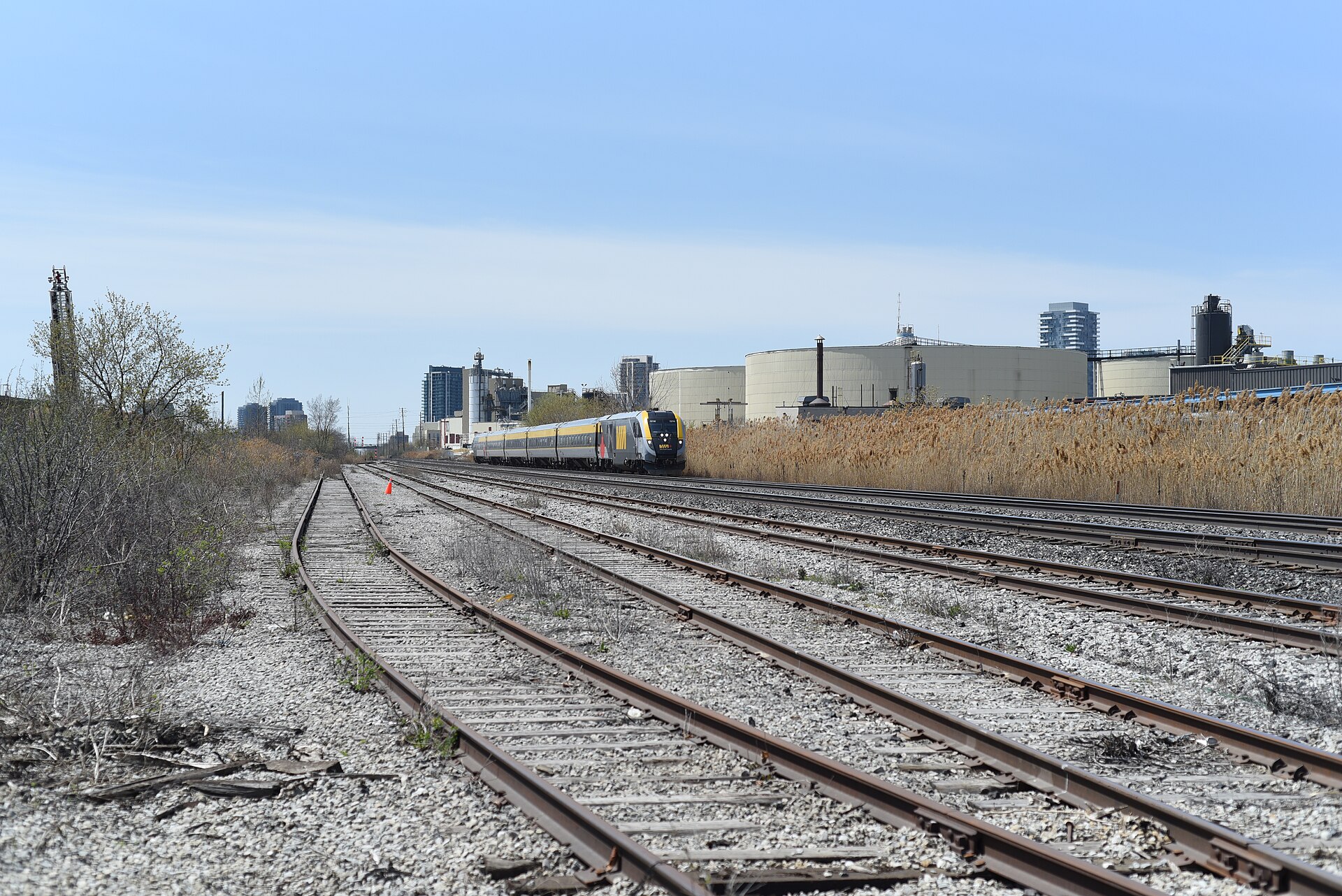
The new trains
Over the past few years VIA has been replacing its ageing corridor fleet with new Siemens-built trainsets, and you’re increasingly likely to find yourself on one. They’re quieter and brighter than the old stock, with better accessibility, more power outlets and larger windows. On some departures you may still get older equipment. The journey is the same either way, but the new trains are noticeably nicer to spend five hours on.
Journey time and stops
Most trains take around five hours from Union to Gare Centrale, with some departures quicker and others slower depending on the number of stops. Trains call at a selection of stations along the way, which can include Kingston, Brockville, Cornwall and Dorval (for Montréal-Trudeau airport). The line isn’t dedicated high-speed track, and trains share it with freight, so delays of fifteen or twenty minutes aren’t unusual. Build that into anything you have booked on arrival.
An honest point here: the train isn’t faster than flying if you only count time in motion. It wins on total door-to-door time for many trips, and it wins comfortably on how the time feels. You can work, eat, read or sleep for the whole journey, rather than losing the day to fragments of security queue, boarding gate and taxi.
Economy vs Business Class
| Economy | Business | |
|---|---|---|
| Fares from | $78 one way | $184 one way |
| Seating | Two-and-two, with tables for groups of three or four | Wider, more ergonomic seats with more legroom |
| Wi-Fi and power | Yes | Yes |
| Food | Snacks and drinks to buy from the trolley or café service | Meal and drinks served at your seat |
| Station lounge | No | Yes, in the business lounges |
| Best for | Most leisure trips | Work trips, special occasions, or when the fare gap is small |
Is Business Class worth it?
At the headline prices — $78 against $184 — no, not for most leisure travellers. Economy on the Toronto–Montréal run is genuinely comfortable, with the same Wi-Fi and power as Business and plenty of legroom by airline standards. Five hours in an Economy seat isn’t a hardship.
The calculation changes when you’re booking late. Economy fares rise sharply as a train fills, while Business sometimes doesn’t rise as fast, and there are days when the gap narrows to $40 or $50. At that point, a meal, a drink, a quieter carriage and lounge access at both ends start to look like good value. Always check both classes before you buy.
How to Book Cheaply
- Book early. This is the biggest single factor. The lowest fares on a given train are limited, and they go first.
- Travel mid-week and mid-day. Friday afternoon and Sunday afternoon trains are the most expensive, because that’s when everyone else is travelling. A Tuesday or Wednesday late-morning departure is often much cheaper.
- Understand the restrictions. The cheapest fares are the least flexible: changes cost more and refunds may not be available. If your plans might shift, paying a bit more for a flexible fare can be the cheaper choice overall.
- Book direct on viarail.ca. Third-party sites rarely beat VIA’s own prices, and dealing with changes is simpler when you booked with the operator.
- Look at VIA’s deals page. VIA runs periodic sales and discounts for youth, seniors and other groups, and frequent travellers can look at its multi-trip passes.
- Remember the tax. Advertised “from” fares are before sales tax, so the total at checkout is higher than the headline number.
Leaving from Toronto Union Station
VIA trains leave from Union Station, the grand Beaux-Arts station on Front Street at the foot of the Financial District. It’s also the hub for GO Transit, the UP Express from Pearson airport and TTC Line 1, so you can get there by subway from almost anywhere in the city. It’s open daily from 5:30am to 12:45am.
A few things that make the departure smoother:
- Arrive 30 to 45 minutes before departure. Boarding for VIA trains is called from the waiting area, and the platform opens shortly before departure. You don’t need to arrive airport-early, but you don’t want to be sprinting either.
- Don’t look for luggage lockers. Union Station doesn’t run its own left-luggage service. If you need to store bags before a late train, third-party services operate out of shops and hotels nearby for roughly $8–$10 a day per bag.
- Eat before you board. The food on the train is fine but limited, and Union has a large food court and market hall with far more choice.
Our Union Station guide covers the layout, the food and the connections in detail, and the TTC guide explains how to reach it from wherever you’re staying.
Which Side to Sit On
Heading east from Toronto to Montréal, sit on the right-hand side (south-facing) for the best views. Lake Ontario appears in flashes in the early part of the journey, and the St Lawrence River runs alongside the line for stretches beyond Kingston and Brockville. Coming back west to Toronto, the left-hand side has the water.
The honest caveat: much of the trip is farmland, small towns and the backs of industrial estates, and the lake views are intermittent rather than constant. It’s a pleasant ride, not a scenic railway. In autumn, though, when the trees along the St Lawrence turn, it’s genuinely beautiful for an hour or so.
Arriving at Montréal Gare Centrale
Gare Centrale sits right in the middle of downtown Montréal, underneath the Fairmont The Queen Elizabeth hotel. It’s connected to the city’s underground pedestrian network, known as RÉSO or the Underground City, and to Bonaventure métro station on the Orange line, so in bad weather you can reach a good number of hotels, malls and métro stations without going outside. If you know Toronto’s PATH network, the idea is the same, though Montréal’s version feels more integrated with its métro.
From the station:
- Old Montréal is a 15- to 20-minute walk downhill, or one métro stop to Square-Victoria–OACI or Place-d’Armes.
- The Plateau is a short métro ride north on the Orange line to Mont-Royal station.
- Downtown hotels around Peel, McGill and Ste-Catherine are mostly walkable.
Montréal’s métro is run by the STM. As of July 2026, a single trip is $3.50 and a 24-hour pass for all modes is $11.25. For a weekend of hopping between neighbourhoods, a pass tends to pay back by the third or fourth ride. The STM also sells multi-day and weekend passes. Check the current price on stm.info when you arrive, as they’re worth comparing against your plans.
Making the Most of Five Hours on Board
Five hours is long enough that a little preparation makes a real difference to how the trip feels.
Food and drink
Economy passengers can buy snacks, sandwiches, hot drinks, beer and wine on board, but the choice is limited and it’s priced the way you’d expect. There’s nothing stopping you bringing your own food, and most regulars do. A sandwich and a pastry from Union Station’s food hall, or a bag of bagels for the way home from Montréal, beats anything on the trolley. Bring a refillable water bottle as well.
Working on the train
The Wi-Fi is free and good enough for email and browsing, but it slows down in rural stretches between towns and isn’t reliable for video calls. If you need to get real work done, download files before you leave and treat the connection as a bonus. Grab a table seat when you book if you plan to use a laptop. Power outlets are at the seats, but a short extension or a charger with a longer cable helps on older equipment.
Travelling with children
The train is far easier than the car with young children: they can move around, go to the washroom whenever they need to and look out of the window, and you’re not stuck in traffic on the 401. Book a table of four if you can, bring more snacks and entertainment than you think you’ll need, and aim for a mid-morning departure so the journey doesn’t collide with nap time or dinner.
Luggage
You get considerably more luggage room on the train than on a budget flight, with overhead racks and space at the ends of the carriages for bigger cases. VIA publishes its exact allowances by fare type, so check yours before you pack. If you’re taking a bike or skis, look at the rules in advance, because space for them is limited and has to be reserved.
Train vs Plane vs Car vs Bus
| Option | Door-to-door time | Typical cost one way | Verdict |
|---|---|---|---|
| VIA Rail | Around 5.5–6 hours including getting to the station | From $78 Economy | The best all-round choice for most people |
| Flying from Billy Bishop | Around 3.5–4 hours if all goes well | Varies widely; often more than the train once bags are added | Fastest, if you’re near downtown and flights run on time |
| Flying from Pearson | Around 4.5–5 hours | Varies widely | Rarely worth it for this route unless connecting |
| Driving | Around 5.5–6 hours without traffic, often more | Fuel plus Montréal parking, which is expensive | Only if you need the car on the other end |
| Intercity bus | Typically 6–7 hours | Often the cheapest | Fine on a tight budget; less comfortable |
Flying
If you live or stay near downtown Toronto, flying from Billy Bishop airport on the Toronto Islands — reached by a 90-second ferry or a pedestrian tunnel — is the one air option that genuinely competes. Flights to Montréal-Trudeau are short. But YUL is well outside downtown Montréal, and you’ll need the 747 express bus ($11.25, which includes a 24-hour transit pass) or a taxi to get into the city. Add security, boarding, a delay or two and baggage fees, and the time saving over the train usually shrinks to an hour or so. From Pearson, the train almost always wins. Our Pearson airport guide explains why getting to and through Pearson takes as long as it does.
Driving
The drive is about 540 km, almost all on Highway 401 and then Autoroute 20 into Montréal. Without traffic it takes around five and a half hours; getting out of Toronto on a Friday afternoon can add an hour or more. The 401 is not a scenic road. Two things surprise drivers from Ontario: right turns on a red light are not allowed on the island of Montréal, and parking downtown is scarce and expensive, with hotel parking often adding a lot per night. Unless you’re planning to explore beyond the city — the Laurentians or the Eastern Townships, say — you won’t want a car in Montréal. If you do need one, the Toronto car rental guide covers what to watch for, including one-way fees if you’re thinking of driving one direction and taking the train back.
Bus
Intercity buses are usually the cheapest way to make the trip, and they drop you downtown. They’re also slower, less comfortable, and more affected by traffic on the 401. If saving money is the priority, they’re a reasonable option; for most people the train is worth the difference.
A Two-Day Montréal Weekend by Train
Montréal and Toronto are only five hours apart, but they feel like different countries. Montréal is older, more European in layout, more French in language and noticeably more relaxed about drinking wine on a Tuesday. A weekend is enough to get a real feel for it, especially if you take a morning train on Friday or Saturday. Here’s a plan that needs no car, with everything reachable on foot or by métro.
Day 1: Old Montréal, the Old Port and the Plateau
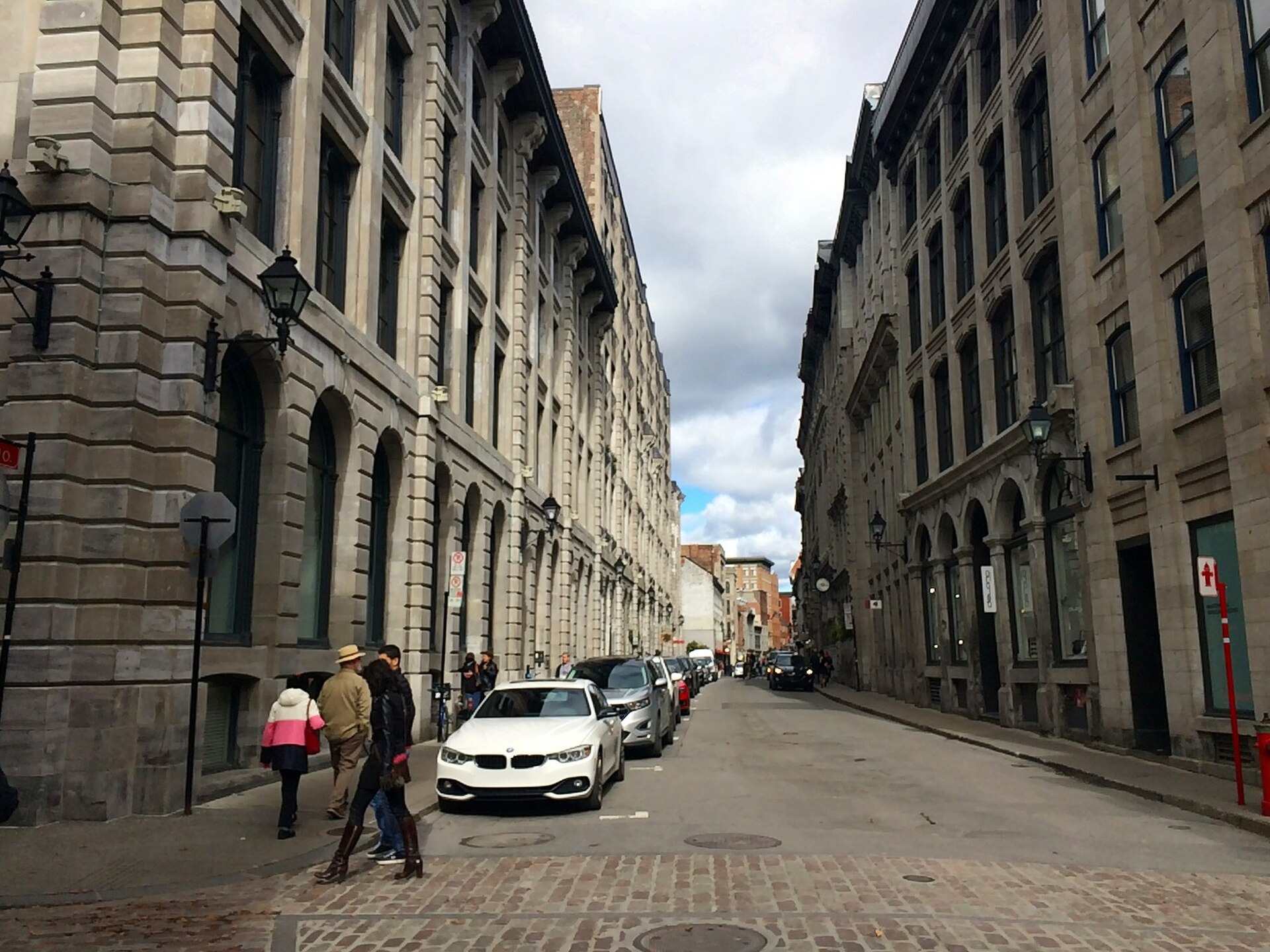
Morning: Old Montréal. Walk down from Gare Centrale to Place d’Armes, the square in front of Notre-Dame Basilica. The basilica is the city’s most famous interior — deep blue ceiling, gold stars, an enormous carved altarpiece — and visiting inside is ticketed, with guided tours available. It’s worth it, but book a time slot in advance in peak season. From there, wander the cobbled streets around Rue Saint-Paul and Place Jacques-Cartier, which are touristy but still beautiful, particularly early in the day before the crowds build.
Lunch. Old Montréal has plenty of places to eat, but prices around Place Jacques-Cartier are pitched at visitors. Walk a few streets west towards McGill Street for better value.
Afternoon: the Old Port. The waterfront along the St Lawrence has walking paths, the Montréal Science Centre, the Clock Tower and, in the warmer months, a Ferris wheel and boat tours. In winter it has an outdoor skating rink. It’s a pleasant place to spend an hour or two, though if you’ve done Toronto’s Harbourfront you won’t find it radically different.
Evening: the Plateau. Take the Orange line to Mont-Royal station and walk. The Plateau Mont-Royal is Montréal’s most characteristic neighbourhood, with its famous outdoor staircases, colourful row houses and a dense concentration of restaurants and bars. Look out for “apportez votre vin” restaurants — bring-your-own-wine places, clustered around Rue Duluth and Rue Prince-Arthur, where you pick up a bottle from an SAQ or a dépanneur on the way and skip the restaurant markup. For something classic, La Banquise on Rue Rachel is the city’s best-known poutine spot and has long stayed open around the clock, which makes it a popular late-night finish.
Day 2: Mount Royal, Mile End and the markets
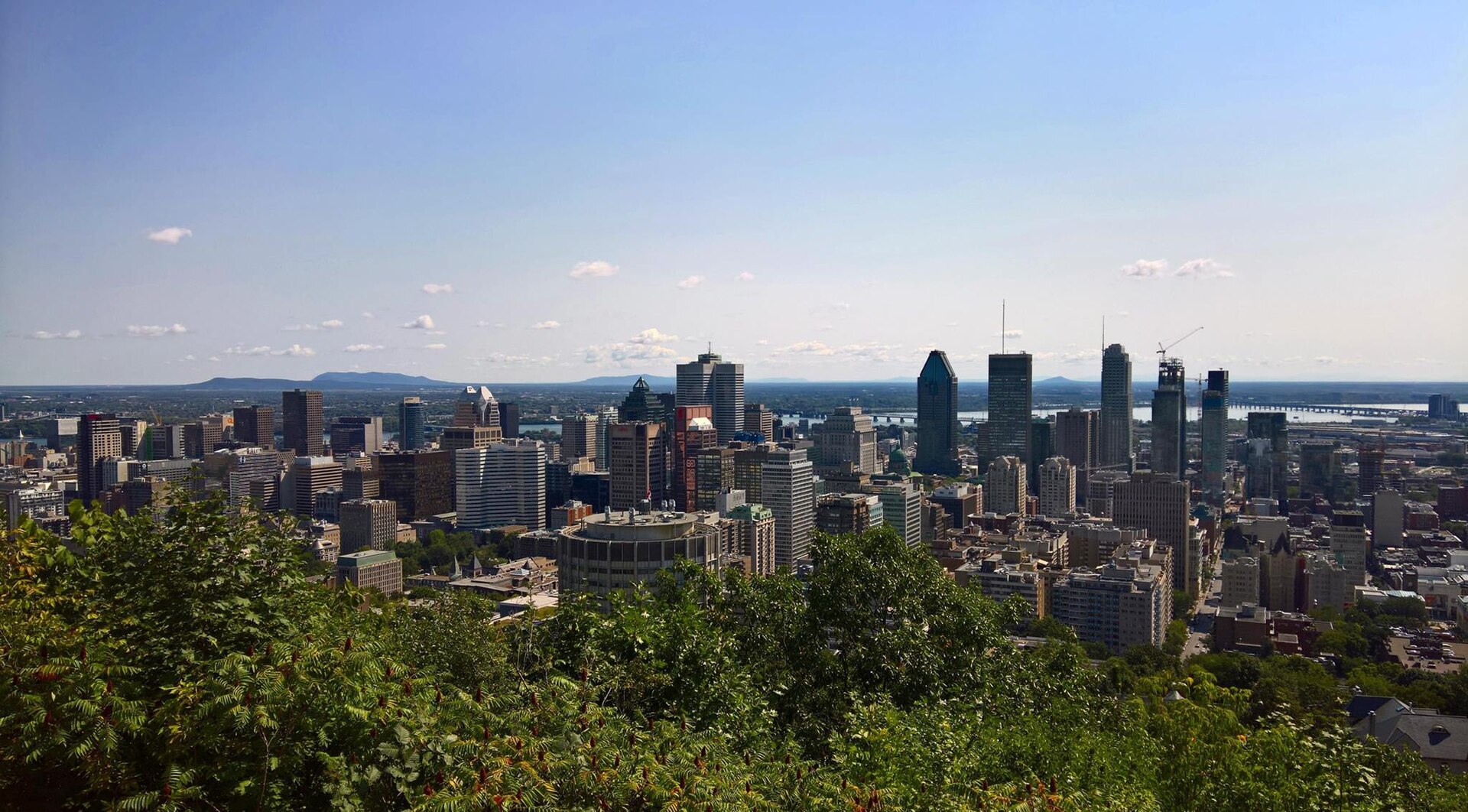
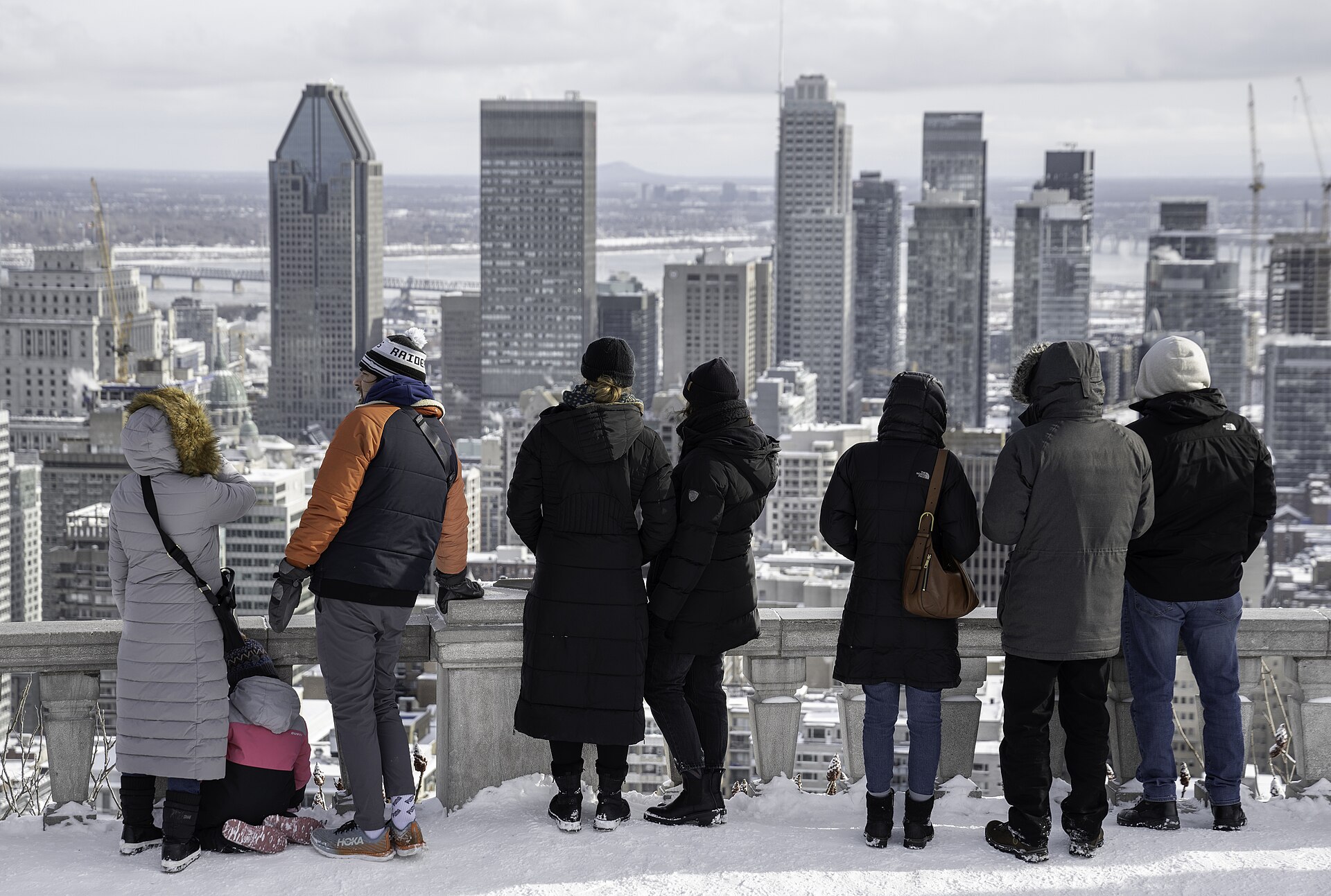
Morning: Mount Royal. The mountain that gives the city its name is a large wooded park designed by Frederick Law Olmsted, the landscape architect behind New York’s Central Park. Walk up from the downtown side — the stairs from near Rue Peel lead up through the trees — to the Kondiaronk Belvedere, the stone terrace in front of the Chalet du Mont-Royal with the classic view over the skyline and the river. Allow 30 to 45 minutes each way. It’s free, and it’s the best view in the city.
Late morning: Mile End. Walk down the north side of the mountain or take a short bus to Mile End, the creative neighbourhood north of the Plateau. It’s home to Montréal’s two great bagel bakeries, St-Viateur and Fairmount, which sit a few blocks apart and have been running a friendly rivalry for decades. Montréal bagels are smaller, denser and sweeter than New York bagels, boiled in honey water and baked in a wood-fired oven. Buy one warm from each and pick a side. Both are traditionally open very long hours, so you can do this whenever it suits.
Lunch: smoked meat. Schwartz’s on Boulevard Saint-Laurent has been serving Montréal smoked meat since the 1920s and there’s usually a queue out the door. The honest verdict: it’s a genuinely great sandwich, and the queue moves faster than it looks. Order the smoked meat sandwich medium fat, with a pickle and a cherry soda, and don’t expect a leisurely lunch — the room is cramped and the staff move fast.
Afternoon: Jean-Talon Market. Take the métro to Jean-Talon station or De Castelnau for Montréal’s best-loved open-air food market, in Little Italy. It’s busiest and most colourful in late summer and autumn, when the stalls are piled with Quebec produce, maple products, cheese and cider. In winter it’s partly enclosed and quieter, but still worth it for food lovers. If you’re short on time, Atwater Market, near the Lachine Canal in the south-west, is another good option.
Evening: the train home. Check the last departure on your date before you plan dinner. Grab something to eat on the train from one of the delis or bakeries near Gare Centrale, or eat downtown before heading back.
If you have a third day
- Montreal Museum of Fine Arts on Rue Sherbrooke — one of the country’s major art museums, with a strong Canadian and Quebec collection.
- Olympic Park — the Biodôme, the Botanical Garden and the Insectarium are all together in the east end, and make an excellent day with children.
- Saint Joseph’s Oratory — a huge domed basilica on the north-west slope of the mountain, with views of its own.
- Lachine Canal — a flat, easy path for a walk or a bike ride on a BIXI share bike in the warmer months.
Where to Stay in Montréal
- Downtown, near Gare Centrale — the most convenient for a train trip, with direct underground access to the station from some hotels. Good for short stays and winter visits.
- Old Montréal — the most atmospheric area, with boutique hotels in old stone buildings. It’s quiet at night and pricier, but beautiful.
- The Plateau — fewer big hotels, more small guesthouses and apartments, and the best neighbourhood for eating out. A short métro ride from the station.
When to Go
Montréal is a year-round city, but the experience changes a lot with the seasons.
| Season | What it’s like | Worth knowing |
|---|---|---|
| Summer (June–August) | Terrasses, festivals, long evenings | The Montreal International Jazz Festival and Just for Laughs fill downtown in late June and July; book trains and hotels early |
| Autumn (September–October) | The best time for the train ride and Mount Royal | Fall colours along the St Lawrence and on the mountain peak around early-to-mid October |
| Winter (December–March) | Cold and snowy, but the city leans into it | Igloofest and Montréal en Lumière run in winter; the Underground City earns its keep |
| Spring (April–May) | Grey, then suddenly lovely | Cheaper trains and hotels; sugar-shack season in the countryside |
In winter, the train comes into its own. The 401 in a snowstorm is not somewhere you want to be, and flights get delayed or cancelled. Trains can run late too, but they keep running in weather that shuts down other options.
Practical Tips for Toronto Visitors
- Language. Montréal is a French-speaking city, but most people in the areas visitors frequent speak English too. You’ll often be greeted with “Bonjour-hi”, an invitation to answer in whichever language you prefer. Starting with “bonjour” is polite and appreciated.
- Sales tax is higher. Quebec’s combined sales taxes come to just under 15%, a bit more than Ontario’s 13% HST, and as in Toronto, prices on menus and shelves don’t include it.
- Tipping works the same way as in Toronto, typically 15–20% in restaurants. Our tipping guide applies almost unchanged.
- The drinking age is 18 in Quebec, compared with 19 in Ontario.
- Wine and spirits are sold at SAQ stores. Beer and some wine are also available at grocery stores and dépanneurs (corner stores).
- Right turns on red aren’t allowed on the island of Montréal, if you’re driving.
Is Montréal a Day Trip From Toronto?
Technically it’s possible: take the first train out and the last train back. In practice, with around five hours each way, you’d spend ten hours on a train for perhaps six hours in the city. That’s not a day trip anyone enjoys. Montréal needs at least one night, and two is better. If you want a genuine day trip from Toronto, look at our day trips from Toronto guide — Niagara Falls, Stratford and Prince Edward County are all far better suited to a single day. The Thousand Islands, which the train passes close to around Brockville, make a good stop on the way if you have a car.
Frequently Asked Questions
How long is the train from Toronto to Montreal?
Around five hours on most departures, station to station. Some trains are a little faster or slower depending on stops, and delays of 15 to 20 minutes are common because trains share the line with freight.
How much does the Toronto to Montreal train cost?
VIA Rail Economy fares start from $78 one way and Business from $184 one way, before tax, for the cheapest departures booked in advance. Popular trains on Friday and Sunday afternoons, or tickets bought close to the date, cost considerably more.
Is the train better than flying from Toronto to Montreal?
For most trips, yes. Once you add getting to the airport, security, boarding and getting in from Montréal-Trudeau, flying saves little time — especially from Pearson — and the train is far more comfortable and productive. Flying from Billy Bishop is the closest competitor if you’re based downtown.
Is VIA Rail Business Class worth it?
At full price, usually not for leisure travel, because Economy is comfortable and has the same Wi-Fi and power. It becomes good value when the fare gap is small, which happens more often on late bookings. Check both.
Which Toronto station does the train to Montreal leave from?
Union Station, on Front Street downtown, connected to TTC Line 1, GO Transit and the UP Express from Pearson.
Does the Toronto to Montreal train have Wi-Fi?
Yes. Free Wi-Fi and power outlets are available in both Economy and Business. The connection can drop in rural stretches, so download anything important before you leave.
Can I do Montreal as a day trip from Toronto?
Not comfortably. With around ten hours of train travel in total, you’d have only a few hours in the city. Stay at least one night.
Which side of the train has the best views?
Travelling from Toronto to Montréal, sit on the right-hand side for glimpses of Lake Ontario and the St Lawrence River. Heading back to Toronto, sit on the left.
If you have four or five days, you don’t have to choose between capitals. The same VIA corridor runs to Ottawa in about four and a half hours, and Ottawa to Montréal is roughly two hours more, so Toronto–Ottawa–Montréal–Toronto makes a very easy rail loop. Our Ottawa from Toronto guide covers the train, the free Parliament tours and a two-day plan.
Related Toronto Guides
- Union Station Guide — where your train leaves from.
- Day Trips from Toronto — shorter escapes from the city.
- Getting Around Toronto — getting to Union from wherever you’re staying.
- Toronto Travel Guide — the complete overview.
- Toronto Travel Budget — what a trip really costs.
- Renting a Car in Toronto — if you’d rather drive.
Photo Credits
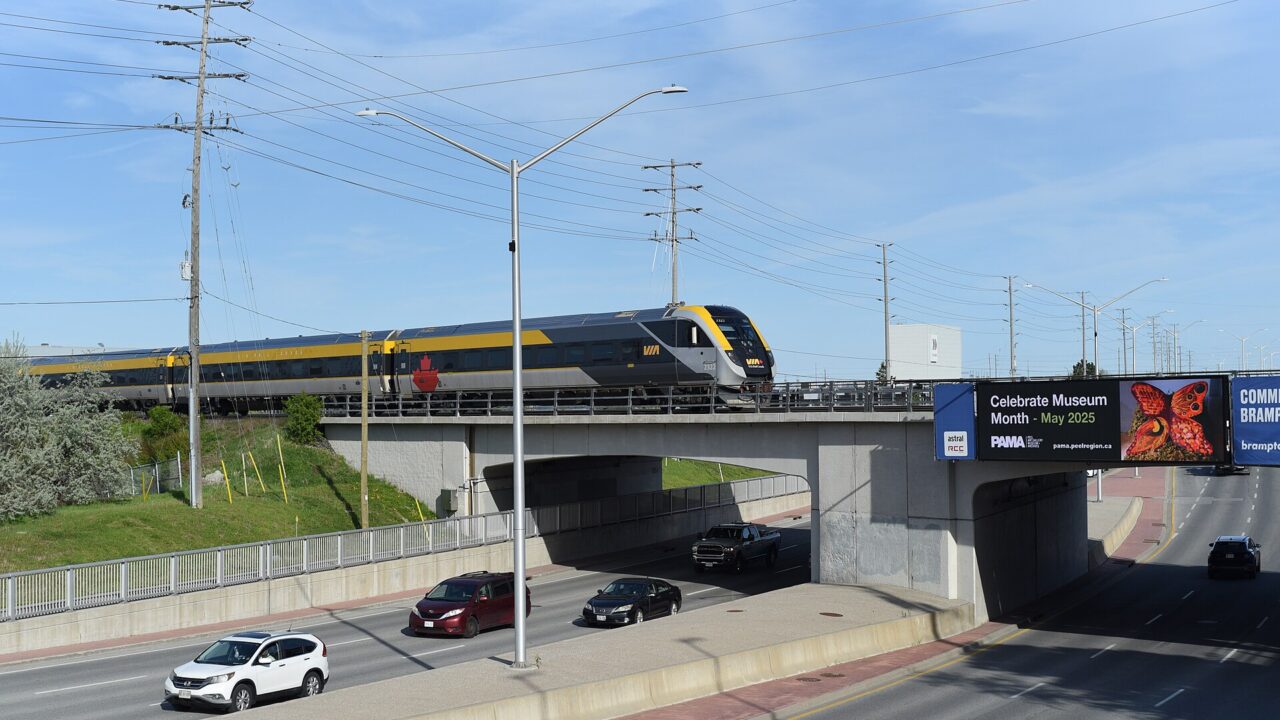
VIA Rail train crossing a road bridge in Brampton, Ontario: Brampton ON VIA-Rail-Canada Passenger-Train 2025-05-20 by Milan Suvajac, CC BY-SA 4.0, via Wikimedia Commons.
VIA Rail train passing industrial land west of Toronto: Brampton ON VIA-Rail-Canada Passenger-Train 2025-04-28 by Milan Suvajac, CC BY-SA 4.0, via Wikimedia Commons.
A street in Old Montréal: 20181012 – 08 – Montreal (Old Montreal) – “Hello Walls” by Andre Carrotflower, CC BY-SA 4.0, via Wikimedia Commons.
Downtown Montréal from Mount Royal in summer: 20160903 – 02 – Montreal (Mount Royal Park) by Andre Carrotflower, CC BY-SA 4.0, via Wikimedia Commons.
Visitors at the Kondiaronk Belvedere in winter: Kondiaronk Belvedere, Montreal city, Canada by Wilfredor, CC0, via Wikimedia Commons.