Torontonians have a habit of underrating Ottawa. It’s the government town, the place with the school trip to Parliament, the city that goes to bed early. Then they actually spend a weekend there and find a compact, walkable capital with a canal running through the middle, some of the country’s best museums within a twenty-minute stroll of each other, and a market district that’s livelier on a Saturday night than its reputation suggests. Getting to Ottawa from Toronto is straightforward, whether you take the train, drive or fly, and the city rewards two days far more than most people expect.
This guide compares the three main ways to make the trip, with journey times, the trade-offs and our verdict on each, then lays out a two-day Ottawa weekend itinerary that works without a car. We also cover the best times of year to go, including Winterlude and the Rideau Canal Skateway, where to stay, and whether Ottawa works as a day trip (it doesn’t, really). Details were checked in September 2026. Prices are in Canadian dollars; where a price moves with demand, such as rail fares, we haven’t quoted a figure you’d be disappointed by.
Ottawa from Toronto at a Glance
| Option | Time | Frequency / notes | Verdict |
|---|---|---|---|
| VIA Rail train | About 4.5 hours (4h 08m – 4h 35m on sample schedules) | 54 departures a week from Union Station | Best for most people |
| Driving | About 4.5–5 hours without traffic, roughly 450 km | Highway 401 then Highway 416 | Best if you want Gatineau Park or stops on the way |
| Flying | About 1 hour in the air; 3–4 hours door to door | From Pearson or Billy Bishop | Only worthwhile on a points ticket or a sale fare |
| Intercity bus | Typically 5–6 hours | Several daily | Cheapest, least comfortable |
| Ottawa essentials | 2026 details |
|---|---|
| Parliament tours | Free; West Block, Senate of Canada Building, East Block (late June–early September) and an immersive Centre Block exhibit |
| National Gallery of Canada | Adults $20; free Thursdays 5–8pm |
| Winterlude 2027 | 29 January – 15 February 2027 |
| Rideau Canal Skateway | 7.8 km when fully open; weather-dependent, usually January to February |
| Time difference | None; Ottawa is on Eastern Time |
Train vs Car vs Plane: How to Get to Ottawa
By train: VIA Rail from Union Station
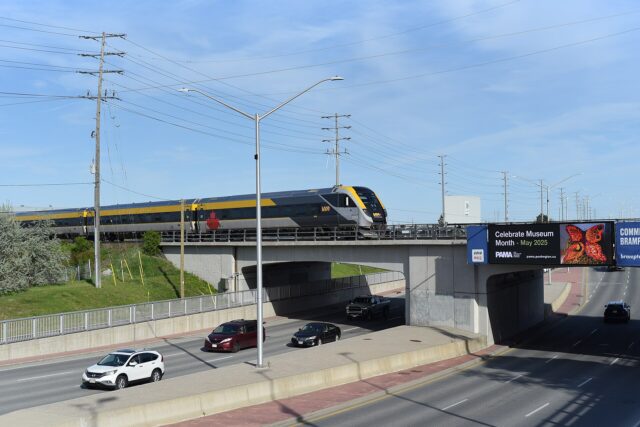
For most visitors this is the right choice. VIA Rail runs 54 departures a week between Toronto and Ottawa, an average of more than seven a day, and the trip averages about four and a half hours. Sample schedules on VIA’s route page show journey times from 4 hours 8 minutes to 4 hours 35 minutes, depending on the number of stops. Trains leave from Union Station downtown, so you can walk or take the subway there, and you get Wi-Fi, power outlets and room to move for the whole journey.
There are Economy and Business classes. VIA’s fares move with demand, so the price you pay depends heavily on when you book and when you travel. The usual rules apply: book well ahead, avoid Friday afternoon and Sunday afternoon trains if you can, and compare Economy against Business, because the gap sometimes narrows on busy days. Our Toronto to Montreal train guide goes into more detail on VIA’s classes and how to find cheaper fares, and almost all of it applies to the Ottawa route too.
Arriving in Ottawa. The one real drawback of the train is that Ottawa’s VIA station isn’t downtown. It’s on Tremblay Road, east of the centre, next to Tremblay station on the city’s O-Train Line 1. The light rail runs straight into downtown, with stops at Rideau for the ByWard Market and the Rideau Centre, and Parliament for the Hill. It’s a short, easy ride; just don’t expect to walk out of the station and see Parliament, as you might in Montréal. Check the current OC Transpo fare when you arrive.
Which side to sit on. The Toronto–Ottawa line shares the Montréal line east along Lake Ontario and the St Lawrence before turning north towards Ottawa partway along. For glimpses of the lake early in the trip, sit on the right-hand side heading to Ottawa. After that it’s mostly farmland and woods, which is especially pretty in October.
By car: Highway 401 and Highway 416
The drive is roughly 450 km, and the fastest route follows Highway 401 east past Kingston to Highway 416, which runs north to Ottawa. Allow four and a half to five hours without traffic. Getting out of Toronto on a Friday afternoon can easily add an hour or more, so leave early or late if you can.
The drive isn’t especially scenic on the 401, but it gives you options the train doesn’t:
- Stops on the way. Kingston is a good lunch stop about halfway, and a short detour takes you to the Thousand Islands near Gananoque. If you have time, Prince Edward County makes a lovely overnight on the way there or back.
- A slower, prettier alternative. Highway 7, which heads north-east through small towns and lake country, is longer but a far more enjoyable drive in autumn.
- Gatineau Park. The best hiking and lookouts near Ottawa are across the river in Quebec, and they’re much easier with a car.
The downsides are traffic, fuel and parking. Downtown Ottawa parking isn’t as expensive as Toronto’s, but hotel parking adds up. If you don’t own a car, our guide to renting a car in Toronto covers what to watch for.
By plane
Flights from Toronto to Ottawa take about an hour, from both Pearson and Billy Bishop on the Toronto Islands. Door to door, though, flying rarely beats the train by much. You need to get to the airport, clear security, wait to board and then travel into Ottawa from the airport, which sits south of the city. From Billy Bishop, which is walkable from downtown, the maths is slightly better. From Pearson, the train almost always wins on total time and comfort. Our Pearson airport guide explains what the airport side of that trip involves.
Flying makes sense if you’ve found a sale fare, are using points, or are connecting from another flight.
By bus
Intercity buses between Toronto and Ottawa are usually the cheapest option and run several times a day. They take longer than the train and are more affected by traffic on the 401, and they’re less comfortable for a trip of five hours or more. If your budget is tight, they’re a perfectly workable option.
Is Ottawa a Day Trip from Toronto?
Honestly, no. With around four and a half hours of travel each way, even the train leaves you with nine hours on the move and only a few hours in the city. You’d see Parliament Hill from the outside, eat lunch and turn around. That’s a long, tiring day for very little.
Ottawa needs at least one night, and a full weekend is better. If you’re looking for a genuine day trip from Toronto, our day trips from Toronto guide has better options within two hours, including Niagara Falls and Stratford.
What Ottawa Feels Like After Toronto
It helps to set expectations. Ottawa is a city of about a million people, so it’s far smaller than Toronto, and the pace is noticeably slower. The downtown is dominated by government buildings, which makes it quiet in the evenings outside the market and on weekends away from the tourist core. There are no towers of condos on every corner, no subway rush, and much less traffic. What you get instead is space: wide lawns, the river, the canal, bike paths everywhere and a skyline you can actually see over.
It’s also properly bilingual in a way Toronto isn’t. You’ll hear French on the street, especially near the river, and Gatineau across the water is a French-speaking Quebec city. For a short break, that mix of calm, history and a hint of Quebec is exactly the appeal.
A Two-Day Ottawa Weekend
Ottawa’s downtown is compact. Parliament Hill, the ByWard Market, the National Gallery, the Rideau Canal and the Château Laurier are all within a 15-minute walk of each other, so a weekend without a car is easy. This plan assumes you arrive on Friday evening or early Saturday.
Day 1: Parliament Hill, the canal and the ByWard Market
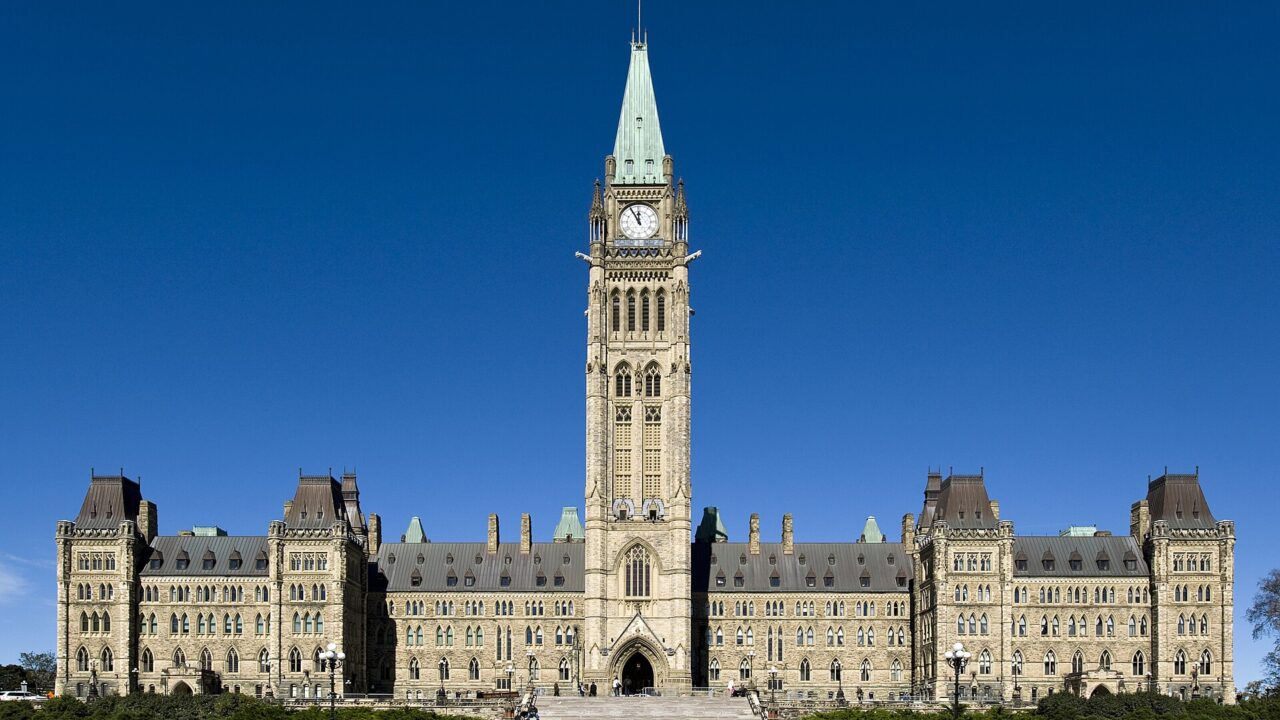
Morning: Parliament Hill. Start at the Hill, the Gothic Revival parliament buildings perched above the Ottawa River. The main building, Centre Block, with the Peace Tower, is closed for a major rehabilitation that’s expected to take years, and it’s wrapped in construction. That’s disappointing if you’ve seen the photographs, but there’s still plenty to do, and it’s all free:
- West Block, home of the House of Commons during the renovation, a 19th-century building with a striking modern chamber inside a glass-roofed courtyard.
- The Senate of Canada Building, in Ottawa’s former railway station, a short walk from the Hill.
- East Block, where the heritage rooms show what parliamentary life looked like in the 19th century. It’s open from late June to early September only.
- Parliament – The Immersive Experience, a 360-degree multimedia exhibition about Centre Block. It’s self-guided and takes about 45 minutes.
Tours are free, but spaces are limited. You can book online in advance, or try for same-day tickets at the door of each location, subject to availability. In summer, book ahead. Allow two to three hours for the Hill if you take a tour and wander the grounds. The views from behind the buildings, over the Ottawa River to Gatineau, are worth the walk.
Late morning: the Rideau Canal locks. Walk east from the Hill to the flight of locks that steps the Rideau Canal down to the Ottawa River, between Parliament and the Château Laurier. The canal is a UNESCO World Heritage Site, and in summer you can watch boats being lifted through the locks by hand-cranked gates. The grand, castle-like Château Laurier hotel next door is worth a look inside, even if you’re not staying.
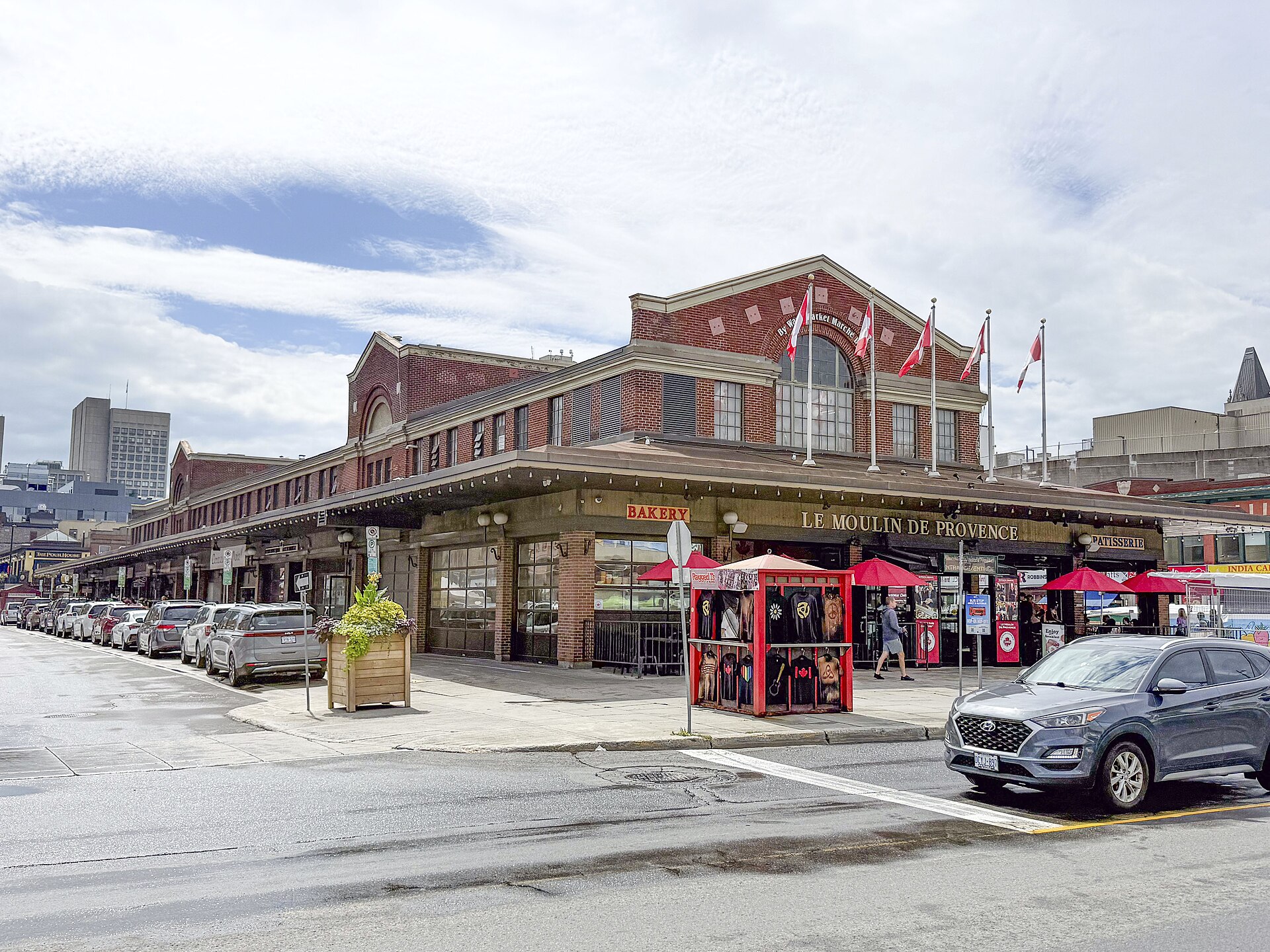
Lunch and afternoon: the ByWard Market. Cross the bridge to the ByWard Market, a few blocks north-east of the Hill. The central market building and the surrounding streets are packed with restaurants, cafés, food shops and, in the warmer months, outdoor stalls selling produce and flowers. It’s the obvious lunch spot. While you’re there, get a BeaverTail — the stretched, fried pastry topped with cinnamon sugar is an Ottawa institution, and the ByWard Market kiosk is the one people queue for. It’s a tourist cliché, and it’s also delicious.
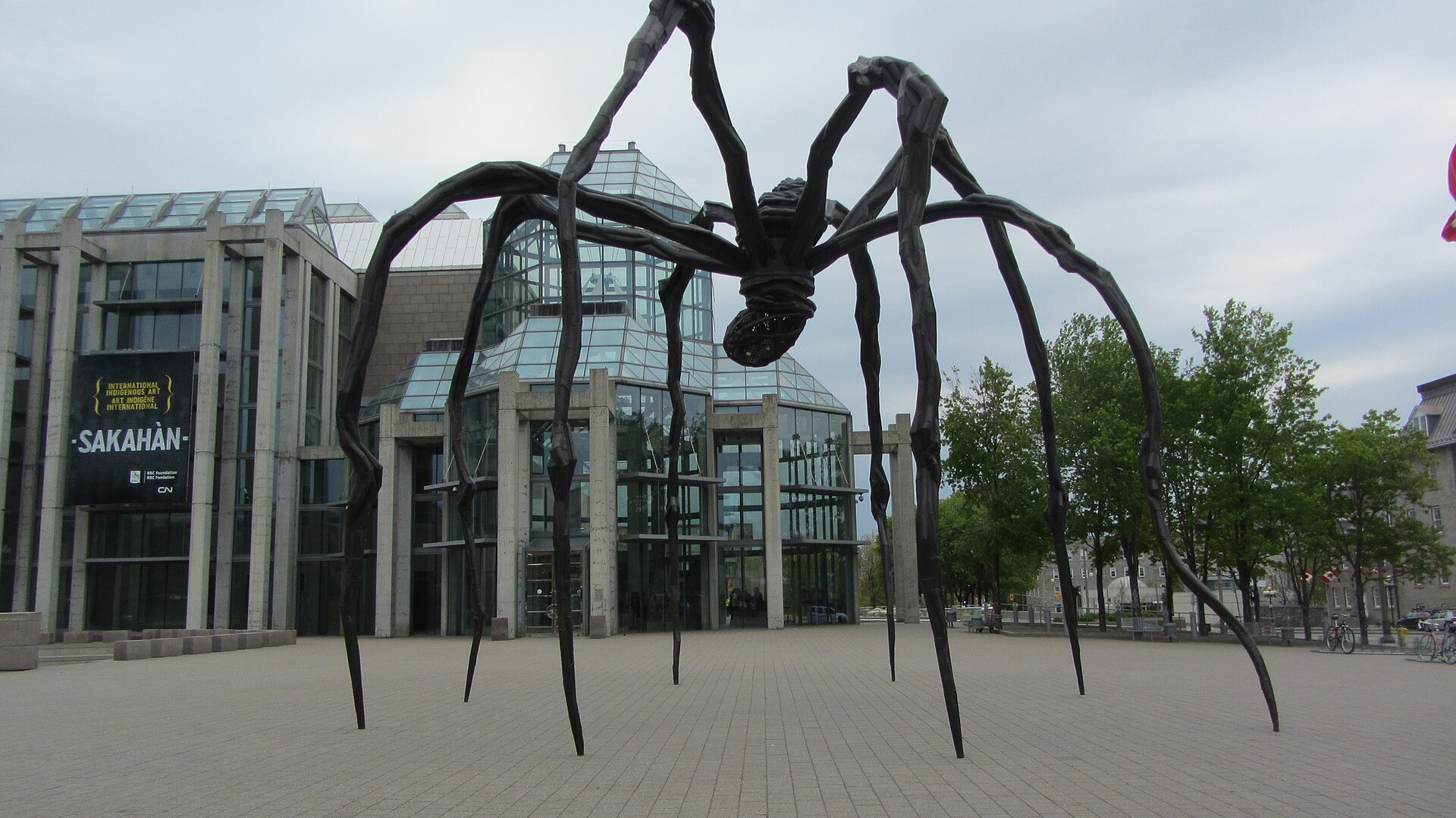
Late afternoon: the National Gallery of Canada. Walk north along Sussex Drive to the National Gallery, a spectacular glass-and-granite building designed by Moshe Safdie. Outside stands Maman, Louise Bourgeois’s enormous bronze spider, one of the most photographed sculptures in the country. Inside, the collection of Canadian and Indigenous art is the strongest anywhere, including major works by the Group of Seven and Emily Carr. Adult admission is $20, and it’s free on Thursdays from 5 to 8pm. Allow at least two hours.
Evening: dinner in the market. The ByWard Market is also Ottawa’s main nightlife district, with pubs, cocktail bars and restaurants that stay busy late on weekends. It’s livelier than most Torontonians expect. In summer, check whether Parliament Hill’s evening sound-and-light show is running; in recent years it has projected onto the buildings after dark.
Day 2: Museums, the canal and Gatineau
Morning: pick a museum. Ottawa has several national museums, and you won’t manage them all in one weekend. Choose based on your interests:
| Museum | Where | Best for |
|---|---|---|
| Canadian Museum of History | Across the river in Gatineau, Quebec | Indigenous history, the Grand Hall’s totem poles, and the best view of Parliament Hill |
| Canadian War Museum | LeBreton Flats, west of downtown | Military history; thoughtful and often moving |
| Canadian Museum of Nature | Centretown, south of downtown | Families, dinosaurs and fossils |
| Ingenium – Canada Science and Technology Museum | East of downtown | Hands-on science with children |
| Canadian Aviation and Space Museum | East of downtown | Aircraft enthusiasts |
Our pick for a first visit is the Canadian Museum of History. The building itself, designed by Douglas Cardinal with sweeping curves meant to evoke the landscape, is remarkable, the Grand Hall is one of the most impressive rooms in the country, and the riverside terrace gives you the classic postcard view of Parliament Hill across the water. Check current prices on each museum’s website.
Lunch. If you’re in Gatineau, there are cafés near the museum. Otherwise, head back to the market or to Elgin Street and Bank Street in Centretown for more local restaurants.
Afternoon: the Rideau Canal. Walk or cycle along the canal paths south of downtown. In summer, you can rent a canoe or kayak, or take a boat cruise. In winter, when conditions allow, this becomes the famous Skateway (more on that below). Carry on to Dow’s Lake and the Glebe neighbourhood, which has good cafés and independent shops along Bank Street.
Evening: back to Toronto. Check the last train of the day before you plan dinner, and remember the O-Train ride out to the VIA station at Tremblay.
If you have a car or a third day
- Gatineau Park. A huge wilderness park just across the river, with the Champlain Lookout over the Ottawa Valley, hiking trails, lakes and the Mackenzie King Estate. Spectacular in October.
- Rideau Hall. The Governor General’s residence has grounds you can walk around, and seasonal tours.
- A Nordic spa. The Chelsea area of Gatineau, north of the city, is known for its outdoor thermal spas — a very good way to spend a cold afternoon.
- Montréal. Montréal is only about two hours from Ottawa by train, so you can turn a weekend into a longer loop: Toronto to Ottawa, Ottawa to Montréal, and Montréal back to Toronto.
If You Only Have One Night
A single night is enough to see the essentials, as long as you catch a morning train and don’t try to do everything.
- Day 1, arrive by lunchtime. Take an early train from Union, drop your bags near the ByWard Market, and have lunch there. Spend the afternoon on Parliament Hill with a pre-booked tour of West Block or the Senate, then walk down past the canal locks. Dinner and drinks in the market.
- Day 2, morning. The National Gallery opens in the morning and is a short walk from the market. Give it two hours, then cross the river to the terrace of the Canadian Museum of History for the view of the Hill, even if you don’t go inside.
- Day 2, afternoon. A last BeaverTail, a walk along the canal, then the O-Train to Tremblay for a mid-afternoon train back to Toronto.
It’s a full day and a half, but it works, and it leaves you home by the evening.
Where to Eat in Ottawa
Ottawa’s restaurant scene has grown up a lot over the past decade, and it’s more varied than the government-town reputation suggests. Rather than list individual restaurants that might close before you get there, here’s where to look.
- ByWard Market. The densest concentration of restaurants, from casual pubs and poutine counters to more ambitious bistros. Convenient, lively, and a little tourist-priced on the main streets. Walk a block or two away from the market building for better value.
- Elgin Street and Bank Street, Centretown. A long strip of neighbourhood restaurants, bars and cafés popular with locals, a short walk south of Parliament.
- Preston Street, Little Italy. Italian restaurants and patios, west of downtown towards Dow’s Lake.
- Somerset Street West, Chinatown. Chinese, Vietnamese and other Asian restaurants, good for a cheaper meal.
- Wellington West and Hintonburg. Ottawa’s most interesting food neighbourhood for many locals, with independent restaurants, bakeries and craft breweries. It’s a short bus or O-Train ride west of downtown.
- Across the river in Gatineau. A handful of French-style bistros in Old Hull, a short walk or ride over the bridges, give the evening a Quebec flavour.
As in Toronto, book ahead for Friday and Saturday dinner, especially anywhere small. Tipping norms are the same as at home; our tipping guide applies.
Ottawa With Kids
Ottawa is one of the best cities in Canada for a family weekend. It’s compact, walkable, generally calm, and full of museums designed with children in mind.
- Canadian Museum of Nature. Dinosaurs, a big mammal gallery, a mineral gallery and live insects, in a castle-like building in Centretown.
- Ingenium – Canada Science and Technology Museum. Very hands-on, with plenty to push, pull and climb on. A reliable rainy-day option.
- Canadian Museum of History. The children’s museum inside is a highlight for younger kids, alongside the Grand Hall.
- Parliament Hill. Older children tend to enjoy the tours more than they expect, especially seeing where laws are made.
- The canal. Watching boats rise through the locks in summer, or skating on the Skateway in winter, costs nothing and is a highlight for most kids.
- Winterlude. The festival’s snow playgrounds and ice sculptures are aimed squarely at families.
The train is also far easier than the car with small children: they can move around, you avoid 401 traffic, and the four-and-a-half-hour trip passes more easily with a table and snacks. For planning a family trip in Toronto itself, see our Toronto with kids guide.
Winter in Ottawa: Winterlude and the Skateway
Ottawa is one of the coldest capital cities in the world, and it makes the most of it. If you’re considering a winter trip, this is the season when the city is at its most distinctive.
The Rideau Canal Skateway
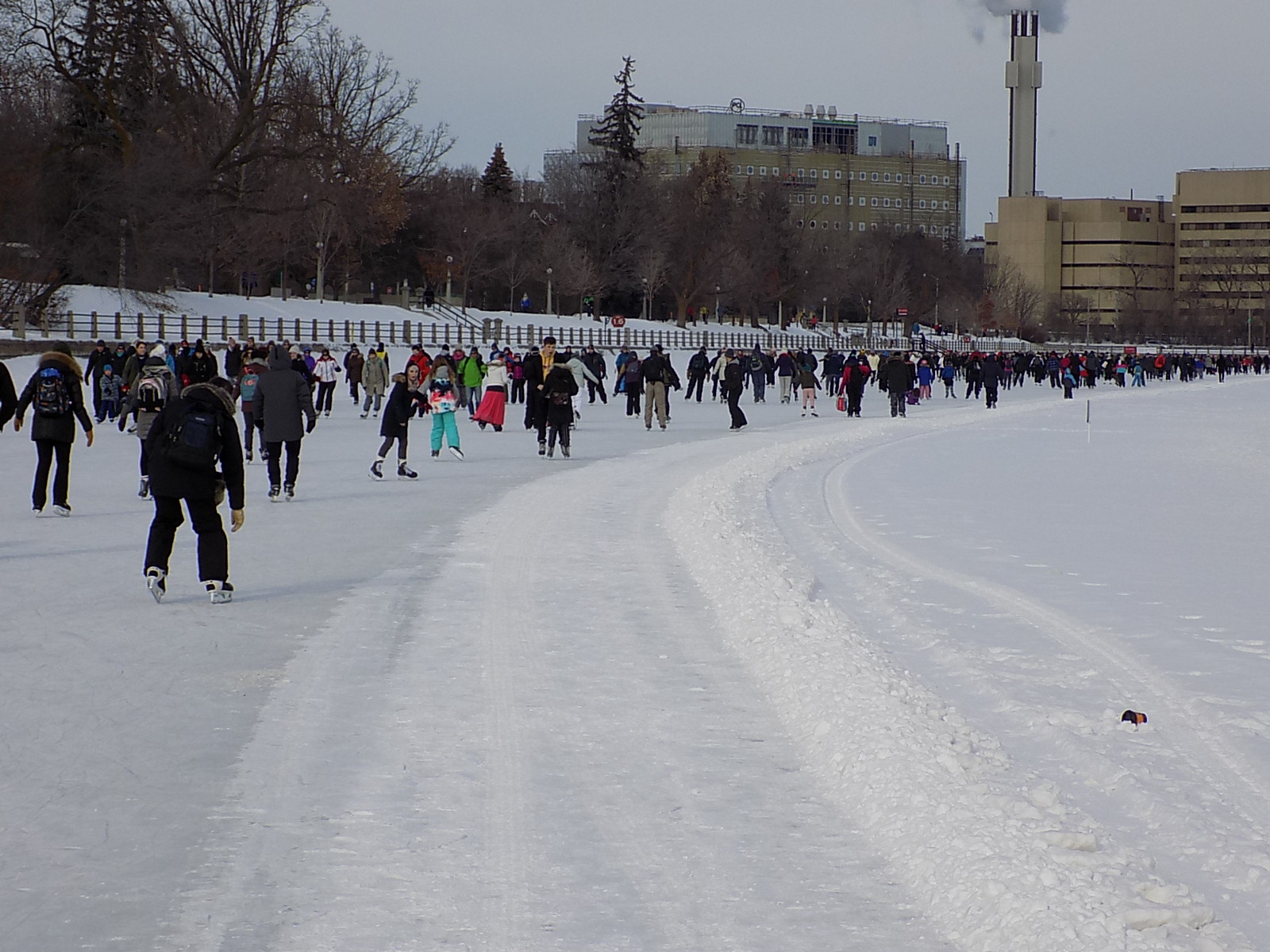
When the Rideau Canal freezes solid, the National Capital Commission turns it into a skating rink running for 7.8 km through the heart of the city, from downtown past the Glebe to Dow’s Lake. It’s free, and it’s used by locals as well as visitors; some people genuinely skate to work. Along the route you’ll find skate rental, places to warm up and food stands, including BeaverTails.
The honest caveat: the Skateway is entirely at the mercy of the weather. It usually opens in January, but mild winters have shortened the season significantly in recent years, and some sections may open while others don’t. Some seasons have barely had a skating season at all. Check the NCC’s Skateway status before you book a winter trip specifically for it, and have a back-up plan.
Winterlude
Winterlude is Ottawa’s winter festival, running in 2027 from 29 January to 15 February. It includes ice sculptures, snow playgrounds, events along the canal and programming across Ottawa and Gatineau, including a large snow park. It’s a fun, family-friendly event, and at its best when combined with a day on the Skateway. Book accommodation early, because Winterlude weekends are busy.
For a winter trip, dress seriously. Ottawa’s January and February temperatures are regularly well below Toronto’s. Our Toronto in winter guide covers the clothing you’ll need — just add an extra layer for Ottawa.
The Best Time to Visit Ottawa
| Season | What’s happening | Worth knowing |
|---|---|---|
| Spring (May) | The Canadian Tulip Festival fills the city’s parks with colour | Mild, cheaper hotels before summer |
| Summer (June–August) | Canada Day on 1 July, East Block open, canal boating, patios | Canada Day in the capital is a huge event; book months ahead or avoid |
| Autumn (September–October) | Fall colours in Gatineau Park | Our favourite season for a weekend: comfortable, beautiful and quieter |
| Winter (January–February) | Winterlude and the Skateway | Very cold; the Skateway depends on the weather |
Where to Stay in Ottawa
- ByWard Market and Lowertown. The best base for a short trip: walkable to everything, full of restaurants and bars, and close to Rideau O-Train station. It can be noisy late on weekends.
- Downtown, near Parliament. Quieter at night, convenient for the Hill and the O-Train. The Château Laurier is the landmark hotel if you want to splurge.
- Centretown and the Glebe. More residential and local, with good restaurants on Elgin and Bank Streets, and close to the canal for skating in winter.
Practical Tips
- Book Parliament tours in advance in summer. They’re free but fill up.
- Gatineau is in Quebec. The river crossing puts you in a different province, where French is the main language and sales tax is slightly higher. It’s the same time zone.
- Getting around. Downtown is walkable, and the O-Train and OC Transpo buses cover the rest. Ottawa is also a very bike-friendly city in the warmer months, with paths along the canal and the river.
- Things close earlier. Ottawa isn’t quite the early-to-bed city it’s said to be, but outside the ByWard Market many restaurants close earlier than in Toronto. Book dinner.
- Canada Day. 1 July in Ottawa means big crowds, road closures, security screening on the Hill and very expensive hotels. It’s a great experience if you plan for it; a bad surprise if you don’t.
Combining Ottawa With Other Trips
Ottawa sits in a useful spot for building a longer trip from Toronto.
- Ottawa and Montréal. The two cities are about two hours apart by train, so a Toronto–Ottawa–Montréal–Toronto loop works well over four or five days. See our Montréal weekend guide.
- Kingston and the Thousand Islands. If you’re driving, Kingston and the islands are right on the route and make a good overnight stop.
- Algonquin and cottage country. With a car, Highway 60 through Algonquin Park is a scenic, much longer alternative route back to Toronto in autumn. Our Muskoka and cottage country guide covers the region closer to Toronto.
Frequently Asked Questions
How long is the train from Toronto to Ottawa?
About four and a half hours on average. VIA Rail’s sample schedules show journeys from 4 hours 8 minutes to 4 hours 35 minutes, depending on the departure.
How many trains run from Toronto to Ottawa?
VIA Rail runs 54 departures a week between Toronto and Ottawa, which works out at more than seven a day on average.
Is it better to drive or take the train from Toronto to Ottawa?
The train is better for most people: it takes about the same time, you can relax or work, and you avoid 401 traffic and parking. Driving makes sense if you want to stop in Kingston or the Thousand Islands, or explore Gatineau Park.
Can you do Ottawa as a day trip from Toronto?
Not comfortably. With four and a half hours of travel each way, you’d spend more time travelling than in the city. Stay at least one night.
Can you go inside the Parliament buildings in Ottawa?
Yes. Centre Block is closed for rehabilitation, but you can take free tours of West Block (the House of Commons), the Senate of Canada Building and, from late June to early September, the East Block heritage rooms. There’s also a 45-minute immersive exhibition about Centre Block. Book online or try for same-day tickets.
When is Winterlude 2027?
Winterlude 2027 runs from 29 January to 15 February 2027 in Ottawa and Gatineau.
Is the Ottawa train station downtown?
No. Ottawa’s VIA Rail station is on Tremblay Road, east of downtown, beside Tremblay station on O-Train Line 1, which takes you into the centre in a few minutes.
What is the best month to visit Ottawa?
For comfortable weather and beautiful scenery, late September or October. For the Tulip Festival, May. For Winterlude and skating on the canal, late January or February.
Related Toronto Guides
- Day Trips from Toronto — closer escapes from the city.
- Toronto to Montreal by Train — the other capital-region weekend.
- Union Station Guide — where your train leaves from.
- Renting a Car in Toronto — if you’d rather drive.
- Toronto in Winter — what to pack for a cold-weather trip.
- Ice Skating in Toronto — practise before the Skateway.
Photo Credits
Centre Block and the Peace Tower before the rehabilitation: Centre Block – Parliament Hill by Saffron Blaze, CC BY-SA 3.0, via Wikimedia Commons.
The ByWard Market building: ByWard Market Building in Ottawa, Ontario by Hayden Soloviev, CC BY 4.0, via Wikimedia Commons.
Maman outside the National Gallery of Canada: ‘Maman’ Spider Sculpture, National Gallery of Canada, Sussex Dr, Ottawa (491814) (9447578845) by Robert Linsdell from St. Andrews, Canada, CC BY 2.0, via Wikimedia Commons.
Skaters on the Rideau Canal Skateway: Rideau Canal – Skaters on the Rideau Canal 2031 by Ahunt, CC0, via Wikimedia Commons.