Deciding where to stay in Toronto usually comes down to one thing: which neighbourhood fits the trip you actually want. The city is compact and stitched together by transit, so a five-star tower in Yorkville, a hostel dorm off Queen West, an artist-decorated boutique room, and a whole-house rental in the east end can all be the right answer depending on your budget and your plans. This guide works through the neighbourhoods first, then the hotels by price tier — luxury, mid-range, budget, boutique, vacation rentals, and family stays — with the booking timing and trade-offs that matter for each.
Best Areas to Stay in Toronto: Neighbourhood Guide
Where to stay in Toronto depends largely on which neighborhoods align with your interests, budget, and travel objectives. Toronto’s distinct neighborhoods each offer unique culture, attractions, dining, entertainment, and accommodation options. Understanding each area’s characteristics helps you select the best where to stay in Toronto for your visit. The city’s excellent public transit system, operated by the TTC (Toronto Transit Commission), connects all major neighborhoods through subway, streetcar, and bus networks, making location less critical than in other cities. However, choosing your neighborhood strategically can minimize transit time and maximize enjoyment. Let’s explore Toronto’s key neighborhoods and determine which offers the best where to stay in Toronto for different traveler types.
Downtown and Entertainment District: The Heart of Toronto
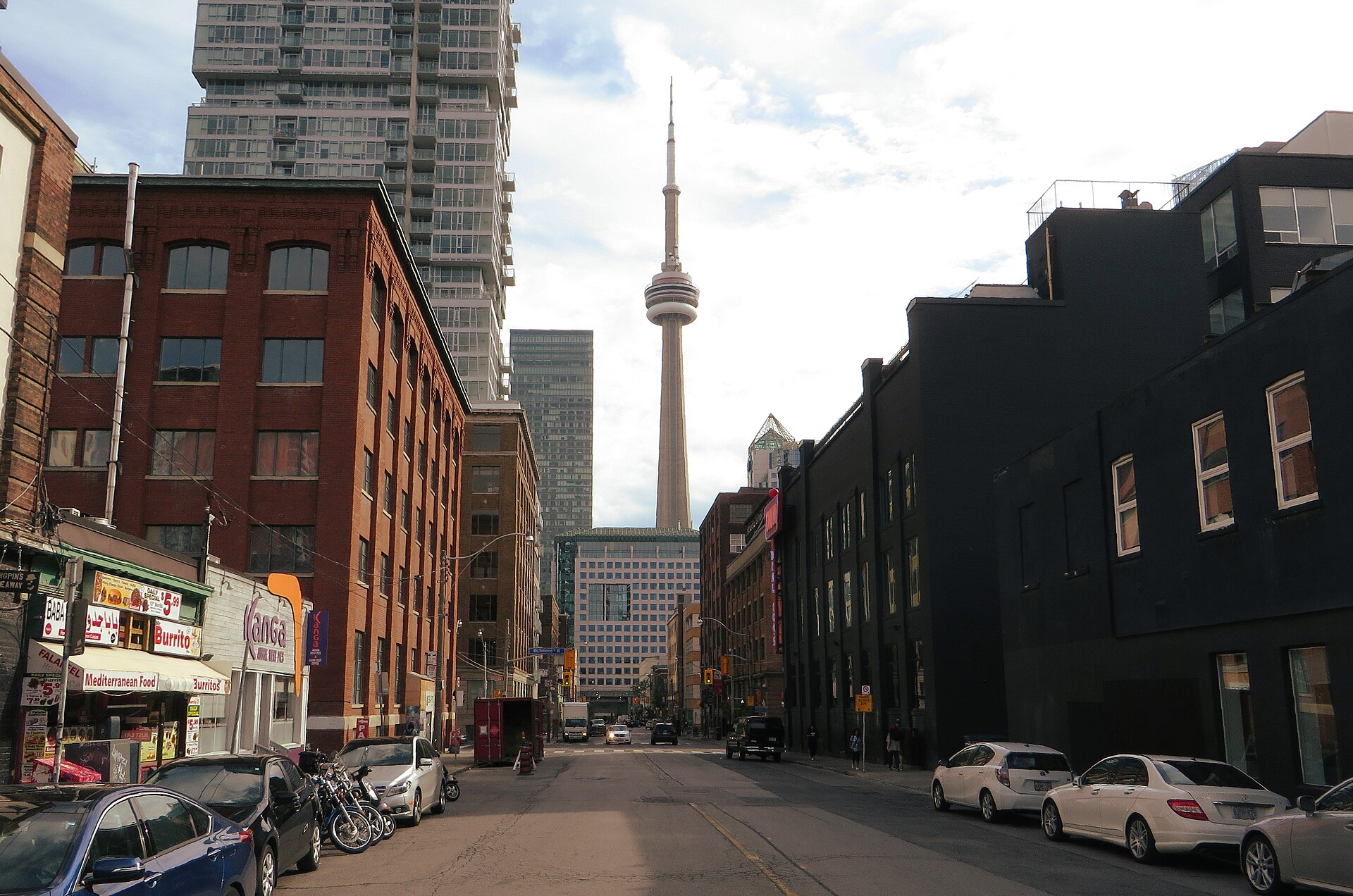
Downtown Toronto remains the premier choice for visitors seeking convenient access to the city’s most iconic attractions and lively entertainment scene. This high-energy neighborhood puts you within walking distance of the CN Tower, Toronto’s most recognizable landmark. The St. Lawrence Market offers local cuisine under a historic roof, while the Distillery District packs cobblestone shopping and galleries within easy reach. The St. Lawrence neighborhood adjacent to Downtown offers historic charm and waterfront access. Downtown accommodations run the full range, from budget hotels to luxury towers. The Entertainment District, located west of Downtown, pulses with nightlife, live music venues, comedy clubs, and contemporary restaurants. Where to stay in Downtown Toronto or the Entertainment District suits first-time visitors, young professionals seeking nightlife, and travelers prioritizing attraction accessibility. The entertainment scene runs from the marquee theatres on King Street to low-lit cocktail bars and restaurants ranging from casual to Michelin-worthy. Subway Line 1 runs directly through this area, providing rapid connections to other neighborhoods. Hotels in this district fill quickly during high season (June-August) and during major events like Pride Toronto in June or the Toronto International Film Festival (TIFF) in September.
Yorkville: Canada’s Premier Luxury Destination
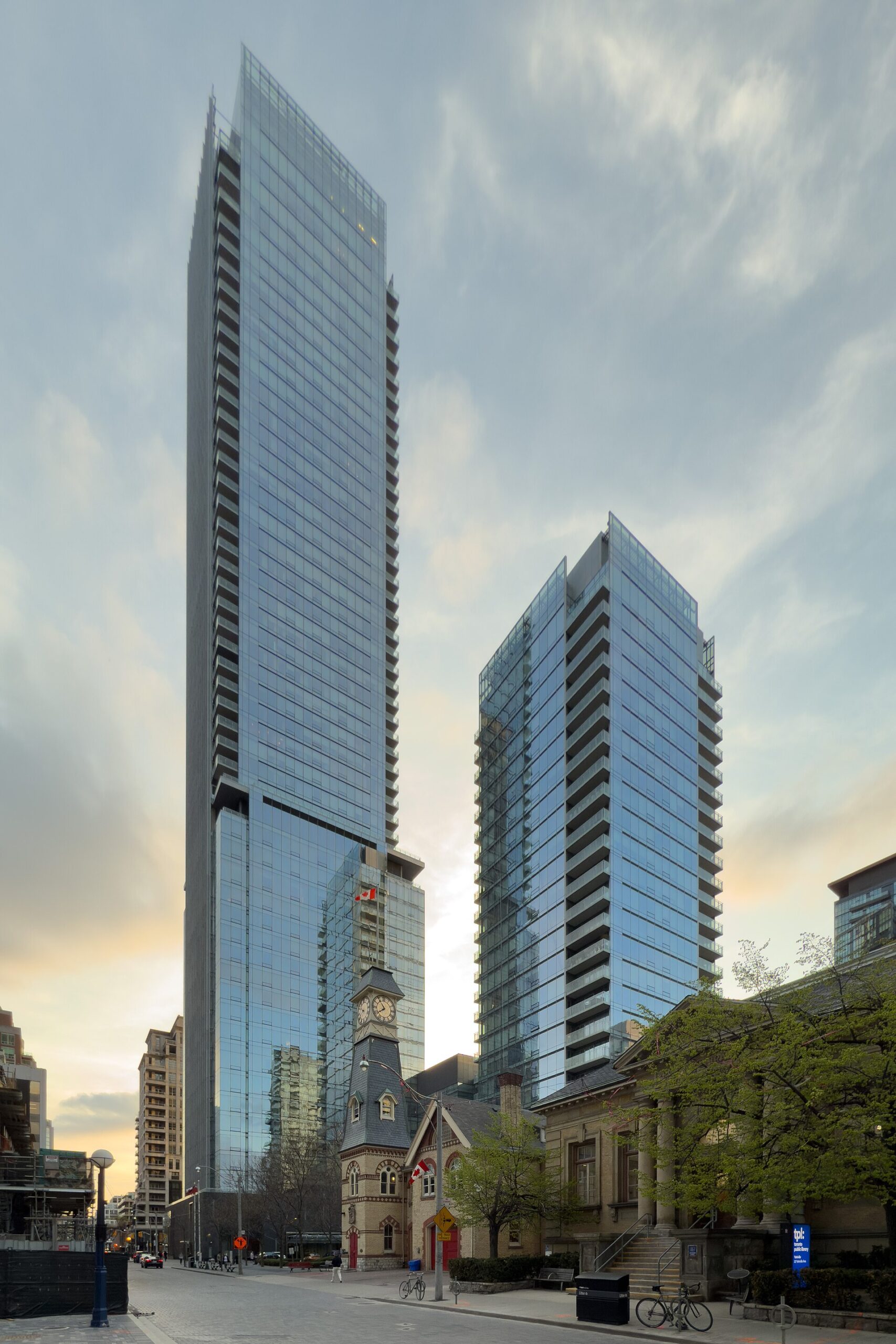
Yorkville stands as Toronto’s premier luxury destination where the city’s most prestigious hotels, high-end shopping, and fine dining converge. This affluent neighborhood epitomizes sophistication and attracts wealthy travelers, business executives, and luxury-focused visitors seeking premium accommodations where to stay in Toronto. Bloor Street defines Yorkville’s shopping experience with flagship stores of international luxury brands including Louis Vuitton, Gucci, Prada, and Hermès. The neighborhood hosts Yorkville Park, a pocket of greenspace in the urban core, and sits beside the Royal Ontario Museum (ROM), with deep collections in natural history and world cultures. Art galleries cluster throughout Yorkville, particularly on Avenue Road, showcasing contemporary and classic works. Michelin-starred restaurants and prestigious wine bars cater to discerning palates. Where to stay in Yorkville means accepting premium rates in exchange for polished luxury hotels, attentive service, and proximity to upscale shopping and dining. Hotels in Yorkville target affluent international travelers, honeymooners seeking romantic getaways, and business travelers with generous budgets. The neighborhood’s tree-lined streets and historic Victorian mansions create an upscale atmosphere distinctly different from Downtown’s urban intensity. The Art Gallery of Ontario (AGO), on Dundas Street West a short transit ride away, holds more than 120,000 works spanning centuries and continents. Yorkville offers a more refined, quieter Toronto experience compared to Entertainment District energy.
Queen West and West End: Creative Energy and Bohemian Spirit
Queen West pulses with creative energy, artistic expression, and bohemian spirit attracting younger travelers, artists, and those seeking Toronto’s alternative culture. This stretch of Queen Street West runs from University Avenue westward, a mile-long corridor of independent boutiques, vintage shops, tattoo parlors, coffee roasters, and eclectic galleries. Trinity Bellwoods Park provides green space for recreation and people-watching. The neighborhood’s street art and murals reflect Toronto’s thriving visual culture. Queen West hotels and accommodations range from budget hostels to mid-range boutique properties to luxury boutique hotels like the Drake Hotel, which embodies Queen West’s creative identity. Where to stay in Queen West suits travelers seeking authentic local experiences, artists visiting the creative community, and those on moderate budgets seeking character-filled neighborhoods. The area’s nightlife focuses on intimate bars, live music venues, and late-night eateries rather than megaclubs. Shopping opportunities range from independent designers to vintage finds to mainstream retailers. The West End adjoining Queen West extends the bohemian vibe further, with residential streets becoming increasingly popular for Airbnb rentals. Transit is excellent via the 501 streetcar running the length of Queen Street, which meets Subway Line 1 at Osgoode Station, making Queen West and West End accessible despite their distance from Downtown attractions.
Toronto Waterfront and Harbourfront: Natural Beauty and Recreation
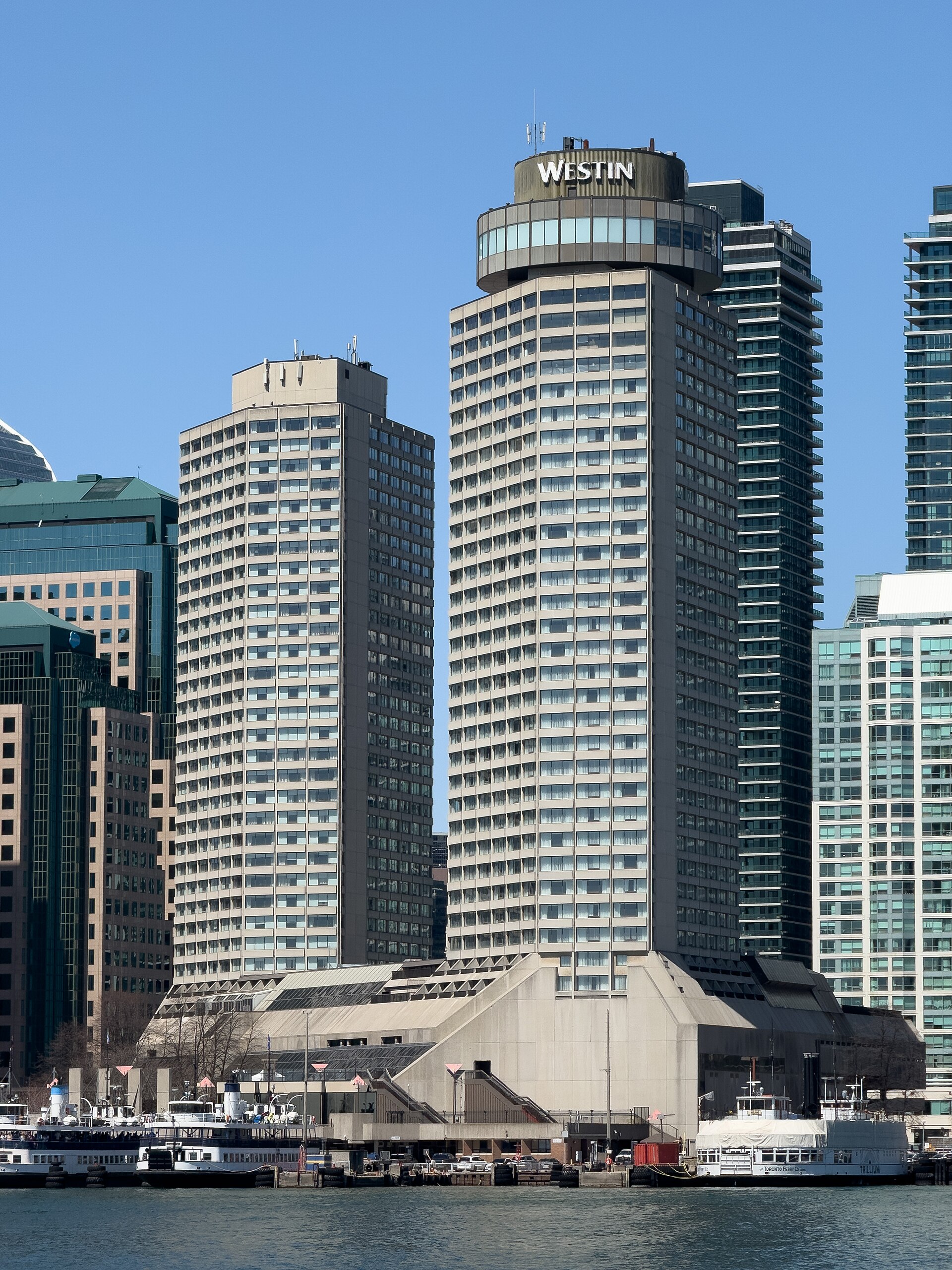
Toronto’s spectacular waterfront stretches for miles along Lake Ontario, featuring parks, beaches, cultural venues, and increasingly, new hotels and residential developments. The Harbourfront district offers cultural institutions including the Harbourfront Centre hosting festivals, performances, and exhibitions throughout the year. Waterfront parks provide jogging paths, cycling routes, and recreational facilities. The Toronto Islands, accessible via ferry from the Jack Layton Ferry Terminal at the foot of Bay Street, offer beaches, parks, and a car-free retreat from the downtown bustle. Staying along the waterfront appeals to travellers who want green space, quieter mornings, and beach access within reach. Waterfront hotels range from mid-range properties to luxury hotels with spa facilities. The Distillery District, slightly east of Downtown along the waterfront, preserves a 19th-century industrial site converted into a pedestrian-friendly village of galleries, boutiques, restaurants, and craft breweries. Where to stay in the Waterfront area provides convenient access to Toronto’s natural assets while maintaining relative proximity to urban attractions via transit.
East End: Authentic Local Vibe and Neighbourhood Character
The East End — Leslieville and the Beaches and the streets around them — shows Toronto’s residential side, with independent restaurants, specialty shops, and community-focused cultural life. This area attracts travelers seeking authentic local experiences beyond tourist circuits. Leslieville along Queen Street East features antique shops, independent bookstores, and casual dining establishing a distinctly residential feel. The Beaches neighborhood around Queen Street East near Woodbine Avenue provides lake access, permanent beachfront, and summertime beach culture. Where to stay in Toronto’s East End appeals to extended-stay visitors, families seeking residential neighborhoods with parks, and travelers wanting local Toronto experiences. Accommodations tend toward mid-range hotels and Airbnb rentals rather than luxury properties. Streetcars serve Queen Street East, but routes and diversions change, so check the TTC’s service updates for the stop nearest your stay before you book. The East End’s lower accommodation costs compared to Downtown and Yorkville make it attractive for budget-conscious travelers willing to trade some proximity to attractions for neighborhood authenticity and savings.
Where to Stay in Toronto: Luxury Hotels
Toronto anchors Canada’s luxury hotel market, with several properties that hold their own against the best in any major city. These hotels draw international business travellers, honeymooners, and anyone after top-tier service, and they pick up accolades from the major travel publications year after year. The Four Seasons Toronto and its spa each earned Forbes Travel Guide Five-Star ratings in 2025, a reflection of its service and consistency. Luxury where to stay in Toronto accommodations feature marble bathrooms, premium linens, concierge service, fine dining restaurants, spa facilities, and personalized attention. Rates swing with the season and the property. Booking luxury accommodations directly with hotels often yields better rates than online travel agencies.
Four Seasons Toronto: Canada’s Premier Luxury Hotel
Located at the prestigious intersection of Bay and Bloor in Yorkville, the Four Seasons Toronto stands as the pinnacle of luxury where to stay in Toronto. This architectural landmark, with a 55-storey main tower, features 259 rooms and suites with marble bathrooms, Egyptian cotton linens, down duvets, and floor-to-ceiling windows providing panoramic city and park views. The property’s spa is among the city’s finest, and its restaurants and lounges cover everything from fine dining to a casual drink. The Four Seasons consistently earns five-star reviews from international travel publications praising exceptional service, impeccable housekeeping, and premium amenities. Where to stay at the Four Seasons Toronto guarantees luxury experiences comparable to Paris or London locations.
Fairmont Royal York: Historic Luxury Since 1929
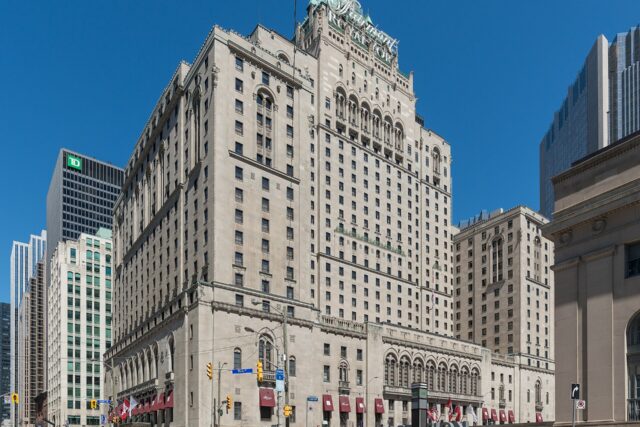
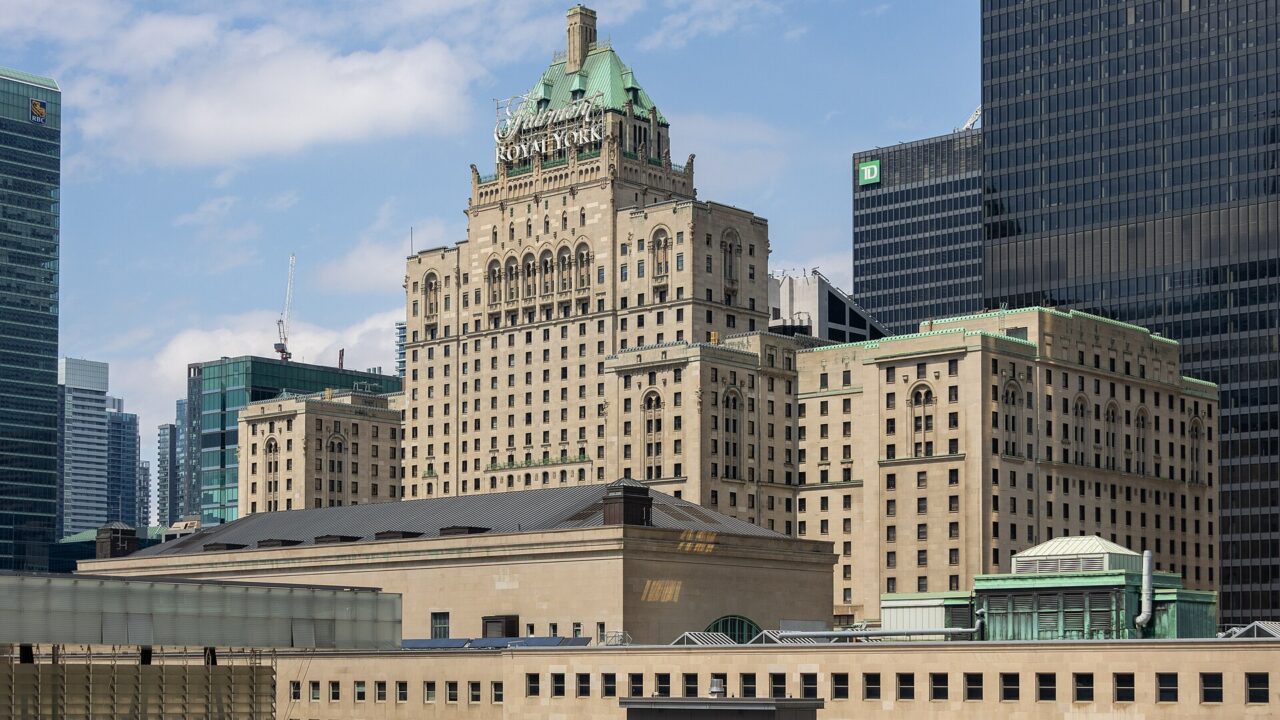
The historic Fairmont Royal York has anchored Front Street since 1929, providing elegant accommodation for a century of distinguished guests. This 28-storey iconic landmark features more than 1,000 rooms and suites maintaining historical elegance with modern luxury. Set on Front Street directly across from Union Station, the Royal York puts historic Toronto right at the door. The property’s luxurious spa, fine dining restaurants, and architectural grandeur make it a prestigious choice for where to stay in Toronto’s historic core. The Royal York’s loyal clientele appreciates its classic elegance and its central location beside Union Station.
St. Regis Toronto and Shangri-La: Ultra-Luxury Excellence
The St. Regis Toronto and Shangri-La Toronto represent ultra-luxury where to stay in Toronto, with personalized butler service, distinctive design, and unparalleled amenities. The St. Regis offers rooms and suites with marble finishes, exceptional views, and dedicated concierge service. Shangri-La Toronto similarly delivers ultra-luxury service and amenities in a visually stunning setting. These properties command premium rates but deliver transformative luxury experiences for demanding travelers.
Best Mid-Range Hotels in Toronto
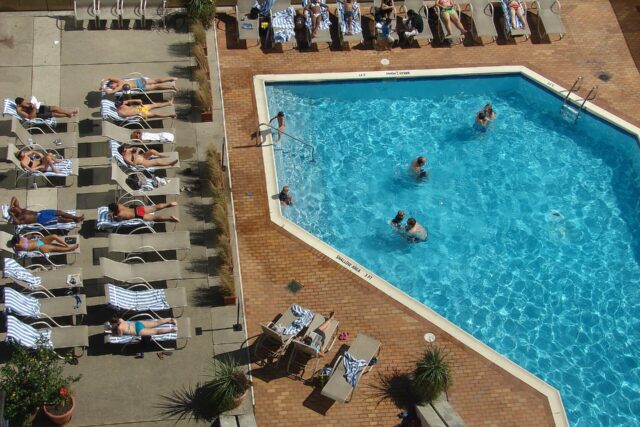
Mid-range hotels represent the sweet spot for many travelers seeking quality accommodation without premium luxury pricing. These properties offer excellent value, combining comfortable rooms, helpful service, and convenient locations at rates well below the luxury tier. Mid-range where to stay in Toronto options appeal to families, business travelers, and value-conscious leisure visitors. Major hotel chains operating Toronto locations include Hilton, Delta Hotels, DoubleTree, Marriott, and Best Western. These established chains provide consistent quality standards, loyalty program benefits, and transparent pricing. The Chelsea Hotel provides a family-friendly mid-range option with spacious rooms, pools, and a central Downtown location catering to families and groups. Many mid-range properties offer complimentary breakfast, reducing overall trip costs. Where to stay in mid-range Toronto hotels balances comfort, accessibility, and value effectively.
Budget-Friendly Options: Where to Stay in Toronto on a Budget
Budget accommodations make Toronto accessible for backpackers, students, and cost-conscious travelers. Hostels, budget hotels, and Airbnbs provide affordable where to stay in Toronto options without sacrificing comfort, location, or experience quality. Toronto’s hostel culture thrives with social spaces, shared kitchens, and international communities creating memorable travel experiences. Budget hotel chains operate multiple Toronto locations providing no-frills but clean, secure accommodation at discount rates. Where to stay on a budget in Toronto requires strategic choices but remains entirely feasible.
Toronto Hostel Scene: Social Budget Accommodation
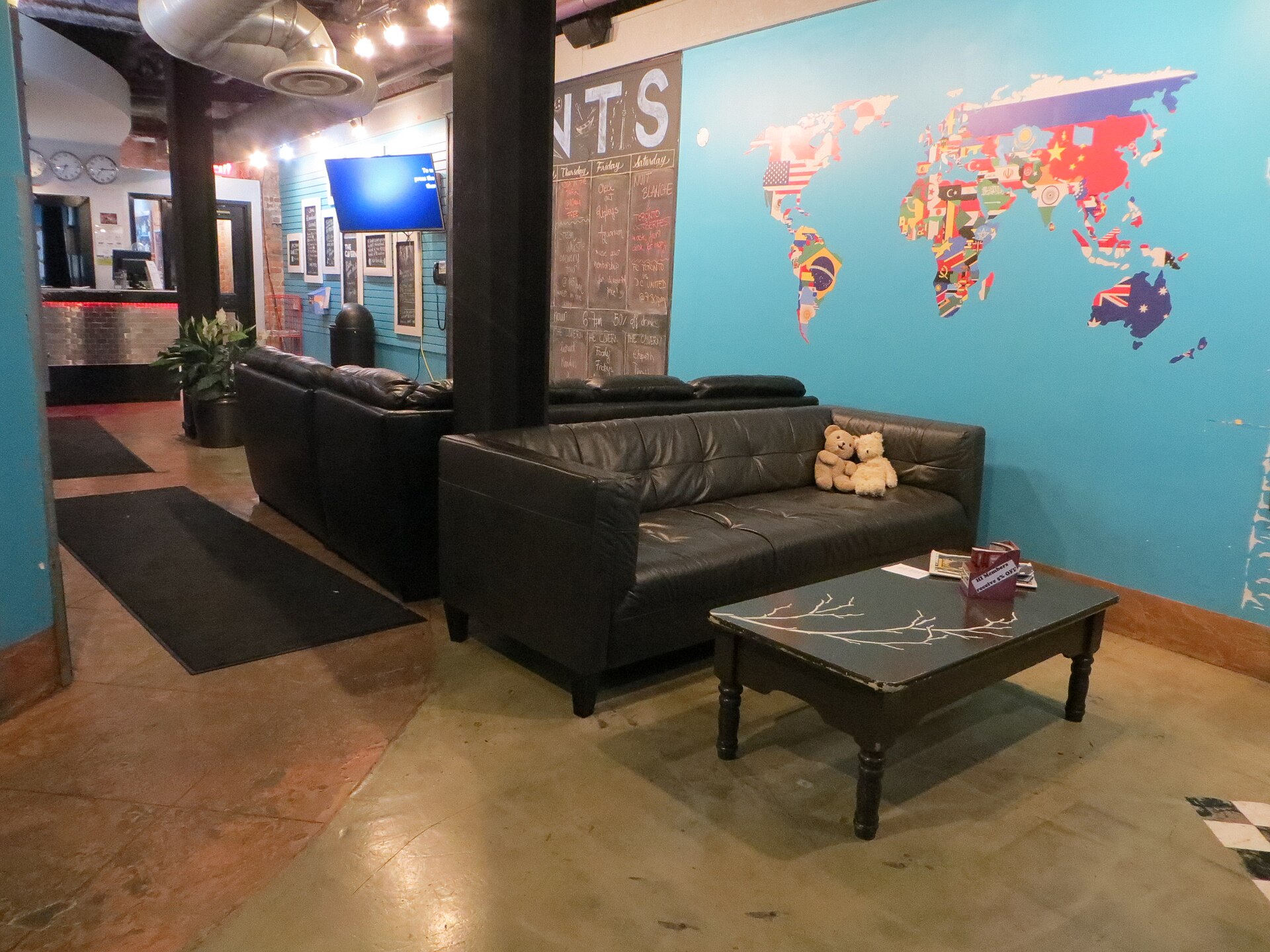
Toronto’s hostel scene offers social, affordable accommodation where to stay for backpackers and budget travelers from around the world. Hostels provide communal spaces, shared kitchens enabling meal preparation and cost savings, laundry facilities, and opportunities to meet fellow travelers. Popular hostels cluster in Downtown and Queen West neighborhoods, offering dorm beds and private rooms for far less than a hotel room. Major Toronto hostels include HI Toronto Hostel in Downtown, Festivals Hostel on King West, and Samesun Downtown Hostel, each offering distinct social atmospheres and neighborhood positioning. Hostels work best for independent travelers seeking social connections and cultural exchange.
Budget Hotel Chains and Budget-Focused Properties
Budget hotel chains including Super 8 (Super 8 Toronto East, for one) and Motel 6 operate in the Toronto area, providing no-frills where to stay in Toronto accommodations. These properties strip away luxury amenities but maintain cleanliness, security, and functional comfort. Budget hotels typically offer single or double beds, private bathrooms, and free Wi-Fi. Where to stay in budget hotels suits travelers prioritizing savings over amenities, short-term stays, and those splitting accommodation costs with travel companions. Budget chain hotels often provide loyalty program discounts and online booking specials further reducing costs.
Strategic Budget Travel Tips for Toronto
Maximize your budget where to stay in Toronto through strategic planning: visit during low season (January-February), when rates sit below summer’s; book directly with hotels rather than through online travel agencies taking commission fees; consider neighborhoods slightly outside central business districts where rates drop significantly; use loyalty programs accumulating free nights and upgrades; check for package deals combining accommodation with attraction tickets or dining; and share accommodations with travel companions splitting costs. Short-term Airbnb rentals with kitchen facilities enable meal preparation, which adds up fast when every meal would otherwise be a restaurant bill. University residences (open mid-May through August at the University of Toronto, Toronto Metropolitan University, and George Brown College) are another reliable budget lever, offering private-room rates well below downtown hotels in peak summer. Where to stay strategically in Toronto can cut accommodation costs in half compared to peak-season downtown hotels.
Boutique Hotels: Unique Places to Stay in Toronto
Toronto’s dynamic boutique hotel scene offers distinctive where to stay experiences with character-driven properties showcasing local design, art, and culture. These independent and smaller-chain properties provide personality-filled accommodations reflective of their neighborhoods. Boutique hotels combine style, service, and location advantages. Where to stay in Toronto boutique hotels suits travelers seeking unique experiences, design-conscious guests, and those valuing authenticity over standardized corporate properties.
Character-Driven Boutique Properties Defining Toronto’s Unique Hospitality
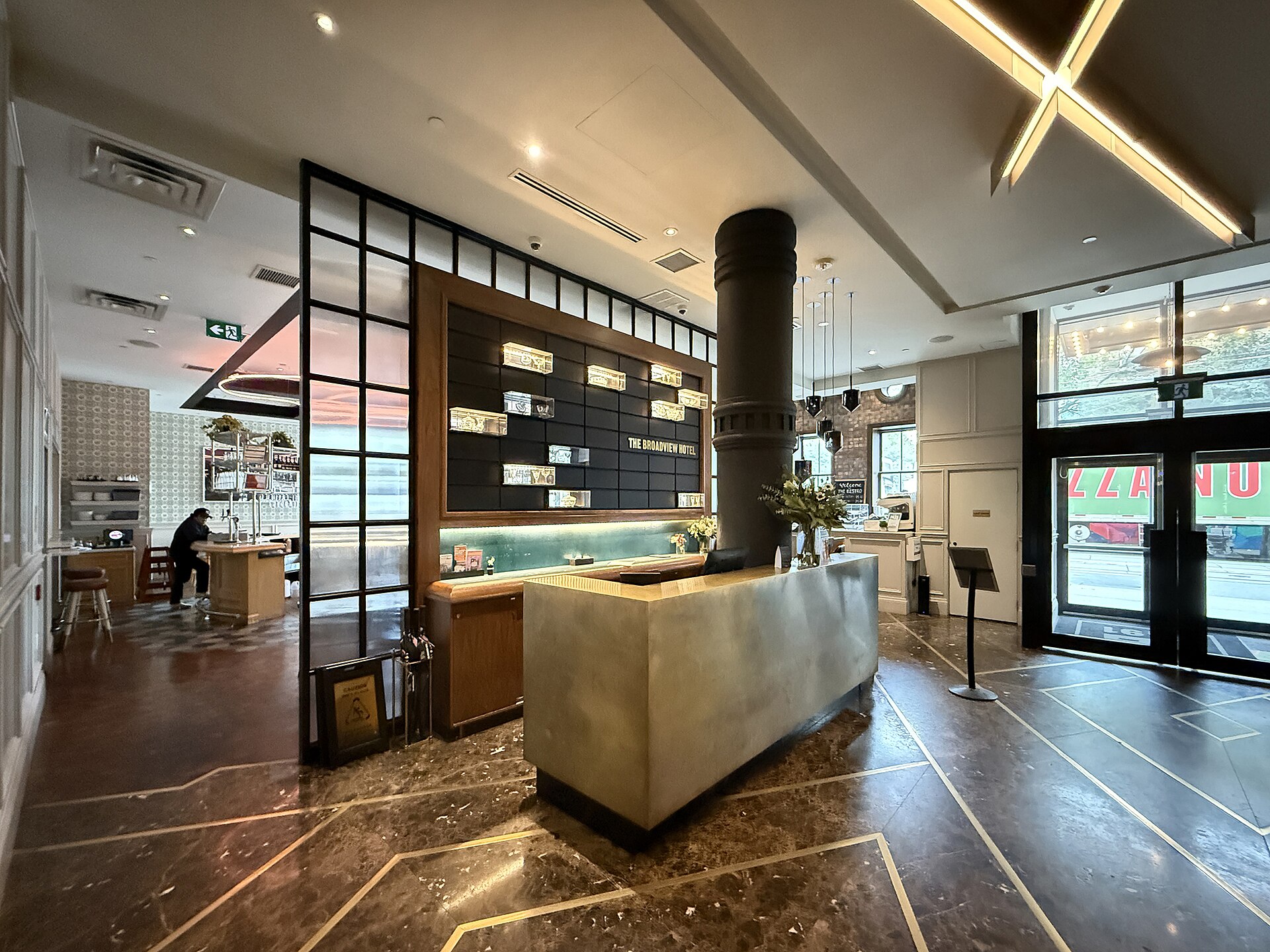
The Broadview Hotel combines restored Victorian architecture with modern minimalist design, creating a striking aesthetic. The building now houses 58 rooms preserving historical character while incorporating contemporary amenities. The Drake Hotel on Queen West showcases contemporary art installations, indie culture, and design-forward rooms attracting creative travelers. The Gladstone Hotel merges art gallery space with boutique accommodation, hosting exhibitions and creative events. Bisha blends luxury boutique hospitality with neighborhood integration, featuring diverse art installations and design elements. Anndore House offers Instagram-worthy design, curated local experiences, and distinctive space reflecting its neighborhood context. The Thompson Toronto provides design-centric luxury boutique accommodation with contemporary art and architecture. Each property provides unique where to stay in Toronto character reflecting neighborhood identity, artistic vision, and hospitality philosophy.
Best Airbnbs and Vacation Rentals in Toronto
Airbnb and vacation rental platforms expand where to stay in Toronto options beyond traditional hotels, offering apartments, houses, and unique properties providing home-like amenities and neighborhood immersion. These rentals appeal to families, groups, extended-stay visitors, and those seeking local living experiences. Vacation rental prices depend on neighborhood, seasonality, and property features. Vacation rentals enable meal preparation through kitchen facilities, reducing dining expenses significantly.
Premium Neighborhoods for Airbnb and Vacation Rental Experiences
Where to stay in Toronto via Airbnb, consider Queen West for artistic vibes, local shopping, and bohemian atmosphere; King West for nightlife proximity and restaurant access; Leslieville for family-oriented neighborhoods with parks and local character; Yorkville for upscale surroundings and shopping access; or the Beaches for summer fun and waterfront living. Each neighborhood presents distinct character and community while providing residential-style accommodation options. Choose neighborhoods based on your interests: culture and art in Queen West, nightlife in King West, parks and families in Leslieville, luxury and shopping in Yorkville, summer beach experiences in the Beaches.
Vacation Rental Strategy and Regulatory Considerations
When selecting where to stay in Toronto through Airbnb, review host ratings carefully examining guest comments; verify cancellation policies matching your flexibility needs; confirm kitchen facilities for meal preparation; check neighborhood transit access; review neighborhood photos and surrounding areas; and communicate with hosts about specific needs. Toronto’s short-term rental regulations require primary-residence registration and limit rentals to principal residences operated by individual hosts. Verify listings comply with current regulations avoiding legal complications. Where to stay in properly regulated vacation rentals ensures legitimate, legal accommodations supporting local communities.
Where to Stay in Toronto for Families
Families seeking where to stay in Toronto benefit from hotels offering spacious suites, pools, entertainment options, and kid-friendly amenities. Properties specifically designed for families simplify travel logistics while providing comfort for all ages.

Family-Friendly Hotel Features and Amenities
Where to stay in Toronto with children, prioritize properties offering connecting rooms or spacious suites accommodating multiple beds; multiple pools or water features keeping children entertained; complimentary breakfast reducing meal expenses; free Wi-Fi for entertainment and research; proximity to family attractions like Toronto Zoo and Ripley’s Aquarium; safe neighborhoods with family amenities; and kid-specific services like babysitting referrals or children’s menus. Suite hotels provide kitchenettes enabling snack preparation and formula warming. Family-friendly hotels like the Chelsea Hotel add family recreation areas, and its 130-foot indoor Corkscrew waterslide gives kids a reason to come back to the room. For ideas on filling the days between, our guide to Toronto’s best family attractions covers the zoo, the aquarium, and more.
Best Neighborhoods for Family Accommodations
Downtown Toronto offers maximum attraction access where to stay for families visiting museums, the CN Tower, and aquarium attractions. Yorkville provides upscale family hospitality near the ROM and shopping. The Waterfront offers park access, recreational activities, and peaceful escapes. Leslieville neighborhood appeals to families with beaches, parks, and recreational programs. Where to stay in family-appropriate Toronto neighborhoods balances attraction proximity with residential calm.
Where to Stay in Toronto During Major Events
Stadium matches, festivals and conventions all push up hotel rates and fill the best-placed rooms first, so where to stay in Toronto depends partly on what is happening in the city. Book early when a big event is on, and read the cancellation terms before you pay a deposit.

Choosing a Base When Rooms Are Scarce
When central Downtown rooms are scarce or expensive, consider staying in nearby areas with easy transit access. The Beaches, Leslieville, and Liberty Village all sit a short streetcar or GO Transit ride from the core, and west-end stays near the Exhibition GO station are especially handy for events at BMO Field. Whatever the event, flexibility about exact location widens your options.
Transit and Stadium Access Considerations
For stadium and arena events, access via TTC transit matters more than distance. Check the Toronto Transit Commission site for service changes on event days. Downtown, Yorkville, and Waterfront hotels provide excellent transit access, making these neighborhoods strategic choices despite premium pricing. Staying near a TTC subway station ensures reliable, efficient access to venues.
Practical Tips for Booking Toronto Hotels
Seasonal Pricing Patterns and Best Booking Times
Book where to stay in Toronto during low season (January-February) for the deepest discounts of the year. Winter suits budget travelers, while shoulder seasons (March-May, September-November) offer moderate pricing with pleasant weather. Summer (June-August) commands premium prices due to peak tourism, festivals, and events like Pride Toronto and Taste of Toronto. Fall brings comfortable weather and fewer crowds. Spring brings moderate prices with improving weather. Plan accordingly when choosing where to stay in Toronto based on seasonal preferences and budget constraints.
Transit Access and Neighborhood Connectivity Strategy
Select where to stay in Toronto near TTC subway stations enabling car-free exploration of the entire city. The TTC subway connects major neighborhoods: Line 1 runs north-south through Downtown and Yorkville, and Line 2 serves east-west corridors. Buses now cover the old Line 3 Scarborough RT route, which closed in 2023. Streetcars serve Queen West, Carlton Street, and other major arterials; our guide to getting around Toronto breaks down how the subway, streetcars, and PRESTO fares fit together. Hotels on subway lines cut transport costs and hassle while keeping the whole city in easy reach. Where to stay near transit maximizes accessibility and minimizes transportation expenses. Two more accommodation angles: the best Airbnbs in Toronto and where to stay on a first visit.
Strategic Booking Approaches and Deal Optimization
Determine your where to stay in Toronto priorities first: location convenience, specific amenities, budget constraints, or unique experience. Compare direct hotel websites, Booking.com, Expedia, and specialty sites like Airbnb to identify best rates. Watch for package deals combining accommodation with attraction tickets, dining credits, or experience packages. Join hotel loyalty programs earning member rates, free nights, room upgrades, and late checkout privileges. Set price alerts on booking sites for desired properties receiving notifications of rate drops. Consider slightly off-peak timing such as shoulder seasons or mid-week stays to stretch accommodation budgets where to stay in Toronto. Negotiate directly with hotels mentioning lower rates found elsewhere, particularly during slow periods. Where to stay strategically through research and flexibility can cut accommodation costs substantially.
Plan Your Stay: Explore More Toronto Accommodation
Once you’ve narrowed down a neighbourhood and a budget, these focused guides go deeper on each type of stay — useful for comparing specific properties before you book:
- downtown Toronto hotels – Premium properties in the city core with maximum attraction access
- Budget Hotels in Toronto – Affordable accommodation for cost-conscious travelers
- Luxury Hotels in Toronto – Five-star experiences and world-class hospitality services
- Best Airbnbs in Toronto – Vacation rentals and unique stays for home-like experiences
- Where to Stay in Toronto for First Time Visitors – Beginner’s guide to neighborhoods and orientation
- Boutique Hotels in Toronto – Distinctive properties with character and design excellence
- Hotels Near CN Tower Toronto – Close to the iconic landmark for convenient access
- Family Hotels in Toronto – Kid-friendly accommodations and amenities for family travel
Luxury in Yorkville, indie character on Queen West, better value in Leslieville, family-friendly amenities downtown — whichever direction you lean, Toronto has a neighbourhood and a price point to match. Pick the area first, book early for summer and major events, and let the city’s transit handle the rest. Plan ahead and the choice of where to stay in Toronto gets a lot easier.
Ready to book your perfect Toronto accommodation? Use the detailed recommendations above to guide your selection process, comparing neighborhoods, properties, and amenities that align with your travel style, budget, and priorities. Consider your must-have features, desired neighborhood atmosphere, and trip timing when determining where to stay in Toronto. The city’s excellent transit connections mean location flexibility exists beyond Downtown, allowing creative choices balancing budget and experience. Whether this is your first Toronto visit or your tenth return, these insights help you choose where to stay in Toronto perfectly suited to your travel needs. Start booking today and secure your ideal accommodation before availability becomes limited or prices spike during peak seasons.
Ritz-Carlton Toronto and Ultra-Luxury Alternatives
The Ritz-Carlton Toronto, a downtown hotel, completes the ultra-luxury options for where to stay in Toronto, offering personalized service, suites, concierge services, and fine dining at TOCA. This property attracts guests with unlimited budgets seeking the most exclusive experiences Toronto offers. Premium concierge services arrange private dining, spa treatments, and exclusive access to events. Where to stay at Ritz-Carlton means experiencing service standards comparable to the world’s finest luxury properties in Paris, Monaco, or the Middle East luxury capitals. These ultra-luxury properties maintain service standards where every detail receives attention, from thread count specifications to personalized pillow menus to dietary preference documentation ensuring perfectly customized service.
Understanding Toronto’s Diverse Traveler Demographics and Accommodation Needs
Where to stay in Toronto depends fundamentally on understanding your traveler profile and specific accommodation needs. Toronto attracts diverse visitor types including international tourists, business executives, families, adventure seekers, cultural enthusiasts, and special-occasion travelers. Each demographic requires different accommodation features, neighborhood characteristics, and service levels. International visitors often prioritize landmark proximity and iconic experiences where to stay in Downtown or Yorkville accommodations. Business travelers need convenient airport access, executive facilities, and corporate amenities favoring financial district hotels. Families prioritize space, pools, entertainment, and child-friendly services. Adventure travelers seek unique, budget-conscious properties enabling exploration. Cultural tourists value neighborhood character, local experience, and authentic atmosphere. Understanding your primary travel motivation determines where to stay in Toronto most effectively.
First-Time Visitor Considerations for Where to Stay
First-time visitors to Toronto should prioritize where to stay in locations maximizing iconic attraction access. Downtown Toronto provides walking distance to CN Tower, St. Lawrence Market, Distillery District, and Entertainment District venues. Yorkville offers upscale neighborhood experience near ROM and art galleries. Where to stay as a first-timer in Downtown balances attraction proximity with a wide choice of mid-range hotels. Most visitors regret staying outside central neighborhoods experiencing lengthy transit times to attractions. Conversely, staying three nights in Downtown, two nights in Yorkville, and two nights in Queen West provides comprehensive Toronto experience exposure across distinct neighborhood characters.
Extended-Stay and Seasonal Considerations
Extended-stay travelers spending 10+ days where to stay in Toronto benefit from Airbnb rentals or from asking hotels about monthly rates. These accommodations feature kitchens enabling meal preparation and home-like living. Seasonal travelers visiting winter for sports events or summer for festivals require different neighborhood considerations. Winter visitors seeking entertainment and shopping cluster in Downtown and Yorkville. Summer beach-oriented travelers prefer the Beaches neighborhood. Festival visitors attending Toronto International Film Festival (TIFF) in September stay Downtown or Yorkville. Where to stay strategically for seasonal events requires advance understanding of specific event locations and transportation logistics.
Special Considerations and Unique Toronto Accommodation Experiences
Beyond traditional hotel categories, Toronto offers unique accommodation experiences providing distinctive where to stay options. Farm stays within a day’s drive of Toronto provide rural escapes from urban intensity. Historic inn accommodations preserve Toronto’s heritage while providing personalized service. University residence hotels during summer offer affordable alternative accommodation in collegiate settings. Glamping sites elsewhere in Ontario combine nature access with comfort. Where to stay in these unique properties suits travelers seeking distinctive experiences beyond standard hotel categories. Prices for these alternative accommodations vary widely, and they make for memorable, conversation-starting stays. Booking these specialized properties requires advance research and direct contact with operators.
Pet-Friendly Accommodation Options Where to Stay with Your Dog or Cat
Many Toronto hotels welcome pets, recognizing that travelers increasingly travel with companion animals. Pet-friendly where to stay in Toronto includes numerous hotels offering designated pet rooms, usually with an extra cleaning fee. Many pet-friendly properties provide food/water bowls, pet beds, and designated relief areas. Downtown hotels including Fairmont Royal York, Four Seasons, and Hyatt Regency welcome pets. Mid-range properties like Delta Hotels often offer pet programs. Where to stay with pets requires advance confirmation of pet policies, size restrictions, and additional fees. Some properties restrict certain breeds or require vaccination documentation. Pet-friendly neighborhoods closer to parks like Yorkville (near Yorkville Park), the Waterfront (multiple parks), and the Beaches (off-leash dog beach) offer exercise opportunities for animal companions.
Accessibility Accommodations for Mobility-Impaired Travelers
Where to stay in Toronto with accessibility needs requires careful hotel selection ensuring ADA-compliant rooms with proper wheelchair access, bathroom grab bars, accessible parking, and staff familiarity with accessibility requirements. Most major hotels provide accessible rooms with advance notice. Toronto Transit (TTC) provides excellent accessibility with accessible subway stations and elevators. Downtown and Yorkville hotels cluster near accessible transit stations. Where to stay with mobility challenges benefits from Downtown and Yorkville neighborhoods positioning near accessible attractions. The Four Seasons, Fairmont, and Hyatt Regency maintain excellent accessibility standards. Contacting hotels directly about specific accessibility needs ensures proper accommodation rather than relying on online descriptions potentially missing critical details.
Advanced Booking Strategy and Negotiation Tactics
Savvy travelers maximize accommodation value through strategic booking approaches where to stay in Toronto efficiently and affordably. Subscribing to hotel loyalty programs generates points translating to free nights and upgrades. Elite membership status in programs like Marriott Bonvoy, Hilton Honors, and IHG Rewards provides lounge access, free breakfast, and guaranteed upgrades. Comparing rates across hotels.com, Booking.com, Expedia, and direct websites reveals discrepancies enabling informed selection. Calling hotels directly often yields better rates than online systems, particularly during slow periods. Mentioning specific lower rates discovered elsewhere prompts rate-matching offers. Bundling accommodation with dining or attraction packages frequently reduces overall costs. Visiting during shoulder seasons (April-May, September-October) optimizes pricing and crowd levels where to stay in Toronto.
Flexible Dates and Package Deals Reducing Where to Stay Costs
Flexibility regarding travel dates dramatically affects where to stay accommodation pricing in Toronto. January and February are the city’s low season for hotel rates. Packages combining accommodation with attraction tickets, dining credits, or experiences provide better value than separate bookings. Toronto tourism office websites list current packages combining hotels with specific attractions or experiences. Many hotel chains offer package deals with partners like Ripley’s Aquarium, the CN Tower, or blue jays baseball games.
Rate Alert Systems and Notification Strategies
Setting rate alerts on Hotwire, Kayak, Google Flights Hotel, and Booking.com notifies travelers when prices drop for selected properties and dates. Email alerts enable price tracking for six months or more before travel where to stay in Toronto decisions finalize. Monitoring price history for specific properties reveals optimal booking windows. Prices fluctuate considerably, so no single booking window wins every time. Using incognito browser windows prevents cookie-based price increases on booking websites. Comparing the same property across different platforms reveals significant price variations enabling strategic selection. Where to stay efficiently requires systematic price monitoring and strategic booking timing aligned with price fluctuation patterns.
Toronto Accommodation Safety and Verification Best Practices
Ensuring safe, legitimate accommodations requires verification and awareness where to stay in Toronto. Booking through reputable platforms (Booking.com, Hotels.com, Airbnb, hotel direct websites) reduces fraud risk. Verifying official hotel contact information before booking protects against scam websites mimicking legitimate properties. Reading recent guest reviews identifies current conditions and genuine guest experiences. Communicating with Airbnb hosts before booking clarifies expectations and builds confidence. Securing accommodations with established payment systems and refund protections ensures protection. Where to stay decisions should include review analysis identifying patterns (cleanliness, noise, staff, amenities) rather than isolating positive or negative reviews. Checking neighborhood safety ratings and transportation access provides comprehensive safety assessment beyond immediate accommodation features.
Scam Avoidance and Legitimate Booking Practices
Accommodation fraud represents a real threat where legitimate-appearing websites or properties disappoint or defraud guests. Avoiding overly discounted rates suggesting too-good-to-be-true offers protects against scams. Verifying official hotel websites directly rather than clicking search engine links prevents phishing sites mimicking legitimate properties. Using credit cards rather than wire transfers or cryptocurrency provides fraud protection. Requesting written confirmation including cancellation policy and specific room details prevents misunderstandings. Booking accommodations significantly below market rates should trigger skepticism. Where to stay through reputable platforms with verified reviews and secure payment systems reduces fraud risk substantially. Never booking accommodations through social media private messages, unverified email addresses, or non-professional communication channels avoids common scam vectors.
Climate and Weather Considerations for Seasonal Where to Stay Planning
Toronto’s distinct seasons dramatically affect where to stay comfort, activities, and accommodation choices. Winter (December-February) brings sub-zero temperatures and snow requiring cold-weather activities accommodation near skiing, ice skating, and winter festivals. Winter hotels provide indoor amenities, central heating, and access to indoor attractions. Spring (March-May) offers pleasant weather, festivals, and outdoor activities enabling neighborhood exploration. Summer (June-August) brings warm weather, outdoor festivals, and peak tourism requiring early booking and premium pricing. Fall (September-November) provides comfortable weather, cultural festivals, and shorter crowds. Where to stay seasonally influences neighborhood choice; summer travelers prefer waterfront and beach access; winter visitors need entertainment-focused Downtown or Yorkville proximity; spring and fall travelers have maximum neighborhood flexibility. Packing requirements and activity planning depend on seasonal climate considerations.
If Niagara Falls is on your list, the biggest accommodation decision may not be which Toronto neighbourhood to choose but whether to spend a night at the falls at all. For most trips of four days or more, the answer is a split stay: most nights in the city, one near the falls. See our guide to whether you should stay in Toronto or Niagara Falls.
Your Perfect Toronto Stay Awaits
This exhaustive guide equips you to determine where to stay in Toronto with confidence, informed decision-making, and clear understanding of available options across all neighborhood types, accommodation categories, price ranges, and traveler demographics. Toronto welcomes millions of visitors annually across all seasons, each discovering unique personal Toronto through their accommodation choice lens. Whether seeking luxury Yorkville elegance, local Queen West character, budget-conscious Leslieville value, family-focused Downtown proximity, or beachside summer Beaches experience, Toronto’s accommodation diversity ensures perfect matching with your travel priorities and budget.
Begin planning where to stay in Toronto today by identifying your primary travel motivations: attraction exploration, cultural immersion, dining experiences, nightlife, relaxation, family bonding, or unique adventure. Next, determine your budget constraints including overall accommodation ceiling and per-night comfort level. Research neighborhoods aligning with your interests using this guide’s descriptions. Set rate alerts tracking your selected properties. Book strategically during shoulder seasons if scheduling permits. Verify cancellation policies and specific amenity details before confirming. Communicate with property owners or managers regarding special needs or preferences. Pack seasonally appropriate clothing. Most importantly, approach your Toronto accommodation choice as a foundational element enhancing your overall visit experience, worthy of thoughtful selection and strategic planning rather than last-minute convenience decisions. Where to stay in Toronto sets the tone for your entire visit—choose wisely and enjoy the remarkable city awaiting your arrival.
Photo Credits
Fairmont Royal York in downtown Toronto: Fairmont Royal York from CIBC Square Park, May 13 2026 (01) by Dillan Payne, CC BY-SA 4.0, via Wikimedia Commons.
Hyatt Regency Toronto: Hyatt Regency, Entertainment District, Toronto, Ontario (21849789041) by Ken Lund, CC BY-SA 2.0, via Wikimedia Commons.
The Broadview Hotel lobby: The Broadview Hotel Lobby 2025 by Canmenwalker, CC BY 4.0, via Wikimedia Commons.
Four Seasons Hotel and Residences in Toronto: Four Seasons Toronto 2025-05-07 by JK Liu, CC BY-SA 4.0, via Wikimedia Commons.
Westin Harbour Castle on Toronto Harbour: Westin Harbour Castle 2025-04-27 by JK Liu, CC BY-SA 4.0, via Wikimedia Commons.
CN Tower from the Entertainment District: CN Tower, Entertainment District, Toronto, Ontario (29889740012) by Ken Lund, CC BY-SA 2.0, via Wikimedia Commons.
HI Toronto hostel lounge: 20161001 01 HI Hostel, Toronto, Ontario (25382628298) by David Wilson, CC BY 2.0, via Wikimedia Commons.
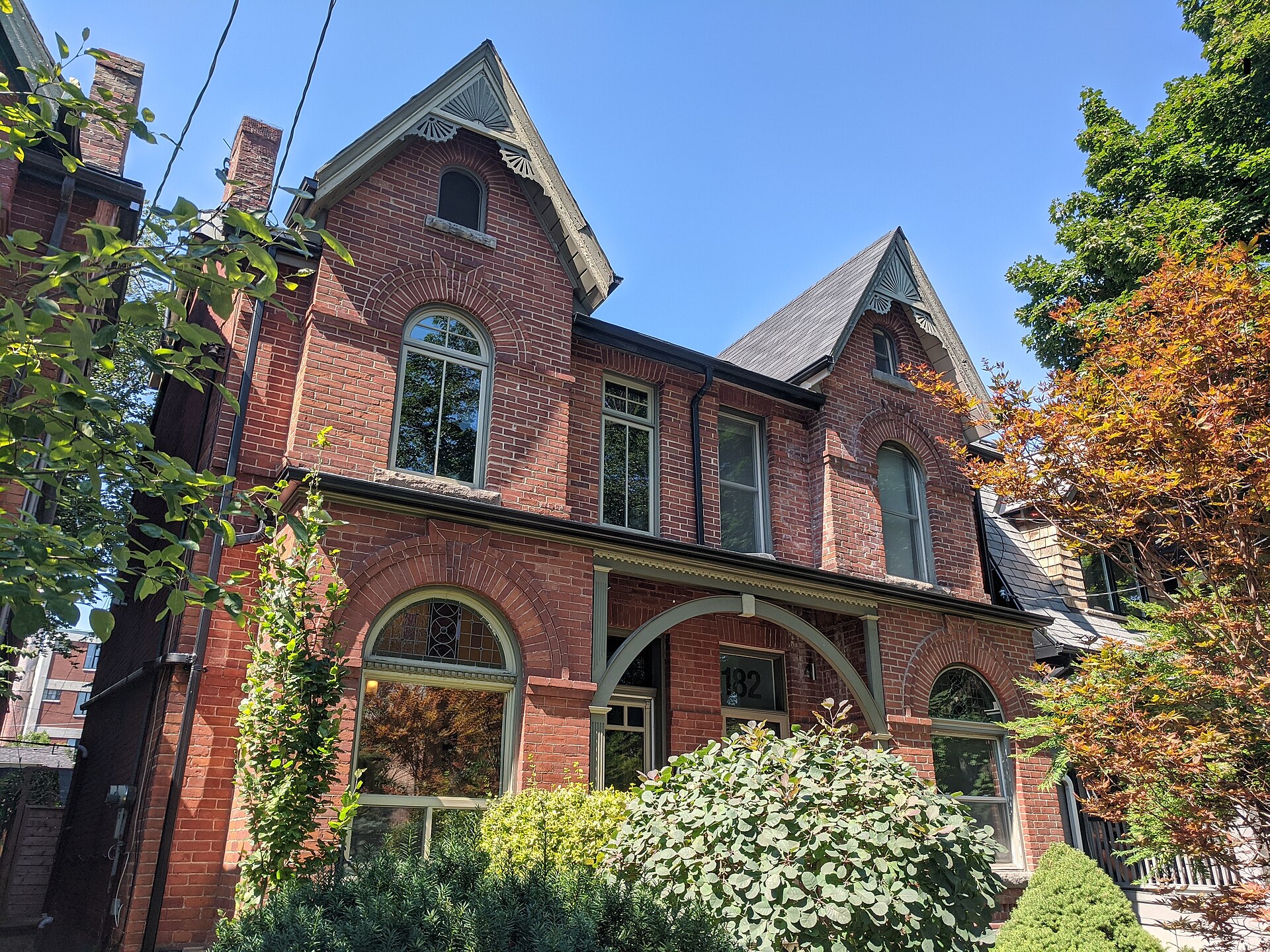
Victorian homes in Leslieville: Leslieville3 by Adamqcohen, CC BY-SA 4.0, via Wikimedia Commons.
Shark tank viewing bubble at Ripley’s Aquarium of Canada: Kids in Shark Tank (20546569220) by Evan Delshaw, CC BY 2.0, via Wikimedia Commons.