Somewhere in Toronto on any given Friday night, two meals are happening a few kilometres apart. In one, eight people sit in silence at a pale hinoki counter while a chef slices a single piece of fish imported from Tokyo’s markets days earlier, brushes it with soy and sets it in front of each of them in turn. In the other, a table of students in the Annex is working through a boat of dragon rolls drizzled with spicy mayo and eel sauce, and having, frankly, just as good a time. Both of those are the best sushi Toronto offers, depending on who you are and what you want — and the city is unusually good at both ends and at most of the space in between.
This guide sorts it out: the Michelin-starred omakase counters, the serious mid-range sushi bars, the flame-seared aburi style that has become a Toronto signature, where to get good value at lunch, and an honest word on all-you-can-eat. Restaurant details and awards were checked in September 2026 and prices are in Canadian dollars. Sushi prices move with the fish market and the exchange rate, and omakase menus in particular change often, so treat any figures as the right order of magnitude and check the restaurant’s own site when you book.
Best Sushi in Toronto at a Glance
| If you want… | Go to | Rough budget per person* |
|---|---|---|
| The most celebrated omakase in Canada | Sushi Masaki Saito, Yorkville | Several hundred dollars — among the priciest meals in the country |
| Michelin-starred Edomae sushi | Shoushin, midtown Yonge | Premium omakase pricing; shorter introductory menu available |
| Aburi (flame-seared) fine dining | Aburi Hana, Yorkville | Premium tasting menu |
| A classic, long-running omakase bar | Yasu, Harbord Street | High-end omakase |
| Downtown omakase near the Financial District | Sushi Yugen | Mid- to high-end |
| Aburi sushi with a waterfront view | Miku, Bay Street | Mid-range to special-occasion |
| A cheap and cheerful student classic | Sushi on Bloor, the Annex | Budget |
| All-you-can-eat | Kaka and the many AYCE chains | Budget, fixed price |
*Before 13% HST and a 15–20% tip, which together add roughly a third to the menu price. See our Toronto tipping guide.
How Sushi Works in Toronto
Toronto’s sushi scene has three layers, and understanding them makes choosing much easier.
The top layer is the omakase counter: a small number of seats, a fixed menu chosen by the chef, and fish flown in from Japan alongside the best of Canada’s own seafood. These are booked weeks ahead, often require a deposit or card guarantee, and cost as much as dinner at any fine-dining restaurant in the city. Five of Toronto’s Michelin-starred restaurants are Japanese, which tells you how seriously this tier is taken.
The middle layer is where most locals actually eat good sushi: sushi bars and Japanese restaurants with à la carte nigiri, sashimi and a chef’s-choice option, where you can spend a very reasonable amount at lunch or push the boat out at dinner. The aburi restaurants sit here.
The bottom layer is enormous. Toronto has hundreds of neighbourhood sushi places, many run by Korean and Chinese Canadian owners, specialising in maki rolls, bento boxes and lunch specials, plus a thriving all-you-can-eat circuit. Quality varies wildly — from excellent value to genuinely poor — and this is where visitors most need a little guidance.
Toronto’s own contribution: sushi pizza
One thing you will find on menus here that you will not find in Japan is sushi pizza: a patty of rice, fried until crisp on the outside, topped with salmon or tuna, avocado, spicy mayo and a scattering of tobiko, then cut into wedges. It is widely credited as a Toronto invention of the 1990s, and it has never caught on much elsewhere. It is not refined, it is not traditional, and it is surprisingly good with a beer. Order it once, somewhere mid-range, and decide for yourself.
The Michelin-Starred Sushi and Japanese Restaurants
When the Michelin Guide arrived in Toronto in 2022, Japanese restaurants took a remarkable share of the stars, and they still do. As of the 2025 guide, five Japanese restaurants hold one star each. The guide is revised every autumn, so check the current edition before booking on the strength of a star; our guide to Michelin restaurants in Toronto covers the full list, including the non-Japanese restaurants.
Sushi Masaki Saito
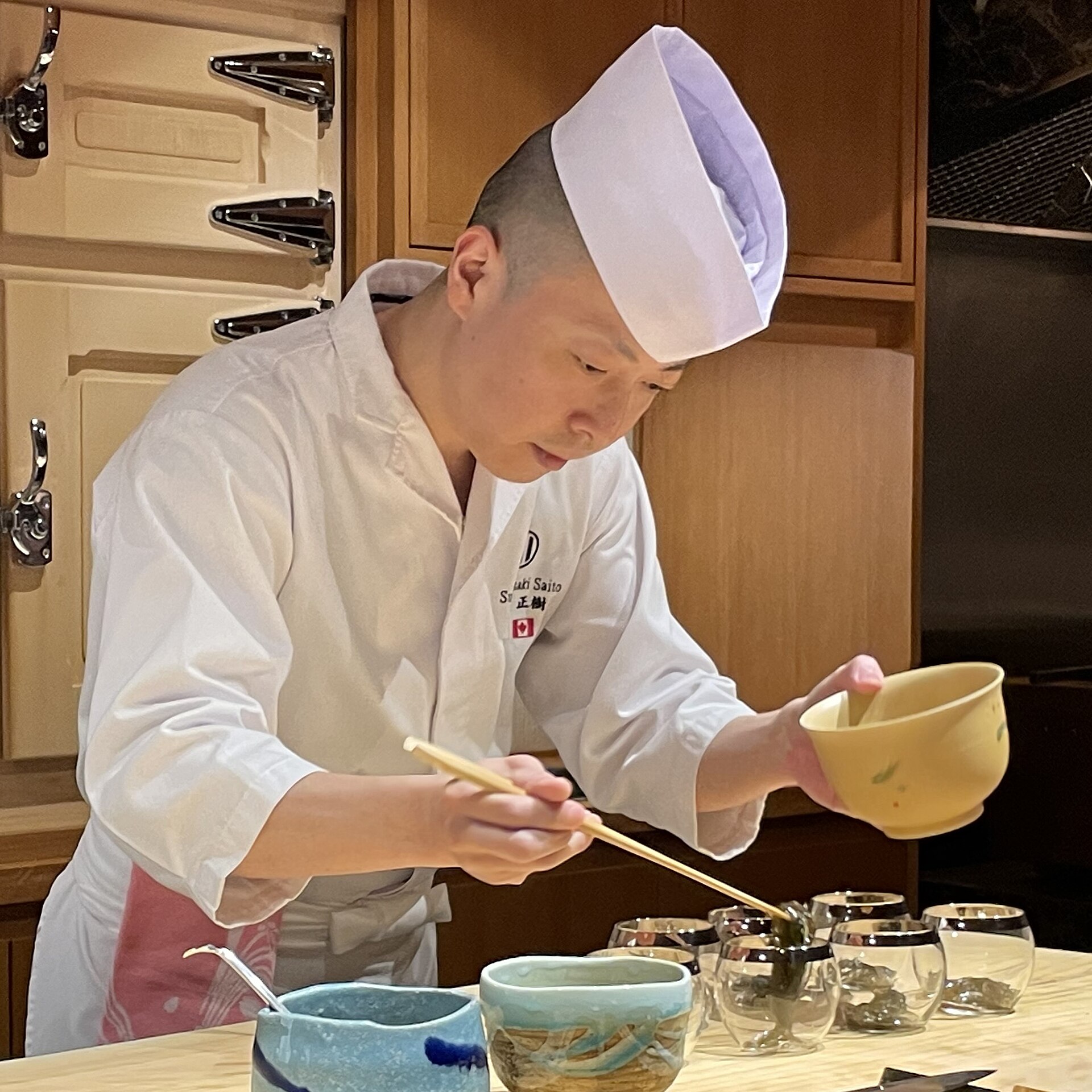
For several years the most decorated restaurant in Canada. Chef Masaki Saito came to Toronto from New York, where his earlier restaurant had also earned two stars, and when the Michelin Guide Toronto launched his Yorkville counter became the first restaurant in Canada with two stars. In 2025 it dropped to one star, a decision that caused a lot of discussion in local food circles and has not noticeably affected how hard it is to get a seat.
The format is pure, uncompromising Edomae omakase: a long progression of small appetisers followed by nigiri, served at a hinoki counter in a converted house on Avenue Road, with a great deal of the fish sourced from Japan. It is also one of the most expensive meals in Canada — third-party reports put the dinner omakase at several hundred dollars a head before drinks, tax and tip. For the kind of diner who has eaten at the top sushi counters in Tokyo or New York and wants to know how Toronto compares, this is the reservation. For almost everyone else, the honest advice is that you can have an extraordinary sushi meal in Toronto for a third of the price, and the difference between very good and best-in-country is something only a small number of people will notice.
Shoushin
Chef-owner Jackie Lin’s counter on Yonge Street in midtown holds one Michelin star and is, for many Toronto sushi obsessives, the more satisfying of the top-tier choices. The room is minimal and calm, built around a hinoki sushi bar, and the style is Edomae — aged and cured fish, carefully seasoned rice, and nigiri meant to be eaten the moment it lands. What sets it apart for a visitor is the choice of menus: an introductory omakase for first-timers, and a longer, more personalised menu for those with bigger appetites and budgets. That makes it a rare Michelin-starred sushi counter where a first visit does not require the full commitment.
Aburi Hana
A Yorkville restaurant with one Michelin star, from the same group that runs Miku and Minami. Where those are lively and approachable, Aburi Hana is intimate and precise: a kaiseki-influenced tasting menu that works in the group’s signature aburi technique — flame-searing the top of the fish — alongside more traditional preparations. If you want to understand why aburi is so closely associated with Toronto’s Japanese dining, this is the most refined place to try it. Our Yorkville guide has ideas for before and after.
Kaiseki Yu-zen Hashimoto and Kappo Sato
Two more one-star Japanese restaurants complete the set, though neither is a sushi restaurant in the strict sense. Kaiseki Yu-zen Hashimoto serves formal multi-course kaiseki — the seasonal, highly ritualised haute cuisine of Kyoto — and is as much a cultural experience as a meal. Kappo Sato is a kappo-style counter, where the chef cooks in front of you across a range of techniques. Both are excellent choices for a special occasion if you have already done sushi omakase, or if someone in your group is less keen on raw fish.
Serious Sushi Bars Without the Michelin Premium
This is where the best value in serious sushi lives. None of these are cheap, but each offers a chef-driven sushi experience at considerably less than the starred counters.
Yasu
Tucked away on Harbord Street near the University of Toronto, Yasu is often described as Toronto’s first dedicated omakase sushi bar, and it helped establish the counter-only, chef’s-choice model in the city years before the Michelin Guide arrived. The room is small, the seatings are fixed, the service is quiet and precise, and the sequence of nigiri is the whole point. For many locals this is the benchmark against which newer omakase counters are measured. It books up well in advance.
Sushi Yugen
An omakase counter downtown, a short walk from the Financial District, and a popular choice for a special business dinner or a first omakase experience in the core of the city. Menus vary by season and time of day, and it is well suited to visitors staying downtown who do not want to travel up to Yorkville or midtown.
Yukashi
Chef Daisuke Izutsu’s restaurant on Mount Pleasant Road serves a multi-course Japanese tasting menu rather than sushi alone, and has a strong following among Japanese-cuisine regulars. Regularly featured in local best-of lists, it is a good compromise if you want a refined, chef-driven evening at a lower price than the starred restaurants.
How to choose between them
- First omakase ever? Pick a counter with an introductory menu or a shorter set, and sit at the bar rather than at a table.
- Want purist Edomae? Shoushin or Yasu.
- Want to see the aburi style done properly? Aburi Hana, or Miku for a more casual version.
- Staying downtown with no appetite for a cab ride? Sushi Yugen or Miku.
- Celebrating something once in a lifetime and money is no object? Sushi Masaki Saito.
Aburi: Toronto’s Signature Style
Aburi means “flame-seared”, and the technique is simple: a blowtorch passed over the top of a slice of fish on its rice, so the surface caramelises and the fat melts slightly while the underside stays raw. Salmon is the classic, often topped with a creamy sauce and a slice of jalapeño before searing. The style was popularised in Canada by the Miku group, which started in Vancouver and brought it to Toronto, and it is now everywhere from high-end tasting menus to neighbourhood sushi joints.
Miku
Miku sits at the foot of Bay Street near the waterfront, a big, stylish, buzzing room that is equally good for a business lunch, a date or a family celebration. The aburi oshi sushi — pressed rectangles of rice topped with seared salmon or mackerel — is the dish to order. It is more expensive than a neighbourhood sushi restaurant but considerably less than an omakase counter, and service is polished. It is the easiest good-sushi recommendation to make to a visitor staying downtown, and it pairs naturally with a walk along the waterfront.
Minami
Miku’s sibling in the King West area has a similar menu with a slightly more nightlife-oriented feel, fitting its neighbourhood. It makes a good pre-theatre or pre-show dinner if you are heading to the Entertainment District.
Good-Value Sushi and Lunch Sets
You do not need to spend big to eat good sushi in Toronto. The key is lunch.
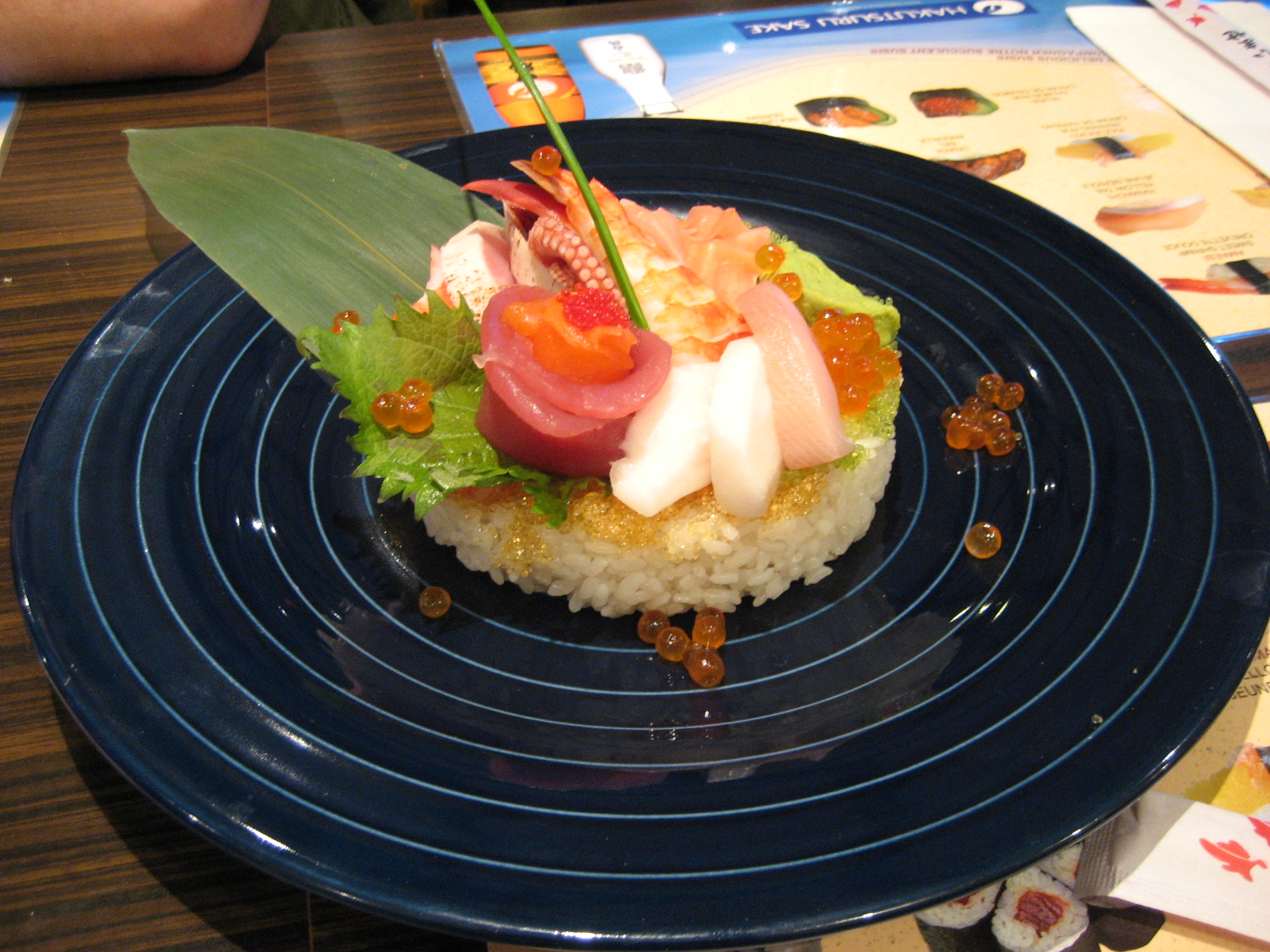
Almost every mid-range Japanese restaurant in the city runs lunch specials on weekdays: a bento box, a sushi and sashimi combo, or a chirashi bowl — a bowl of seasoned rice topped with an assortment of sliced raw fish — at a fraction of the dinner price for similar food. Office-heavy areas such as the Financial District, King and Bay, and the Yonge and Eglinton corridor are full of them. If sushi is the point of your trip rather than a single blowout meal, eating a serious sushi lunch and something else for dinner is by far the most efficient approach.
Japango
A tiny, much-loved sushi restaurant on Elizabeth Street, near the hospitals just north of Nathan Phillips Square, Japango has a loyal following of local office workers, medical staff and in-the-know regulars who come for straightforward, very fresh sushi and sashimi at fair prices. It is small and fills up fast at lunch, so arrive early or late.
Sushi on Bloor
A student staple in the Annex for years: generous portions, very fair prices, long queues at peak times and a menu weighted towards maki rolls and combos. It is not refined, it is not trying to be, and it is a very good example of what Toronto does well at the budget end. Combine it with an afternoon in the Annex and Bloor West.
Neighbourhood sushi
Every Toronto neighbourhood has its local sushi place, and many are good. A few tells that you are in a better one: a sushi chef visibly working behind a counter rather than everything coming from a hidden kitchen; a short list of daily fish or specials on a board; rice that is slightly warm, loosely packed and properly seasoned rather than cold and dense; and a menu that is not dominated by deep-fried rolls smothered in sauce.
All-You-Can-Eat Sushi: The Honest Verdict
All-you-can-eat sushi is a genuine Toronto institution, especially in the suburbs and around the universities. You pay a fixed price — higher at dinner and at weekends — and order from a menu on a tablet or paper sheet in rounds, with a surcharge for leftovers to stop over-ordering. Kaka is one of the better-known AYCE names, and there are dozens of others across the city and the suburbs.
The honest verdict: it is great fun with a group, particularly with teenagers or anyone with a big appetite, and the value in terms of sheer volume is extraordinary. It is not the place for good sushi. The fish is usually a narrow range — salmon, tuna, surimi and a few whitefish — cut thicker and served colder than in a proper sushi bar, the rice is packed to survive the rush, and the menu leans heavily towards rolls, tempura and teriyaki. Go for the experience and the company, not the craft. If you have one sushi meal in Toronto, do not make it this one.
Sushi Etiquette for Omakase
You do not need to be an expert to enjoy an omakase counter, and chefs in Toronto are used to first-timers. A few points will help you enjoy it more and avoid awkward moments.
- Book carefully. Many counters take deposits or card guarantees and charge for late cancellations or no-shows. Read the policy.
- Declare allergies and dietary restrictions when booking, not when you sit down. The menu is planned around the fish bought that morning.
- Arrive on time. Counter seatings usually start together, and latecomers miss courses.
- Skip strong perfume or cologne. At a counter, scent carries and affects everyone’s meal.
- Eat nigiri in one bite, and soon after it is placed in front of you — the temperature of the rice matters. Hands are perfectly acceptable.
- Do not add soy or wasabi unless invited. The chef has already seasoned each piece.
- Photos are generally fine without flash, but take them quickly.
- Ask questions. Chefs are usually delighted to tell you where the fish came from.
Sushi by Neighbourhood
If you would rather pick an area than a restaurant, here is how the sushi map of Toronto breaks down.
Yorkville and midtown
The high end. Sushi Masaki Saito and Aburi Hana are in Yorkville, Shoushin is further north on Yonge, and Yukashi is on Mount Pleasant. This is where you come for a booked, special-occasion omakase, and where you should dress a notch above what you would wear elsewhere in the city. The surrounding streets are good for a drink afterwards, but do not expect late-night food.
Financial District and the waterfront
Office-worker territory, which means two things: excellent weekday lunch sets and a quieter scene at weekends, when some places close or cut their hours. Sushi Yugen and Miku are the headline names, and the underground food courts of the PATH have plenty of quick sushi counters for a desk-lunch standard of meal between sights.
King West and the Entertainment District
Livelier, louder, later. Minami is here, along with a lot of Japanese-inspired restaurants that lean towards cocktails and sharing plates. Good for a pre-show dinner before the theatre or a game, less good for a quiet, concentrated sushi meal.
The Annex and around the university
Student prices and student queues. Sushi on Bloor is the classic, and the streets around Bloor and Spadina have several more cheap and cheerful options. Yasu, on nearby Harbord Street, is the exception — a serious omakase counter hiding in a neighbourhood better known for its budget eats.
North York, Scarborough and Markham
The suburbs are where a lot of Toronto’s Japanese and East Asian communities live, and where some of the best-value and most authentic Japanese food in the region is found, along with the biggest all-you-can-eat restaurants. The catch for visitors is distance: without a car, a dinner up here can mean a long subway and bus ride each way. Worth it if you are staying nearby or combining it with a visit to friends; less so as a special trip from downtown.
Takeaway for a picnic
On a warm day, a box of sushi eaten on a bench on the waterfront or on the ferry lawn at the Toronto Islands is a very good lunch. Most mid-range Japanese restaurants do takeaway, and supermarket sushi in the city is better than in many places — though it is still supermarket sushi, so eat it the day you buy it and keep it out of the sun.
Budget: What Sushi Costs in Toronto
Prices vary widely and change often, so the most useful thing is a sense of the bands. As a rough guide per person, before tax and tip:
| Type of meal | What to expect |
|---|---|
| Supermarket or food-court sushi | The cheapest option; convenient, not memorable |
| Neighbourhood lunch special or bento | Budget — often the best value per piece of good fish |
| All-you-can-eat | A fixed price, higher at dinner and weekends, plus penalties for leftovers |
| Mid-range sushi dinner with drinks | A comfortable mid-range restaurant bill |
| Aburi restaurant dinner (Miku, Minami) | Special-occasion mid-range |
| Non-starred omakase counter | Upper range, comparable to a tasting menu at a good restaurant |
| Michelin-starred omakase | Premium, up to several hundred dollars a head at the very top |
Remember that Ontario menus show prices before the 13% HST, and a tip of 15 to 20% is standard at sit-down restaurants. Sake and Japanese whisky pairings at the top counters can add as much again as the food. If you are planning your whole budget, our Toronto travel budget guide puts eating out in context.
Winterlicious and Summerlicious
Twice a year the city’s prix-fixe festivals bring set menus at participating restaurants, and Japanese restaurants often take part. It is a good way to try a mid-range or upper-range restaurant for less. See our Winterlicious and Summerlicious guide for how the booking works.
Where Sushi Fits Into Toronto’s Food Scene
Sushi is just one thread in a city where half the population was born outside Canada and nearly every cuisine on earth has a serious outpost. If you are in a Japanese mood, Toronto also has excellent ramen, izakaya and Japanese bakeries and cafés, particularly downtown and in the northern suburbs. And if you want to eat your way around the city properly, our guide to Toronto’s multicultural food, the best dim sum guide and the overall best restaurants in Toronto will take you a long way from raw fish.
Frequently Asked Questions
What is the best sushi restaurant in Toronto?
For the most celebrated omakase, Sushi Masaki Saito in Yorkville, which holds one Michelin star as of the 2025 guide after previously holding two. Many sushi lovers prefer Shoushin, also one star, for its introductory omakase option and purist Edomae style. For a more affordable but still excellent experience, Yasu and Miku are consistently recommended.
How many Michelin-starred sushi restaurants are in Toronto?
As of the 2025 Michelin Guide Toronto, five Japanese restaurants hold one star: Sushi Masaki Saito, Shoushin, Aburi Hana, Kaiseki Yu-zen Hashimoto and Kappo Sato. The first three are the most sushi-focused. Check the current edition, as the list is revised each autumn.
How much does omakase cost in Toronto?
It depends enormously on the counter. Non-starred omakase bars sit at the upper end of normal restaurant prices, while the top Michelin-starred counters can run to several hundred dollars a head before drinks, tax and tip. Lunch and introductory menus are the cheapest way in.
Where can I get cheap sushi in Toronto?
Weekday lunch specials at mid-range Japanese restaurants are the best value for quality. For budget sushi in larger quantities, try Sushi on Bloor in the Annex or one of the all-you-can-eat restaurants — just keep expectations about the fish realistic.
What is aburi sushi?
Sushi where the fish has been briefly seared with a blowtorch, so the top is lightly caramelised and the fat starts to melt while the fish underneath stays raw. It was popularised in Canada by the Miku group and is closely associated with Toronto and Vancouver.
Is sushi pizza from Toronto?
It is widely credited as a Toronto invention of the 1990s: a crisp fried rice base topped with raw fish, avocado, spicy mayo and roe. It is a local favourite and rarely found outside the Toronto area.
Do I need to book for sushi in Toronto?
For omakase counters, yes — often weeks in advance, with a deposit or card guarantee. For popular mid-range restaurants such as Miku, booking dinner is strongly recommended, especially at weekends. Casual sushi restaurants and lunch spots are usually walk-in.
If the omakase prices have you looking for something more casual, ramen is the obvious next stop. Toronto’s ramen shops range from Hokkaido and Fukuoka chains serving the same bowls as their Japanese originals to local shops doing clam broth and serious vegetarian ramen, and most of them will feed you well for a fraction of a sushi counter’s bill. Our guide to the best ramen in Toronto sorts them by style and explains how to beat the queues.
Related Toronto Guides
- Michelin Restaurants in Toronto — every starred restaurant, not just the Japanese ones.
- Best Restaurants in Toronto — the wider shortlist.
- Toronto’s Multicultural Food — the cuisines that define the city.
- Yorkville Guide — the neighbourhood of the top omakase counters.
- Toronto Food Guide — the pillar guide to eating in the city.
- Cheap Eats in Toronto — good food for less.
- Toronto Tipping Guide — how much to add to the bill.
Photo Credits
Chef Masaki Saito at his sushi counter: 2024-0606 Masaki Saito by Bobak Ha’Eri, CC BY 3.0, via Wikimedia Commons.
Chirashi at a Toronto Japanese restaurant: Chirashi by comicpie in Toronto by comicpie, CC BY 2.0, via Wikimedia Commons.
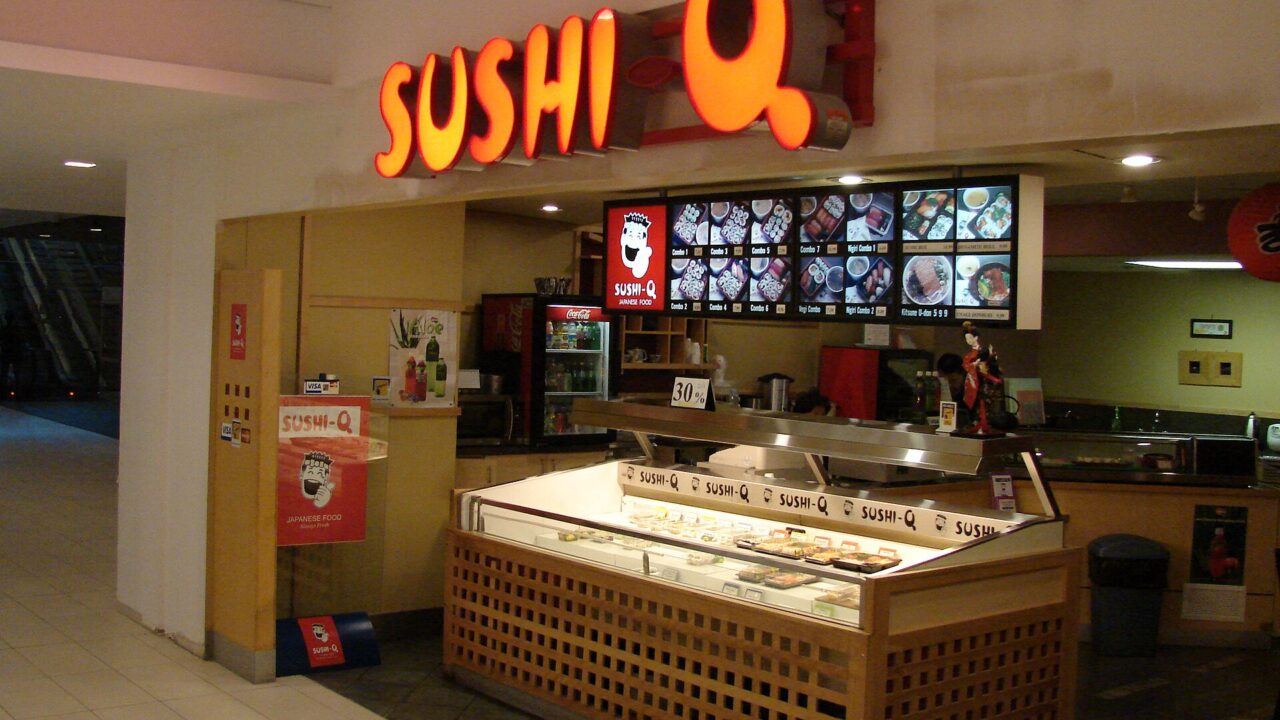
Sushi Q in Toronto Commerce Court: You see a lot of very popular Sushi 01 (4828181892) by Counselman Collection, CC BY-SA 2.0, via Wikimedia Commons.