Toronto’s ramen shops run their own weather report: the colder the night, the longer the line of people on the sidewalk, hands in pockets, waiting for a stool at the counter. The city took to ramen hard in the early 2010s, when Kinton opened its first shop on Baldwin Street and Japanese chains from Hokkaido and Fukuoka arrived downtown, and the scene has kept growing up since — clam broth in North York, a yuzu consommé on Queen West, creamy chicken paitan in Parkdale, and vegetarian bowls good enough to tempt pork loyalists. Finding the best ramen Toronto has to offer is less about one perfect bowl than about matching the broth to your mood, and knowing when to turn up so you are not the one in the queue.
Below you will find the shops worth seeking out, a short guide to the styles so the menus make sense, how to order like a regular, where the ramen clusters are, and what a bowl really costs once tax and tip are added. Shops and signature dishes were checked in October 2026. Ramen prices have moved around a lot in the last few years — Kinton actually cut its prices across Canada in 2024 — so treat any figure here as the right order of magnitude and check the current menu before you go.
The Best Ramen in Toronto at a Glance
| If you want… | Go to | Area | Order |
|---|---|---|---|
| Rich, creamy Hakata-style pork-bone broth | Ikkousha | Queen St W | The signature tonkotsu; God Fire if you like heat |
| Hokkaido shio with a pickled plum on top | Hokkaido Ramen Santouka | Dundas St E | Shio ramen; pork cheek (toroniku) if it is still available |
| Toronto’s own chain, pork or chicken broth | Kinton Ramen | Baldwin St original, plus branches | Pork Original |
| Red miso, tantanmen and a serious vegetarian menu | Ramen Isshin | College St, by Kensington Market | Red miso; the vegetarian bowls |
| A dependable downtown tonkotsu | Sansotei Ramen | Downtown | Tonkotsu |
| Clam broth | Konjiki Ramen | Willowdale (North York), plus downtown | Clam Intense Shoyu |
| Creamy chicken and inventive bowls | Ramen x Remix | Queen St W | Yuzu Scallop Shio Consommé |
| Chicken paitan in a small neighbourhood bar | Kaminari Ramen Bar | Parkdale | Paitan shio or paitan soy |
Prices are before 13% HST and a tip — see our Toronto tipping guide.
A Quick Guide to Ramen Styles
Toronto’s ramen menus assume you know the vocabulary. You do not need much of it, but a few words make the difference between ordering what you meant and ordering what you were given.
The broths
- Tonkotsu — pork bones boiled hard for hours until the broth turns milky, rich and sticky on the lips. The Hakata style from Fukuoka pairs it with thin, straight noodles. The heaviest bowl on most menus, and the one most people picture when they think of ramen.
- Shio — salt-seasoned. Shio can be clear and delicate or, as at Santouka, a creamy pork broth seasoned with salt rather than soy. Usually the subtlest bowl on the menu.
- Shoyu — soy-seasoned, typically a clear brown broth. The Tokyo classic, and the best test of a kitchen, because there is nothing to hide behind.
- Miso — fermented soybean paste stirred into the broth. Hearty, savoury and associated with Sapporo; red miso is deeper and saltier than white.
- Tori paitan — the chicken equivalent of tonkotsu: chicken boiled until the broth is creamy and opaque. Lighter than pork but still rich, and the style several of Toronto’s newer shops have built their menus around.
- Seafood and clam — broths built on clams, scallops or dried fish, often blended with chicken or pork. Konjiki’s clam bowls are the best-known example in the city.
The formats
- Tantanmen — a Japanese take on Sichuan dandan noodles: sesame-rich, chilli-spiked broth, often with minced pork.
- Tsukemen — dipping ramen. Thick noodles arrive separately from a concentrated, intense broth; you dip, slurp and repeat. Excellent in summer, when a full bowl of hot soup is the last thing you want.
- Mazesoba or mazemen — brothless ramen: noodles tossed in a thick sauce with toppings, mixed at the table.
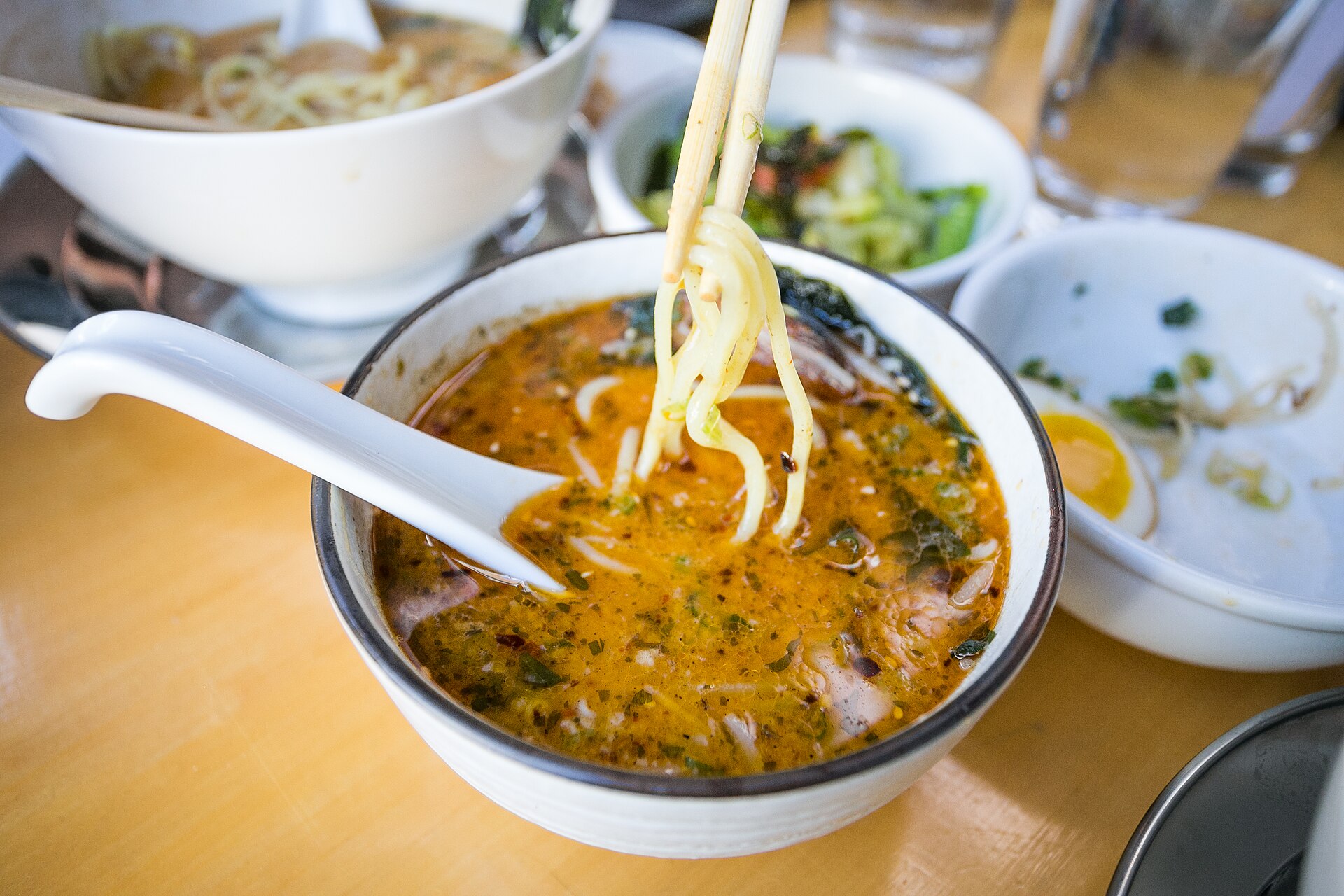
The toppings
Chashu is braised or roasted pork, sliced thin or thick. Ajitama is the soft-boiled egg marinated in soy, with a jammy yolk — almost always worth the extra. Menma are fermented bamboo shoots, kikurage is crunchy wood-ear mushroom, and negi is green onion. Hokkaido-style shops often offer corn and butter, which sounds odd and tastes excellent in miso.
The Japanese Chains Worth Your Time
Two of the city’s most consistent bowls come from chains founded in Japan. That is not a criticism: these are specialist shops that do one regional style and have been perfecting it for decades.
Hokkaido Ramen Santouka
Santouka was founded in Asahikawa, in Hokkaido, in 1988, and its Toronto shop at 91 Dundas Street East serves the signature shio bowl: a creamy, pale pork broth seasoned with salt, finished with a single small pickled plum in the middle. The plum looks like a garnish and works like one too, cutting through the richness. One reviewer’s two-word summary, the real deal, is hard to argue with.
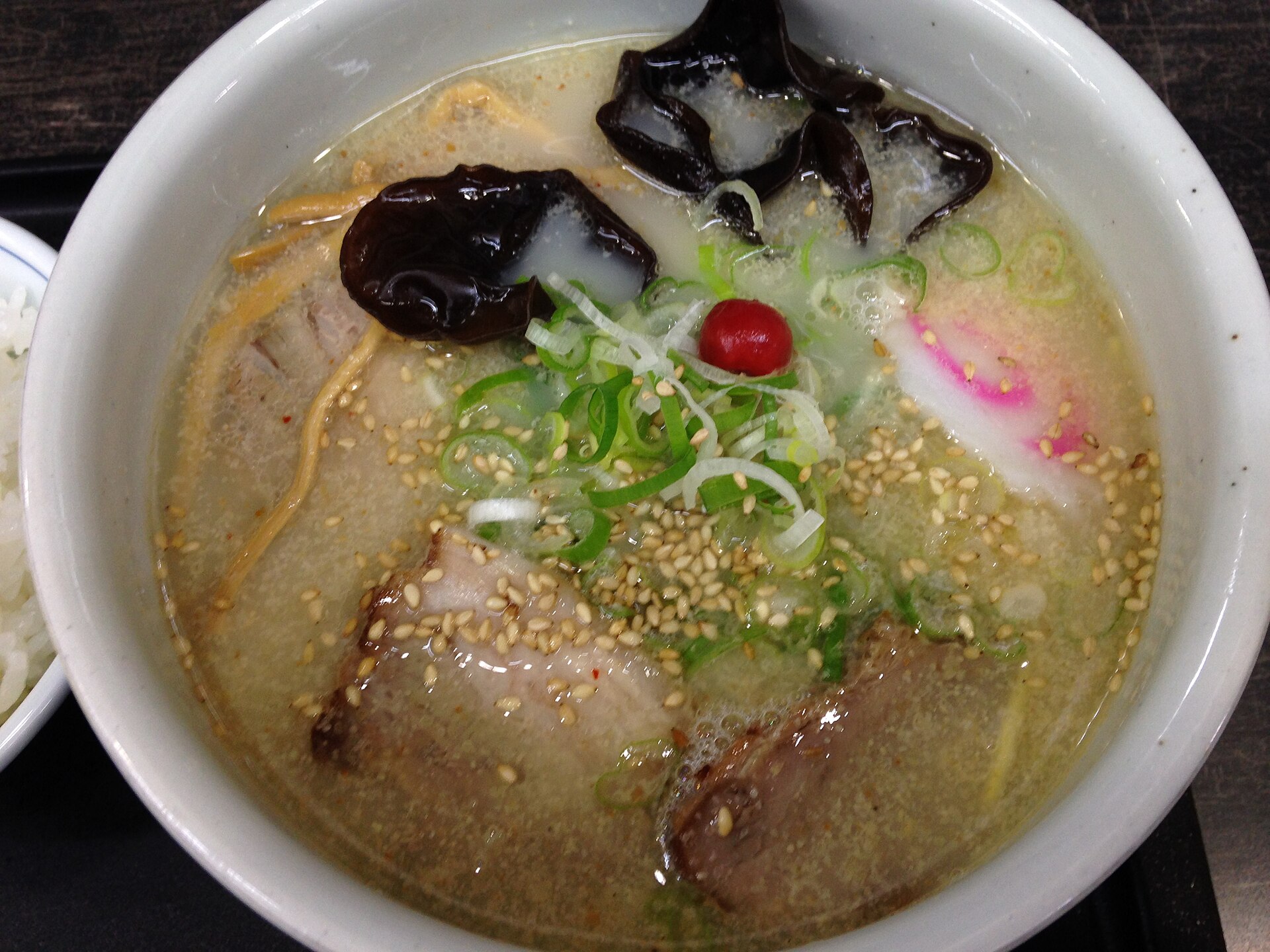
The cut to know is toroniku, pork cheek, which Santouka has traditionally prepared in limited quantities; if it is still available when you order, have it. The broth is gentler than a Hakata tonkotsu, which makes Santouka the better choice if you find the heaviest bowls hard to finish. Getting there: TMU station on Line 1 (formerly Dundas station) is the closest subway stop. Verdict: the purist’s pick, and the first place to send someone who has only ever had instant noodles.
Ikkousha
Ikkousha comes from Fukuoka, the home of Hakata tonkotsu, and its Queen Street West shop is dedicated to that one tradition. Expect a thick, intensely porky broth, thin straight noodles of the kind Hakata shops traditionally serve by firmness, and the Hakata custom of kaedama: when you are down to broth, you order a fresh portion of noodles to drop into what is left. It is the most efficient way to eat a second bowl without ordering one.
The signature tonkotsu is the order the first time. God Fire is the spicy version for those who want heat, the karaage (Japanese fried chicken) is a popular side, and a tori paitan with chicken chashu is there for anyone who does not want pork. Verdict: the richest bowl on this list, and the closest thing in Toronto to eating at a ramen counter in Fukuoka. Not one for a hot July afternoon.
Toronto’s Own Ramen Shops
The local shops are where Toronto ramen has become most interesting. Some started as copies of Japanese styles and grew into something of their own; others were never trying to be traditional in the first place.
Kinton Ramen
Kinton is Toronto-born. It opened in 2012 on Baldwin Street, from the same group behind Kinka Izakaya, and has since grown into a chain with branches across Canada. The format is simple: pick pork or chicken broth, then a style — original, shio, shoyu, miso or spicy garlic — and staff shout a welcome as you come through the door. In 2024 it cut prices across the chain, taking its signature Pork Original from $16.99 to $14.99; check the current menu, but it remains one of the better-value sit-down bowls downtown.
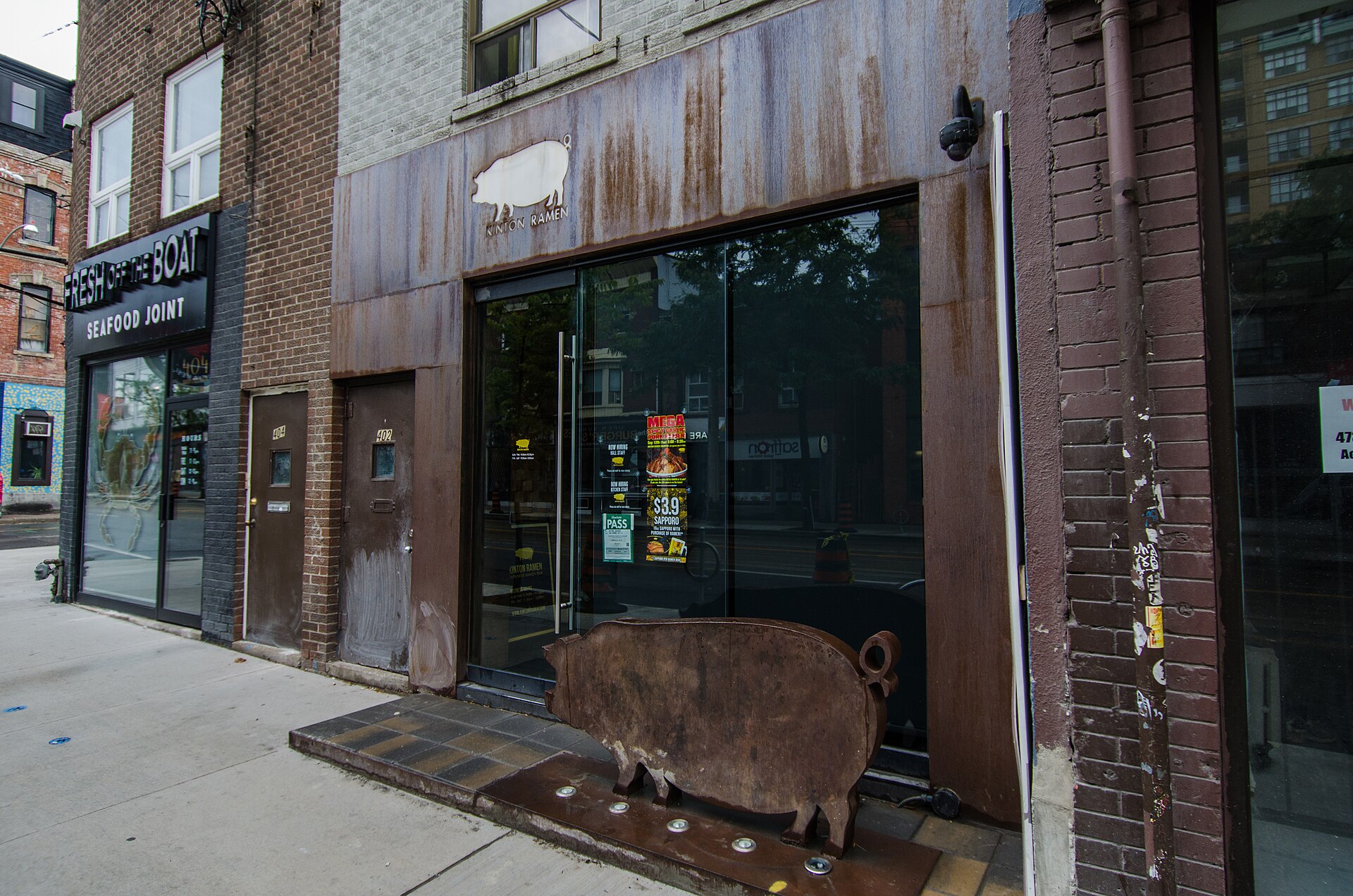
It is not the most refined bowl in the city and does not pretend to be. What Kinton offers is consistency, a lively room and a menu that is easy for first-timers and groups with mixed tastes. Verdict: the dependable default. If you are near one and hungry, you will not regret it; if you are crossing town for ramen, cross town for Santouka or Ikkousha instead.
Ramen Isshin
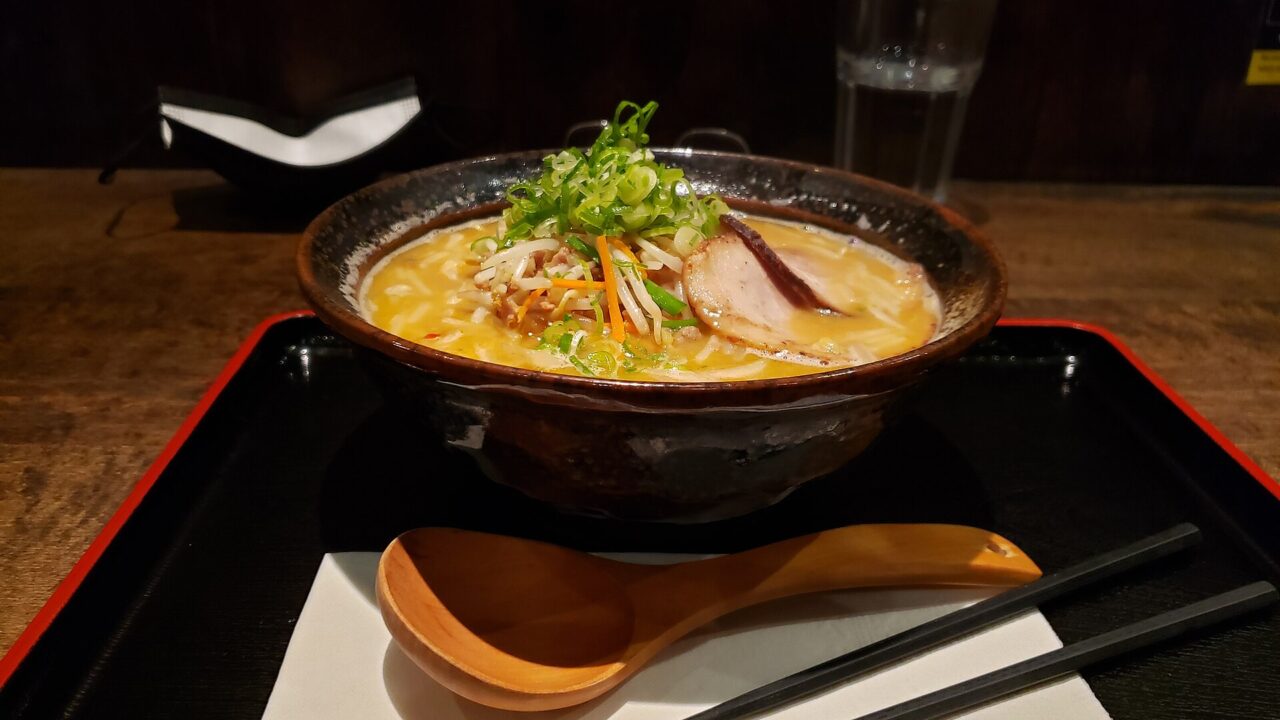
Ramen Isshin on College Street, at the edge of Kensington Market, is best known for red miso ramen and a black sesame tantanmen, and above all for vegetarian ramen that reviewers rate the best in the Greater Toronto Area. That matters, because good vegetarian ramen is genuinely rare: building depth without meat bones takes real effort, and most shops do not bother.
The location makes it easy to combine with a wander through Kensington Market or along Little Italy’s stretch of College Street. Verdict: the first place to take a mixed group of meat-eaters and vegetarians, and a strong pick even if nobody at the table needs the vegetarian menu.
Sansotei Ramen
Sansotei is a local mini-chain whose downtown shop has been feeding office workers, students and visitors for years, with close to a thousand reviews behind its solid rating. The tonkotsu is the reason to come: rich, well balanced and served quickly. It is the kind of place locals rely on rather than travel to, which is exactly what you want at lunch near the downtown core. Verdict: dependable and fast; a better lunch than most of the food courts around it.
Konjiki Ramen
Konjiki made its name with clam. Its signature Clam Intense Shoyu blends clam, chicken and pork into one soup and tops it with sous-vide pork chashu, and the clam shio is the lighter, cleaner version that regulars praise for the pristine taste of the broth. Some bowls add a touch of truffle oil, which in lesser hands would be a gimmick and here mostly works.
Konjiki’s North York shop is in Willowdale, along the Yonge Street corridor north of Sheppard, which is one of the densest strips of Japanese and Korean food in the city; there is also a downtown branch. Getting there: Line 1 runs straight up Yonge Street to Sheppard-Yonge, North York Centre and Finch. Verdict: the most distinctive bowl in Toronto and worth the subway ride if you have tried tonkotsu and want something different.
Ramen x Remix
Ramen x Remix on Queen Street West has climbed to the top of the review-site rankings, with reviewers calling some of its bowls almost perfect. The house style is creamy chicken broth, but the dish people talk about is the Yuzu Scallop Shio Consommé: a clear, rich broth fragrant with yuzu, with tender chicken, charred pork and a shrimp wonton hidden underneath. Spicy Wok Magic is the order for heat, and the wild mushroom creamy mazesoba is a brothless bowl packed with umami.
It sits close to the shops and galleries in our Queen Street West guide. Verdict: the most inventive ramen on the list, and the one to try if you think you already know what ramen tastes like.
Kaminari Ramen Bar
Kaminari’s menu centres on chicken paitan, served as paitan shio or paitan soy: rich, creamy and comforting without the weight of pork. Reviewers mention the decor and the friendly, attentive service as often as the broth. Getting there: the 501 Queen streetcar runs right through Parkdale. Verdict: a neighbourhood favourite that rewards the trip west, especially on a cold evening.
Vegetarian and Vegan Ramen in Toronto
Ramen Isshin is the main answer, and it is a good one. Elsewhere, read the menu carefully. A “vegetable ramen” at some shops means vegetables on top of a pork or chicken broth, which is no use to a vegetarian, so ask what the broth is made from before you order. Shops with a dedicated vegetarian broth will tell you plainly; a vague answer usually means meat stock.
Watch the toppings too. Even with a vegetable broth, the default bowl may come with chashu, fish cake or an egg, and some tare (the seasoning base) uses fish or meat products. Vegans should also check the noodles, as some contain egg. Toronto’s wider food scene is unusually good for plant-based eating; our guide to Toronto’s multicultural food points to plenty of options beyond ramen.
Gluten and allergies
Ramen is hard going for anyone avoiding gluten. The noodles are wheat by definition, soy-based seasonings usually contain wheat too, and few Toronto shops keep a gluten-free noodle in the kitchen. If you are coeliac, ask before you sit down rather than after, and be prepared for the answer to be no. Shellfish allergies need the same care: seafood often turns up in broths and seasonings where you would not expect it, including some bowls that are not labelled as seafood ramen. Sesame is common in tantanmen and in the toppings at many shops.
How to Order and Eat Ramen
Ramen shops run on turnover, and the etiquette is designed around it. None of it is strict in Toronto, but knowing the basics makes the meal better.
- Order quickly and eat promptly. Noodles keep cooking in hot broth, and five minutes of chatting turns a firm bowl into a soggy one. Eat the noodles first, then the toppings and the broth.
- Slurp. It is not rude; it cools the noodles and pulls the broth’s aroma along with them.
- Choose your noodle firmness where the shop offers it. Firm is a safe choice, especially if you plan to order kaedama.
- Add the egg. A marinated ajitama is usually the best-value topping on the menu.
- Start low on spice. Spice levels at Toronto shops are calibrated for people who like heat. You can always add chilli oil at the table; you cannot take it out.
- You do not have to finish the broth. Nobody minds, and the richest broths are very salty. Drinking it all is a compliment to the chef, not a requirement.
- Do not linger. If there is a queue at the door, leave once you have finished. Have dessert and a drink somewhere else.
- Tip as you would anywhere else. Ramen shops are sit-down restaurants in Toronto, so a tip is expected, as at any other restaurant.
When to Go: Beating the Ramen Queue
The queues are real at the best-known shops, so expect to wait for a seat. Opening hours differ from shop to shop, so check a shop’s current hours before you plan your visit.
Ramen season in Toronto runs from roughly November to March, when a bowl of hot broth feels like a survival strategy rather than a meal. If you are visiting in winter, ramen pairs perfectly with the cold-weather plans in our guide to Toronto in winter. In summer the lines shrink, and tsukemen and mazesoba come into their own.
A ramen shop is also an easy dinner before a show, a game or an evening out. If you are going to the theatre or a game downtown, Santouka and Sansotei are the most convenient.
Toronto Ramen by Neighbourhood
Downtown and Yonge Street
Santouka on Dundas Street East and Sansotei downtown cover the core, within easy reach of the Eaton Centre, Sankofa Square and the theatres on Yonge Street.
Baldwin Village, Kensington and College Street
Kinton’s original is on Baldwin Street, the short, leafy restaurant strip just east of Spadina, a short walk from the AGO and from Chinatown. Ramen Isshin is on College Street. Together with the noodle shops and dumpling houses of Chinatown, this is the densest cluster of Asian food in central Toronto.
Queen Street West and Parkdale
Ikkousha and Ramen x Remix are both on Queen West, and Kaminari is further west in Parkdale.
North York
The Yonge Street corridor around Sheppard and Finch is where Konjiki started, and it has some of the best Japanese and Korean food in the Toronto area. It is reached by Line 1 from downtown, and worth the trip for anyone serious about Asian food. Our TTC guide explains fares and how the subway works.
A Toronto Ramen Crawl
Two bowls in a day is plenty for most people, three is a challenge, and sharing makes all of it easier. This route links the city’s ramen clusters with some of the best walking in central Toronto, and it works especially well on a cold Saturday.

- Late lunch at Santouka on Dundas Street East. Order the shio and share it if you plan to keep going.
- Walk west along Dundas past Sankofa Square and the Eaton Centre to the Art Gallery of Ontario. Baldwin Street, where Kinton opened its first shop, is just around the corner from the gallery.
- Wander Kensington Market for an hour or two, across Spadina. It is the best place in the city to walk off a bowl of tonkotsu.
- Early dinner on College Street at Ramen Isshin, on the northern edge of the market, if you want a red miso or a vegetarian bowl.
- Or finish on Queen West at Ramen x Remix or Ikkousha, and stay on the street for a drink afterwards.
If you only have room for one bowl, choose by style rather than by fame: Santouka for something refined, Ikkousha for richness, Konjiki for something you cannot get elsewhere.
What Ramen Costs in Toronto
Ramen is no longer the cheap student meal it once was in Toronto, but it remains one of the better-value sit-down meals in the city. The useful anchor is Kinton, which cut its prices in 2024 and brought its signature Pork Original down to $14.99. Specialist shops and premium bowls cost more, and toppings, extra noodles and drinks all add up.
The menu price is not what you pay. Add 13% HST and a 15% tip, and even that $14.99 bowl comes to about $19. Add an egg, a soft drink or a beer, and the total climbs from there. That is still good value for a filling, carefully made meal downtown, but it is worth knowing if you are counting every dollar.
For cheaper bowls of noodles, the food courts and noodle shops in Chinatown and the suburbs go well below the downtown ramen shops; our guide to cheap eats in Toronto covers the best of them.
Ramen and the Rest of Toronto’s Japanese Food
Ramen is one strand of a Japanese food scene that is remarkably deep for a city outside Asia. At the top end, Toronto has several Michelin-starred Japanese restaurants, most of them omakase sushi counters, and our guide to the best sushi in Toronto covers those along with the good-value lunch sets. Between the two sit izakayas — Japanese pubs serving small plates with beer and sake — which are the natural next step if you enjoyed the energy of a busy ramen counter.
For the bigger picture of where and what to eat in the city, our Toronto food guide is the place to start.
Frequently Asked Questions
What is the best ramen in Toronto?
It depends on the style you like. For classic Hakata tonkotsu, Ikkousha on Queen West. For Hokkaido shio, Santouka on Dundas Street East. For something different, Konjiki’s clam broth or Ramen x Remix’s yuzu scallop consommé. For vegetarian ramen, Ramen Isshin.
Where can I get vegetarian or vegan ramen in Toronto?
Ramen Isshin on College Street is the standout, with a vegetarian menu reviewers rate the best in the Toronto area. Elsewhere, always ask what the broth is made from — “vegetable ramen” sometimes means vegetables on a pork or chicken broth. Vegans should also check the noodles and toppings for egg and fish.
How much does a bowl of ramen cost in Toronto?
Kinton’s signature Pork Original was cut to $14.99 in 2024, which is a useful benchmark; specialist shops and premium bowls cost more. Add 13% HST and a tip and the bill climbs well above that, and extras and drinks push it higher. Check current menus, as prices change.
Do Toronto ramen shops take reservations?
Mostly not. Ramen shops work on a first-come, first-served basis and turn tables quickly. At the busiest shops, expect to wait for a seat.
What is kaedama?
Kaedama is a refill of noodles, a custom from Hakata-style tonkotsu shops. When you have finished your noodles but still have broth, you order a fresh portion to drop into it. Hakata-style shops such as Ikkousha on Queen West are where you will find it. Order firm noodles the first time round if you plan to ask for one.
Is Kinton Ramen from Toronto?
Yes. Kinton opened its first shop on Baldwin Street in 2012, from the same group as Kinka Izakaya, and has since expanded across Canada. It is known for letting you choose pork or chicken broth and for the welcome staff shout when you walk in.
Is there gluten-free ramen in Toronto?
Rarely. Ramen noodles are made from wheat, and the soy-based seasonings in most broths contain wheat as well, so a truly gluten-free bowl is unusual. A few shops may be able to offer an alternative noodle; ask before you order, and if you are coeliac, ask about the broth and seasoning as well as the noodles.
Which ramen style should I try first?
If you like rich food, start with tonkotsu — it is the style most people fall for first. If you prefer something lighter, try a shio or shoyu bowl, or a chicken paitan, which is creamy without being as heavy as pork. On a hot day, tsukemen or a brothless mazesoba makes more sense than a steaming bowl of soup.
Related Toronto Guides
- Best sushi in Toronto
- Toronto food guide
- Cheap eats in Toronto
- Toronto’s multicultural food
- Kensington Market guide
- Chinatown guide
- Queen Street West guide
- Best restaurants in Toronto
Photo Credits
Tsukemen being dipped: Tsukemen being dipped by City Foodsters, CC BY 2.0, via Wikimedia Commons.
Santouka shio ramen: Santoka ramen by Totti, CC BY-SA 4.0, via Wikimedia Commons.
Kinton Ramen storefront: KintonRamen (37589441485) by Jeff Hitchcock from Seattle, WA, USA, CC BY 2.0, via Wikimedia Commons.
Ramen at Ramen Isshin: Favourite Ramen (51794625027) by M Canzi, CC BY-SA 2.0, via Wikimedia Commons.