Stand in an outdoor pool at minus twelve with snow settling on your hair and steam rising off the water, and something odd happens: the cold stops being the enemy. Ten minutes in a cedar sauna, a few seconds in a plunge pool that knocks the air out of you, twenty minutes wrapped in a blanket by a fire pit, and then round again. By the third cycle, most first-timers have stopped checking their phones. That’s the appeal of a Nordic spa near Toronto, and it’s why Ontario’s thermal spas are busier on a February Saturday than on a July one.
This guide compares the Nordic spas within a reasonable drive of the city — Vettä at Horseshoe Valley, Thermëa in Whitby and Scandinave at Blue Mountain — on price, setting, atmosphere and how easy they are to reach. It also explains how the hot-cold-rest cycle works, what to bring, which days to go, and when an urban spa in Toronto is the better call. Prices were checked in September 2026. Vettä’s figures come from the operator; for the others we give the range reported in current 2026 guides, because Nordic spas price by day and season and change their rates often. Always confirm the price when you book. All figures are in Canadian dollars.
Nordic Spas Near Toronto at a Glance
| Spa | Location | Drive from Toronto | Thermal access | Best for |
|---|---|---|---|---|
| Thermëa Spa Village | Whitby | About 1 hour east | Typically around $80–$110 | First-timers and the closest option |
| Vettä Nordic Spa | Horseshoe Valley, Oro-Medonte | About 1.5 hours north | $99 weekdays, $109 weekends and peak holidays | Finnish sauna culture and forest setting |
| Scandinave Spa Blue Mountain | Near Collingwood | About 2 hours north-west | Typically around $90–$110 | Escarpment views and a full day out |
Two things to add to those numbers: HST at 13%, and whatever you spend on food, drinks, robe rental or a massage. A realistic day at any of the three, with lunch, comes to somewhere between $130 and $200 per person.
How a Nordic Spa Works
If you’ve only ever been to a spa for a massage, a Nordic spa is a different experience. You’re not booking a treatment. You’re paying for access to a circuit of outdoor pools, saunas, steam rooms and relaxation areas, and you move through it at your own pace for as long as you like.
The thermal cycle
The heart of the experience is a simple repeated loop, sometimes called thermotherapy or hydrotherapy:
- Hot: 10 to 15 minutes. A sauna, steam room or hot pool raises your body temperature and opens up your blood vessels.
- Cold: a few seconds to a minute. A plunge pool, cold waterfall or cold shower. It’s a shock, and it’s meant to be. Go in gradually if you need to, and don’t stay long.
- Rest: 15 to 20 minutes. A heated lounge, a hammock, or an outdoor chair by a fire. This is where the famous relaxed, light-headed feeling kicks in.
- Repeat three or four times.
A full circuit, with food and a bit of wandering, fills three to five hours comfortably. People often underestimate this and book a late slot, then feel rushed. Give it an afternoon.
The silence
Many Nordic spas ask guests to keep their voices down or stay silent in some or all areas. It sounds strange until you’re there; the quiet is part of what makes it work. If you’re going with friends who plan to catch up, pick a spa or a zone where conversation is allowed, and don’t expect it to be a chatty social outing.
Rules to know before you go
- Book ahead. The popular spas cap numbers and weekend slots sell out, especially in winter.
- Age limits. These are generally adult-oriented spaces with a minimum age. Check each spa’s policy before planning a family visit.
- Swimsuits are required in the shared areas.
- Phones are often discouraged or banned in the thermal areas, both for peace and privacy.
- Alcohol and heat don’t mix well; most spas limit where and how much you can drink.
Why it feels so good
The science of thermotherapy gets oversold in spa marketing, so it’s worth keeping expectations sensible. What’s not in dispute is how it feels. Heat relaxes tight muscles and slows you down. The cold plunge is a jolt that leaves you alert and oddly euphoric for a minute or two afterwards. And the enforced rest between rounds, with no phone and nobody talking, is something most people rarely get in normal life. Put the three together, repeat them for a few hours, and you come out the other end loose, sleepy and noticeably calmer. Most regulars will tell you the best night’s sleep of the month follows a spa day.
You don’t need to be fit, sporty or especially tough to enjoy it. The cold is the part people worry about, and it’s also the part they talk about most afterwards. Start with a cold shower rather than a plunge pool if you’re nervous, and work up to it.
A First-Timer’s Afternoon, Hour by Hour
If you’ve never done this before, here’s roughly how a good first visit goes, whichever spa you choose.
Arrival. Check in, get your wristband or locker key, and change. Put your phone away in the locker rather than carrying it around; you’ll relax faster. Take a shower before your first pool, which is both polite and expected.
The first cycle. Start gently. A hot pool or a milder sauna for ten minutes, then the cold. Don’t go straight into the coldest plunge pool on your first round; a cold shower or a quick dip to the waist is fine. Then find a lounger and actually rest for fifteen minutes, even if you don’t feel like you need it. This is the step first-timers skip, and it’s the one that matters most.
The second and third cycles. By now you’ll know which saunas you like. Try the hottest one, stay in the cold a little longer, and use a heated rest area or a fire pit between rounds. This is usually when the deep relaxation kicks in.
A break for food. After two or three cycles, most people stop for a meal or a snack. Eat something light rather than a big heavy lunch, which will make the heat uncomfortable afterwards.
The last cycle and leaving. One more slow round, a long rest, then a warm shower and a slow change. Give yourself half an hour before you drive.
The Spas, One by One
Thermëa Spa Village, Whitby
Thermëa is the closest Nordic spa to downtown Toronto, about an hour’s drive east. It’s built entirely around thermotherapy, with a range of saunas and cold pools, including an icy waterfall, set into a landscaped outdoor space with pools, rest areas and a restaurant. The scale and polish make it a good first Nordic spa: signposting is clear, the circuit is easy to follow, and there’s enough variety that you won’t get bored over an afternoon.
Getting there: Whitby is on Highway 401, so it’s a straightforward drive outside rush hour. Without a car, GO Transit’s Lakeshore East line runs to Whitby GO station, and a short taxi or rideshare will take you on from there. That makes it the only one of the three you can realistically reach without driving.
Price: 2026 guides put thermal access at around $80 to $110, depending on the day and time. Check the operator’s website for the exact rate when you book.
Our take: the easiest Nordic spa to fit into a Toronto trip, and a good choice for first-timers. The suburban setting is less dramatic than the forest or escarpment alternatives; you won’t forget you’re near the 401. But convenience counts for a lot, especially in winter driving conditions.
Vettä Nordic Spa, Horseshoe Valley
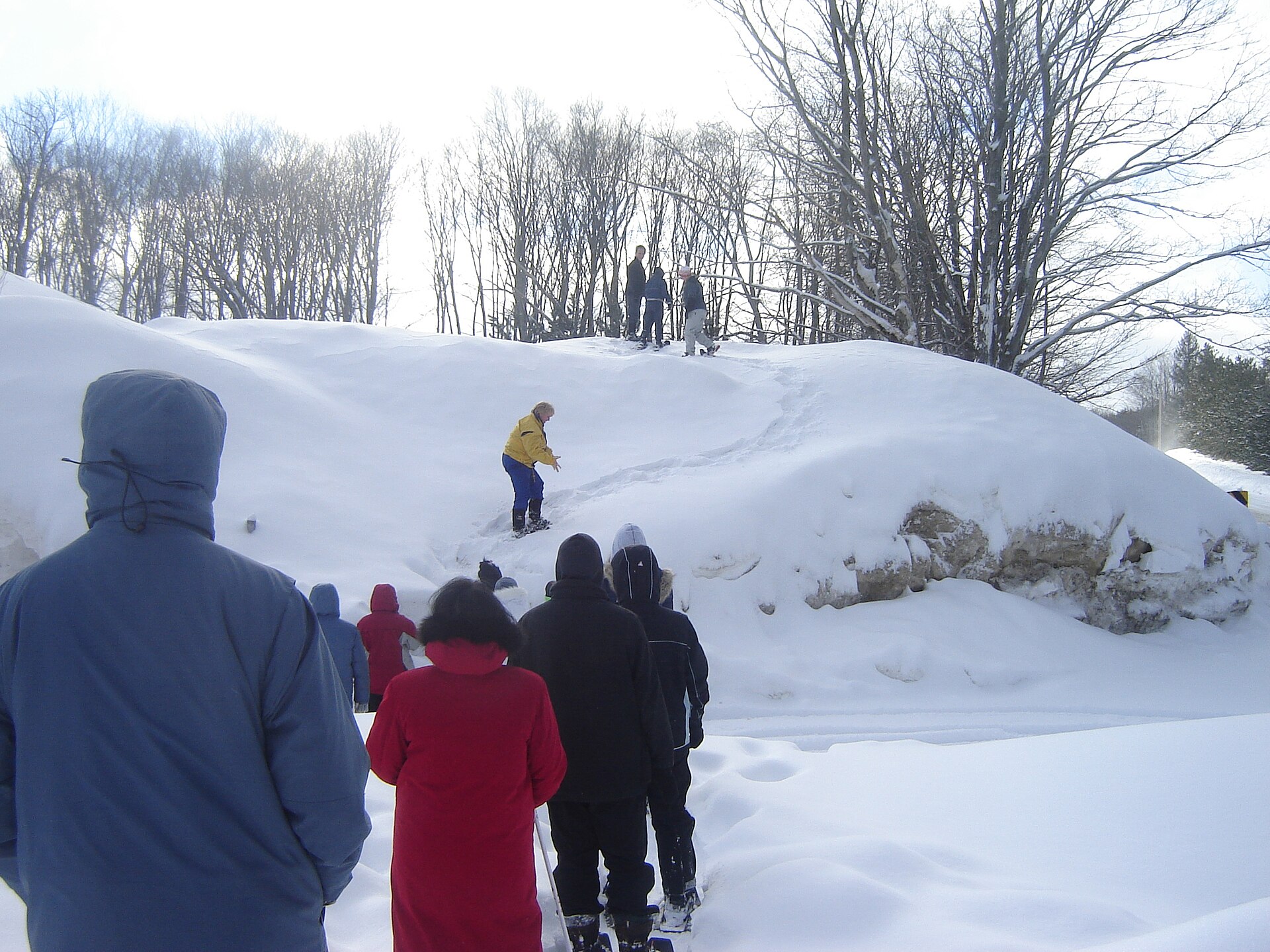
Vettä is set in the rolling, wooded Horseshoe Valley in Oro-Medonte, north of Barrie, about an hour and a half from Toronto. Its focus is authentic Finnish sauna culture, and the setting — outdoor pools and saunas among the trees, especially beautiful after a snowfall — is a big part of the appeal. Thermal water access costs $99 Monday to Friday and $109 on weekends and peak holidays.
Getting there: you’ll need a car. The drive is up Highway 400 past Barrie, and in winter the last stretch can be slow in snow. Leave extra time, and check conditions before you set off.
Combine it with: Horseshoe Valley is a four-season resort area, with skiing, snowshoeing and cross-country trails in winter, and hiking and mountain biking the rest of the year. A morning outdoors and an afternoon in the spa is a great winter day. Barrie and Lake Simcoe are also close by.
Our take: the best balance of setting, authenticity and distance. If you’re driving and want the full forest-and-snow experience without going as far as Blue Mountain, choose Vettä.
Scandinave Spa Blue Mountain
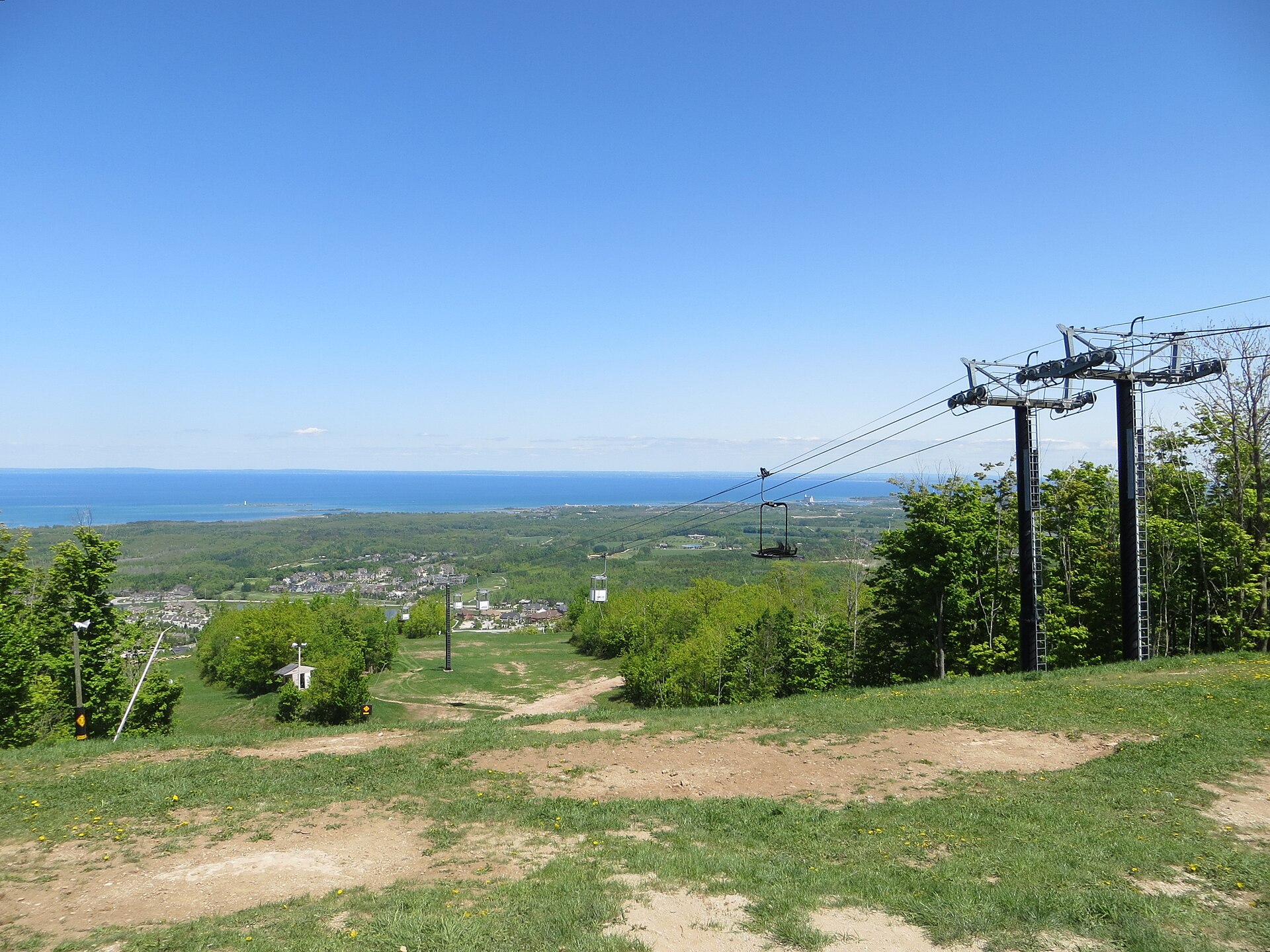
Scandinave Spa is near Collingwood, in the forested hills around Blue Mountain on the Niagara Escarpment, part of a UNESCO World Biosphere Reserve. It’s about two hours north-west of Toronto, and the setting — outdoor baths and saunas among mature trees with escarpment views — is what sets it apart. It’s a well-established spa with a strong emphasis on quiet and relaxation.
Getting there: car only, realistically. The drive is via Highway 400 and then west through Wasaga Beach or Stayner towards Collingwood. Winter weekends bring ski traffic, so leave early.
Price: 2026 guides put thermal access at around $90 to $110, varying by day and season.
Combine it with: the Blue Mountain Village, skiing in winter, and hiking along the Bruce Trail the rest of the year. Our Blue Mountain day trip guide covers the resort and how to get there.
Our take: the most beautiful setting of the three and the best choice for a proper full-day escape or a weekend away. At two hours each way, though, it’s a long day trip for a spa visit alone. Pair it with skiing or stay the night.
Which Nordic Spa Should You Choose?
| If you… | Choose | Why |
|---|---|---|
| Don’t have a car | Thermëa | The only one reachable by GO train and a short taxi |
| Want the shortest trip | Thermëa | About an hour from downtown |
| Love a traditional sauna | Vettä | Finnish sauna culture is the focus |
| Want snowy forest scenery | Vettä or Scandinave | Both have wooded, rural settings |
| Want the most dramatic setting | Scandinave | Escarpment country near Blue Mountain |
| Want to ski and spa in one trip | Scandinave or Vettä | Both are next to ski areas |
| Are on a tighter budget | Vettä on a weekday, or Thermëa off-peak | Weekday rates are lower |
Food, Drink and Treatments
All three spas have somewhere to eat, and it’s worth planning your day around a meal rather than rushing out hungry. Expect bistro-style food with an emphasis on light, fresh dishes, and a selection of drinks that usually includes wine and beer, served with sensible limits given the heat. Food and drink aren’t included in the thermal access price, so budget for them. Eating on site is part of the experience, especially in winter when a warm meal in a robe by a window looking out at the snow is half the pleasure.
Massages and other treatments are sold separately, and they book up faster than thermal access, particularly on weekends. If you want one, reserve it when you book your visit, and schedule it for the middle or end of your day, once the heat has loosened you up. Some spas offer packages bundling thermal access with a massage or a meal, which can be better value than buying each separately. Look at the options when you book.
Etiquette in Practice
Nordic spas run smoothly because most people follow a few unwritten rules. Knowing them in advance saves an awkward moment.
Keep your voice low everywhere, and silent where signs ask for it. Don’t reserve loungers by leaving a towel on them while you do another cycle; in a busy spa, that’s the fastest way to annoy everyone. Shower before getting into the pools. Don’t take photographs of other guests, and keep your phone out of the thermal areas entirely where it’s banned. Don’t linger in the doorway of a sauna letting the heat out. And if you’ve come as a couple or a group, it’s fine to sit together, but save the conversation for the restaurant.
What to Bring
- Swimsuit. Required in shared areas. Bring two if you’re staying all day, as a dry one is much nicer for the drive home.
- Flip-flops or sandals. Essential for walking between pools, especially on cold or icy paths in winter.
- A robe. Some spas include or rent them; check when you book. In winter, a robe makes the walk between saunas far more pleasant.
- A towel, unless it’s included.
- A warm hat for winter. You’ll lose a lot of heat through your head sitting in an outdoor pool, and a toque is standard spa fashion.
- A refillable water bottle. Heat is dehydrating. Drink more than you think you need.
- A lock-friendly bag with the minimum of valuables. Leave jewellery at home, since heat and cold can damage it.
- Hair ties and a book for the rest areas.
For a winter trip, our Toronto packing list covers the warm layers you’ll want for the drive and the walk from the car park.
When to Go
The best season
Winter is the classic Nordic spa season, and it’s genuinely the best. The contrast between freezing air and hot water is the whole point, and snow on the trees makes the setting magical. That’s also why winter weekends are the busiest and most expensive. Book well in advance.
Autumn is a strong second, with fall colours around Horseshoe Valley and Blue Mountain peaking in late September and October. Spring can feel grey and muddy. Summer is fine and quieter, but the cold plunge feels less dramatic, and you might rather be at the beach.
The best day
- Weekdays are cheaper — at Vettä, $10 less than weekends — and far calmer.
- Weekday mornings are the quietest of all. You’ll often have saunas to yourself.
- Avoid long weekends and holidays, when prices are at their highest and capacity is at its limit.
- Evenings can be beautiful, especially under snow and lights, and some spas offer different pricing after a certain time. Check each spa’s schedule.
Is a Nordic Spa Worth It?
For most people, yes, especially in winter. For roughly the cost of a nice dinner, you get an afternoon of genuine rest in a beautiful setting, and the hot-cold cycle leaves you feeling better than any hotel pool will. If Toronto in February is wearing you down, this is one of the best antidotes within reach.
It’s less worth it if you’re a short-stay visitor without a car and with limited time; half a day or more on a spa trip is a lot to give up from a three-day city break. It’s also not for anyone who dislikes the cold or finds silence uncomfortable. And if the real appeal is a massage rather than the thermal circuit, a good day spa in the city makes more sense.
Spas in Toronto: The City Alternative

If you can’t get out of the city, Toronto has plenty of spas, though very few offer anything like a full Nordic outdoor circuit. What you’ll mostly find are:
- Hotel spas. Several of Toronto’s luxury hotels have spas with treatment rooms, steam rooms, saunas and pools, often with day passes or access included with a treatment. They’re polished and convenient, if lacking the outdoor snow-and-steam experience. See our luxury hotels guide.
- Day spas. Independent spas offering massages, facials and body treatments, some with small hydrotherapy areas.
- Bathhouse-style spaces. A few city spas offer indoor hot and cold pools and saunas in a more urban setting. They’re a reasonable halfway house if you want the thermal cycle without leaving town.
Our take: a city spa is better for a treatment on a short trip. For the real Nordic experience, drive out.
Making a Weekend of It
All three spas combine well with an overnight trip.
- Blue Mountain and Collingwood. Ski or hike in the morning, spa in the afternoon, dinner in Collingwood or at the Village. The most complete weekend option.
- Horseshoe Valley and Barrie. Stay at a resort in the valley and combine the spa with snowshoeing or cross-country skiing.
- Muskoka. Continue north for cottage country, especially in autumn. Our Muskoka guide has ideas.
- Ottawa and Chelsea. If you’re heading to the capital, the Chelsea area of Gatineau, just north of Ottawa, is known for its outdoor thermal spas. See our Ottawa weekend guide.
A spa day is also one of the best gifts or romantic trips from the city. For more ideas along those lines, see our romantic things to do in Toronto.
Getting There Without a Car
This is the practical sticking point for many visitors. Thermëa in Whitby is the only one of the three you can reach easily by transit: GO Transit’s Lakeshore East line to Whitby, then a short taxi or rideshare. For Vettä and Scandinave, you really need to drive. Some tour operators and shuttle services run spa packages from Toronto, particularly in winter, so it’s worth searching if you don’t want to rent a car. If you do rent, our Toronto car rental guide explains what to look for, including winter tires.
Safety Tips
- Talk to your doctor first if you’re pregnant, have heart problems or high or low blood pressure, or have any condition affected by heat or cold.
- Don’t overdo the heat. Leave a sauna if you feel dizzy or unwell.
- Ease into the cold. A few seconds is enough, especially on your first cycle.
- Stay hydrated and go easy on alcohol.
- Watch your step. Paths between pools can be icy in winter.
- Plan the drive home. You’ll feel very relaxed, and possibly drowsy. Build in a rest and a meal before you get behind the wheel, especially on winter roads.
Frequently Asked Questions
What is the closest Nordic spa to Toronto?
Thermëa Spa Village in Whitby, about an hour east of downtown Toronto. It’s also the only one reachable by GO train plus a short taxi.
How much does a Nordic spa near Toronto cost?
Thermal access at Vettä Nordic Spa costs $99 on weekdays and $109 on weekends and peak holidays. Thermëa and Scandinave are typically reported in the $80 to $110 range, depending on the day. Add 13% HST, plus food, drinks and any robe rental.
Which is better, Vettä or Scandinave?
Vettä is closer (about 1.5 hours) and focuses on Finnish sauna culture in a forested valley. Scandinave is further (about 2 hours) but has the more dramatic escarpment setting near Blue Mountain. For a day trip, Vettä. For a full weekend, especially with skiing, Scandinave.
How long should I spend at a Nordic spa?
Plan on three to five hours for three or four full hot-cold-rest cycles, plus food. Don’t book a short slot; rushing defeats the purpose.
What is the best time to go to a Nordic spa in Ontario?
Winter, for the contrast between freezing air and hot water. Go on a weekday morning for the lowest prices and fewest people, and book ahead for weekends.
Can I get to a Nordic spa from Toronto without a car?
Thermëa in Whitby is reachable by GO train to Whitby and a short taxi. Vettä and Scandinave realistically need a car, though some tour operators run seasonal packages from Toronto.
Do I need to bring my own robe and towel?
It depends on the spa and the package. Always bring a swimsuit and sandals, and check when you book whether robes and towels are included or available to rent.
Related Toronto Guides
- Best Tours & Experiences in Toronto — more ways to fill a trip.
- Blue Mountain Day Trip — skiing and the village near Scandinave.
- Toronto in Winter — making the most of the cold months.
- Romantic Things to Do in Toronto — ideas for couples.
- Luxury Hotels in Toronto — for city spas and a splurge stay.
- Day Trips from Toronto — more escapes within a couple of hours.
Photo Credits
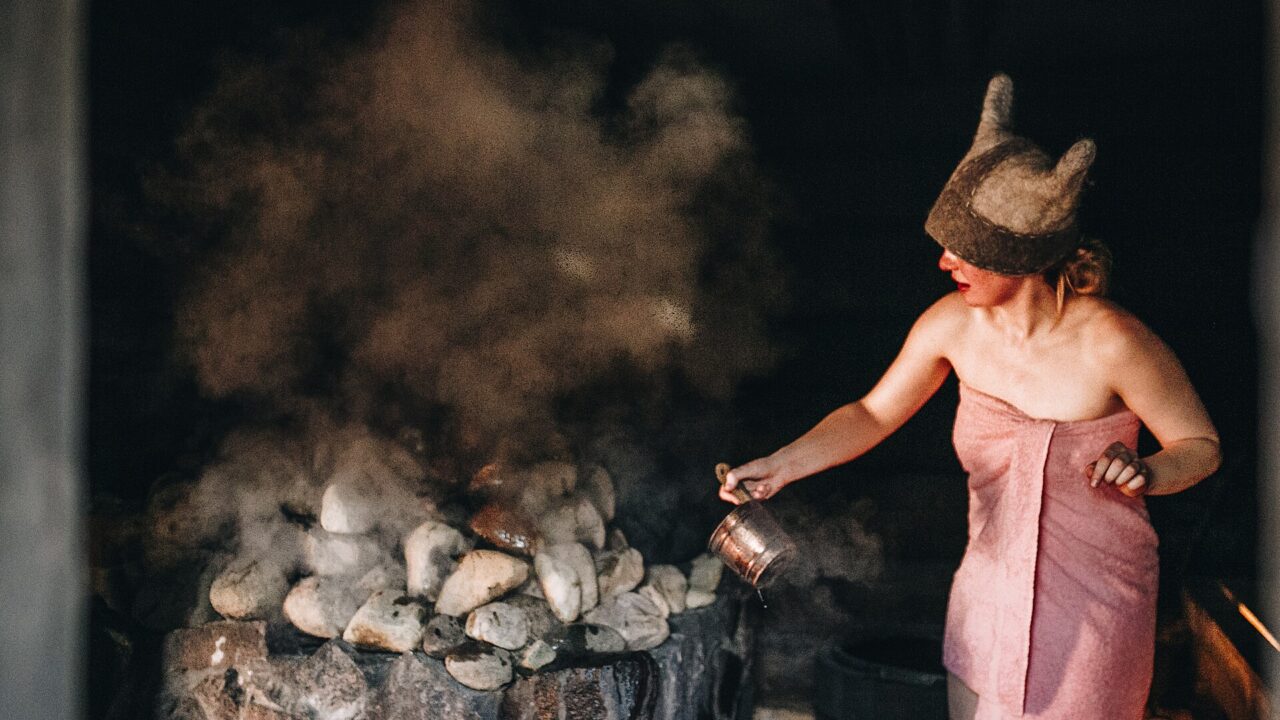
Throwing water on the stones in a sauna: Leil in an Estonian smoke sauna by Estoniansaunas, CC BY-SA 4.0, via Wikimedia Commons.
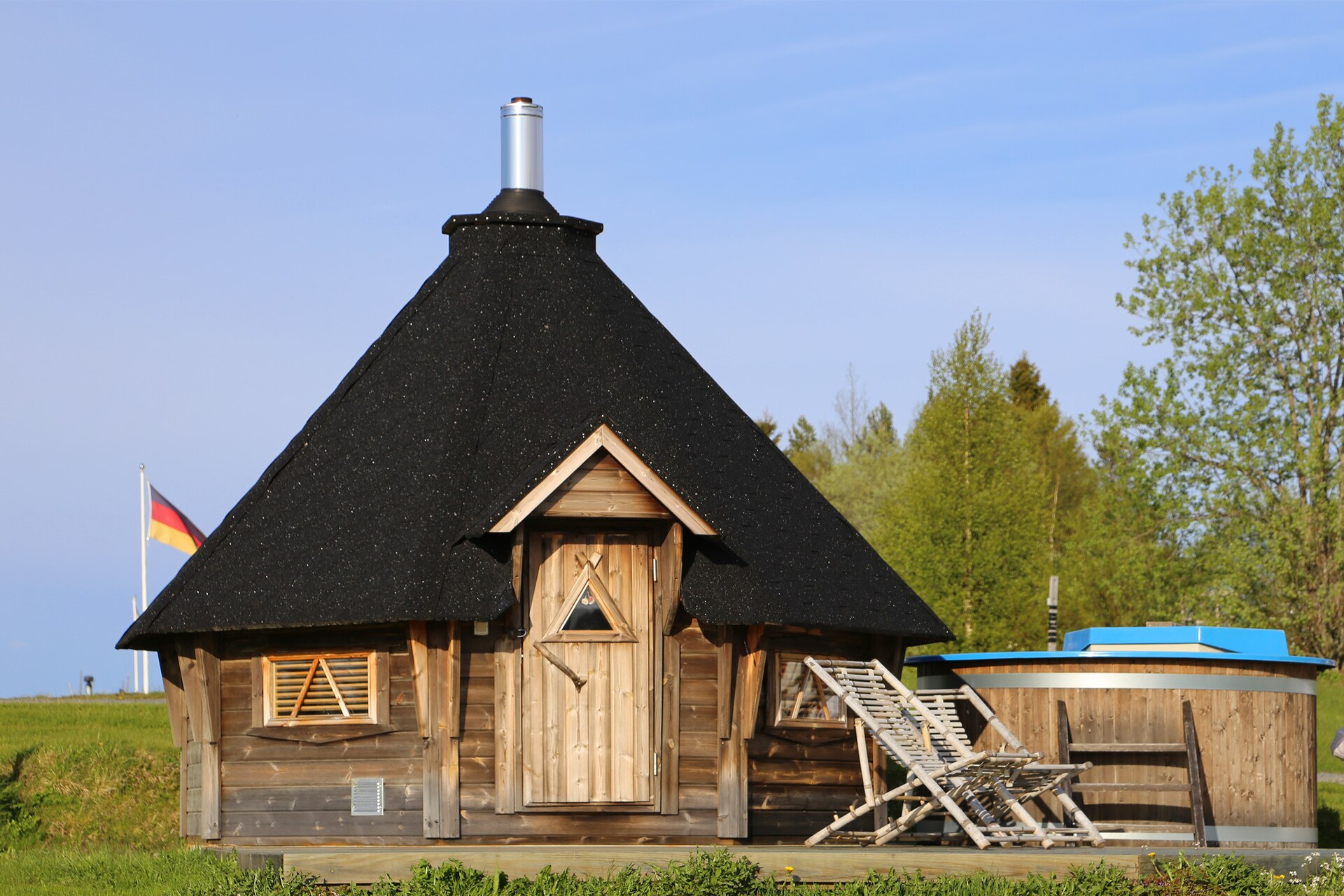
A sauna hut and hot tub: 00 2897 Sauna hut in Sweden – Rätan by W. Bulach, CC BY-SA 4.0, via Wikimedia Commons.
The view from Blue Mountain towards Georgian Bay: Blue Mountain, Ontario, Canada, May 2014 (14118927658) by alljengi from Leith, Edinburgh, CC BY-SA 2.0, via Wikimedia Commons.
Snowshoeing in Horseshoe Valley: Horseshoe Valley snowshoeing (5393405865) by ShellVacationsHospitality, CC BY 2.0, via Wikimedia Commons.