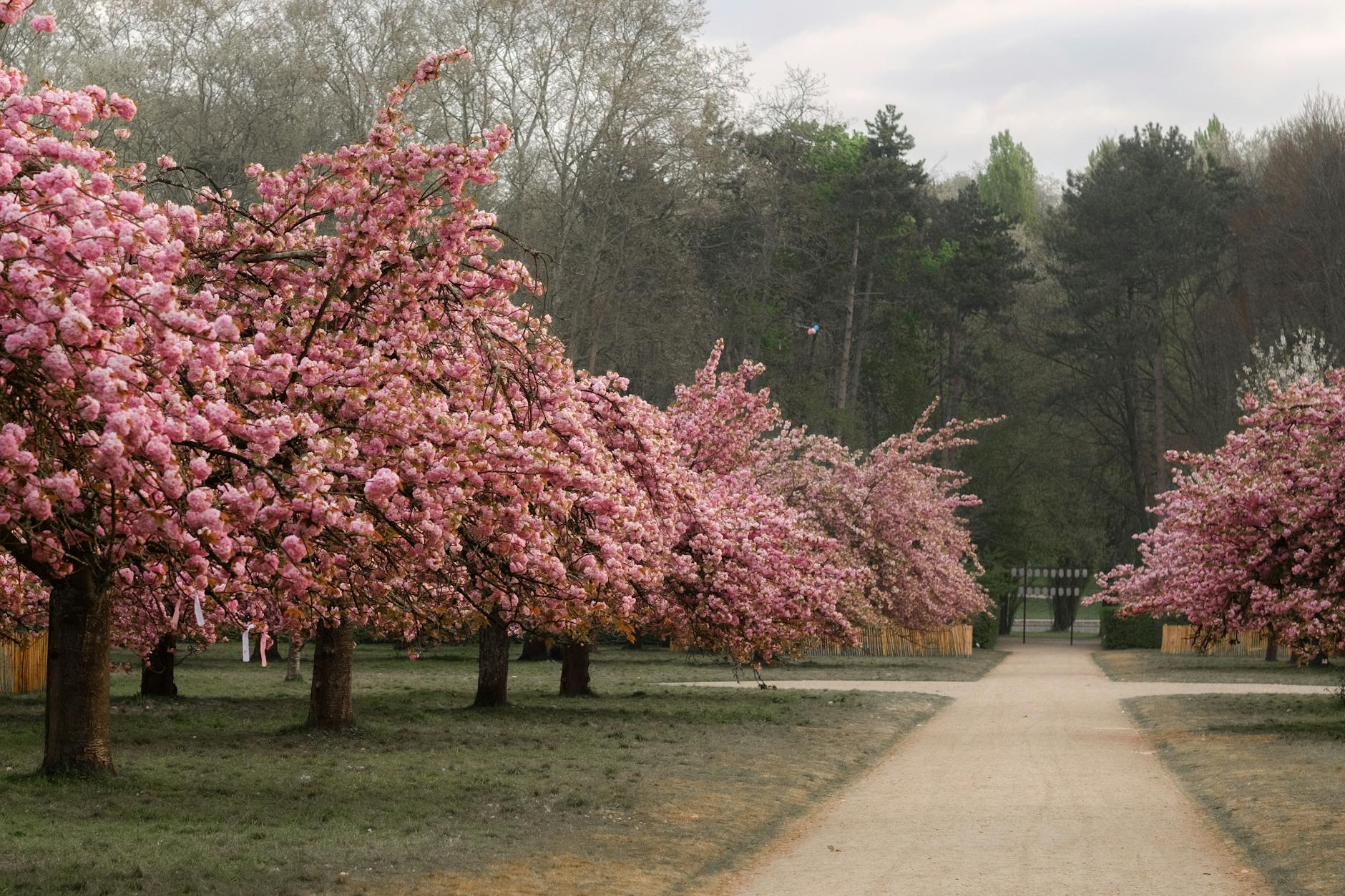
Toronto cherry blossoms peak for just 5–10 days each year — the brief window when the famous Sakura trees in High Park, gifts from the Japanese ambassador starting in 1959, transform the park into a pink-and-white wonderland that draws hundreds of thousands of visitors. Peak bloom typically falls between April 28 and May 12, but the exact dates shift year-to-year based on a complicated dance of late-winter snowmelt, spring temperatures, and rainfall. The 2026 forecast points to a peak around May 1–7. This guide is the definitive resource on Toronto cherry blossoms — when to visit, where to go (High Park is famous, but Trinity Bellwoods, the U of T Robarts Library, and Birkdale Ravine all have spectacular trees), how to photograph them, the etiquette of visiting, and how to time your trip to catch the bloom without the crowds.
Toronto cherry blossoms: when to visit (2026 forecast)
| Stage | Typical date | What to expect |
|---|---|---|
| Buds visible | April 18-22 | Pink-tinged buds; not yet bloomed |
| Early bloom | April 25-28 | 10-30% bloom; some early-blooming varieties |
| Peak bloom | May 1-7 | 70-100% bloom; the photo-worthy week |
| Late bloom / petal drop | May 8-12 | Petals beginning to drop; “snow” of falling petals |
| Bloom ended | After May 12 | Green leaves, no flowers |
The 2026 Toronto cherry blossoms forecast estimates peak bloom from May 1 through May 7. Always check the official Sakura in High Park bloom tracker — they update daily through April and May with current bud and bloom status. Spring 2026 has been mild so far; the forecast aligns with a typical-year May 1-7 peak.
The history of Toronto cherry blossoms
Toronto’s first major Sakura planting happened in 1959 when Japanese ambassador Toru Hagiwara gifted 2,000 Sakura trees to the city in gratitude for Toronto’s acceptance of Japanese-Canadian families displaced during World War II. The trees were planted across the city, with the largest grove placed at the High Park Hillside Gardens.
The original 1959 trees have all died (Sakura trees typically live 60-80 years), but the Sakura Project has continued replanting throughout the past three decades. The current High Park grove contains 100+ Yoshino and Kanzan variety Sakura, plus 50+ trees in other Toronto parks.
The Sakura Project’s mission is to maintain at least 250 Sakura trees in Toronto in perpetuity as a living symbol of Japanese-Canadian friendship. Donations through the project fund continued replanting and care.
The 7 best places to see Toronto cherry blossoms
1. High Park Sakura grove (the iconic spot)
The High Park Sakura grove (just south of the Hillside Gardens) is the city’s most-photographed Toronto cherry blossoms location. The 100+ Sakura trees, planted in concentrated rows, create the closest North American equivalent to a Japanese hanami (cherry blossom viewing) experience. During peak bloom, the grove draws 250,000+ visitors over the 7-10 day window.
How to visit: Take TTC Line 2 to High Park Station. Walk south through the park 10 minutes to the Hillside Gardens. The Sakura grove is signed.
Best time: 6:30am-8am on weekdays for empty paths and the best photography light. Sunset (after 7:45pm in early May) for golden-hour photos. Avoid peak weekend afternoons (12pm-5pm) when the path becomes a slow-moving crowd.
Note: High Park closes vehicle access during cherry blossom season — pedestrian-only.
2. University of Toronto Robarts Library
The U of T’s iconic 1973 Robarts Library (130 St. George St) is surrounded by 30+ Sakura trees that bloom alongside the grand brutalist architecture. Less crowded than High Park; spectacular photographs combining cherry blossoms with the dramatic library exterior.
How to visit: St. George subway station; 5-minute walk south.
3. Trinity Bellwoods Park
Trinity Bellwoods (790 Queen W) has approximately 20 Sakura trees scattered through the park, plus dozens of regular cherry trees and magnolias. The park’s central hill becomes a popular Sakura picnic spot during peak.
How to visit: 501 Queen streetcar to Strachan/Queen.
4. Birkdale Ravine (Scarborough)
Birkdale Ravine (50 Birkdale Rd, Scarborough) has the city’s largest off-the-beaten-path Sakura collection — 100+ Sakura trees lining the ravine paths. Far fewer crowds than High Park; arguably equally beautiful.
How to visit: Lawrence East subway + 17 Birchmount bus.
5. Centennial Park (Etobicoke)
Centennial Park (256 Centennial Park Rd, Etobicoke) has ~30 Sakura trees plus extensive other flowering plants. The Etobicoke Olympium pool and athletic fields surround the bloom area.
6. Cedarvale Park
Cedarvale Park (St. Clair Ave W and Cedarvale) has a smaller Sakura grouping but combines well with the Cedarvale Ravine walking path. Great for combining Toronto cherry blossoms with a quiet ravine walk.
7. Toronto Music Garden
The Toronto Music Garden (479 Queens Quay W) on the waterfront has a small but lovely Sakura collection. The combination with the lake views and harbour skyline makes for unique photography.
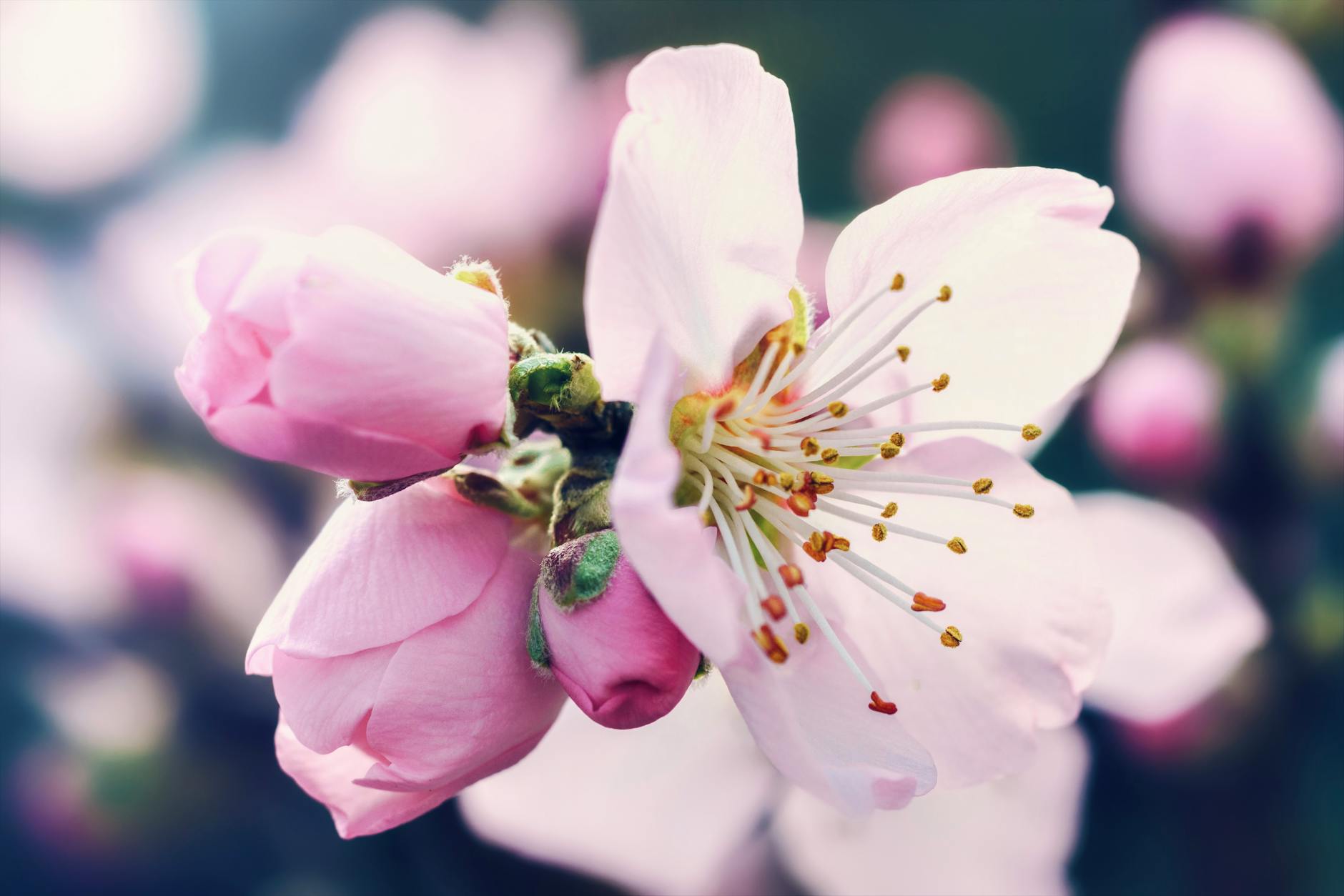
How to photograph Toronto cherry blossoms
Best times of day
Sunrise to 8am: Empty paths, cool morning light. The best for portrait photography.
Mid-morning (8-10am): Bright but not harsh. Crowds growing.
Midday (11am-3pm): Harshest light. Avoid for serious photography.
Late afternoon (4-7pm): Warm light returning. Crowds heaviest.
Golden hour (7-7:45pm in early May): The most-Instagrammed Toronto cherry blossoms hour.
Blue hour (after sunset): Soft, dreamy. Tripod required.
Camera settings
Aperture: f/4-f/5.6 for portraits with blossom backgrounds; f/8-f/11 for the grove landscape.
ISO: 100-400 for daylight; 800-1600 for sunrise/sunset.
Focus: Manual focus on a single blossom for tight macro shots.
Composition tips
Frame the path through the trees rather than the trees themselves. Capture the canopy from below for the “cherry blossom tunnel” effect. Look for symmetry. Petals on the ground (peak + 1-2 days) make for excellent foreground. Use children or a single human figure for scale and storytelling.
Photography crowds
Wedding photographers, professional photographers, and casual visitors all crowd the same paths during peak. Be patient; offer to wait if someone is mid-shot. Don’t shake or pull branches for “petal fall” effect — this is illegal at High Park and damages trees.
Hanami: the Japanese tradition
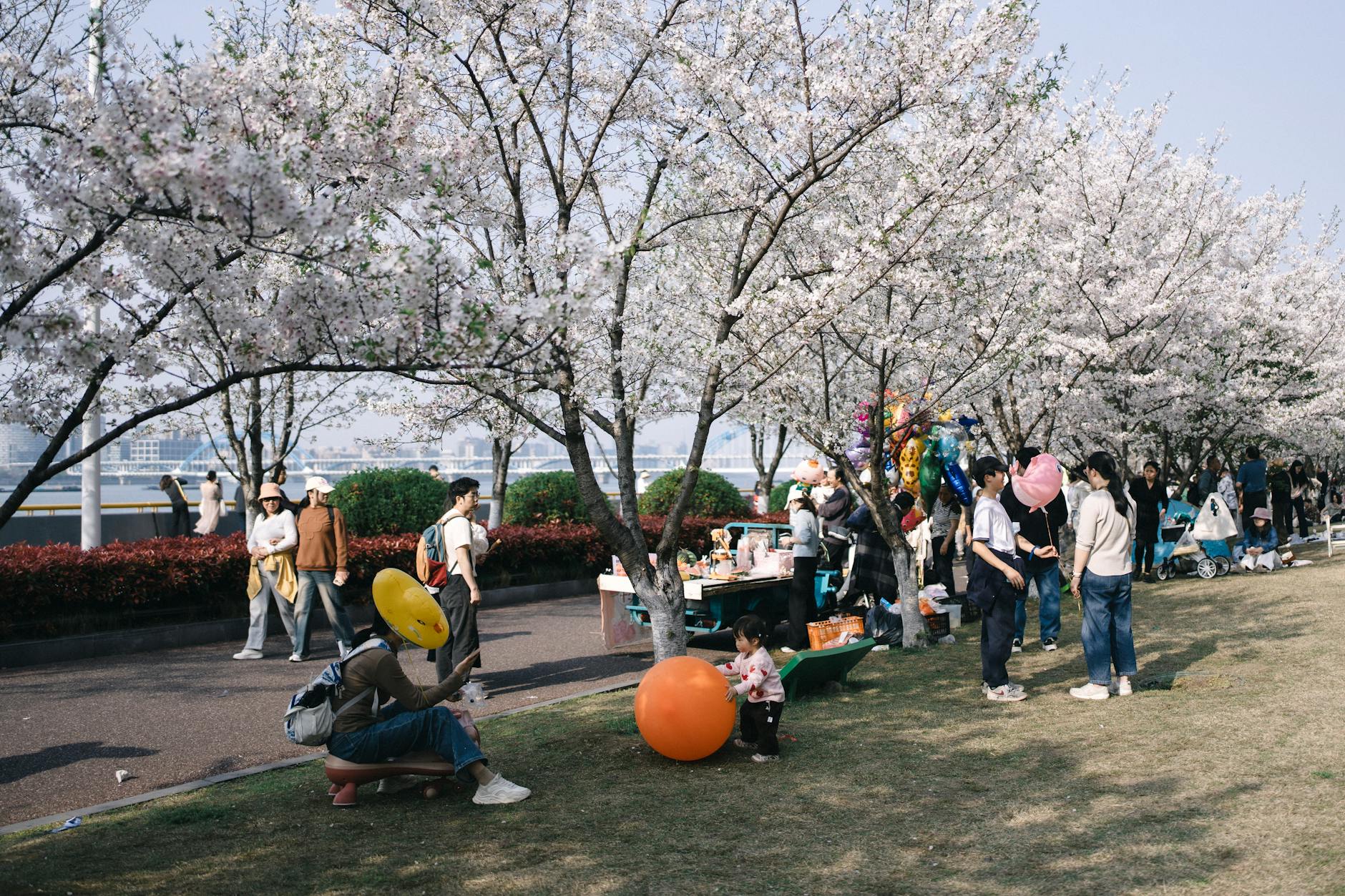
“Hanami” — literally “flower viewing” — is the Japanese tradition of celebrating Sakura blooms with friends and family. Picnics under the blossoms, sharing food and drink, taking photographs, and contemplating the beauty’s brevity are all part of the tradition.
Toronto cherry blossoms have inspired a uniquely Canadian hanami practice. The Japan Foundation Toronto and the Sakura Project occasionally host formal hanami events, but most visitors create their own informal celebrations. Permitted activities at High Park during cherry blossom season:
- Picnicking on the lawn (designated areas)
- Photography (no commercial photography without permit)
- Sketching or painting
- Quiet contemplation
Not permitted: drone photography, dropping or pulling branches, climbing trees, alcohol consumption (without a permit), or amplified music.
Toronto cherry blossoms: 2026 visitor logistics
Getting to High Park during peak
High Park closes vehicle access during cherry blossom season. The TTC subway is the only practical way to arrive. Plan to arrive at High Park Station before 8am to avoid the worst crowds.
Parking
Limited parking at the Bloor Street and West Side parking lots, but spots are full by 8am on peak weekends. Roncesvalles Avenue street parking ($2/hour) is your best bet — 15-minute walk to the Sakura grove.
Bathrooms and amenities
The High Park Tea Garden Café and the Grenadier Restaurant both have public bathrooms. There are no other facilities in the immediate Sakura grove area.
Stroller and accessibility
The Sakura grove paths are paved or gravel and largely stroller-accessible. The Hillside Gardens have stairs in places — consider routing around them.
Weather
Peak Toronto cherry blossoms (early May) typical weather: high 18°C, low 9°C. Bring a light jacket and umbrella. Wet weather is common in early May; the Sakura blooms hold up well to rain.
Where to eat near High Park during cherry blossom season
Inside the park
The Grenadier Restaurant (in the heart of High Park) does casual brunch and lunch — book ahead during peak Sakura. The Tea Garden Café is a small kiosk near the High Park entrance.
Bloor West Village (10 min walk north)
The Bloor West Village neighbourhood has dozens of restaurants for post-Sakura meals. Top picks: Sushi Nomi (appropriately Japanese), Ezra’s Pound for coffee, and Grand Trunk for elevated brunch.
Roncesvalles Village (5 min walk south)
Roncesvalles Avenue has Toronto’s strongest Polish-Canadian restaurants. Try Cafe Polonez for pierogi or Babcia’s for Polish-Canadian comfort food.
Combining Toronto cherry blossoms with other spring activities
Doors Open Toronto (last weekend of May)
Doors Open opens 100+ historic and architecturally significant buildings to free public visits. Cherry blossom season often overlaps with the Doors Open weekend.
Hot Docs Festival (late April-early May)
Hot Docs runs concurrent with cherry blossom peak. See our Toronto in spring guide for the full spring festival calendar.
Toronto Blue Jays
The Blue Jays season is in full swing during cherry blossom season. Catch a game at the Rogers Centre between Sakura visits.
Niagara wine country
Niagara wineries open full-time by Easter. The drive past Niagara peach orchards in bloom complements Toronto cherry blossoms beautifully. See our Niagara Falls from Toronto guide.
The Sakura Project: how to support continued plantings
The Sakura Project (a registered Canadian charity) maintains and expands Toronto’s Sakura collection. Donations fund continued tree planting, care, and educational programming. Visit sakurainhighpark.com for donation information and volunteer opportunities.
Practical tips for visiting Toronto cherry blossoms
Tracking the bloom
Check sakurainhighpark.com daily through late April and early May. The site provides bud-stage photos and predicted peak dates.
Respect the trees
Don’t pull branches. Don’t shake trees for petal fall. Don’t carve or damage bark. Don’t climb. The trees are fragile and have already had to be replanted multiple times.
Pack snacks and water
Limited food options in the grove area. Pack a picnic if you plan to stay.
Be patient with crowds
Peak weekend crowds can be dense. Photography lines form at the most-Instagrammed spots. Patience and politeness make the experience enjoyable for everyone.
What if you miss peak?
The post-peak “petal drop” period (May 8-12) is quietly beautiful — pink petals carpeting the grass, fewer crowds, calmer atmosphere. Many photographers prefer this stage to peak bloom.
The grove everyone means is in High Park, and it repays knowing the rules before you set off: peak bloom lands in late April or early May, lasts four to ten days, and vehicle access to the park is restricted while it is on. The park is worth a day in its own right regardless — a free zoo with bison in it, a rare oak savannah and a wetland-designated pond. Our High Park guide covers all of it.
Plan the rest of your spring trip
Blossom season is a narrow window — our guide to the best time to visit Toronto puts it in context against the rest of the year. Pair Toronto cherry blossoms with the rest of spring trip planning: Toronto in spring, Toronto weather guide, Toronto’s best parks, our guide to things to do in Toronto, choosing a Toronto base, what to pack for Toronto, 3-day Toronto itinerary, and Niagara Falls from Toronto.
Toronto cherry blossoms are one of the world’s most-fleeting natural beauty events — track the bloom forecast, arrive at sunrise, and you’ll experience one of the most-magical Toronto moments anyone can have.