The Bata Shoe Museum Toronto is the only museum in the world dedicated entirely to footwear — 13,000+ shoes spanning 4,500 years of human history, from a 4,000-year-old Egyptian sandal to the latest Louboutins, displayed in a striking 1995 Raymond Moriyama building shaped like a tilted shoe box. The Bata Shoe Museum Toronto is one of the city’s most surprising and rewarding cultural stops, often cited as the best small museum in Canada. With four rotating exhibitions per year alongside the permanent collection — examining everything from ancient Andean footwear to the politics of Manolo Blahnik to the cultural significance of sneakers — the museum has a passionate following that has named it among the world’s top 50 museums by Tripadvisor in multiple years. This guide covers every aspect of visiting: hours, admission, what to see, the gift shop, and combining it with adjacent Yorkville and Annex attractions.

Bata Shoe Museum Toronto: at a glance
| Detail | Information |
|---|---|
| Address | 327 Bloor St W (at St. George) |
| Hours | Tue-Sat 10am-5pm, Thu until 8pm, Sun 12-5pm, Closed Mon |
| Adult admission | $14 |
| Senior / student | $12 |
| Child (5-17) | $5 |
| Pay-what-you-can Thursday | 5pm-8pm |
| Visit duration | 90 minutes – 2 hours |
| Closest TTC | St. George (Lines 1 & 2 — direct access) |
The building: Raymond Moriyama’s “Shoe Box”
The Bata Shoe Museum Toronto opened in 1995 in a purpose-built Raymond Moriyama design — a sloped, asymmetrical structure resembling a tilted shoe box. The building’s terra cotta-and-glass exterior is itself a Toronto architectural landmark and frequently photographed.
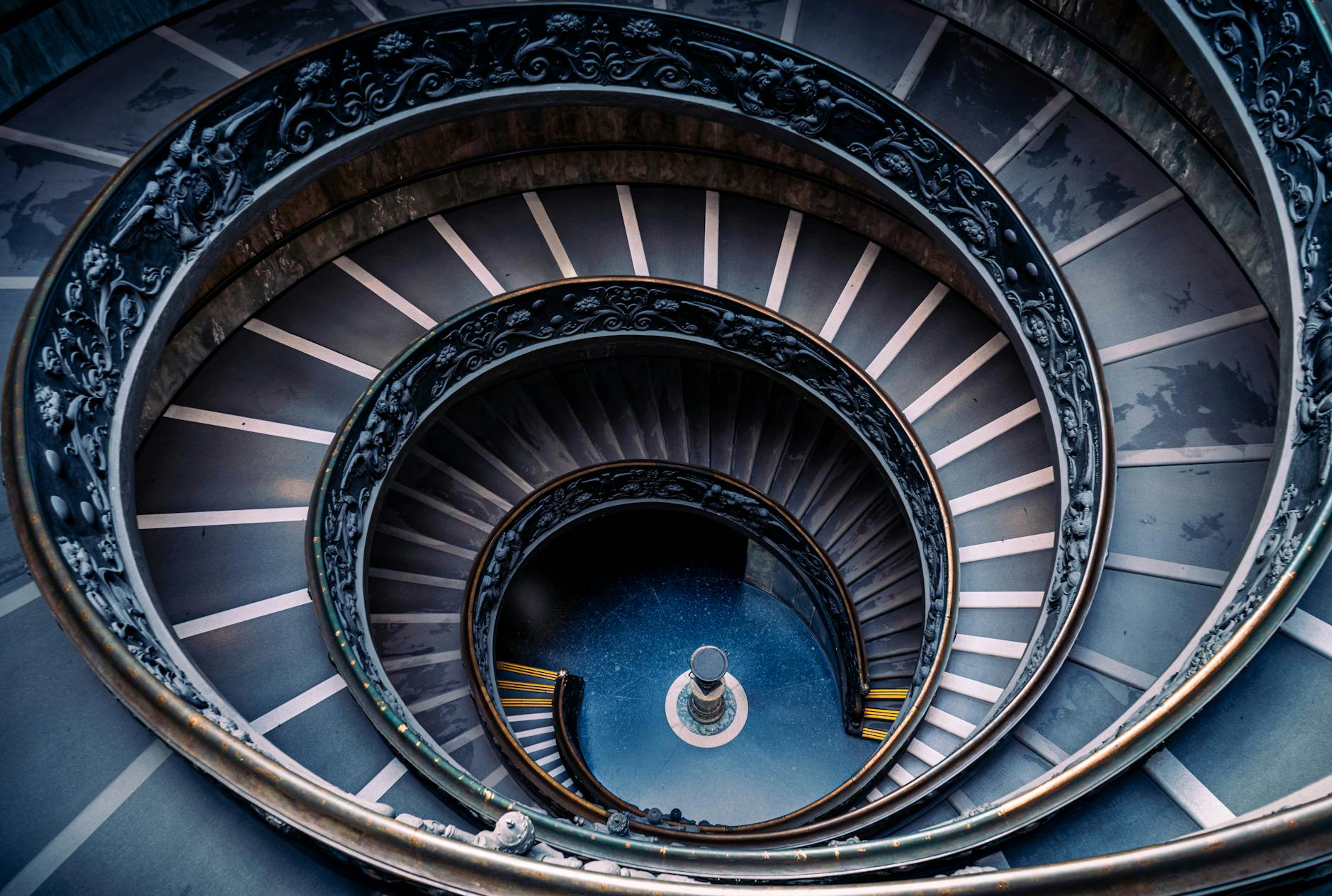
Moriyama (also designer of the original Toronto Reference Library and the Canadian War Museum) layered the museum across four floors with the iconic central spiral staircase as the spatial anchor. Even visitors who don’t care about shoes find the building worth seeing.
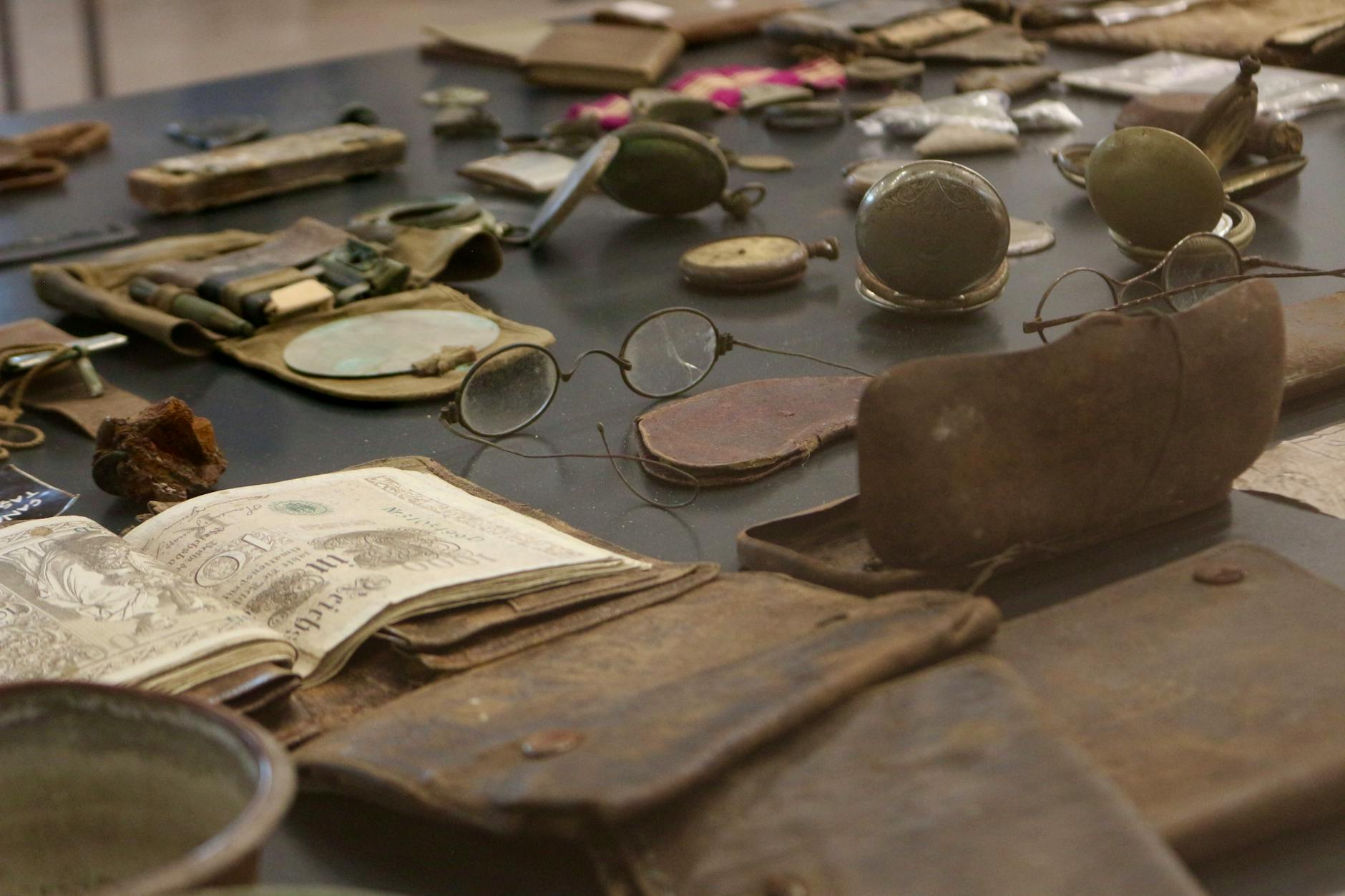
Permanent collection: “All About Shoes”
The “All About Shoes” permanent gallery on the lower level is the museum’s anchor — a chronological history of footwear from ancient Egypt and Mesopotamia through the Industrial Revolution to today. Highlights:
Ancient and prehistoric footwear: The 4,000-year-old Egyptian sandals, the prehistoric leather moccasins, the Mesopotamian and Roman shoes.
Tribal and ethnographic footwear: Inuit kamiks, West African leather sandals, Andean alpargatas, Japanese geta and zori.
Industrial Revolution era: Mass-produced shoes from the 1700s onward, including some of the earliest factory-made boots.
20th-century icons: Marilyn Monroe’s red Ferragamos, Elton John’s platforms, Madonna’s stage boots, Picasso’s espadrilles.
Rotating exhibitions
The museum runs three to four major rotating exhibitions per year on the upper floors. Recent shows have included:
“Out of the Box: The Rise of Sneaker Culture” — the museum’s most-popular exhibition ever, traced sneaker history from 1830s rubber-soled croquet shoes to Yeezys.
“Standing Tall: The Curious History of Men in Heels” — examined how heels were originally menswear (Louis XIV’s famous red heels) before becoming gendered.
“Roger Vivier: Process to Perfection” — the work of the iconic French designer (the man who put the buckle on the Yves Saint Laurent shoe).
“In Bloom: Flowers in Fashion” — explored floral motifs in footwear across cultures.
Check batashoemuseum.ca for current exhibitions.
Programming and special events
Curator-led tours
Free curator-led tours run weekend afternoons. Check the website for current tour times.
Family programming
The Bata Shoe Museum Toronto runs monthly family programming — sketching workshops, shoe-making demonstrations, kids’ tours focused on shoe-related stories.
“Founders’ Talk” lecture series
Quarterly lectures from designers, scholars, and museum curators. Historic guests have included Manolo Blahnik, Christian Louboutin’s COO, and Inuit shoemakers from Iqaluit.
Adult programming
“Late at the Bata” Thursday evening events combine extended hours, a curator’s talk, and a cocktail bar in the lobby. $25 admission.
Bata Shoe Museum Toronto: best for who
Fashion enthusiasts
The single best Toronto museum for anyone interested in fashion, design, or material culture.
History buffs
The “All About Shoes” gallery is essentially a 4,500-year history of human craft — far more interesting than its narrow theme suggests.
Architecture fans
The Moriyama building is itself worth the visit.
Kids 8+
Toddlers find it underwhelming, but kids 8+ engage well with the rotating exhibitions and the “guess the era” game.
Rainy-day visitors
Compact 90-minute museum makes for an ideal indoor activity in cold or wet weather.
Toronto’s “niche museums” beyond the Bata Shoe Museum
Toronto has a remarkable cluster of niche museums — small, focused institutions worth visiting for specific interests:
The Aga Khan Museum
The Aga Khan Museum houses Islamic art and architecture in a stunning Fumihiko Maki building. North York, separate from this Bloor cluster but worth a dedicated trip.
The Gardiner Museum
The Gardiner Museum (111 Queen’s Park, across from the ROM) is North America’s only museum dedicated entirely to ceramics. Free admission first Friday evening of each month.
The Textile Museum of Canada
The Textile Museum (55 Centre Ave) has 15,000+ textiles in its collection. Adult $12.
The Hockey Hall of Fame
The Hockey Hall of Fame is essentially a hockey-only museum at Brookfield Place.
The Spadina Museum
Spadina Museum (285 Spadina Rd, next to Casa Loma) is a 1866 Victorian mansion preserved as a museum. Adult $10.
The Toronto Railway Museum
Toronto Railway Museum (255 Bremner Blvd, in Roundhouse Park) preserves the city’s railroad history with a 1.5 km mini-train ride for kids ($5).
Mackenzie House
Mackenzie House (82 Bond St) is the preserved 1858 home of Toronto’s first mayor and rebellion leader. Adult $9.
The Beth Tzedec Museum
Beth Tzedec Museum at Beth Tzedec Synagogue houses one of North America’s most-significant Judaica collections. Free.
How to get to the Bata Shoe Museum Toronto
By TTC
St. George Station (Lines 1 and 2) has a direct underground tunnel to the museum. The most accessible Toronto museum from any subway line.
By car
Limited street parking on Bloor; metered $4/hour. Better: use the Sutton Place Hotel parking ($30 for 4 hours) two blocks east.
Combining Bata Shoe Museum Toronto with other attractions
The University of Toronto campus
The Bata Shoe Museum sits at the entrance to the U of T campus. Combine with a self-guided campus walk — the Robarts Library, Convocation Hall, and Hart House are all within 10 minutes.
The Royal Ontario Museum
The ROM is a 5-minute walk east. The two museums make an easy half-day cultural combination.
The Annex / Bloor Street West dining
The Bata Shoe Museum is in the heart of the Annex neighbourhood. Lunch at Caplansky’s Deli, Fat Pasha (Israeli/Middle Eastern), or By the Way Cafe for excellent post-museum food.
Yorkville luxury shopping
Walk 5 minutes east on Bloor and you’re in the Mink Mile luxury shopping district — Hermès, Louis Vuitton, Cartier all within blocks.
Practical tips
Photography
Permitted in most galleries; some special exhibitions restrict photography. Check signage. No flash anywhere.
Accessibility
Fully wheelchair-accessible with elevators between all floors. Audio guides available in 6 languages ($5 rental).
Gift shop
Excellent — books on shoe history, design-themed gifts, museum-branded items. Worth 15 minutes.
The cafe
Small lobby café with espresso, sandwiches, and pastries. Suitable for light lunch.
Tickets
Walk-up admission or buy online. Pay-what-you-can Thursday 5pm-8pm is the budget-friendly option (suggested $5).
More Toronto museums to pair with it
The Bata is small enough to combine with others — see Toronto’s museums and galleries for the full list. Pair the Bata Shoe Museum Toronto with the rest of cultural Toronto: ROM, AGO, Aga Khan Museum, Gardiner Museum, Yorkville guide, Annex guide, luxury shopping Toronto, and things to do in Toronto.
The Bata Shoe Museum Toronto is one of the city’s most-rewarding small-museum visits — pay-what-you-can Thursday is the budget-friendly entry point, and the museum’s combination of footwear history and architectural beauty makes it a must on any deeper Toronto trip.