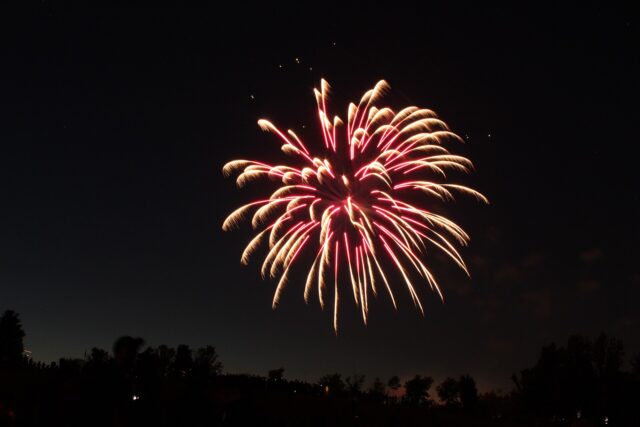
For one Saturday night in late September or early October, Nuit Blanche Toronto transforms the city into a free, all-night, sunset-to-sunrise art festival. In 2026 it ran from 7 p.m. on Saturday, October 3 to 7 a.m. on Sunday, October 4, with more than 70 contemporary art projects — large-scale projections, video art, performance pieces, sound installations, sculptures, and immersive experiences — indoors and outdoors across Toronto. The City reports more than 1 million attendees a year, and the art turns up in unexpected places, from Old City Hall to an underground parking garage. This complete guide covers Nuit Blanche Toronto in 2026 — the schedule, must-see installations, walking strategies, food and warmth tips, and answers to the questions visitors ask most. For broader context, see our complete Toronto events and festivals guide.
For the official Nuit Blanche Toronto programming and map, see the official Nuit Blanche Toronto website.
Nuit Blanche Toronto: Quick Facts
Festival Date: Saturday, October 3 into Sunday, October 4, 2026, with some works extended until October 10. Check the City’s Nuit Blanche page on toronto.ca for the next edition’s date.
Hours: Overnight, from Saturday evening to Sunday morning (7 p.m.–7 a.m. in 2026).
Location: Various installations across downtown Toronto.
Cost: Free public access to all official installations.
Attendance: 1+ million participants.
Founded: 2006 as a Toronto adaptation of Paris’s Nuit Blanche.
Best for: Art lovers, night-owl travellers, photography enthusiasts, anyone who wants to see Toronto at its most distinctive.

Nuit Blanche Toronto: How It Works
The Concept
Nuit Blanche (literally “white night” in French) is an all-night contemporary art festival founded in Paris in 2002 and adapted by cities worldwide. Toronto launched its version in 2006. The 2026 edition presented more than 70 free art projects, indoors and outdoors across the city, from dusk on a Saturday to dawn on Sunday.
What Kinds of Art
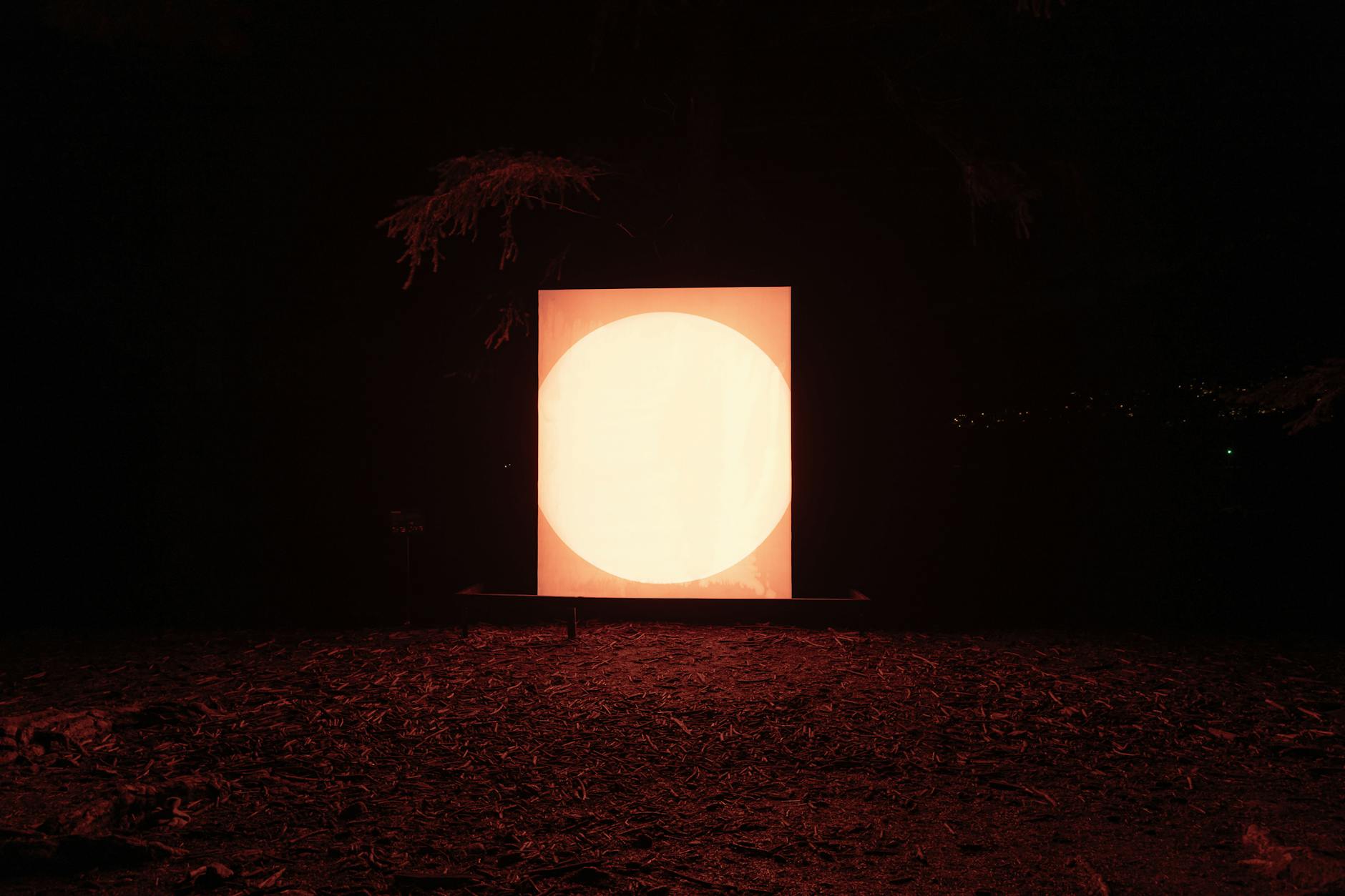
The installations range from large-scale projections on building facades to immersive sound installations, performance pieces, video art, sculpture, interactive technology, and surreal site-specific work. Many are designed specifically to engage with their nighttime urban setting.
The Crowd
1+ million people walk the streets throughout the night. The crowd is diverse — young art students, retired Toronto residents, international tourists, families with kids until early evening, and dedicated nuit owls who stay until dawn.
Nuit Blanche Toronto: The Major Zones
Locations, themes and curation change from year to year, and in 2026 projects reached beyond downtown to North York and other neighbourhoods. Check the edition’s project map before you plan a route. Common zones include:
Financial District / King West
Large-scale projections on financial-district skyscrapers and King West venues. Often features the most theatrical installations.
Yonge-Dundas Square & Eaton Centre
Major installations in the public square and surrounding plazas.
Kensington Market & Chinatown
Smaller, more intimate installations woven through the multicultural neighbourhood.
Don Valley / Bayview
Outdoor installations in industrial and natural settings. Often the most unexpected and dramatic.
Distillery District
Cobblestone-area installations using the Victorian heritage architecture as backdrop.
Nuit Blanche Toronto: Walking Strategy
Plan Your Route Ahead
Download the Nuit Blanche map at toronto.ca before the festival. The map shows all installations and walking routes. Plan a 3–5 hour walking route hitting installations you most want to see.
Major Routes
Single Zone: Focus on one zone in depth and allow a few hours. Best for first-time visitors who want a manageable experience.
Multi-Zone Tour: Link several zones using TTC or walking, and set aside most of the night. Best for experienced festival-goers.
All-Night Marathon: The full sunset-to-sunrise experience, if you have the stamina for a night on your feet.
Transit During Nuit Blanche
The TTC operates extended overnight Blue Night service during Nuit Blanche, and in 2026 Lines 1 and 2 ran all night. The 501 Queen, 504 King and 506 Carlton streetcars are handy for reaching projects; check the TTC’s Nuit Blanche service notice for the year you go.
Free Shuttle Buses
The festival typically operates free shuttle buses connecting major zones. Saves walking time between distant installations.
Nuit Blanche Toronto: What to Bring
Comfortable Walking Shoes: Distances add up quickly between projects, whatever route you choose.
Layered Clothing: Late September / early October Toronto can feel mild at sunset and much colder by 4 a.m. Bring layers.
Phone with Map App: The Nuit Blanche app or Google Maps for navigation.
Phone Charger: Long night; phones drain quickly with photo-taking.
Water Bottle: Stay hydrated.
Snacks: Many street vendors operate, but bringing snacks helps.
Camera: If you’re a photography enthusiast, bring a real camera. Most installations are photogenic.
Cash & Card: Some food vendors are cash-only.
TTC Pass: Day pass or PRESTO card for moving between zones.
Nuit Blanche Toronto: Where to Eat & Stay Warm
Late-Night Restaurants
Spadina Chinatown: Pho, dim sum, and noodle shops. Check each restaurant’s hours before you count on a late meal.
Sneaky Dee’s (Bathurst & College): Toronto institution with late-night nachos.
St. Lawrence Market Area: Multiple late-night options in the Old Town district.
Yonge-Dundas Area: McDonald’s at 356 Yonge Street, late-night pizza spots.
All-Night Cafes
Most specialty cafes close in the evening, but several Toronto cafes operate later during Nuit Blanche.
Indoor Warm-Up Spaces
Many Nuit Blanche installations are indoors (museums, galleries, hotel lobbies). These also serve as warm-up spaces during cold late-night hours.
Nuit Blanche Toronto: Tips for First-Time Visitors
Don’t try to see everything. More than 70 projects is too many for one night. Pick 10–15 must-sees from your favourite zones.
Start before sunset. Be in place before the opening (7 p.m. in 2026). Find a starting point and watch the festival kick off.
Use the official app. Real-time updates on installation status, crowd density, and routes.
Bring a flashlight or use phone. Some installations are in dimly lit areas.
Stay aware of surroundings. Standard urban precautions; large crowds increase pickpocketing risk.
Build in food breaks. A 4-hour walk requires at least one food stop.
Plan a meeting point. If with a group, agree on a meeting point in case of separation.
Wear what you’d wear for a long walk. Comfortable, weather-appropriate, layered.
Don’t commit to all-night. Most visitors do 3–5 hours. The full sunset-to-sunrise marathon is for dedicated festival-goers.
Take photos but stay present. Some installations are best experienced without phone screens between you.
Nuit Blanche Toronto: For Different Visitors
First-Time Visitors
A few hours covering one zone in depth. Start at sunset; finish around 11 p.m. Walk back or take TTC home.
Art Enthusiasts
Multi-zone marathon hitting major projections, performance pieces, and major-artist installations. Set aside the better part of the night.
Photographers
Bring a real camera with low-light capability. Best installations are large-scale projections and sculptural pieces. The dawn finale (sunrise installations) is particularly photogenic.
Families with Older Kids
Yonge-Dundas Square and Distillery District zones are most kid-friendly. Plan to be home by 10–11 p.m.
All-Night Festival-Goers
Full sunset-to-sunrise marathon. Plan food, transit, and rest stops. The dawn experience as the festival winds down is uniquely Toronto.
Nuit Blanche Toronto: History
Nuit Blanche was founded in Paris in 2002 as an all-night cultural celebration. Toronto launched its version in 2006. Other cities including Montreal, New York, and Calgary now run their own versions.
Nuit Blanche Toronto has evolved from a single-night experimental art festival to a major Toronto cultural institution attracting more than 1 million participants annually. Over the years it has presented almost 1,800 installations, from independent and institutional projects to large-scale commissions.
Nuit Blanche Toronto: After the Festival
Nuit Blanche officially ends at sunrise. The post-festival Sunday is one of Toronto’s most distinctive recovery days. Suggestions for after:
Sunday Brunch: Tradition for Nuit Blanche survivors. Lady Marmalade, Mildred’s Temple Kitchen, or any neighbourhood favourite. See our best brunch Toronto guide.
Sleep Late Sunday: Most Nuit Blanche visitors take Sunday slow. Hotels often offer late-checkout for Nuit Blanche weekend.
Plan a Lighter Day: Sunday is a low-energy recovery day for most visitors.
Frequently Asked Questions: Nuit Blanche Toronto
When is Nuit Blanche Toronto?
Nuit Blanche Toronto is held on one Saturday night in late September or early October each year. The 2026 edition ran overnight on October 3–4.
How long does Nuit Blanche last?
All night, from Saturday evening to Sunday morning — 7 p.m. to 7 a.m. (12 hours) in 2026.
Is Nuit Blanche Toronto free?
Yes — all official Nuit Blanche installations are free to attend. No tickets required.
Where are the Nuit Blanche installations?
Across Toronto, in locations that change every year; 2026 projects reached as far as North York. Common zones include the Financial District, Yonge-Dundas Square, Kensington Market, the Don Valley, and the Distillery District.
How many Nuit Blanche installations are there?
More than 70 contemporary art projects in 2026, indoors and outdoors across Toronto.
Is Nuit Blanche family-friendly?
Until 10–11 p.m., yes — especially the Yonge-Dundas Square and Distillery District zones. Late-night and overnight programming is more adult-focused.
How do I get around during Nuit Blanche?
Walking is the primary mode. The TTC operates extended overnight Blue Night service. Free festival shuttle buses connect major zones.
What should I bring to Nuit Blanche?
Comfortable walking shoes, layered clothing, phone with map app, phone charger, water bottle, snacks, TTC pass, and a camera if photography-inclined.
Where can I eat during Nuit Blanche?
Spadina Chinatown, Sneaky Dee’s, Yonge-Dundas pizza spots and the McDonald’s at 356 Yonge Street are all options, though hours vary, so check before you go. Some specialty cafes extend hours during Nuit Blanche.
Should I plan to stay all night?
A few hours is plenty for a first visit. Full all-night marathons are for dedicated festival-goers. Both approaches are valid.
Plan Your Nuit Blanche Toronto Visit
Nuit Blanche Toronto is one of Canada’s most distinctive cultural events — a free, all-night, sunset-to-sunrise outdoor art festival that transforms downtown Toronto into a contemporary art gallery for one night each fall. For first-time visitors, plan a 3–4 hour walking tour of one zone, starting at sunset and finishing late evening. For dedicated festival-goers, the all-night marathon is uniquely Toronto. Whatever your style, prepare for crowds, bring layered clothing, plan food breaks, and let the city’s most surreal night unfold. The combination of contemporary art, Toronto’s urban landscape, and 1+ million people walking the streets makes Nuit Blanche Toronto a singular cultural experience.
For more cultural inspiration, see our complete Toronto events and festivals guide, our Toronto arts, culture and museums guide, and our Toronto hidden gems guide. For other night-time events, see TIFF and the Christmas Market.