Wondering about the best time to visit Toronto? Canada’s largest city transforms dramatically with each passing season, offering four completely different experiences throughout the year. From the cherry blossom-lined streets of spring to the sun-drenched beaches of summer, the fiery foliage of autumn to the magical winter wonderland of December, Toronto is a year-round destination that rewards visitors no matter when they arrive. With a record 28.2 million visitors in 2025 generating over $9 billion in tourism spending, Toronto has never been more popular — and knowing when to visit can make the difference between a good trip and an extraordinary one.
The right month depends entirely on what you are after. A budget traveller chasing cheap hotel rates wants a very different week than a foodie timing a visit around TIFF, or a family hoping the lake is finally warm enough to swim. What follows is a month-by-month read on the weather, the festival calendar, hotel pricing, and how busy the city actually feels — enough detail to lock in the dates for your Toronto vacation with confidence.
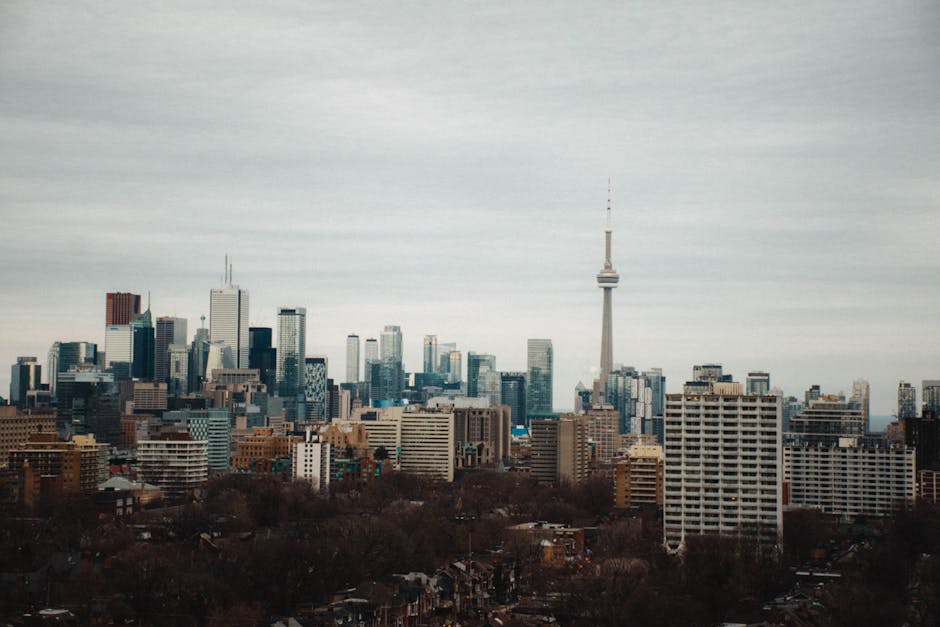
Best Time to Visit Toronto: Quick Overview
If you are short on time, here is the quick answer: the best time to visit Toronto is from late April through October, when temperatures are comfortable, outdoor patios are open, and the city buzzes with festivals and events. The absolute peak is June through September, when you will enjoy warm weather, long daylight hours, and the full range of things to do in Toronto. However, each season has compelling reasons to visit, and shoulder seasons (May and October) offer the best combination of pleasant weather, lower prices, and manageable crowds.
| Season | Months | Avg. High | Avg. Low | Best For | Crowd Level |
|---|---|---|---|---|---|
| Spring | Mar – May | 5-20°C (42-68°F) | -2 to 11°C (28-51°F) | Cherry blossoms, budget travel, patios opening | Low to Moderate |
| Summer | Jun – Aug | 24-28°C (75-82°F) | 15-18°C (59-65°F) | Beaches, festivals, outdoor dining, nightlife | High (Peak) |
| Fall | Sep – Nov | 8-22°C (46-72°F) | 2-14°C (35-57°F) | TIFF, fall foliage, Nuit Blanche, mild weather | Moderate |
| Winter | Dec – Feb | -2 to 3°C (27-37°F) | -7 to -3°C (19-27°F) | Holiday markets, skating, budget travel, hockey | Low |
Month-by-Month Guide to Visiting Toronto
To truly understand the best time to visit Toronto for your specific interests, let’s break down what each month has to offer. Use it to pinpoint your window, whether you are chasing cherry blossoms in spring or holiday lights in December. If you want the granular daily patterns — average rainfall, humidity, what to actually pack — our month-by-month Toronto weather guide goes deeper than any calendar can.
January in Toronto
Average High: 0°C (31°F) | Average Low: -7°C (19°F) | Daylight: ~9 hours
January is Toronto’s coldest month, with temperatures frequently dipping well below freezing and occasional snowstorms blanketing the city. But don’t write it off — January offers some of the lowest hotel rates of the year (often 40-50% below summer peaks), and the city compensates for the chill with a packed indoor cultural calendar. The Winterlicious food festival (late January to mid-February) lets you sample prix fixe menus at over 200 of Toronto’s top restaurants for $25-$75 per person. Ice skating is free at Nathan Phillips Square and the Harbourfront Centre’s Natrel Rink. The Royal Ontario Museum, Art Gallery of Ontario, and Hockey Hall of Fame are blissfully uncrowded. Sports fans can catch the Maple Leafs (NHL hockey) or Raptors (NBA basketball) at Scotiabank Arena.
Pros: Lowest hotel prices, no crowds, Winterlicious, free skating, indoor attractions at their quietest.
Cons: Bitter cold, shorter days, some outdoor attractions closed, icy sidewalks.
February in Toronto
Average High: 0°C (33°F) | Average Low: -6°C (21°F) | Daylight: ~10 hours
February is statistically Toronto’s driest month, and while temperatures remain frigid, the days are noticeably longer than January. Winterlicious continues into early February, making this another excellent month for food lovers on a budget. Valentine’s Day brings special dining events and romantic packages at many of the city’s top hotels. The Canadian International AutoShow typically takes over the Metro Toronto Convention Centre, drawing car enthusiasts from across the country. Ice fishing on Lake Simcoe (a short day trip from Toronto) is in full swing, and ski resorts north of the city offer excellent conditions.
Pros: Low prices continue, Winterlicious, less precipitation than January, Valentine’s packages.
Cons: Still very cold, limited outdoor activities, potential for freezing rain.
March in Toronto
Average High: 5°C (42°F) | Average Low: -2°C (28°F) | Daylight: ~12 hours
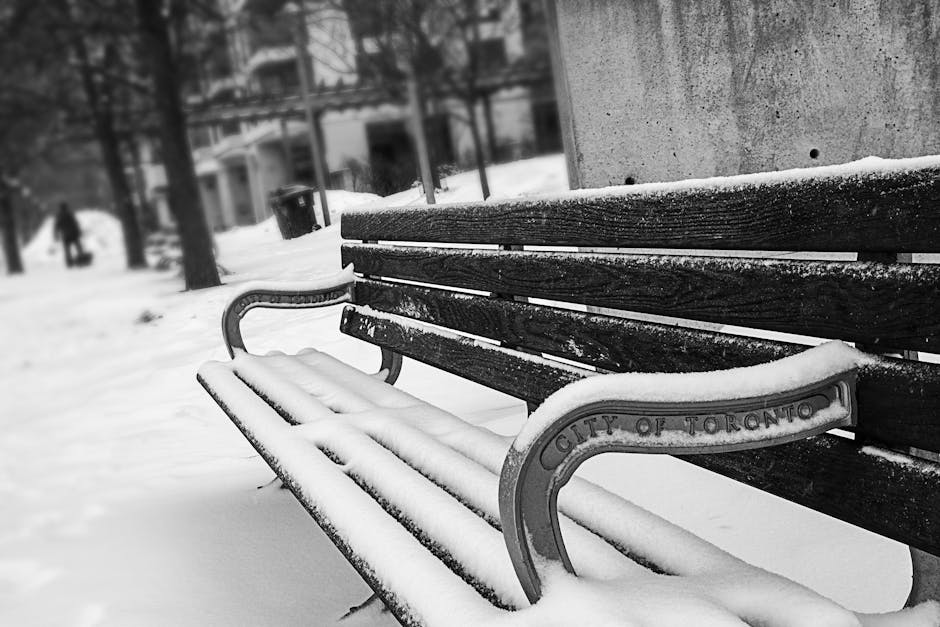
March signals the slow thaw, though Toronto’s spring arrives later than many visitors expect. Early March can still feel distinctly wintry, with occasional snowfall and below-zero nights. By late March, however, temperatures begin climbing, snow melts away, and the city takes on a hopeful energy. Hotel prices remain low, making this one of the most affordable months to visit. The St. Patrick’s Day Parade (mid-March) is one of the city’s most spirited events, drawing thousands to University Avenue. March Break (Ontario’s spring break) brings family-friendly programming to museums, the Toronto Zoo, and Ripley’s Aquarium, though these attractions will be busier than usual with local families.
Pros: Low hotel prices, longer days, St. Patrick’s Day, March Break activities, transition energy.
Cons: Unpredictable weather (“mud season”), some outdoor venues still closed, chilly winds.
April in Toronto
Average High: 12°C (53°F) | Average Low: 3°C (38°F) | Daylight: ~13.5 hours
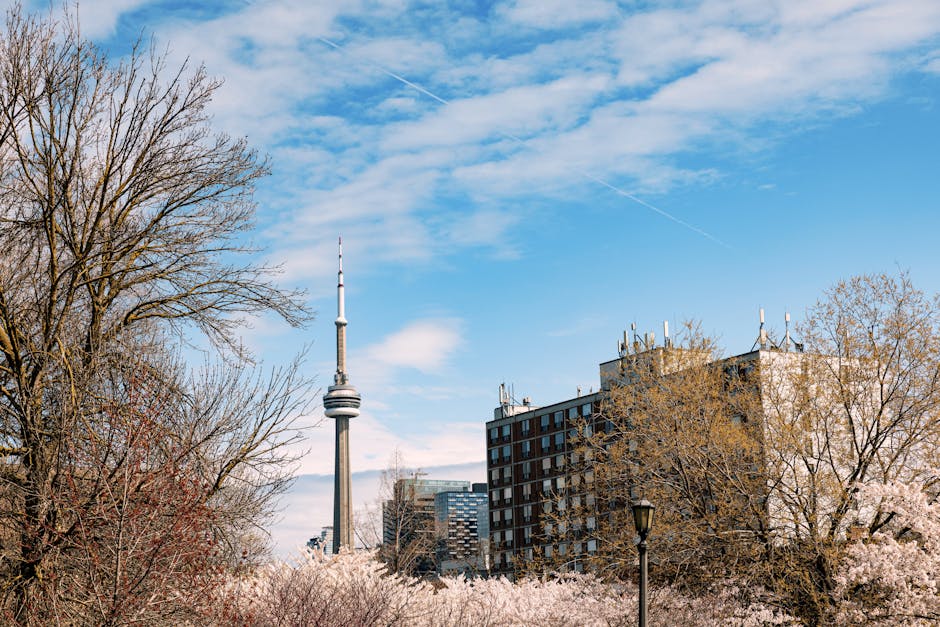
April is when Toronto truly wakes up. Patios begin opening across the city, trees start budding, and outdoor markets spring to life. The weather can still be fickle — pack layers and a rain jacket — but warm spells in the mid-teens become increasingly common. Late April brings the start of cherry blossom season at High Park and Trinity Bellwoods, one of Toronto’s most Instagram-worthy natural events (read our dedicated Toronto Cherry Blossom Season guide for peak bloom predictions). Doors Open Toronto (if scheduled for late April) grants free access to architecturally significant buildings normally closed to the public. Hotel prices are still below summer peaks, making April an excellent value month.
Pros: Cherry blossoms, patios opening, Doors Open Toronto, moderate prices, fewer crowds.
Cons: Rainy days, temperatures still cool for swimming, lake water very cold.
May in Toronto
Average High: 20°C (68°F) | Average Low: 11°C (51°F) | Daylight: ~15 hours
May is arguably the most underrated month to visit Toronto. Temperatures are comfortable, daylight stretches to nearly 15 hours, the city is lush and green, and summer crowds have not yet arrived. Victoria Day weekend (the Monday before May 25th) marks the unofficial start of summer with fireworks at Ashbridges Bay and the opening of many seasonal attractions. The Toronto neighbourhoods are at their most charming, with blossoming trees lining residential streets and farmers’ markets reopening across the city. Patio culture is in full swing, making this an excellent time to explore the Toronto food scene. Hotel prices are moderate — higher than winter but well below July/August peaks.
Pros: Best weather-to-crowd ratio, Victoria Day weekend, patios everywhere, lush greenery, moderate prices.
Cons: Lake still too cold for swimming, occasional cool snaps, some summer festivals haven’t started.
June in Toronto
Average High: 24°C (75°F) | Average Low: 15°C (59°F) | Daylight: ~15.5 hours
June marks the true beginning of Toronto’s peak tourism season, and for good reason. Long, warm days, a city in full bloom, and the start of the summer festival calendar make June one of the most exciting months to visit. Pride Toronto (late June) is Canada’s largest festival and the second-largest Pride celebration in the world, culminating in the legendary Pride Parade that draws over a million spectators. The Luminato Festival showcases cutting-edge performing arts, music, and visual art across the city. Beach season begins at Toronto’s waterfront — the Toronto Islands, Woodbine Beach, and Sugar Beach beckon. Outdoor concerts, rooftop bars, and nightlife reach full throttle. Hotel rates climb significantly, especially around Pride weekend.
Pros: Warm weather, longest days, Pride Toronto, Luminato, beaches open, vibrant energy.
Cons: Prices spike, crowds increase, Pride weekend books up months ahead, humidity begins.
July in Toronto
Average High: 28°C (82°F) | Average Low: 18°C (65°F) | Daylight: ~15 hours
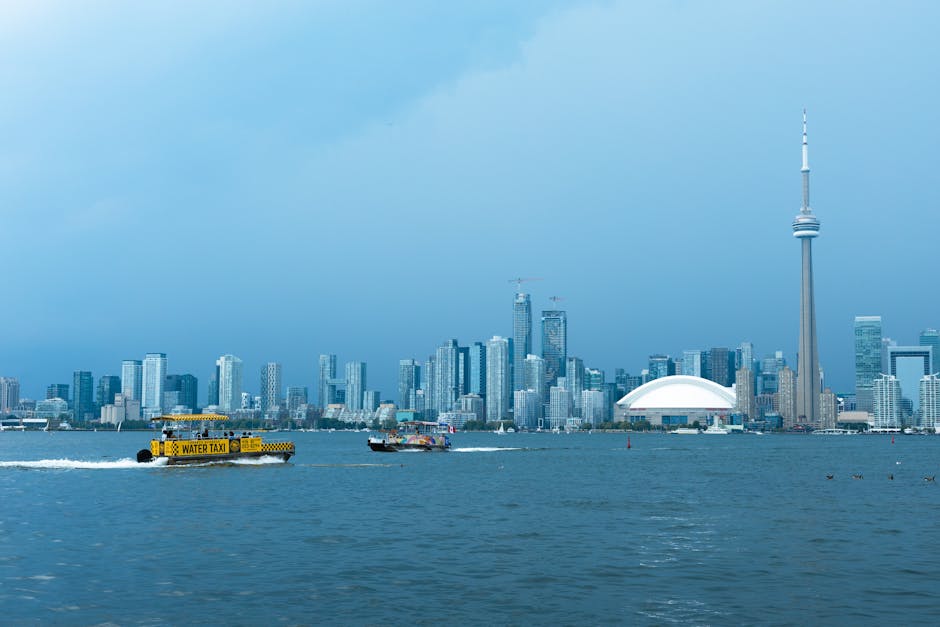
July is Toronto’s warmest month and the height of summer tourism. The city pulses with energy: beaches are packed, the Toronto Islands ferry runs at full capacity, and festivals fill every weekend. Canada Day (July 1st) kicks things off with celebrations at Nathan Phillips Square, Mel Lastman Square, and waterfront venues featuring live music, fireworks, and cultural performances. The TD Toronto Jazz Festival brings touring headliners and local talent to venues across the city. Late July sees the start of Caribana preparations, North America’s largest Caribbean carnival. The weather is reliably warm and often hot, with occasional humid days pushing the humidex above 35°C (95°F). Lake Ontario is finally warm enough for swimming. This is peak pricing for hotels — book well in advance.
Pros: Peak warmth, Canada Day, Jazz Festival, perfect beach weather, Toronto Islands at their best.
Cons: Highest prices, biggest crowds, humidity and occasional heat waves, long ferry waits.
August in Toronto
Average High: 26°C (79°F) | Average Low: 18°C (64°F) | Daylight: ~14 hours
August rivals July for warmth and energy. The month opens with the spectacular Toronto Caribbean Carnival (Caribana), attracting over one million attendees to the Grand Parade along Lake Shore Boulevard — one of the most vibrant cultural celebrations in the world. The iconic Canadian National Exhibition (CNE) begins in late August and runs through Labour Day, offering midway rides, quirky food innovations, the Air Show, and family entertainment at Exhibition Place. Shopping is excellent during back-to-school sales. Late August sees a subtle shift as evenings cool slightly and locals begin savouring the last weeks of summer. Hotel prices remain high but begin to ease after Labour Day.
Pros: Caribana, CNE, warm beaches, vibrant nightlife, back-to-school deals.
Cons: Continued high prices, humidity, Labour Day weekend extremely busy.
September in Toronto
Average High: 22°C (72°F) | Average Low: 14°C (57°F) | Daylight: ~12.5 hours
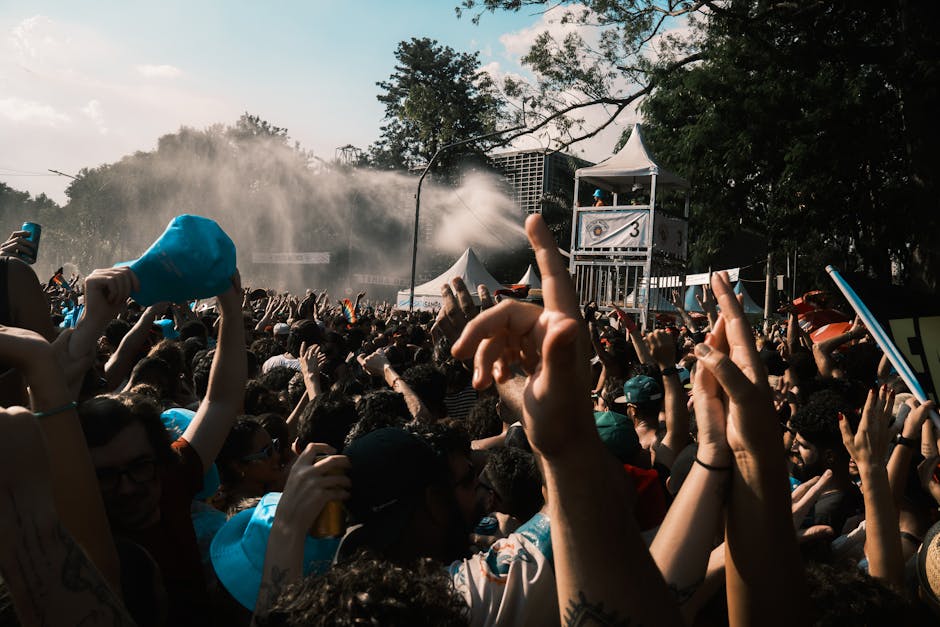
September is widely considered one of the absolute best times to visit Toronto. The weather is gorgeous — warm days, cool nights, minimal humidity — and the city buzzes with post-summer cultural energy. The undisputed highlight is the Toronto International Film Festival (TIFF), typically running for 11 days in early-to-mid September. TIFF transforms the city into the centre of the global film industry, with celebrity sightings, public screenings, red carpet events, and an electric atmosphere throughout the Entertainment District and King West. Early September also overlaps with the final days of the CNE. The first hints of fall foliage appear in parks. Hotel prices during TIFF week spike dramatically, but the rest of September offers excellent value.
Pros: TIFF, gorgeous weather, fall foliage begins, lower humidity, shoulder season prices (except TIFF).
Cons: TIFF week extremely expensive, evenings cool, beach season winding down.
October in Toronto
Average High: 15°C (59°F) | Average Low: 8°C (46°F) | Daylight: ~11 hours
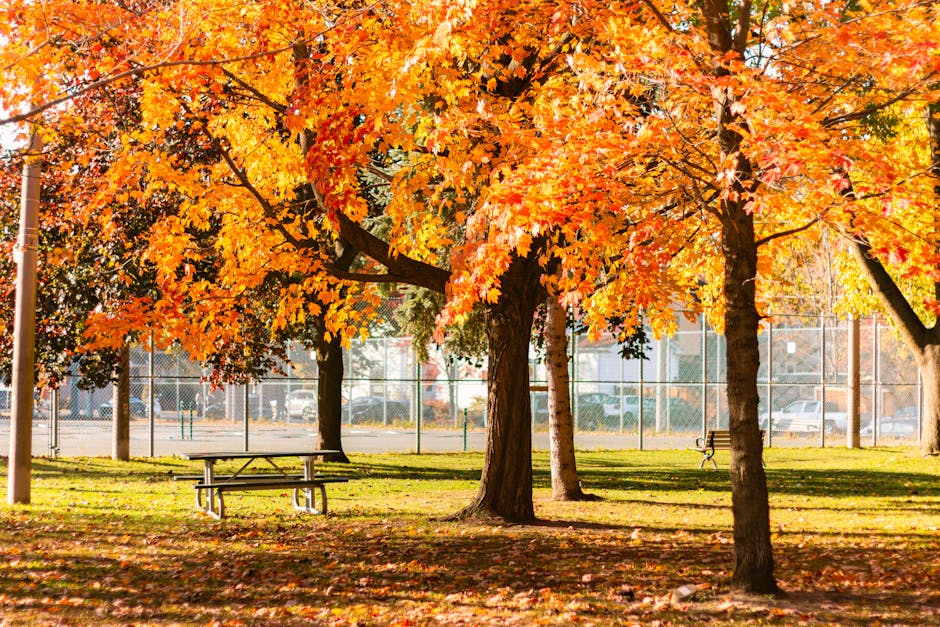
October is fall at its most spectacular. The city’s tree canopy — one of the largest urban forests in the world — explodes in shades of red, orange, and gold. The ravine system, High Park, Edwards Gardens, and the Don Valley trails turn into some of the best leaf-peeping in any North American city. Nuit Blanche (first Saturday of October) transforms Toronto into an all-night open-air art gallery, with over one million people exploring free contemporary art installations across the city until sunrise. Thanksgiving (second Monday of October) is a quieter holiday in Canada, but restaurants offer special menus and the mood is festive. Halloween festivities abound at the end of the month. Temperatures are crisp but comfortable, hotel prices are reasonable, and the crowds thin noticeably.
Pros: Peak fall foliage, Nuit Blanche, Thanksgiving, Halloween, moderate prices, gorgeous weather.
Cons: Evenings can be cold, rainy days increase, some seasonal attractions closing.
November in Toronto
Average High: 8°C (46°F) | Average Low: 2°C (35°F) | Daylight: ~9.5 hours
November is Toronto’s quietest tourism month and the cheapest time to visit — hotel rates drop an average of 21% below annual averages. The last leaves cling to trees in early November before the landscape turns bare. The weather can be grey and damp, but the city compensates with the start of the holiday season: the Toronto Christmas Market opens at the Distillery District in mid-November, transforming the cobblestone streets into a European-style wonderland. The Santa Claus Parade (third Sunday of November) is one of the oldest and largest in the world. Black Friday shopping deals draw bargain hunters to the Eaton Centre and shopping districts. It’s also an excellent month for museum and gallery visits, with new fall exhibitions in full swing.
Pros: Cheapest hotel rates, Christmas Market opens, Santa Claus Parade, no crowds, Black Friday shopping.
Cons: Cold and grey, short days, limited outdoor activities, some attraction closures.
December in Toronto
Average High: 3°C (37°F) | Average Low: -3°C (27°F) | Daylight: ~9 hours
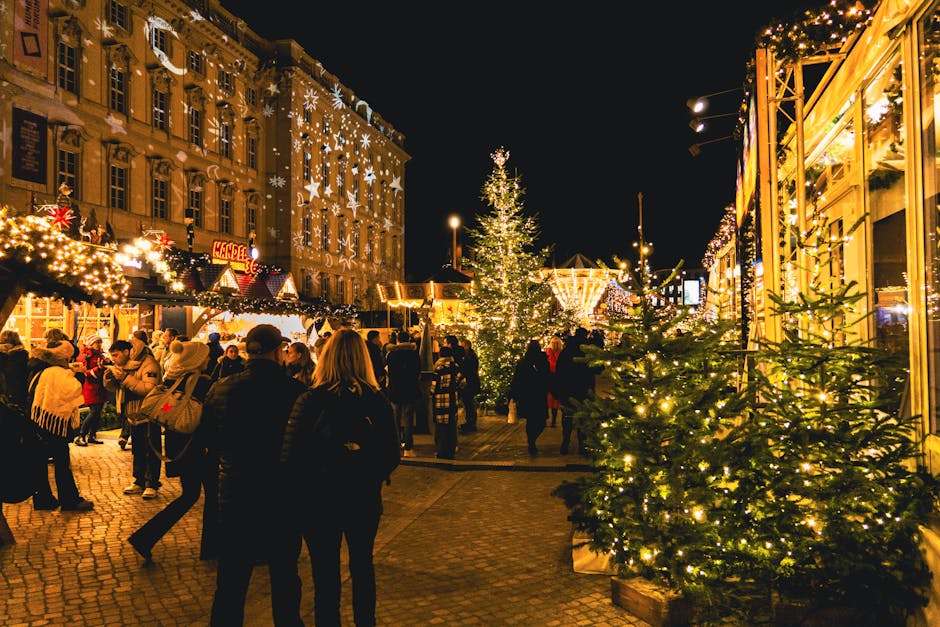
December in Toronto is pure holiday magic. The Distillery District Christmas Market reaches peak festivity, with artisan vendors, mulled wine, live performances, and twinkling lights. Cavalcade of Lights at Nathan Phillips Square features a massive holiday tree, skating, and fireworks. The city’s premier restaurants and bars serve special holiday menus. Ice skating is available at over 50 outdoor rinks across the city, including the scenic rink at the Harbourfront Centre. New Year’s Eve celebrations at Nathan Phillips Square draw thousands for a midnight countdown with live music and fireworks. Hotel rates are low in early December but spike between Christmas and New Year’s. For a festive family trip, mid-December offers the best balance of holiday atmosphere and reasonable pricing.
Pros: Christmas markets, holiday lights, skating rinks, festive atmosphere, NYE celebrations.
Cons: Cold temperatures, potential for snow/ice, holiday week prices spike, short days.
Spring in Toronto (March – May): Cherry Blossoms, Patios & Renewal
Spring in Toronto is a season of dramatic transformation. The city shakes off its winter coat in stages: March brings tentative warmth and lengthening days; April delivers cherry blossoms, tulips, and the reopening of patio culture; May bursts with lush greenery, comfortable temperatures, and a palpable excitement for the summer ahead.
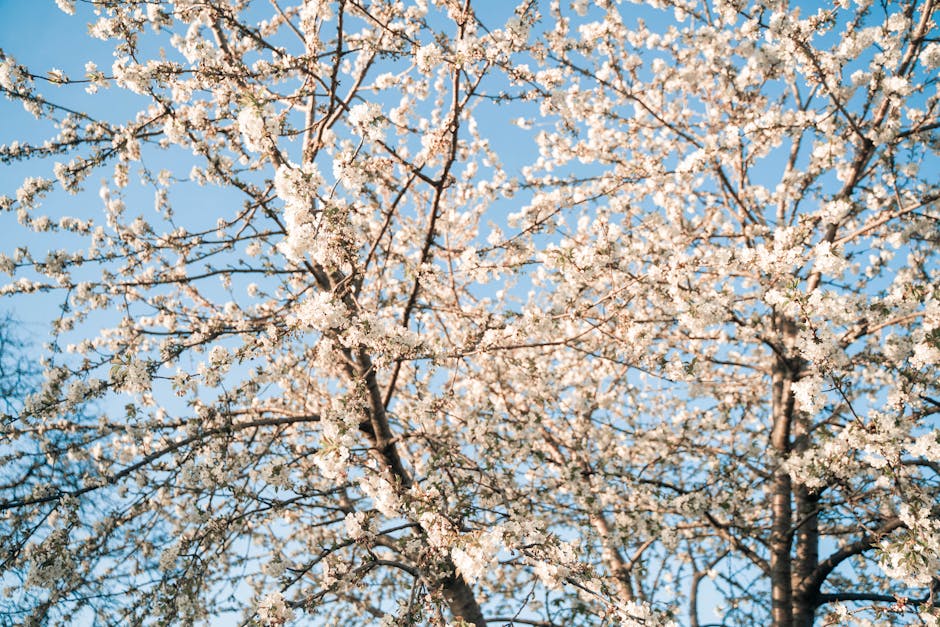
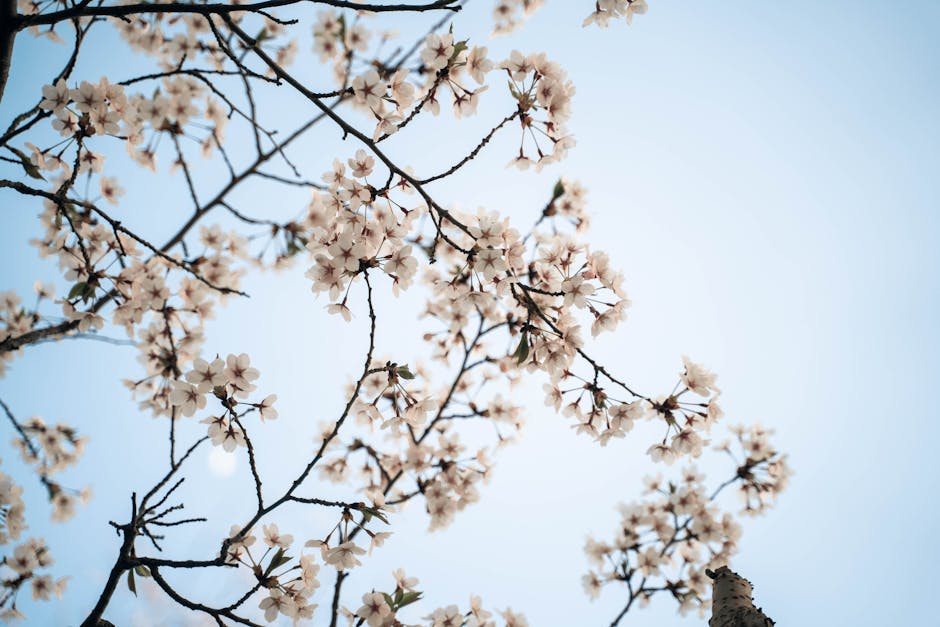
The cherry blossom season is spring’s crown jewel. High Park’s Sakura trees (a gift from Japan in 1959) typically reach peak bloom between late April and early May, drawing hundreds of thousands of visitors for just 7-10 days of ethereal pink beauty. Other excellent cherry blossom viewing spots include Trinity Bellwoods Park, the University of Toronto campus, and Robarts Library’s forecourt. Timing is everything — the High Park Nature Centre and the famous “Sakura Steve” provide real-time bloom updates each spring.
Spring is also when Toronto’s outdoor markets reopen. The St. Lawrence Market (named the world’s best food market by National Geographic) buzzes with renewed energy, and neighbourhood farmers’ markets start popping up across the city. Patio season — a near-sacred ritual for Torontonians — begins in earnest by late April, with restaurants along King West, Queen West, and the Ossington Strip competing for the most inviting outdoor setups.
What to Pack for Spring: Layers are essential. Mornings can be near-freezing in March but warm into the low teens by afternoon. By May, you can usually get away with a light jacket for evenings. A waterproof layer and umbrella are must-haves, as April and May bring regular rain showers. Comfortable walking shoes that can handle wet pavement will serve you well.
Summer in Toronto (June – August): Beaches, Festivals & Sunshine
Summer in Toronto is when the city operates at maximum volume. With temperatures regularly reaching 25-30°C (77-86°F), over 15 hours of daylight, and an almost non-stop festival calendar, summer is peak season for a reason. Toronto’s 28.2 million annual visitors skew heavily toward the June-August window, and the city rises to meet them with an extraordinary array of experiences.
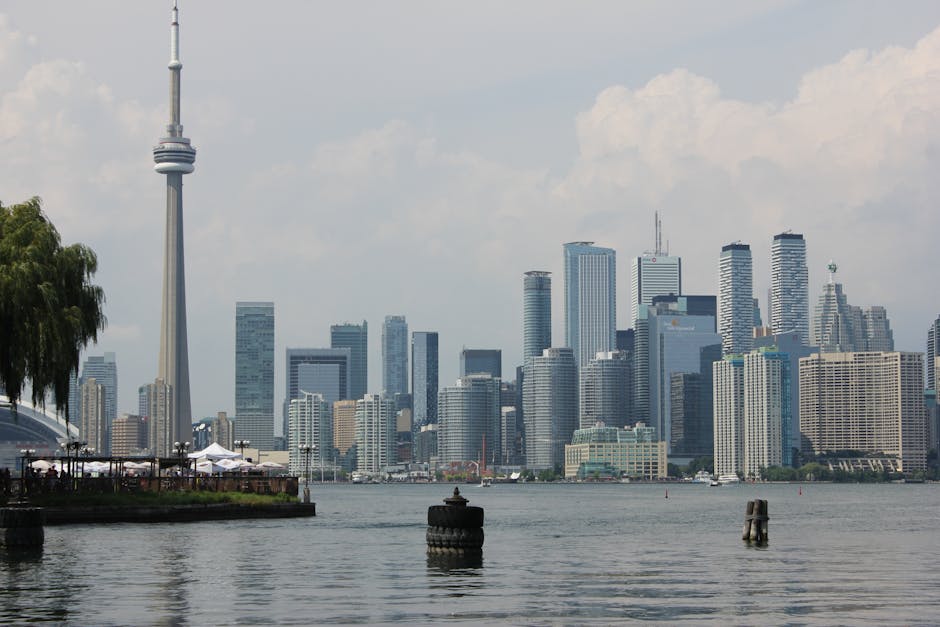
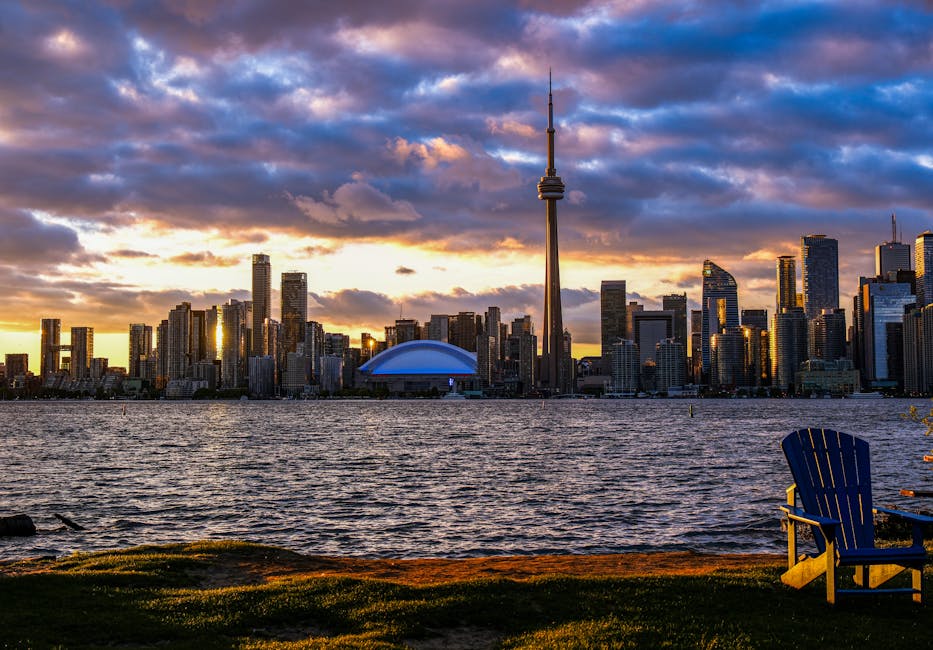
The beaches are a summer highlight that surprises many first-time visitors. Toronto sits on the shore of Lake Ontario, and its waterfront stretches for kilometres. The Toronto Islands — a 15-minute ferry ride from downtown — offer car-free cycling paths, sandy beaches, stunning skyline views, and the beloved Centreville Amusement Park for families. Woodbine Beach and the Beaches neighbourhood provide a classic boardwalk experience with sand volleyball courts, the historic Leuty Lifeguard Station, and a vibrant local dining scene. Sugar Beach, with its bright pink umbrellas, is a popular urban beach right in the heart of the waterfront.
Summer festivals define the season. Pride Toronto (late June) transforms the city with a week of parades, concerts, and celebrations. Caribana / Toronto Caribbean Carnival (late July to early August) is the largest cultural festival in North America, with its Grand Parade featuring thousands of masqueraders in elaborate costumes dancing along Lake Shore Boulevard. The Canadian National Exhibition (CNE) closes out summer with 18 days of rides, food innovations (this is where deep-fried butter was born), agricultural exhibits, and the Canadian International Air Show. Other summer highlights include the TD Toronto Jazz Festival, Taste of the Danforth (celebrating Greek culture), and dozens of neighbourhood street festivals.
What to Pack for Summer: Light, breathable clothing is essential. Humidity can make 28°C feel significantly warmer, so moisture-wicking fabrics help. Bring sunscreen (SPF 30+), sunglasses, and a hat for sunny days. A light cardigan or sweater is wise for air-conditioned restaurants and evening waterfront breezes. Comfortable walking shoes or sandals, swimwear for the beaches, and a small day pack for outdoor adventures round out the essentials.

Fall in Toronto (September – November): TIFF, Foliage & Cozy Season
Fall in Toronto is a season that many locals consider the city’s best-kept secret. September’s warm days and cool nights create ideal conditions for exploring, October delivers some of the most spectacular urban fall foliage in the world, and November ushers in the holiday season with festive markets and twinkling lights. The combination of pleasant weather, a packed cultural calendar, and lower prices (outside of TIFF week) makes autumn an exceptional time to visit.
The Toronto International Film Festival (TIFF) is the undisputed highlight of Toronto’s fall. Running for 11 days in early September, TIFF is one of the most prestigious film festivals in the world and the largest publicly attended film festival anywhere. Over 400,000 attendees watch 200+ films from 80+ countries, and the festival serves as a crucial launching pad for Oscar campaigns. Even if you don’t attend screenings, the atmosphere is electric: King Street and the Entertainment District buzz with industry events, celebrity sightings, and pop-up experiences. If you plan to visit during TIFF, book accommodation months in advance.
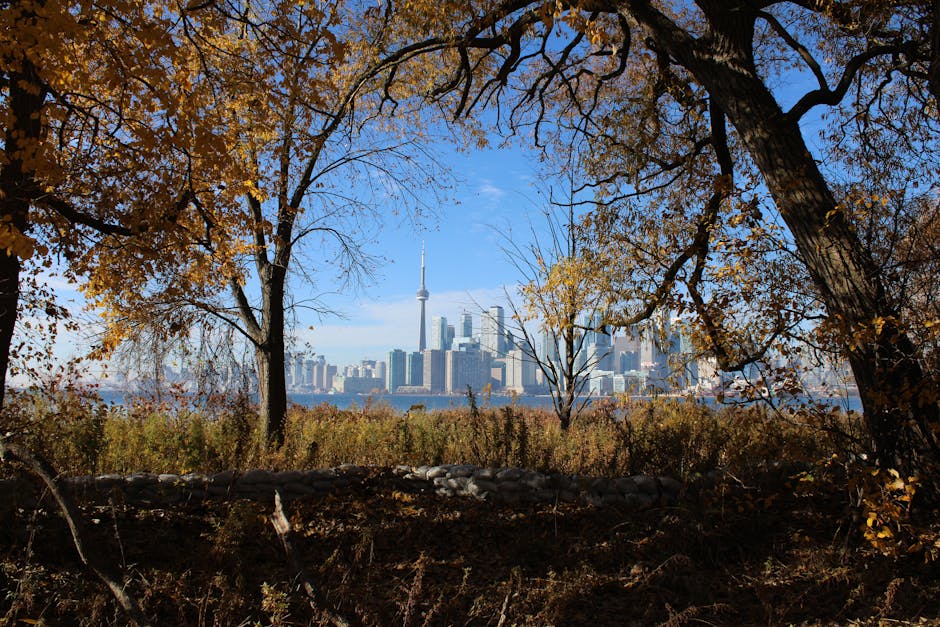
Toronto’s fall foliage peaks between late September and mid-October, turning the city’s extensive ravine system, parks, and tree-lined streets into a canvas of red, amber, and gold. The best spots for leaf-peeping include High Park, the Don Valley Brick Works, Edwards Gardens, the Scarborough Bluffs, and the Humber Valley trail system. For a truly stunning experience, take the ferry to the Toronto Islands during peak colour — the skyline framed by autumn leaves is unforgettable.
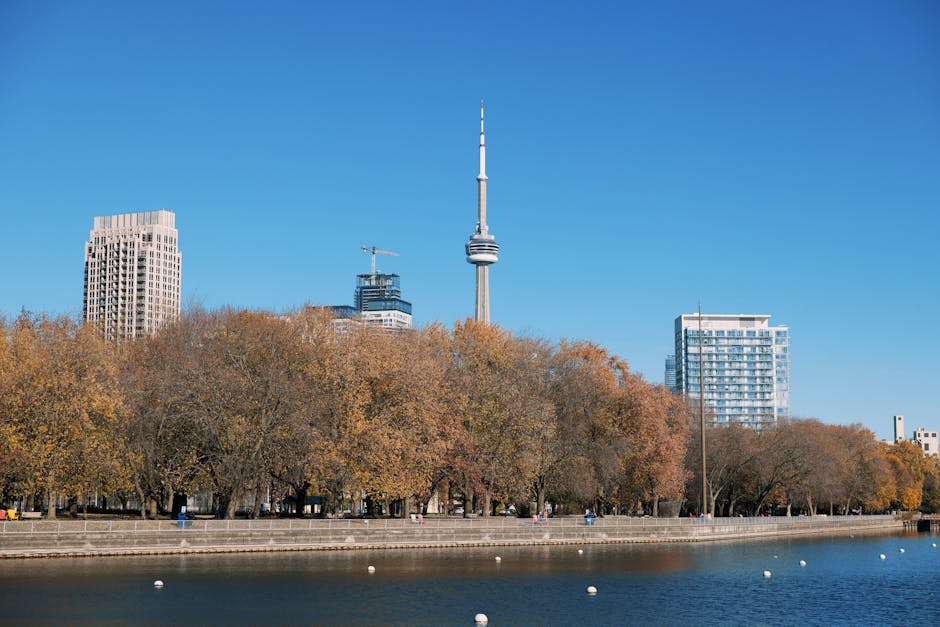
Nuit Blanche (first Saturday of October) is another fall highlight. This free, all-night contemporary art festival transforms Toronto’s streets, parks, and public spaces into an open-air gallery from sunset to sunrise. Over one million people explore hundreds of art installations, making it one of the largest cultural events in North America. Other fall favourites include the Toronto After Dark Film Festival (horror and genre films), the Royal Agricultural Winter Fair (November), and the opening of theatre and concert seasons across the city’s performing arts venues.
What to Pack for Fall: Layering is key. September days can still be warm enough for a T-shirt, but evenings require a jacket. By October, you’ll want a medium-weight coat, and November calls for a heavier winter jacket. Bring a scarf and warm socks for late fall. A compact umbrella and water-resistant outer layer are important, as fall brings increased rainfall. Comfortable walking shoes with good grip will serve you well on leafy paths.
Winter in Toronto (December – February): Snow, Skating & Holiday Magic
Winter in Toronto is not for the faint of heart — temperatures regularly drop below -10°C (14°F) with wind chill, and snow blankets the city from December through March. But Toronto’s winter is far from bleak. The city has perfected the art of cold-weather living, with one of the world’s largest underground pedestrian networks (the PATH system, stretching 30+ kilometres beneath downtown), a thriving indoor dining and cultural scene, and outdoor winter activities that embrace rather than hide from the cold.
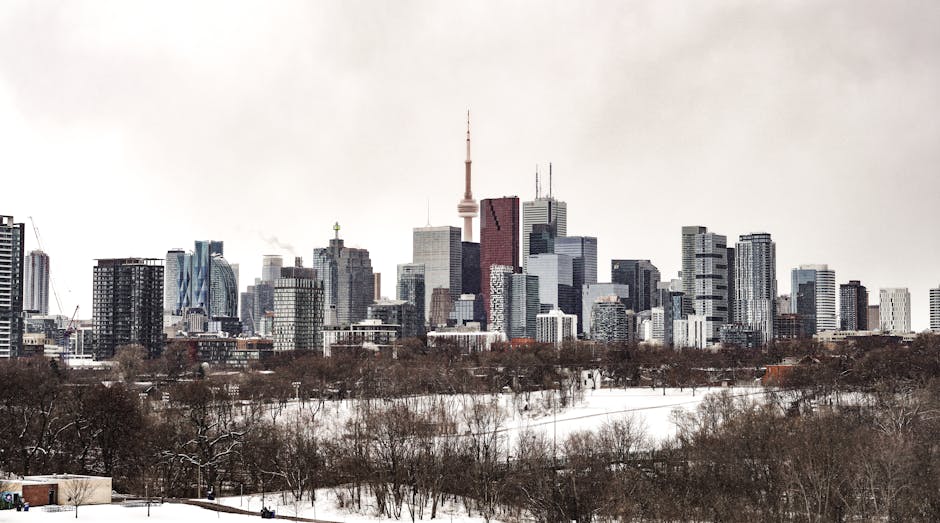
Ice skating is a quintessential Toronto winter experience. The city operates over 50 outdoor rinks, with the most popular at Nathan Phillips Square (in front of City Hall, with the iconic TORONTO sign as a backdrop), the Harbourfront Centre’s Natrel Rink (overlooking Lake Ontario), and the Colonel Samuel Smith Skating Trail in Etobicoke. Most outdoor skating is free — you only pay if you need to rent skates. For a more upscale experience, the skating rink at the Bentway (beneath the Gardiner Expressway) offers a unique urban setting with regular DJ nights and themed events.
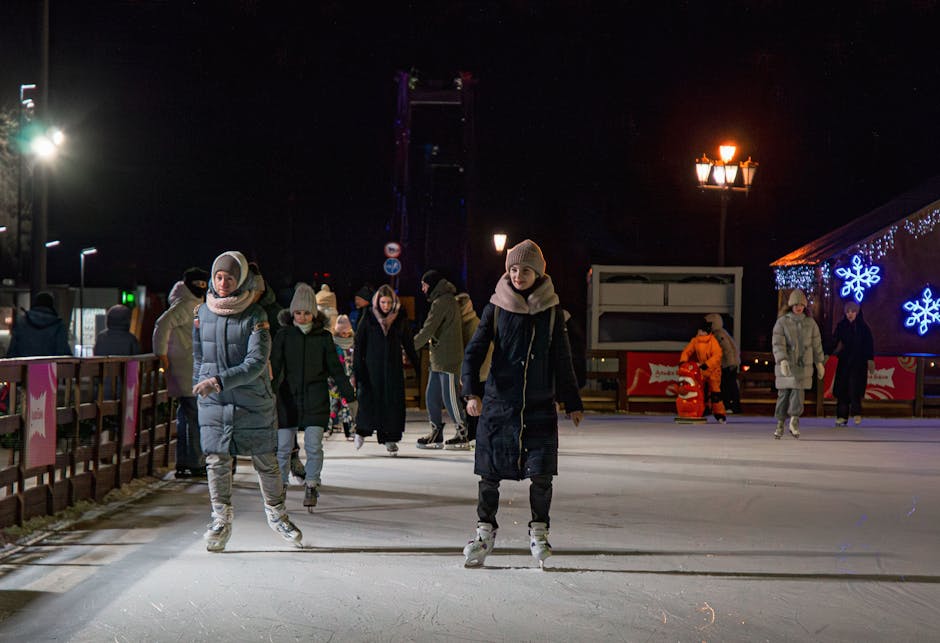
The holiday season transforms Toronto into a winter wonderland. The Distillery District’s Toronto Christmas Market is the city’s premier holiday destination, featuring dozens of artisan vendors, European-style food stalls, mulled wine, live entertainment, and a towering Christmas tree. Cavalcade of Lights at Nathan Phillips Square includes a massive tree lighting ceremony, fireworks, and DJ skating parties. The Holiday Fair in the Square (Nathan Phillips Square) and the Aurora Winter Festival offer immersive holiday experiences. For families with children, the Santa Claus Parade (late November) and visits to Santa at the Eaton Centre are cherished traditions.
Winter is also peak season for indoor culture. The Royal Ontario Museum, Art Gallery of Ontario, Aga Khan Museum, and Bata Shoe Museum mount major exhibitions without the summer crowds. The Toronto theatre scene is in full swing, with Mirvish Productions staging major Broadway shows and independent theatres offering cutting-edge Canadian productions. Sports fans can catch the Maple Leafs, Raptors, and Toronto FC at their respective venues. And for the adventurous, day trips to ski resorts at Blue Mountain (about 2.5 hours north) offer excellent Ontario skiing and snowboarding.
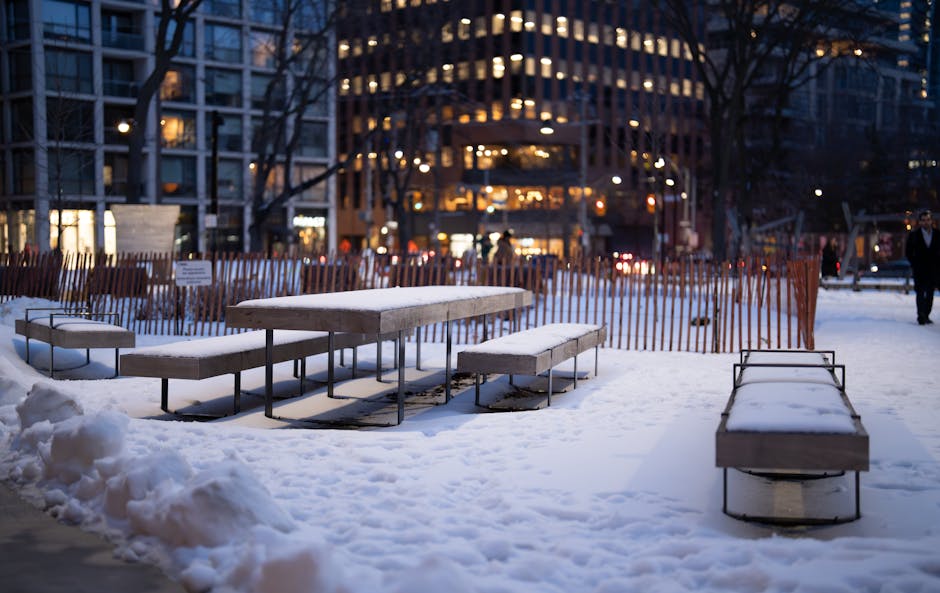
What to Pack for Winter: Serious cold-weather gear is non-negotiable. A heavy, insulated winter coat (ideally windproof and waterproof) is essential. Layer with thermal base layers, fleece or wool mid-layers, and a warm sweater. Insulated waterproof boots with good traction are critical for navigating snow and ice. Pack a warm hat, insulated gloves, and a scarf or neck gaiter. Hand warmers are a welcome luxury for extended outdoor time. The good news: Toronto’s PATH system and public transit mean you won’t be outside for extended periods if you plan routes wisely.
Best Time to Visit Toronto for Specific Activities
The best time to visit Toronto depends largely on what you want to do. Here’s a targeted breakdown for the most popular visitor activities.
Best Time for Beaches & Swimming
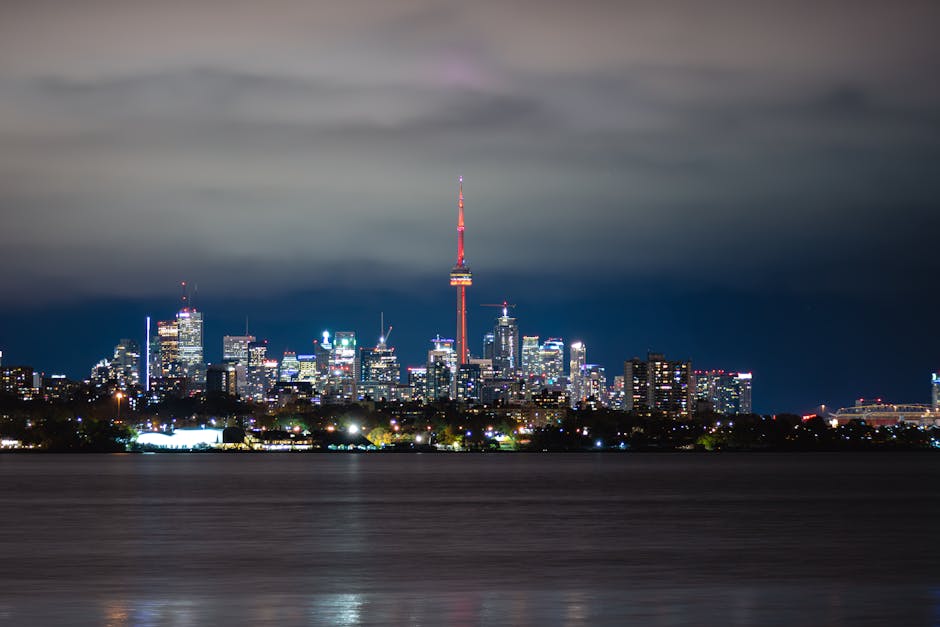
Late June through early September. Lake Ontario takes a long time to warm up. Water temperatures don’t become comfortable for swimming until late June (around 18-20°C / 64-68°F) and peak in late July/August (22-24°C / 72-75°F). The Toronto Islands, Woodbine Beach, Bluffer’s Beach at Scarborough Bluffs, and Cherry Beach are the top swimming spots. Blue Flag beach status ensures water quality at several beaches — check the City of Toronto’s beach water quality updates before heading out.
Best Time for Festivals & Events
June through October. Toronto’s festival calendar is one of the richest in North America. Key dates: Pride Toronto (late June), Canada Day (July 1), Caribana (late July/early August), CNE (late August to Labour Day), TIFF (September), Nuit Blanche (early October). In 2026, the FIFA World Cup brings matches to Toronto in June and July, making it an even more extraordinary year for event-driven travel.
Best Time for Skiing & Winter Sports
January through March. While Toronto itself doesn’t have ski hills, day trips to Blue Mountain, Mount St. Louis Moonstone, and Horseshoe Resort (all 1.5-2.5 hours north) offer excellent skiing and snowboarding. Cross-country skiing, snowshoeing, and ice skating are available right in the city at parks like High Park, the Don Valley, and the extensive trail system along the waterfront.
Best Time for Fall Foliage
Late September through mid-October. Toronto’s massive urban tree canopy puts on one of the best fall colour shows of any major city. Peak colour depends on temperatures, but the last week of September through the second week of October is typically the sweet spot. High Park, the Don Valley, Edwards Gardens, and the Scarborough Bluffs are the top spots. For a broader fall foliage experience, take a day trip to Algonquin Provincial Park (about 3 hours north), where peak colour arrives a week or two earlier than in the city.
Best Time for Cherry Blossoms
Late April to early May. High Park’s Sakura cherry trees reach peak bloom in a narrow 7-10 day window, typically between April 25 and May 5. The exact timing varies year to year based on spring temperatures. Follow our dedicated Toronto Cherry Blossom Season guide and track updates from the High Park Nature Centre (highparknaturecentre.com) for real-time bloom status.
Best Time for Food Lovers
Year-round, but Winterlicious (January-February) and Summerlicious (July) offer the best value. These city-wide culinary events feature prix fixe menus at hundreds of Toronto’s top restaurants at discounted prices. Patio season (May-September) is ideal for al fresco dining. The Taste of the Danforth (August) celebrates Greek cuisine, while the Night It Up! market (summer) showcases pan-Asian street food.
Cheapest Time to Visit Toronto
If your budget is your primary concern, the cheapest time to visit Toronto is November through March (excluding the Christmas-to-New Year’s holiday period). During these months, you can expect:
- Hotel rates 30-50% below summer peaks: Average nightly rates drop from $278+ in peak summer to $149-$180 in the off-season. November offers the steepest discounts, with rates averaging $246 according to recent data — a 21% decrease from annual averages. Budget hotels and hostels can be found for under $100/night.
- Flight prices drop significantly: Airfare to Toronto Pearson International Airport is lowest in January-February and November. Booking shoulder-season flights (late April/early May or late October) also yields savings of 15-25% compared to peak summer.
- Attraction discounts: CityPASS Toronto and other attraction bundles often feature better off-season promotions. Museums like the AGO and ROM offer discounted or free admission on select evenings year-round.
- Dining value: Winterlicious prix fixe menus (January-February) offer three-course meals at top restaurants for $25-$75, representing savings of 30-50% compared to regular menu prices.
- The sweet spot: For the best balance of affordability and pleasant weather, early May and late September to mid-October offer shoulder-season pricing with comfortable temperatures and manageable crowds.
For more tips on affordable accommodation, see our Where to Stay in Toronto guide, which includes budget-friendly neighbourhood recommendations and hotel booking strategies.
Best Time to Visit Toronto with Kids
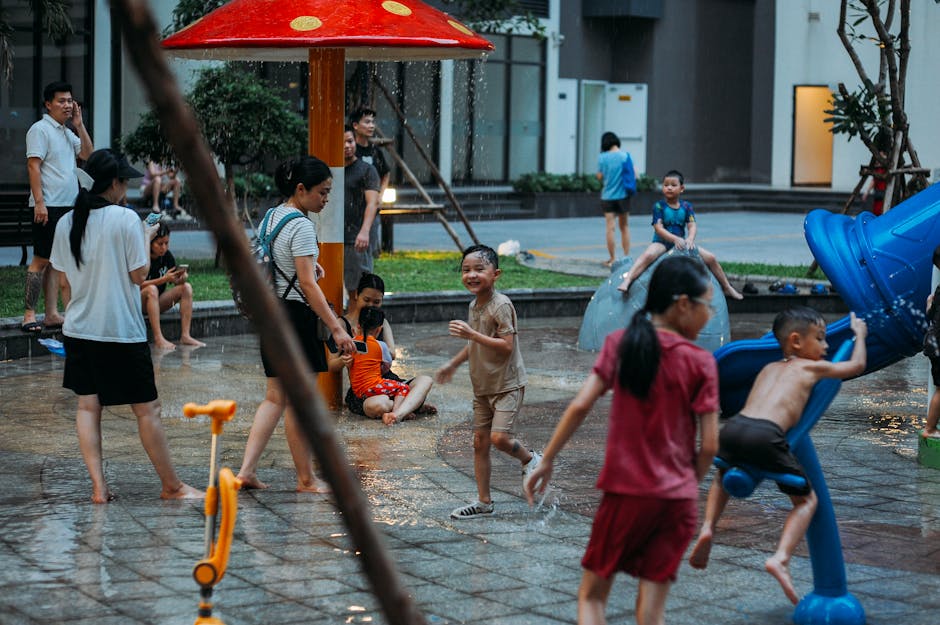
Toronto is one of the most family-friendly cities in North America, and the best time to visit Toronto with kids depends on your family’s preferences. Here are the top windows:
Summer (June-August) is the most popular family travel season, and for good reason. The Toronto Islands offer a full day of adventure with Centreville Amusement Park (gentle rides perfect for younger kids), beaches, bike rentals, and picnic areas. Splash pads open across the city (there are over 100), Ripley’s Aquarium of Canada is spectacular year-round, and the Toronto Zoo (one of the largest in the world with 5,000+ animals) is at its best. The CNE in late August is a family favourite, though expect crowds. The Ontario Science Centre (currently undergoing relocation to Ontario Place, check current status) and the Royal Ontario Museum’s family galleries offer rainy-day alternatives.
March Break (mid-March) is another excellent family window. Museums, the zoo, and indoor attractions offer special March Break programming, though they’ll be busier with local families. Hotel prices remain low, and the first hints of spring make the city feel optimistic.
December offers a magical family experience: the Santa Claus Parade, Christmas markets, holiday window displays, skating at Nathan Phillips Square, and the festive atmosphere of the Distillery District make Toronto feel like a holiday movie come to life. Pack warm and plan indoor breaks.
Pro tip for families: Avoid TIFF week (early September) if you’re on a budget — hotel prices spike dramatically. Victoria Day weekend (late May) and Labour Day weekend (early September) offer warm weather, special events, and a festive atmosphere that kids love.
Best Time to Visit Toronto for Outdoor Activities
Toronto’s extensive green spaces, waterfront, and trail systems offer year-round outdoor recreation, but each season brings different opportunities.
- Hiking & Cycling (May-October): The Don Valley trail system, Martin Goodman Trail (waterfront), and Tommy Thompson Park (Leslie Street Spit) are best in the warmer months. The Rouge National Urban Park — Canada’s first national urban park, located in Toronto’s east end — offers 12,000+ hectares of trails through forests, marshes, and the Rouge River valley.
- Kayaking, Canoeing & Stand-Up Paddleboarding (June-September): The Toronto Islands, Humber River, and Inner Harbour offer excellent paddling. Several outfitters on the waterfront rent equipment by the hour.
- Golf (May-October): Greater Toronto has over 100 golf courses, from municipal links to championship-calibre private clubs. Peak season with the best conditions runs June through September.
- Ice Skating (December-March): 50+ outdoor rinks across the city, plus indoor options. Nathan Phillips Square, the Harbourfront Centre, and the Bentway are the most popular.
- Cross-Country Skiing & Snowshoeing (January-March): High Park, the Don Valley, and the Toronto Islands (if accessible) offer groomed and ungroomed trails. Toronto and Region Conservation Authority (TRCA) parks provide additional options.
Best Time to Visit Toronto for Cultural Events
Toronto is one of the most culturally rich cities in the world, with a year-round calendar of events and festivals. Here’s when to visit for the biggest cultural moments:
- TIFF (September): The world’s most important public film festival. Book months ahead for accommodation.
- Nuit Blanche (October): Free all-night contemporary art festival. Over 1 million attendees.
- Pride Toronto (June): Canada’s largest cultural festival, with parades, concerts, art, and community celebrations.
- Caribana / Caribbean Carnival (July-August): North America’s largest Caribbean cultural festival, with a spectacular Grand Parade.
- Luminato Festival (June): Multi-disciplinary arts festival featuring theatre, dance, music, visual art, and film.
- Hot Docs (April-May): The largest documentary film festival in North America, screening 200+ films from around the world.
- imagineNATIVE (June): The world’s largest Indigenous film and media arts festival.
- Royal Agricultural Winter Fair (November): The world’s largest combined indoor agricultural fair and equestrian competition.
- Theatre Season (September-May): The Mirvish theatres (Princess of Wales, Royal Alexandra, Ed Mirvish) stage major Broadway tours, while Soulpepper, Canadian Stage, and independent companies offer world-class Canadian productions. Check mirvish.com for current schedules.
Toronto Weather Overview & What to Pack
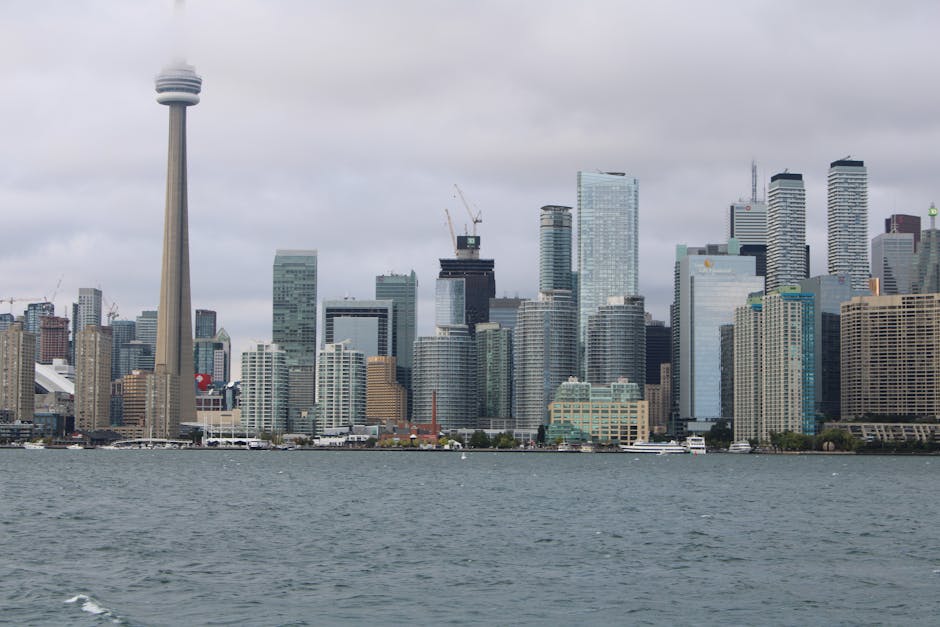
Understanding Toronto’s weather patterns is essential for planning your trip. Toronto has a humid continental climate (Koppen classification Dfa), meaning it experiences four distinct, well-defined seasons with significant temperature variation throughout the year. The moderating influence of Lake Ontario keeps Toronto slightly warmer in winter and slightly cooler in summer compared to inland Ontario cities.
| Month | Avg High °C (°F) | Avg Low °C (°F) | Rain Days | Snow Days | Daylight Hours |
|---|---|---|---|---|---|
| January | 0 (31) | -7 (19) | 5 | 12 | 9.2 |
| February | 0 (33) | -6 (21) | 4 | 9 | 10.4 |
| March | 5 (42) | -2 (28) | 7 | 6 | 11.9 |
| April | 12 (53) | 3 (38) | 9 | 2 | 13.5 |
| May | 20 (68) | 11 (51) | 10 | 0 | 14.8 |
| June | 24 (75) | 15 (59) | 9 | 0 | 15.4 |
| July | 28 (82) | 18 (65) | 8 | 0 | 15.1 |
| August | 26 (79) | 18 (64) | 7 | 0 | 14.0 |
| September | 22 (72) | 14 (57) | 7 | 0 | 12.5 |
| October | 15 (59) | 8 (46) | 8 | 0.5 | 11.0 |
| November | 8 (46) | 2 (35) | 8 | 4 | 9.6 |
| December | 3 (37) | -3 (27) | 5 | 10 | 8.9 |
Packing Essentials by Season
| Season | Essential Items | Nice to Have |
|---|---|---|
| Spring | Layers, waterproof jacket, umbrella, walking shoes | Light scarf, sunglasses, allergy medication |
| Summer | Light clothing, sunscreen, hat, sunglasses, swimwear | Reusable water bottle, light cardigan for AC, bug spray |
| Fall | Layers, medium jacket, closed-toe shoes, umbrella | Warm scarf, camera for foliage, light gloves (November) |
| Winter | Heavy coat, thermal layers, insulated boots, hat, gloves, scarf | Hand warmers, lip balm, traction aids for icy sidewalks |
Crowd Levels & Tourism Peaks in Toronto
Understanding Toronto’s tourism patterns can help you plan a smoother, more enjoyable visit. With 28.2 million visitors in 2025 (a record year), the city sees significant fluctuation in crowd levels throughout the year.
Peak Season (June – September)
This is when Toronto is at its busiest. June sees approximately 863,000 visitors, and numbers remain high through September. Popular attractions like the CN Tower, Ripley’s Aquarium, and the Toronto Islands can have significant wait times, especially on weekends. The Toronto Islands ferry is notorious for long queues on hot summer weekends — arrive before 10 a.m. or after 4 p.m. to avoid the worst waits. Restaurant reservations at popular spots should be made well in advance, particularly for weekend dinners and brunch.
Shoulder Season (April – May, October)
The sweet spot for many visitors. Crowds are manageable, prices are moderate, and the weather is generally pleasant. You’ll rarely wait more than 15-20 minutes for major attractions, and restaurant walk-ins are usually possible except at the most popular spots. This is the ideal time for visitors who want to experience Toronto’s full range of activities without the summer crush.
Off-Season (November – March)
The quietest period, with the exception of holiday weeks (Christmas through New Year’s and March Break). Museums and indoor attractions are pleasantly uncrowded, and you’ll have popular spots like the St. Lawrence Market and the Distillery District largely to yourself on weekdays. The PATH underground system is bustling with commuters but not tourists. This is the time for budget travellers and those who prefer a more local, authentic experience.
Special Event Periods to Plan Around
Certain events cause dramatic spikes in crowd levels and hotel prices. If you want to attend, book 3-6 months ahead. If you want to avoid them, plan your trip around these dates:
- TIFF (early September): Hotel prices double or triple in the Entertainment District. The rest of the city is less affected.
- Pride Weekend (late June): Church-Wellesley Village and downtown core are packed. Hotels sell out weeks ahead.
- Caribana/Caribbean Carnival Grand Parade (early August): Lake Shore Boulevard and waterfront areas extremely crowded.
- FIFA World Cup 2026 matches (June-July): An extraordinary one-time event for Toronto — expect massive crowds and premium pricing around match days.
- CNE & Labour Day Weekend (late August): Exhibition Place area crowded; Labour Day weekend is one of the busiest travel weekends of the year.
- Nuit Blanche (first Saturday of October): Downtown core flooded with over 1 million attendees from sunset to sunrise.
Hotel Pricing by Season in Toronto
Accommodation costs in Toronto vary dramatically by season. Understanding these patterns can save you hundreds of dollars on your trip. Here’s what to expect when booking Toronto hotels:
| Period | Avg. Nightly Rate (CAD) | Budget Options | Notes |
|---|---|---|---|
| Peak Summer (Jul-Aug) | $300-$425+ | $120-$180 | Book 2-3 months ahead; TIFF week even higher |
| Early Summer (Jun) | $275-$400 | $110-$160 | Pride weekend premium; weekdays more affordable |
| Fall Shoulder (Sep-Oct) | $200-$300 | $90-$140 | TIFF week (Sep) spikes to summer levels |
| Spring Shoulder (Apr-May) | $180-$270 | $85-$130 | Great value month; Victoria Day weekend slightly higher |
| Off-Season (Nov-Mar) | $149-$220 | $65-$110 | Christmas-NYE week higher; January lowest of year |
Money-saving tips:
- Book Sunday through Thursday nights for the best rates — weekends carry a 15-25% premium.
- Consider staying in neighbourhoods outside the downtown core like The Junction, Leslieville, or Midtown for significant savings with easy TTC access.
- Use Toronto’s excellent public transit (TTC subway, streetcars, buses) to stay in more affordable areas without sacrificing convenience.
- Monitor hotel prices 2-3 months before your trip for the best advance booking rates.
- Check for hotel packages that include attraction passes or dining credits, especially during Winterlicious and Summerlicious.
2026 Special Considerations: FIFA World Cup in Toronto
2026 is a landmark year for Toronto tourism. The city will host matches during the FIFA World Cup 2026, with games played at BMO Field / a renovated venue from June through July. This will bring an extraordinary influx of international visitors, creating a once-in-a-generation atmosphere but also causing significant strain on accommodation, transportation, and dining capacity. If you are planning a 2026 visit:
- Book accommodation immediately if visiting during World Cup match dates. Hotels within the downtown core will sell out months in advance, and prices will be at historic highs.
- Alternative timing: If you want to avoid World Cup crowds and pricing, consider visiting in May, September, or October instead.
- Combine experiences: If you do visit during the World Cup, combine match attendance with Toronto’s other world-class attractions — the city will be at its most vibrant and international.
- Stay updated through Destination Toronto for official visitor information and event schedules.
Final Verdict: When Should You Visit Toronto?
The best time to visit Toronto ultimately depends on what matters most to you. Here’s our final recommendation by traveller type:
- Best overall experience: September (post-Labour Day, gorgeous weather, TIFF energy, fall foliage beginning)
- Best weather: July (warmest month, peak sunshine, all outdoor attractions open)
- Best value: November or January (lowest hotel rates, Winterlicious in January, no crowds)
- Best for families: Late June or late August (warm weather, family festivals, beaches at their best)
- Best for couples: October (fall foliage, Nuit Blanche, cozy restaurants, romantic atmosphere)
- Best for festival lovers: Late June through early September (non-stop events from Pride to TIFF)
- Best for culture: September-October (TIFF, Nuit Blanche, theatre season opens, gallery exhibitions)
- Best weather-to-price ratio: May or early October (shoulder season pricing, comfortable temperatures)
- Best for holiday magic: Early-to-mid December (Christmas markets, skating, festive lights, reasonable prices before the holiday spike)
There is no wrong season here, only trade-offs — swap summer’s heat and festivals for winter’s low rates and quiet galleries, or split the difference in May and October. Whenever you land, the attractions, the deep food scene, and the distinct character of each of Toronto’s neighbourhoods hold up. From here, map out the trip itself with our Toronto travel guide and sort out where to base yourself using our accommodation guide.
Last updated: April 2026. Weather data sourced from Current Results and Climate-Data.org. Tourism statistics from Destination Toronto. Event dates subject to change — always verify with official sources before booking.
Leave a Reply