Things to do in Toronto are virtually limitless — this sprawling, multicultural metropolis is one of the most exciting cities in the world, perched on the shores of Lake Ontario, that somehow manages to feel both world-class and warmly welcoming. With over 240 distinct neighbourhoods, more than 7,500 restaurants representing virtually every cuisine on earth, and a calendar packed with festivals, sporting events, and cultural happenings, choosing what to do in Toronto can be genuinely overwhelming.
That’s exactly why we created this guide. Whether you’re a first-time visitor planning a long weekend or a returning traveller looking to dig deeper, this comprehensive resource covers all the best things to do in Toronto — from iconic landmarks and world-renowned museums to hidden neighbourhood gems, seasonal activities, and practical tips that will save you time and money. We’ve organized it all so you can quickly find what matters most to your trip — and we update it regularly so the information stays current.
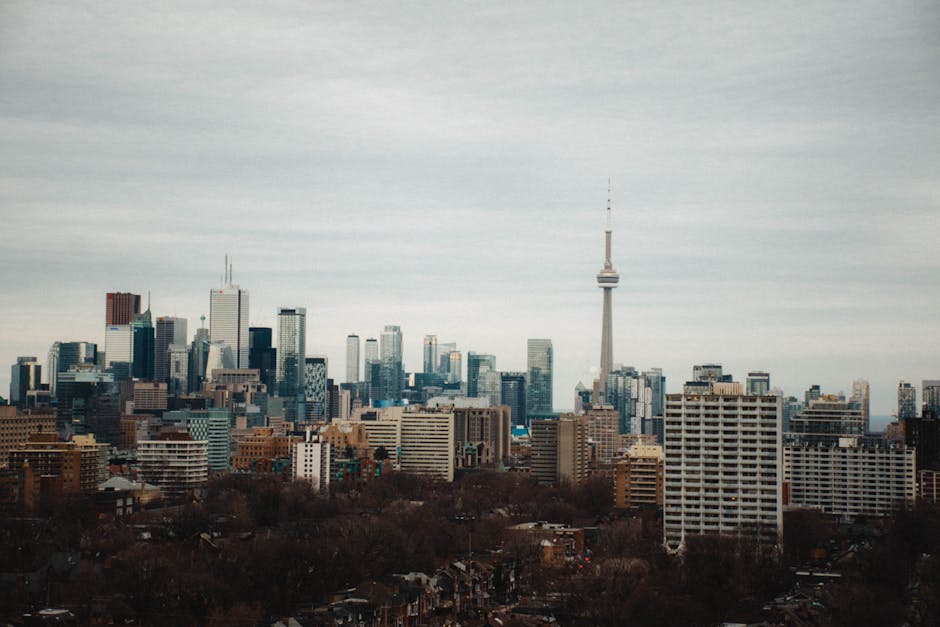
Iconic Landmarks: Top Things to Do in Toronto for First-Time Visitors
Every visit to Toronto should start with the attractions that define the city’s character. These are the landmarks that appear on postcards and in travel guides for good reason — they’re genuinely impressive and provide essential context for understanding what makes Toronto special.
The CN Tower
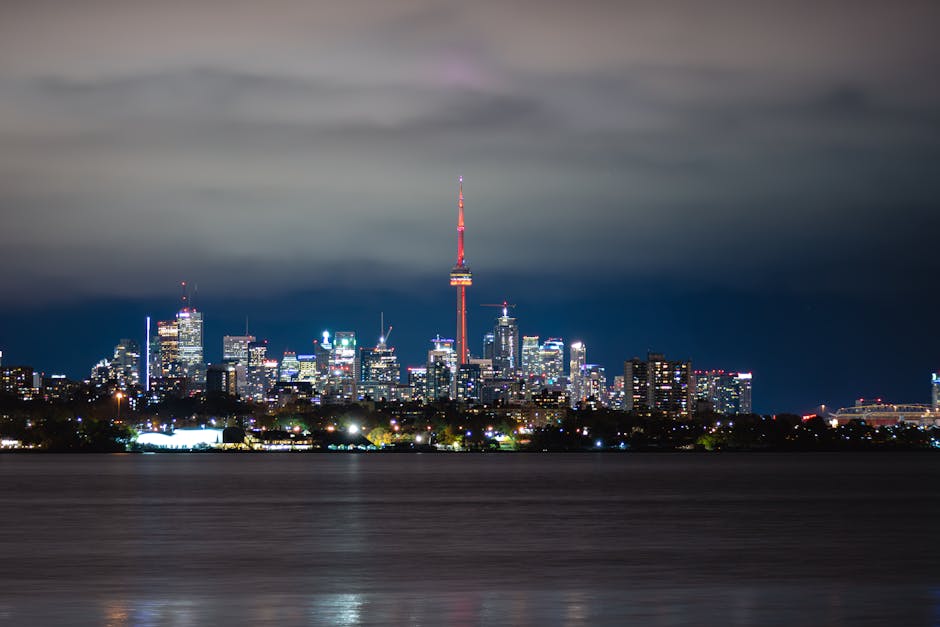
Standing 553 metres (1,815 feet) tall, the CN Tower dominated the Toronto skyline since its completion in 1976 and remains the most recognizable structure in Canada. It held the title of the world’s tallest free-standing structure for over three decades, and while it’s since been surpassed in height, it hasn’t been surpassed in personality.
The main observation deck at 346 metres (the LookOut Level) gives you a panoramic view of the city, Lake Ontario, and — on exceptionally clear days — the mist rising from Niagara Falls roughly 120 kilometres to the south. One floor below, the famous Glass Floor lets you look straight down at the ground 342 metres beneath your feet. It’s been structurally tested to hold the weight of 35 moose (yes, they actually tested that), but your knees may not feel entirely reassured.
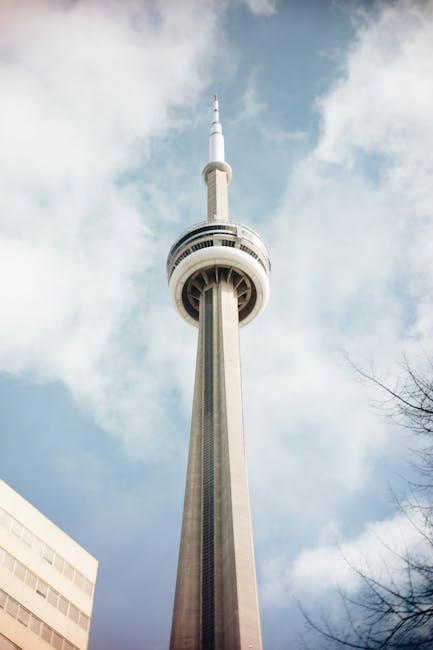
For dining with a view, the 360 Restaurant revolves slowly enough that you’ll complete a full rotation over the course of a meal, showing you every angle of the city while you eat. It also holds the Guinness World Record for the world’s highest wine cellar at 351 metres. If you book dinner at 360, your observation deck admission is included in the price — which makes it surprisingly good value.
The truly adventurous should consider the EdgeWalk, a hands-free walk along a 1.5-metre-wide ledge encircling the tower’s main pod at 356 metres — making it the world’s highest external walk on a building. You’re secured by a harness, but there’s no railing, and the views are dizzying in the best way. It operates from May through October, weather permitting.
Practical details: Adult admission to the main observation level is approximately $43 CAD. The SkyPod (an additional 33 storeys higher) costs extra. The tower is open daily, and the busiest times are weekend afternoons — visit on a weekday morning for shorter queues. Budget about 60–90 minutes for a standard visit, longer if you’re dining at 360 or doing the EdgeWalk.
Ripley’s Aquarium of Canada
Located directly at the base of the CN Tower, Ripley’s Aquarium of Canada is home to more than 20,000 aquatic animals and features North America’s longest underwater viewing tunnel. The Dangerous Lagoon exhibit puts you on a moving walkway that glides beneath sharks, green sea turtles, and sawfish swimming overhead in a 2.9-million-litre tank. The effect is immersive and genuinely awe-inspiring, even for adults who might think they’ve outgrown aquariums.
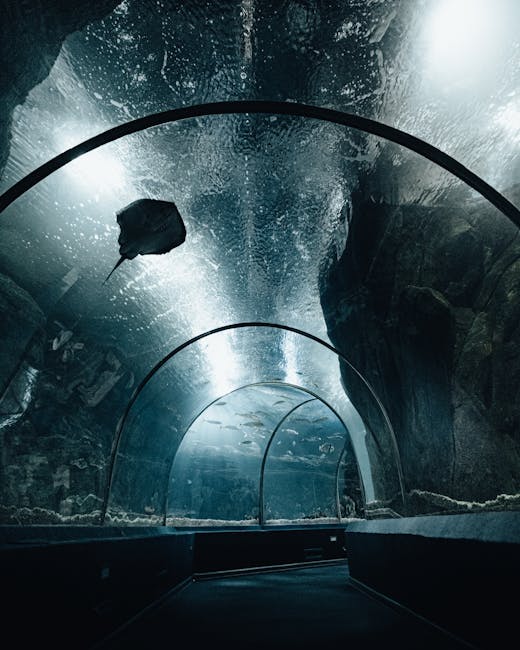
Other highlights include the Rainbow Reef gallery (a kaleidoscopic Pacific coral reef exhibit), the touch tanks in the Discovery Centre where you can handle horseshoe crabs and bamboo sharks, and the jellyfish gallery, which is lit with colour-changing LEDs that make the pulsing creatures look like living art installations. On Friday evenings, the aquarium hosts “Jazz Under the Sea” events with live music and a bar — a surprisingly atmospheric date night.
Practical details: Adult admission is approximately $38 CAD. The aquarium is open 365 days a year. Early morning (before 11 AM) and late afternoon (after 4 PM) visits are significantly less crowded than midday. Combined tickets with the CN Tower offer savings.
Casa Loma
North America’s only full-sized castle sits incongruously in the middle of a residential neighbourhood in midtown Toronto, and it’s exactly as eccentric and wonderful as that sounds. Built between 1911 and 1914 by financier Sir Henry Pellatt, Casa Loma features nearly 100 rooms, including an 800-foot underground tunnel connecting the main house to the carriage house and stables, secret passageways hidden behind wood-panelled walls, and five acres of meticulously restored gardens that bloom spectacularly from May through October.
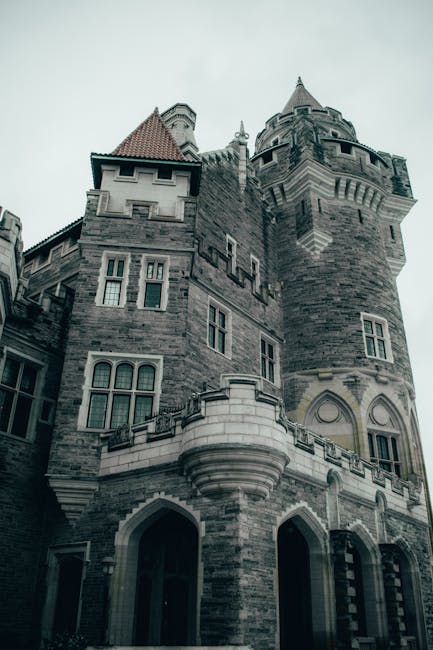
The castle’s Gothic Revival architecture has made it a popular filming location — you may recognize it from productions like X-Men, Scott Pilgrim vs. the World, and The Handmaid’s Tale. The self-guided audio tour takes you through the ornate rooms and explains the dramatic story of Pellatt himself, who spent $3.5 million (in 1914 dollars) building his dream home only to lose it to financial ruin less than a decade later.
Practical details: Adult admission is approximately $40 CAD and includes the audio guide. Plan for 90 minutes to 2 hours. The gardens are a highlight in summer, and the castle hosts a spectacular holiday light display (“Candlelit Christmas”) during the winter holiday season that is worth the trip alone.
Royal Ontario Museum (ROM)
Canada’s largest museum of world cultures and natural history is impossible to miss — literally, because the Michael Lee-Chin Crystal, a massive crystalline aluminium and glass addition designed by Daniel Libeskind, juts dramatically out of the museum’s north face on Bloor Street. Whether you consider the Crystal an architectural masterpiece or an eyesore is a matter of personal taste (Torontonians have been debating this since 2007), but what’s inside is universally impressive.
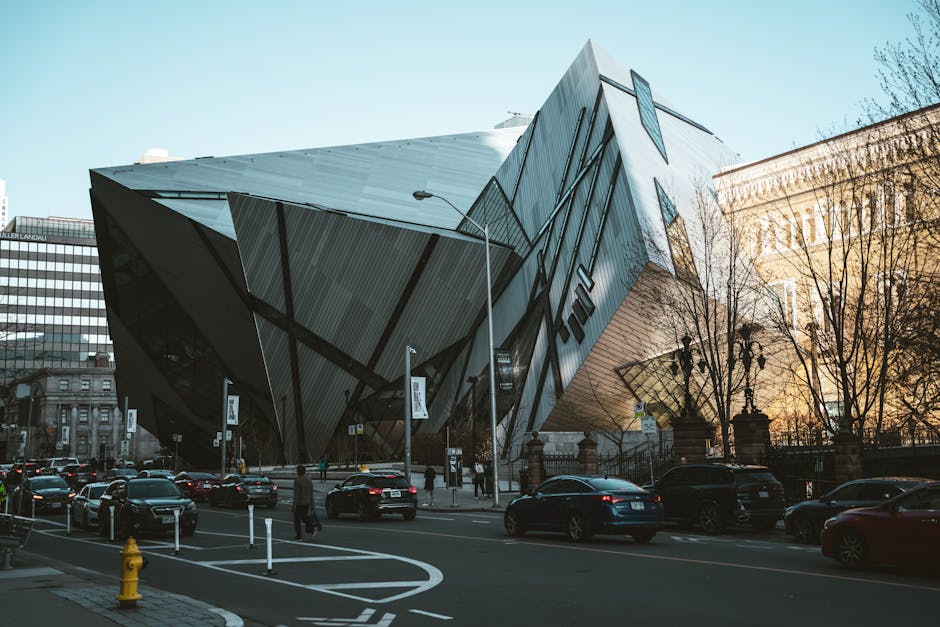
Across five floors, the ROM houses more than 13 million objects spanning art, culture, and nature. The dinosaur gallery features some of the most complete fossil specimens in the country. The Ancient Egypt gallery displays genuine mummies, sarcophagi, and artifacts spanning 4,000 years. The Bat Cave exhibit (a life-sized recreation of a Jamaican bat cave, complete with 800 realistic bat models) is a perennial favourite with children. The Daphne Cockwell Gallery offers the world’s largest collection of Canadian First Peoples art and culture, and the gallery of Chinese temple art contains original 14th-century wall paintings rescued from temples that were about to be demolished.
Practical details: Adult admission is approximately $26 CAD. Budget at least 2–3 hours — the museum is enormous and you’ll barely scratch the surface in less time. Free admission on the third Tuesday of every month (5:30–8:30 PM). The museum is located on Line 1 of the subway at Museum station, which is itself worth seeing for its ancient Egyptian-themed design.
World-Class Markets and Food Experiences
Toronto is one of the most ethnically diverse cities on the planet — over half of residents were born outside Canada, and more than 200 languages are spoken here. The result is a food scene of staggering breadth and quality. You could eat a different national cuisine every night for months and never repeat yourself. The city’s markets are some of the best places to experience this diversity in concentrated form.
St. Lawrence Market
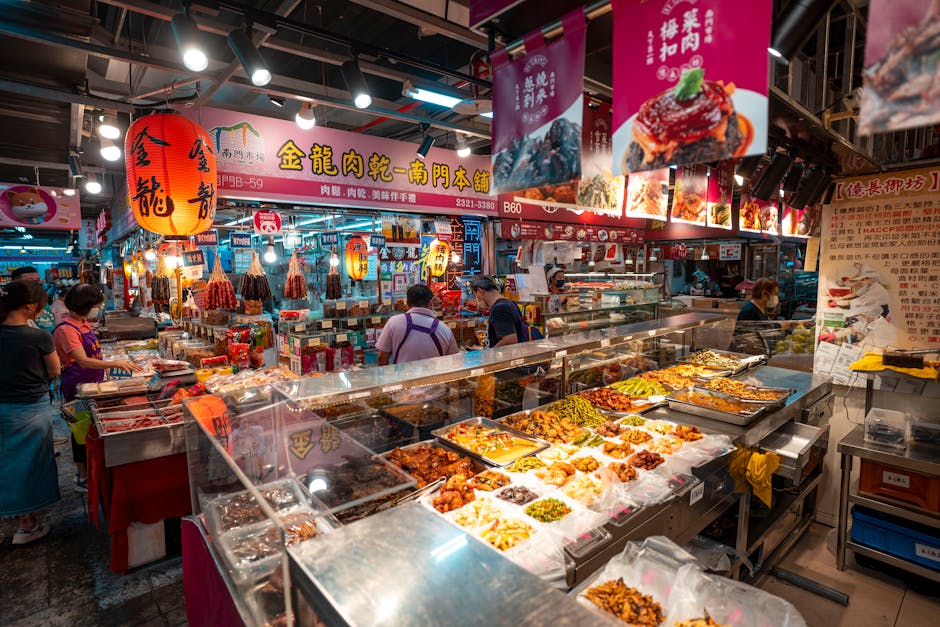
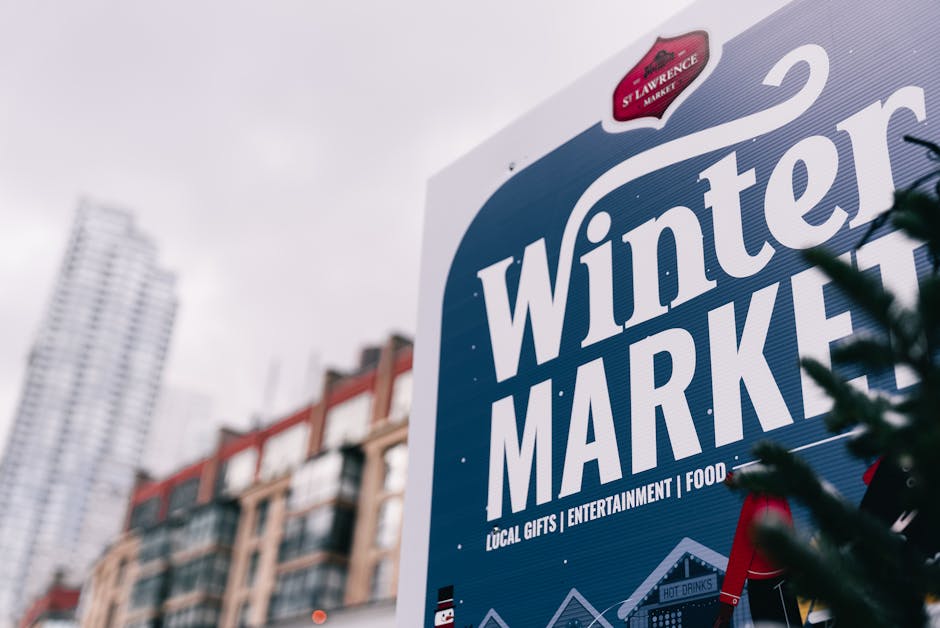
Named the world’s best food market by National Geographic in 2012, St. Lawrence Market has been the culinary heart of Toronto for over 200 years. The South Market building — the main market hall — houses more than 120 specialty vendors selling everything from artisan cheeses and freshly baked bread to sustainably caught seafood and house-cured meats. The atmosphere is bustling, aromatic, and entirely authentic — this is not a tourist-facing food court but a genuine working market where locals do their weekly shopping.
The must-try item is the peameal bacon sandwich from Carousel Bakery — a thick slice of cornmeal-crusted Canadian back bacon on a soft Kaiser roll, widely considered Toronto’s signature dish. On Saturdays, the North Market building hosts a farmers’ market where Ontario producers sell seasonal fruits, vegetables, honey, and preserves directly to the public. On Sundays, the same space transforms into an antique market.
Practical details: The South Market is open Tuesday through Saturday (closed Sunday and Monday). Saturday morning is the most vibrant time to visit but also the busiest — arrive before 9 AM for the best experience. The market is located at 93 Front Street East, a short walk from Union Station. Budget $15–30 CAD for a filling market lunch.
Kensington Market
Kensington Market isn’t a single market building — it’s an entire neighbourhood, a bohemian labyrinth of narrow streets crammed with vintage clothing shops, independent record stores, international grocery shops, street art, and some of the most interesting restaurants in the city. It’s been a landing point for successive waves of immigrants since the early 1900s — Jewish, Portuguese, Caribbean, Chinese, Latin American — and that layered history is visible in the eclectic architecture and the extraordinary diversity of food available within a few short blocks.
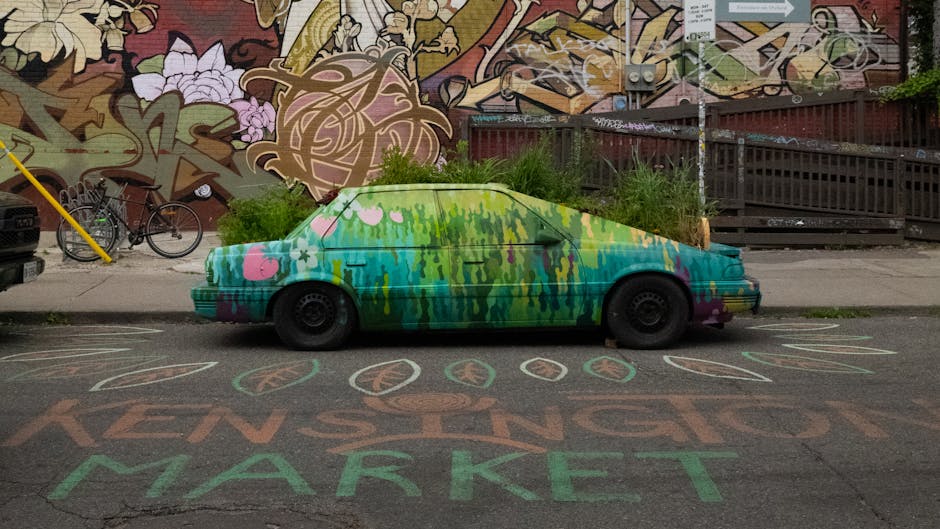
On the last Sunday of each month from May through October, Kensington hosts Pedestrian Sundays — the streets close to cars and fill with live musicians, street performers, pop-up food stalls, and thousands of people just enjoying the neighbourhood on foot. Even on regular days, you can get Jamaican patties, Ethiopian injera, Mexican tacos, Vietnamese pho, and Portuguese custard tarts within a five-minute walk. The vintage shopping is among the best in the city — stores like Courage My Love and Exile have been curating secondhand fashion here for decades.
Practical details: Kensington Market is located west of Spadina Avenue between Dundas and College Streets. It’s best explored on foot. Most shops are independent and keep irregular hours — the neighbourhood is most alive on weekend afternoons. There’s very limited parking, so take the streetcar (the 510 Spadina line drops you right at the entrance).
Neighbourhood Explorations: Local Things to Do in Toronto
Toronto’s real magic lies in its neighbourhoods. The city is a patchwork of more than 240 distinct districts, each with its own personality, food scene, and cultural flavour. You could spend weeks exploring them all, but these are the ones every visitor should prioritize.
The Distillery District
Once the sprawling Gooderham and Worts Distillery — the largest distillery in the British Empire during the Victorian era — this 13-acre collection of more than 40 heritage buildings has been transformed into one of Toronto’s most atmospheric destinations. The cobblestone streets are permanently closed to cars, creating a pedestrian village filled with contemporary art galleries, artisan shops, performance venues, excellent restaurants, and microbreweries and distilleries that honour the site’s boozy history.
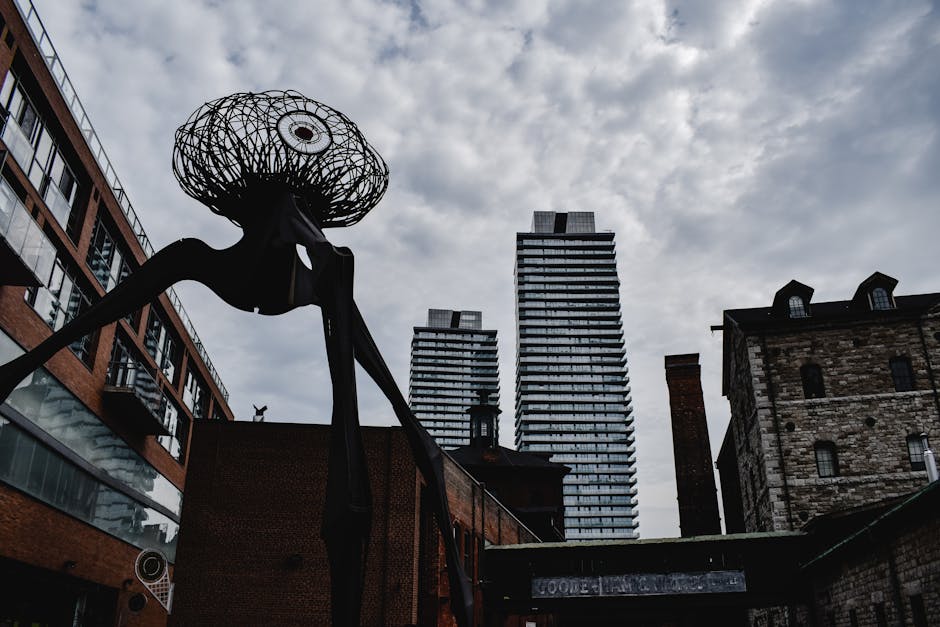
The architecture alone is worth the visit — the brick and stone buildings are beautifully preserved, and walking through the district feels a bit like stepping into a European village. Highlights include the Young Centre for the Performing Arts (home to the acclaimed Soulpepper Theatre Company), the Balzac’s Coffee outpost in an old pump house, and the Mill Street Brewery (one of Canada’s most popular craft brewers). During the holiday season, the Distillery hosts the Toronto Christmas Market, which draws hundreds of thousands of visitors with its twinkling lights, holiday vendors, and mulled wine.
Practical details: The Distillery District is located at 55 Mill Street, a short walk east of downtown. It’s free to enter and explore. The 504 King streetcar gets you close, and the area is also walkable from St. Lawrence Market (about 15 minutes). Plan for 2–3 hours to browse, eat, and soak in the atmosphere.
Queen Street West
Once named one of the world’s coolest neighbourhoods by Vogue magazine, Queen West is where Toronto’s creative class shops, eats, and hangs out. The stretch from University Avenue west to Bathurst Street is dense with independent boutiques, art galleries, music venues (including the legendary Horseshoe Tavern, where The Rolling Stones once played to a crowd of 300), and some of the best people-watching in the city.
Further west, past Bathurst into what’s known as West Queen West (the distinction matters to locals), the vibe becomes even more artistic. Graffiti Alley (officially Rush Lane), running parallel between Queen and Richmond Streets from Spadina to Portland, features a continuously evolving corridor of vibrant street art that’s become one of the most photographed spots in the city. The Museum of Contemporary Art Toronto (MOCA), housed in a converted factory on Sterling Road, is a must-visit for fans of contemporary and experimental art.
Yorkville
In the 1960s, Yorkville was Toronto’s bohemian quarter — a centre for folk music where a young Joni Mitchell and Neil Young performed in cramped coffeehouses. Today, it’s the city’s most upscale shopping district, home to designer flagships (Hermès, Louis Vuitton, Chanel, Tiffany), high-end restaurants, and a collection of excellent galleries. The juxtaposition of its hippie past and luxury present is itself interesting, and the tree-lined streets are genuinely pleasant for an afternoon stroll even if you’re not in the market for a designer handbag.
Yorkville is also home to some of Toronto’s best cultural institutions — both the ROM and the Bata Shoe Museum (which sounds niche but is genuinely fascinating) are within a few minutes’ walk.
Parks, Nature, and Outdoor Activities
For a city of nearly three million people, Toronto has a remarkable amount of accessible green space and natural beauty. The Lake Ontario waterfront alone stretches for kilometres, and the city’s ravine system provides an extensive network of forested trails that make it possible to feel like you’re in the wilderness without ever leaving city limits.
Toronto Islands
Just a 13-minute ferry ride from the downtown Jack Layton Ferry Terminal, the Toronto Islands are a chain of small interconnected islands that offer an entirely different perspective on the city. There are no cars here — just walking paths, cycling trails, beaches, gardens, and some of the most photographed views of the Toronto skyline in existence.
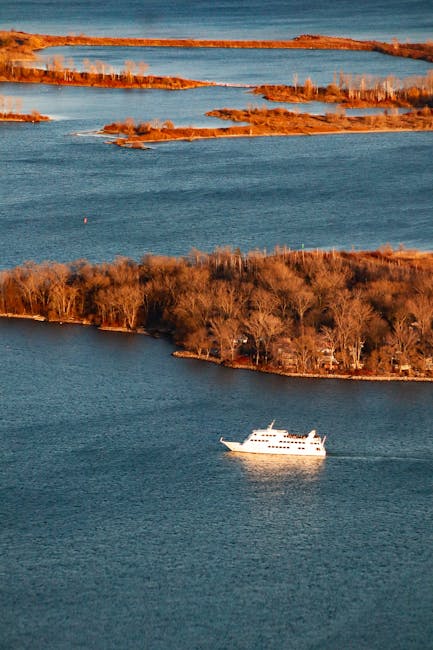
Centre Island is the most popular destination, home to Centreville Amusement Park (a charming low-key amusement park perfect for young children), the Franklin Children’s Garden, and large picnic areas. Ward’s Island, at the eastern end, is quieter and more residential, with a lovely boardwalk and a beautiful beach. Hanlan’s Point, at the western end, has a popular clothing-optional beach and offers some of the best sunset views in the city. You can rent bikes, kayaks, and stand-up paddleboards on the islands, and there are several casual restaurants and snack bars.
Practical details: The ferry departs from the Jack Layton Ferry Terminal at 9 Queens Quay West (near the foot of Bay Street). Round-trip tickets are approximately $9 CAD for adults. In summer, the ferries run every 15–30 minutes, but queues can be very long on hot weekends — arrive early or consider the less-crowded Ward’s Island ferry. The islands are spectacular from May through October and largely closed during winter.
High Park
Toronto’s largest public park spans 399 acres of forested trails, manicured gardens, playgrounds, sports facilities, and Grenadier Pond — a picturesque body of water that’s excellent for birdwatching. It’s an incredibly versatile green space: you can go for a serious hike through the oak savannah, let children play in the Jamie Bell Adventure Playground, visit the small (and free) High Park Zoo, or simply find a bench and read a book under a canopy of old-growth trees.
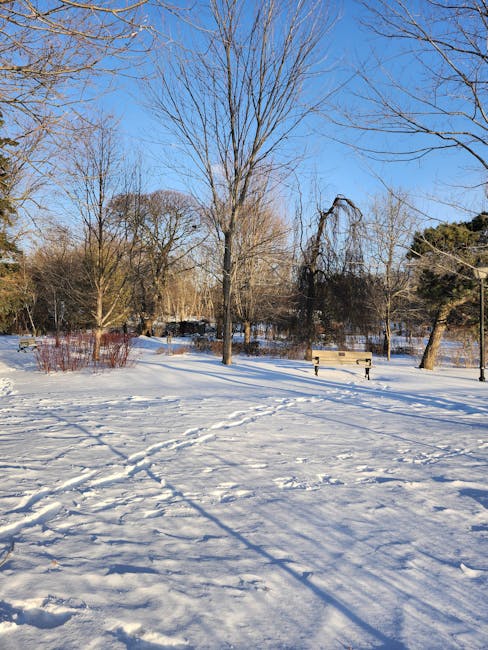
In spring (usually late April to early May), the park’s cherry blossoms draw enormous crowds. The Sakura trees in the park were gifted by Japan in 1959, and their brief annual bloom has become one of Toronto’s most anticipated seasonal events. Shakespeare in High Park — professional outdoor theatre performed in the park’s amphitheatre — is a summer tradition that has been running since 1983 and is presented on a pay-what-you-can basis.
Practical details: High Park is located in the city’s west end, accessible via the Line 2 subway (High Park station drops you at the north end). The park is open daily from dawn to dusk. The zoo and gardens are free. Spring cherry blossom season (typically late April) is the most crowded period — the city of Toronto maintains a bloom status tracker so you can time your visit.
The Waterfront and Harbour
Toronto’s Lake Ontario waterfront has undergone a dramatic transformation in recent years, evolving from a largely industrial corridor into one of the city’s most vibrant public spaces. The Martin Goodman Trail runs 56 kilometres along the waterfront, connecting parks, beaches, and neighbourhoods — it’s popular with cyclists, joggers, and walkers year-round.
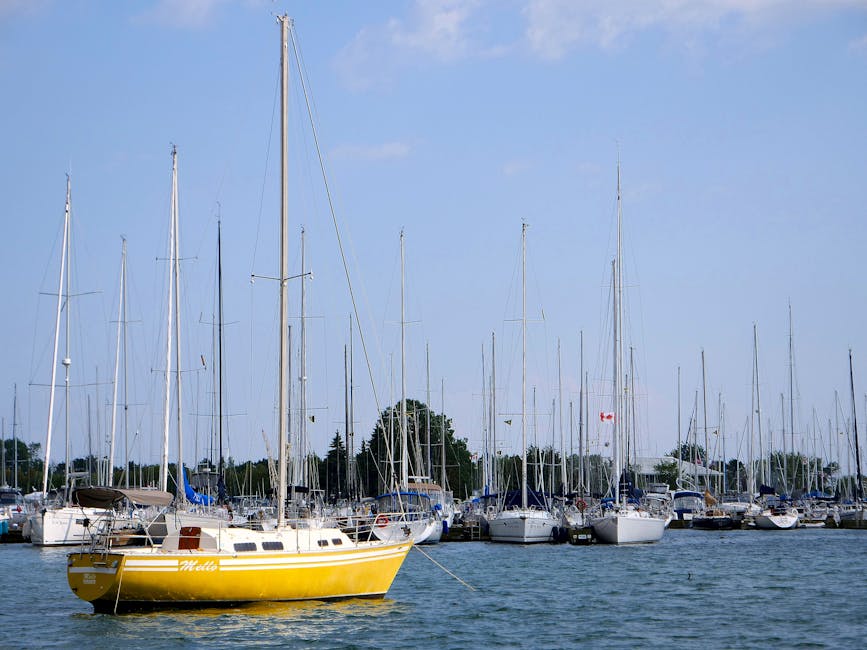
The Harbourfront Centre, located on Queens Quay West, hosts free public programming year-round, including concerts, art exhibitions, dance performances, and cultural festivals. Harbour cruises depart from multiple points along the waterfront and range from casual sightseeing tours to dinner cruises with DJ entertainment. The new Biidaasige Park in the Port Lands — Toronto’s biggest new park in a generation, opened in phases from 2025 — adds 60 acres of green space along the revitalized Don River and includes the Lassonde Art Trail, a free open-air art experience spanning 4.2 kilometres featuring 15 interconnected public art installations.
For beach lovers, the city maintains several supervised swimming beaches along the waterfront, including Sugar Beach (a charming urban beach with pink umbrellas and white sand) and Woodbine Beach (a larger, more natural beach popular for volleyball and swimming).
Arts, Culture, and Museums
Toronto punches well above its weight culturally. It’s the third-largest English-language theatre centre in the world (after London and New York), has a thriving visual arts scene, and hosts some of the most significant cultural festivals on the planet.
Art Gallery of Ontario (AGO)
The AGO houses more than 95,000 works of art spanning centuries and continents. The building itself is a work of art — Frank Gehry, who grew up in the neighbourhood, redesigned the gallery in 2008, adding a striking glass and timber façade along Dundas Street that floods the interior with natural light. The Canadian collection is outstanding, with the world’s largest public collection of works by the Group of Seven, and the Henry Moore Sculpture Centre contains the largest public collection of Moore’s work anywhere. The photography collection, Indigenous art galleries, and rotating special exhibitions consistently receive critical praise.
Practical details: Adult admission is approximately $25 CAD. The AGO offers free admission on Wednesday evenings (6–9 PM). The gallery is located at 317 Dundas Street West, in the heart of the Chinatown/Art Gallery district — combine your visit with a walk through Kensington Market or a meal in Chinatown. Plan for 2–3 hours minimum.
The Entertainment District and Theatre Scene
Toronto’s Entertainment District, centred around King Street West between University and Spadina Avenues, is the hub of the city’s performing arts scene. The Royal Alexandra Theatre (built in 1907 and the oldest continuously operating theatre in North America) and the Princess of Wales Theatre host major touring Broadway productions, while the Ed Mirvish Theatre and the CAA Theatre round out the major venues. On any given night, there are dozens of productions running across the city — from splashy Broadway touring shows to experimental indie theatre in converted warehouses.
The Toronto International Film Festival (TIFF) takes place every September and is one of the most significant film festivals in the world — many Oscar winners have their premieres here. The TIFF Bell Lightbox on King Street West is the festival’s permanent home and operates year-round as a cinematheque, showing curated film series and retrospectives.
Hockey Hall of Fame
Even if you’re not a hockey fan, the Hockey Hall of Fame is worth visiting for its setting alone — it’s housed in a gorgeous 1885 former Bank of Montreal building on the corner of Yonge and Front Streets, complete with ornate Corinthian columns and a spectacular stained-glass dome. Inside, you can see the original Stanley Cup (or a very convincing replica when the real one is on tour), test your skills in interactive shooting and goaltending simulators, and learn about the history of Canada’s national sport through an extensive collection of memorabilia and multimedia exhibits.
Practical details: Adult admission is approximately $25 CAD. The museum is located at Brookfield Place, 30 Yonge Street, a short walk from Union Station. Plan for 1–2 hours (longer if you’re a genuine hockey enthusiast).
Things to Do in Toronto by Season
Toronto is a true four-season city, and each season brings a distinctly different character and set of activities. Understanding the seasonal rhythms helps you plan a trip that matches your interests and comfort level.
Spring (April–May)
Spring in Toronto is brief but beautiful. The cherry blossoms in High Park (usually peaking in late April or early May) are the marquee event, drawing thousands of visitors for their short bloom. Patios begin opening across the city, the Toronto Islands restart ferry service, and the restaurant scene kicks into high gear with Culinary Month events. Temperatures range from 5°C to 18°C (41°F to 64°F), so layers are essential — spring in Toronto can give you four seasons in a single day.
Summer (June–August)
Summer is peak season and for good reason. Temperatures hover between 20°C and 30°C (68°F to 86°F), the waterfront comes alive, festivals happen nearly every weekend, and the city’s parks, patios, and outdoor venues are all in full swing. Major summer highlights include Pride Toronto (one of the largest Pride celebrations in the world, held in June), the Toronto Caribbean Carnival (formerly Caribana — one of North America’s largest street festivals, held in late July/August), and a seemingly endless rotation of food festivals, music events, and cultural celebrations. In 2026, the city hosts six FIFA World Cup matches at BMO Field in June and July, making it an exceptionally exciting summer to visit.
The Canadian National Exhibition (CNE) closes out summer in grand style — running from mid-August to Labour Day at Exhibition Place, “The Ex” is Canada’s largest annual fair, featuring outrageous carnival food, midway rides, the Canadian International Air Show, and agricultural exhibits. It’s been a Toronto tradition since 1879.
Fall (September–November)
Many seasoned travellers consider fall the best time to visit Toronto. The summer crowds thin, hotel prices drop, and the weather is comfortable — temperatures range from 8°C to 20°C (46°F to 68°F) through September and October. TIFF takes over the city in September, and the fall foliage in Toronto’s extensive ravine system and parks (particularly the Don Valley, High Park, and the Scarborough Bluffs) is spectacular. Nuit Blanche, the city’s all-night contemporary art festival in October, transforms entire neighbourhoods into open-air galleries from sunset to sunrise.
Winter (December–March)
Toronto winters are cold — temperatures regularly drop below -10°C (14°F) in January and February — but the city doesn’t shut down. If anything, it doubles down on indoor culture and embraces the chill. Outdoor skating rinks operate across the city, with the most iconic being Nathan Phillips Square (in front of City Hall, with the famous illuminated Toronto sign as a backdrop) and the Natrel Rink at Harbourfront Centre.

Winterlicious, held in January/February, is the city’s hugely popular prix-fixe dining event — over 200 of Toronto’s best restaurants offer multi-course meals at fixed prices starting around $23 CAD for lunch and $33 CAD for dinner. The Cavalcade of Lights in Nathan Phillips Square kicks off the holiday season in late November with a spectacular light display and fireworks. And Toronto’s vast underground PATH system — a 30-kilometre network of interconnected underground walkways linking transit stations, shopping centres, and office buildings — lets you explore a surprising amount of the downtown core without ever stepping outside.
Practical Tips for Things to Do in Toronto
Getting Around
Toronto’s public transit system (the TTC) consists of subway lines, streetcars, and buses that collectively cover most of the city. The fare system uses the PRESTO card — a reloadable tap card that costs $6 CAD and can be loaded with funds at any subway station. A single ride is $3.35 CAD, and a two-hour transfer lets you hop between subway, streetcar, and bus routes within that window without paying again. Many visitors find the streetcar particularly useful — the 504 King route connects the Entertainment District, St. Lawrence Market, and the Distillery District in a single ride.
The city is also increasingly walkable and bike-friendly. Bike Share Toronto has over 6,850 bikes available at 625 stations across the city. A single trip (up to 30 minutes) is $3.25 CAD, or you can buy a day pass for $15 CAD. The waterfront Martin Goodman Trail and the network of cycling lanes in the downtown core make cycling a viable (and often faster) alternative to transit for getting between neighbourhoods.
Saving Money
Toronto isn’t cheap, but it’s more affordable than you might expect — particularly compared to comparable North American cities like New York, San Francisco, or Vancouver. The Toronto CityPASS ($134.96 CAD for adults) includes admission to the CN Tower, Ripley’s Aquarium, and your choice of three from the ROM, Casa Loma, the Toronto Zoo, the AGO, and City Cruises — saving up to 38% compared to buying tickets individually. If you plan to visit five major attractions, it’s an excellent deal.
Free and low-cost activities abound. Many of Toronto’s best experiences — walking through Kensington Market, exploring Graffiti Alley, watching the sunset from the Toronto Islands, browsing St. Lawrence Market, strolling through the Distillery District — cost nothing. The AGO offers free Wednesday evenings. The ROM has free third-Tuesday evenings. High Park’s zoo is always free. And the city’s extensive trail network (the ravines, the waterfront, the Beltline) provides kilometres of free hiking and cycling.
Where to Stay
For first-time visitors, staying downtown (between Bathurst Street and Jarvis Street, south of Bloor) puts you within walking or short transit distance of most major attractions. The Entertainment District and the area around Union Station are the most convenient bases. Budget travellers should look at hostels in the Kensington Market area or consider accommodations slightly outside the core in neighbourhoods like Leslieville or The Junction, which are well-connected by transit and offer lower nightly rates.
Hotel rates vary dramatically by season. Summer (especially during major events and festivals) and September (TIFF) are the most expensive periods. Winter months (January–March, excluding holiday weekends) offer the best rates. Budget approximately $150–250 CAD per night for a mid-range hotel in the downtown core, or $80–120 CAD for a well-reviewed hostel or budget hotel.
Safety and Etiquette
Toronto is consistently ranked among the safest large cities in North America. Violent crime affecting tourists is extremely rare. The most common concern is petty theft (pickpocketing on crowded streetcars, items left unattended in busy restaurants), which is easily avoided with basic awareness. Torontonians are generally friendly and polite — the Canadian reputation for courtesy is not a myth. Tipping is customary in restaurants (15–20% of the pre-tax bill), for bartenders ($1–2 per drink), and for taxi/rideshare drivers (15%).
What’s New in Toronto in 2026
Toronto in 2026 is an especially exciting time to visit, with several major developments and events that make this year stand out.
The biggest headline is the 2026 FIFA World Cup, with Toronto hosting six matches at the newly expanded BMO Field at Exhibition Place (capacity 45,736) between June 12 and July 2. This marks the first time the World Cup has been played on Canadian soil, and the city is pulling out all the stops with fan zones, cultural programming, and enhanced transit service to the venue.
On the attractions front, the Ontario Science Centre’s new interim location at Harbourfront Centre is set to open by summer 2026, bringing approximately 86,000 square feet of interactive science exhibits, workshops, and community programming to the waterfront — a much more central and accessible location than the original Don Mills site. The SkyTower, a 105-storey residential building, will become Canada’s tallest residential structure upon completion, with the Le Méridien Pinnacle Toronto Hotel occupying its first 12 floors.
The continued expansion of Biidaasige Park in the Port Lands adds the final 10 acres to this spectacular new waterfront green space, and the Lassonde Art Trail — Canada’s first art park — opens alongside it, offering a free 4.2-kilometre open-air cultural experience with 15 interconnected public art installations.
Plan Your Trip: Even More Things to Do in Toronto
Toronto rewards curiosity. The more you explore beyond the obvious landmarks — ducking into a side street in Kensington, following a trail through a downtown ravine, trying the Somali restaurant that a local recommended, catching a late-night comedy show in a converted warehouse — the more you’ll understand why so many visitors leave planning their next trip before they’ve even finished the first one.
This guide is part of our comprehensive series on visiting Toronto. For more focused recommendations, explore our in-depth guides on free things to do in Toronto, romantic activities for couples, nighttime activities, rainy day plans, this weekend’s top picks, hidden gems locals love, unique and unusual experiences, and our ultimate Toronto bucket list.
No matter when you visit or what your interests are, the things to do in Toronto will surprise, delight, and almost certainly make you hungry. Start planning — and bring an appetite.
Leave a Reply