Whether you are visiting for the first time or returning to explore new corners of Canada’s largest city, this Toronto travel guide covers everything you need to plan an unforgettable trip. From navigating the transit system and choosing the right neighborhood to stay in, to budgeting your daily expenses and discovering world-class attractions, this is the most comprehensive resource you will find for planning your Toronto adventure. With a record-breaking 28.2 million visitors in 2025 and the excitement of the FIFA World Cup arriving in summer 2026, there has never been a better time to experience Toronto’s vibrant culture, stunning waterfront, and legendary food scene.
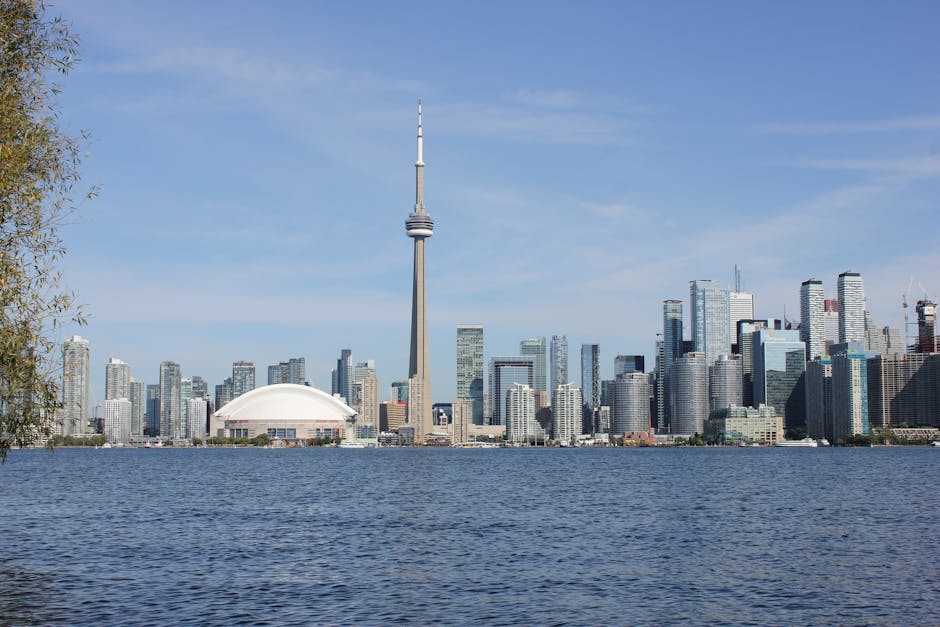
Toronto is the capital of Ontario and the fourth-largest city in North America, home to nearly 3 million residents in the city proper and over 6.5 million across the Greater Toronto Area. Situated on the northwestern shore of Lake Ontario, the city is a mosaic of more than 200 distinct ethnic neighborhoods, over 8,000 restaurants, and countless parks, museums, and entertainment venues. Toronto generated $13.5 billion in tourism spending in 2025 alone, making it one of the most economically significant tourism destinations on the continent. This Toronto travel guide will walk you through every step of planning your visit so you can make the most of your time in this world-class city.
Toronto Travel Guide: Quick Facts at a Glance
Before diving into the details, here are the essential facts every visitor should know:
- Country: Canada
- Province: Ontario
- Population: ~2.9 million (city), ~6.5 million (GTA)
- Language: English (official), French widely understood; 200+ languages spoken
- Currency: Canadian Dollar (CAD)
- Time Zone: Eastern Time (ET) — UTC-5 in winter, UTC-4 in summer (EDT)
- Airport: Toronto Pearson International Airport (YYZ); Billy Bishop Toronto City Airport (YTZ)
- Emergency Number: 911
- Electricity: 120V, 60Hz (Type A/B plugs — same as US)
- Tipping: 15–20% standard at restaurants
- Drinking Age: 19 years old in Ontario
- Best Time to Visit: June through October for warm weather and festivals
Best Time to Visit Toronto
Toronto is a true four-season city, and the best time to visit depends on what you want to experience. For a detailed breakdown of weather patterns, events, and seasonal highlights, check out our guide to the best time to visit Toronto. Here is a quick seasonal overview to help you plan.
Spring (April to June)
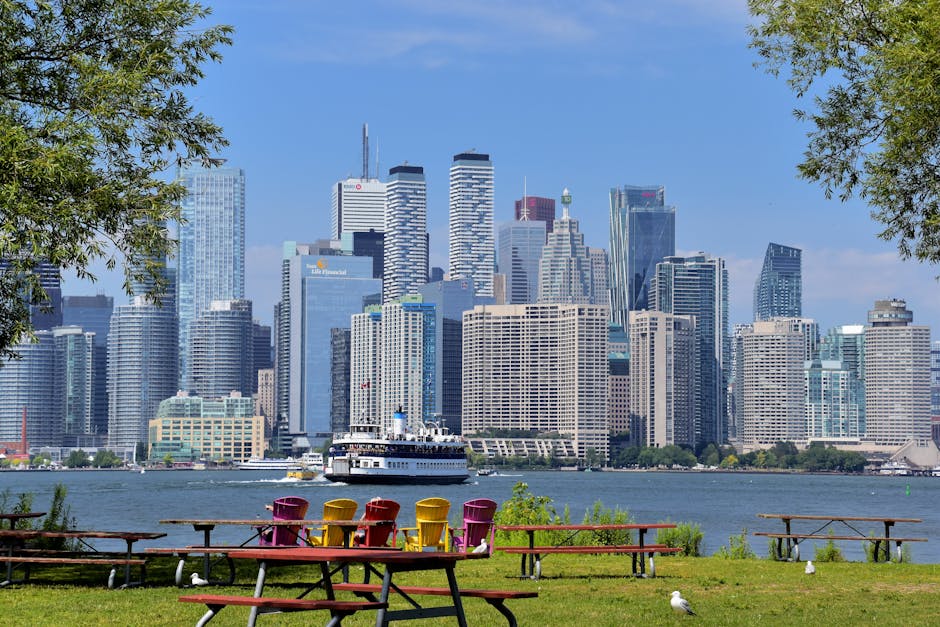
Spring is a lovely time to visit Toronto as the city shakes off winter. Temperatures range from 5°C to 22°C (41°F to 72°F), cherry blossoms bloom in High Park around late April to early May, and outdoor patios begin to reopen. Hotel prices are generally lower than peak summer, making spring an excellent value season. The downside is that weather can be unpredictable — pack layers and a rain jacket. For packing advice tailored to each season, see our Toronto packing list by season.
Summer (July to September)
Summer is peak tourist season in Toronto and for good reason. Average temperatures hover between 20°C and 30°C (68°F to 86°F), with long daylight hours and a packed calendar of events and festivals. Caribana (Toronto Caribbean Carnival) in late July and early August draws over a million visitors, the Toronto International Film Festival (TIFF) takes over the city in September, and the waterfront comes alive with patios, concerts, and outdoor markets. Expect higher hotel rates and larger crowds at popular attractions. In 2026, the FIFA World Cup will bring six matches to Toronto’s BMO Field between June and July, making summer 2026 an especially exciting — and busy — time to visit.
Fall (October to November)
Fall is arguably the most beautiful season in Toronto. The city’s many parks and ravines explode with red, orange, and gold foliage, temperatures are comfortable (8°C to 18°C / 46°F to 64°F), and crowds thin out after TIFF. Nuit Blanche, the city’s all-night contemporary art event, happens in late September or early October. Fall is also ideal for exploring Toronto’s diverse neighborhoods on foot without the summer heat.
Winter (December to March)
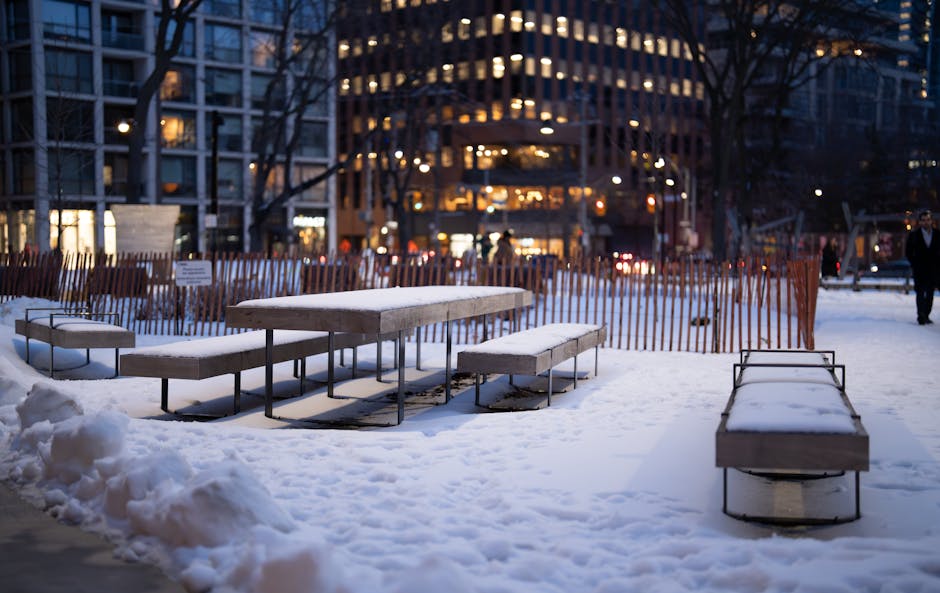
Winter in Toronto is cold — there is no sugarcoating it. Temperatures regularly drop to -10°C to -20°C (14°F to -4°F), and snowfall is common from December through March. However, the city compensates with the Toronto Christmas Market in the Distillery District, world-class indoor attractions like the Royal Ontario Museum and the Art Gallery of Ontario, and the extensive PATH underground walkway system that connects 30 kilometers of shops, restaurants, and transit stations beneath the downtown core. Hotel prices drop significantly in winter, making it the most budget-friendly time to visit. Check our Toronto packing list for essential cold-weather gear.
How to Get to Toronto
Toronto is one of the most accessible cities in North America, with multiple options for arriving by air, rail, bus, or car. Here is everything you need to know about reaching the city.
By Air: Toronto Pearson International Airport (YYZ)
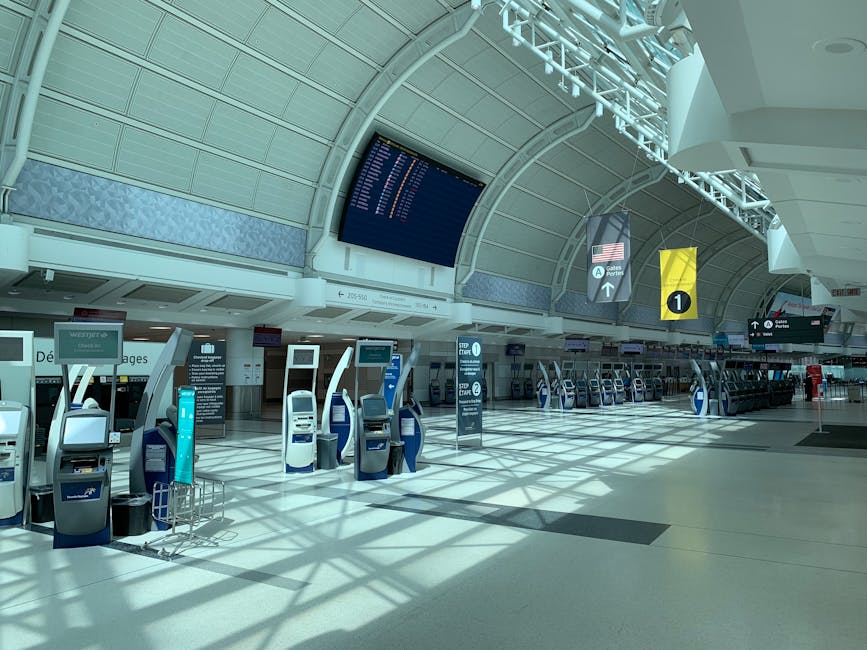
Toronto Pearson International Airport (YYZ) is Canada’s largest and busiest airport, handling over 50 million passengers annually. It has two terminals: Terminal 1 serves Air Canada, Star Alliance carriers, and select international airlines like Emirates and Etihad; Terminal 3 handles most other airlines including WestJet, Air Transat, and various international carriers. A free Terminal Link Train connects both terminals.
Getting from Pearson to downtown:
- UP Express: The fastest option — a dedicated airport train that reaches Union Station in just 28 minutes. Trains depart every 15 minutes from Terminal 1. Adult fare is $12.35 one-way (or $9.25 with a PRESTO card). Children under 12 ride free.
- TTC Bus + Subway: The most affordable option at just $3.35. Take the 192 Airport Rocket bus to Kipling Station, then transfer to the subway. Total travel time is about 60-75 minutes.
- Taxi/Rideshare: Taxis from Pearson to downtown cost approximately $55-$65 CAD (flat rate). Uber and Lyft are both available and typically cost $35-$55 depending on demand.
- GO Transit: The GO Bus Route 40 connects Pearson to Union Station during certain hours for around $10.
By Air: Billy Bishop Toronto City Airport (YTZ)
Billy Bishop Airport is located on the Toronto Islands, just minutes from the downtown core via a pedestrian tunnel. It primarily serves domestic routes and select US destinations through Porter Airlines. If you are flying from Montreal, Ottawa, Halifax, or short-haul US cities like New York, Boston, or Chicago, Billy Bishop is incredibly convenient — you can walk to the financial district in about 15 minutes after landing.
By Train
VIA Rail connects Toronto’s Union Station to cities across Canada, including Montreal (about 5 hours), Ottawa (about 4.5 hours), and Kingston (about 2.5 hours). The Toronto-Montreal corridor is the busiest rail route in Canada and offers comfortable, scenic travel along Lake Ontario. From the United States, Amtrak’s Maple Leaf service runs daily between New York City and Toronto (approximately 12 hours) via Niagara Falls.
By Bus
Several bus companies serve Toronto, with most arriving at the Toronto Coach Terminal or Union Station Bus Terminal. FlixBus, Megabus, and Ontario Northland offer affordable connections from cities across Ontario, Quebec, and the northeastern United States. Buses from New York City take approximately 8-10 hours and can cost as little as $30-$50 CAD one way if booked in advance.
By Car
Toronto is easily accessible by highway. The 401 connects Toronto to Montreal (about 5.5 hours east) and Windsor/Detroit (about 4 hours west). The QEW connects to Niagara Falls (about 1.5 hours south). Be aware that downtown Toronto has heavy traffic congestion, expensive parking ($20-$40/day), and aggressive parking enforcement. Unless you plan to take day trips from Toronto, you generally do not need a car in the city.
Where to Stay in Toronto: A Neighborhood Guide
Choosing the right neighborhood can make or break your Toronto experience. Each area has its own personality, price point, and advantages. For our complete breakdown, see our detailed guide on where to stay in Toronto and our full Toronto neighborhoods guide. Here is a summary of the best areas for visitors.
Downtown / Financial District
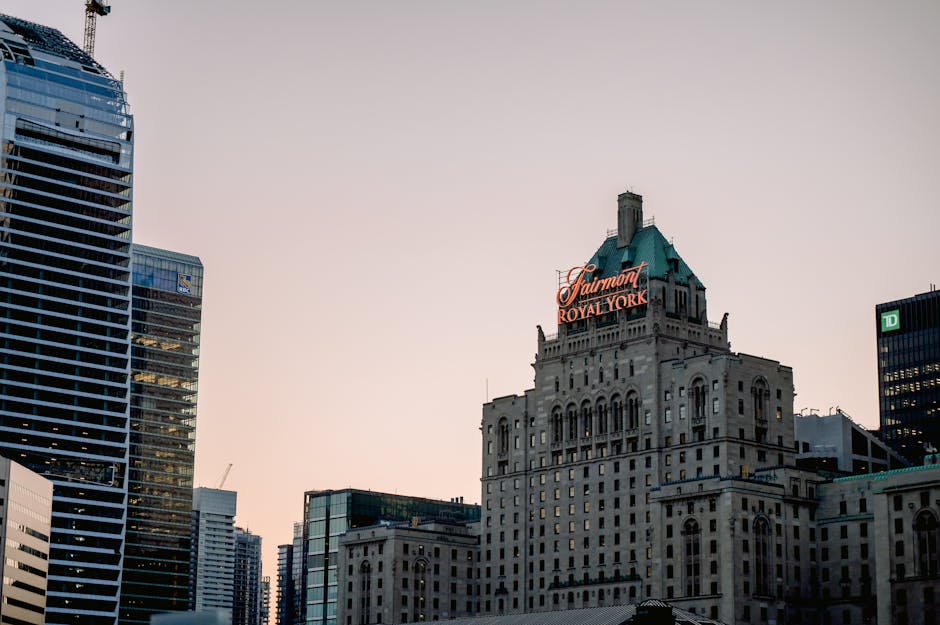
The most central location, ideal for first-time visitors. You will be within walking distance of the CN Tower, Ripley’s Aquarium, Rogers Centre, and Union Station. The area has the highest concentration of major hotels (Fairmont Royal York, Shangri-La, Ritz-Carlton) and easy access to all subway lines. Budget about $200-$500+ CAD per night for hotels in this area.
Entertainment District
Adjacent to the Financial District, this is where you will find many of Toronto’s theaters, restaurants, bars, and nightlife venues. King Street West is the heart of the action. This area is perfect for travelers who want to be close to dining and entertainment without being in the corporate core. Hotels range from $180-$400 CAD per night.
Yorkville
Toronto’s most upscale neighborhood, Yorkville is home to designer boutiques, high-end restaurants, and luxury hotels like the Four Seasons and the Hazelton. It is also adjacent to the Royal Ontario Museum and the University of Toronto campus. Expect to pay $300-$700+ CAD per night. For more on Toronto shopping, Yorkville is a must-visit.
Queen West / West Queen West
Named one of the coolest neighborhoods in the world by Vogue, Queen West is Toronto’s arts and indie culture hub. You will find street art, vintage shops, independent galleries, and some of the city’s best restaurants and bars. Boutique hotels and vacation rentals in this area typically run $150-$350 CAD per night.
The Distillery District / Corktown
A beautifully preserved Victorian industrial area turned pedestrian village, the Distillery District features cobblestone streets, galleries, restaurants, and craft breweries. The nearby Corktown neighborhood is one of Toronto’s oldest and trendiest areas. Accommodations here range from $150-$300 CAD per night.
Kensington Market / Chinatown
For budget travelers and those who want an eclectic, bohemian experience, Kensington Market and adjacent Chinatown offer affordable hostels, vacation rentals, and some of the cheapest and most interesting food in the city. Expect to pay $30-$60 CAD per night for hostels or $100-$200 for vacation rentals. This area is also walking distance to the Art Gallery of Ontario.
Harbourfront / Waterfront
If you want Lake Ontario views and easy access to the Toronto Islands ferry, the Harbourfront area is an excellent choice. Hotels here include the Westin Harbour Castle and the Radisson Blu. Prices range from $180-$400 CAD per night, with some of the best sunset views in the city.
Getting Around Toronto: Transportation Guide
Toronto has an extensive public transit system that makes it easy for visitors to get around without a car. For our complete breakdown of transit options, fares, and tips, see our guide to getting around Toronto. For the best apps to navigate the city, check our Toronto travel apps and useful resources guide.
TTC (Toronto Transit Commission)
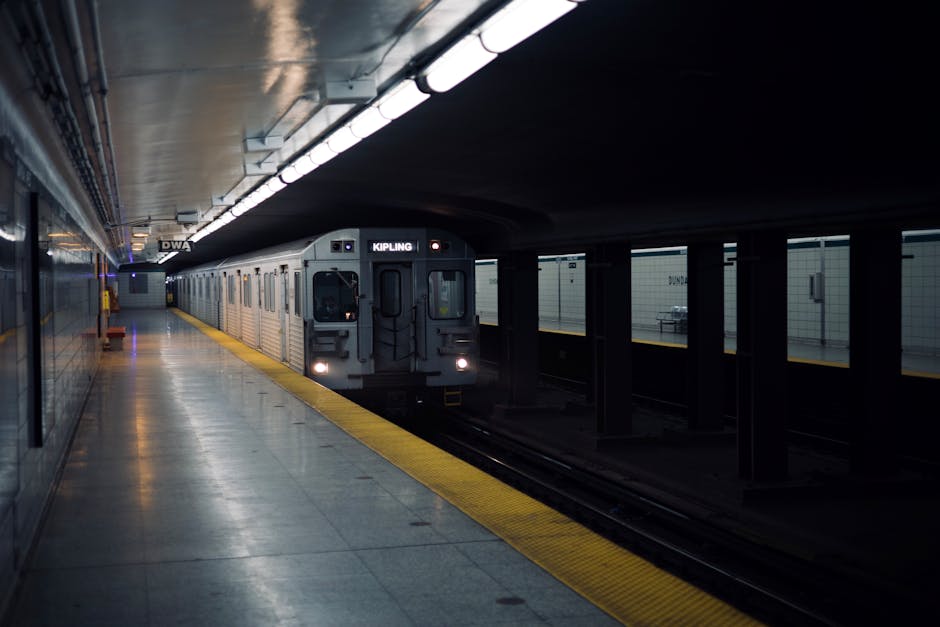
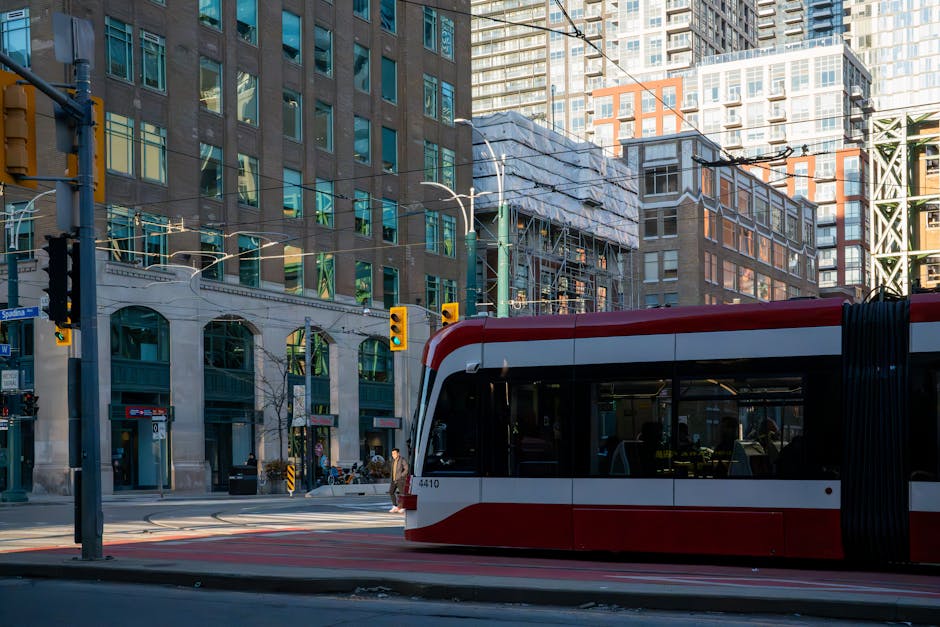
The TTC is Toronto’s primary public transit system, consisting of four subway lines, 11 streetcar routes, and over 140 bus routes. It is the third-largest transit system in North America.
Fares and Payment:
- Single ride: $3.35 with PRESTO (the electronic fare card used across the Greater Toronto Area)
- Day Pass: $13.50 — unlimited rides for one calendar day
- PRESTO Card: Available for $4 at TTC stations, Shoppers Drug Mart, or as a free digital card on Apple/Google Wallet
- Two-Hour Transfer: Each PRESTO tap gives you a two-hour window to transfer across subways, streetcars, and buses in any direction
- One Fare Program: Ontario’s One Fare program lets you transfer between TTC and connecting GO Transit, MiWay, and other regional services for one fare
Visitor tip: If you plan to take more than four rides in a day, the Day Pass at $13.50 is your best value. For shorter stays, a digital PRESTO card loaded onto your phone is the easiest option — no physical card to buy or return.
GO Transit
GO Transit is the regional transit system connecting Toronto to surrounding cities and suburbs via commuter trains and buses. It is essential if you are taking day trips from Toronto to places like Niagara Falls, Hamilton, or the surrounding wine country. GO trains run from Union Station and fares are distance-based.
Cycling
Toronto has an expanding network of bike lanes and the Bike Share Toronto system, which offers over 6,800 bikes at 625+ stations across the city. A single trip (up to 30 minutes) costs $1, or you can buy a day pass for $7. The Martin Goodman Trail along the waterfront is a particularly scenic cycling route. For more on cycling and outdoor activities in Toronto, see our dedicated guide.
Walking
Toronto’s downtown core is highly walkable, and many of the best attractions, restaurants, and neighborhoods are within a 30-minute walk of each other. The PATH underground walkway system — the largest in the world at over 30 km — connects major downtown buildings, shopping centers, and transit stations, making walking comfortable even in winter.
Taxis and Rideshare
Uber and Lyft are widely available throughout Toronto and are generally more affordable than traditional taxis. A typical downtown ride costs $10-$20 CAD. Traditional taxis are readily available at hotels, airports, and on major streets. All taxis use meters — the base fare is $3.25 plus $1.75 per kilometer.
Toronto Travel Guide: Budget Planning and Costs
One of the most important aspects of any Toronto travel guide is helping you understand how much your trip will actually cost. Toronto is not the cheapest city to visit, but with smart planning you can have an incredible experience at almost any budget level. For a deep dive into costs, see our Toronto travel budget guide.
Budget Traveler ($80-$130 CAD/day)
- Accommodation: Hostel dorm bed ($30-$60/night) or budget Airbnb
- Food: Street food, Chinatown restaurants, grocery stores ($25-$40/day)
- Transport: TTC Day Pass or PRESTO card ($7-$14/day)
- Activities: Free walking tours, parks, free museum days ($0-$20/day)
Mid-Range Traveler ($200-$350 CAD/day)
- Accommodation: 3-star hotel or quality Airbnb ($150-$250/night)
- Food: Mix of casual restaurants and one nice dinner ($50-$80/day)
- Transport: TTC plus occasional Uber ($15-$25/day)
- Activities: Major attractions, museums, shows ($30-$60/day)
Luxury Traveler ($500+ CAD/day)
- Accommodation: 4-5 star hotel ($300-$700+/night)
- Food: Fine dining, tasting menus, cocktail bars ($100-$200+/day)
- Transport: Private car, taxis ($30-$50/day)
- Activities: VIP experiences, private tours, shows ($100+/day)
Money-saving tip: The Toronto CityPASS and discount cards can save you up to 40% on admission to five of the city’s top attractions, including the CN Tower, Ripley’s Aquarium, and the Royal Ontario Museum. It is one of the best values for first-time visitors planning to hit the major sights.
Must-See Toronto Attractions
Toronto is packed with world-class attractions that could easily fill a week or more. For our complete rundown, see our guides to Toronto attractions and things to do in Toronto. Here are the highlights no first-time visitor should miss.
Iconic Landmarks
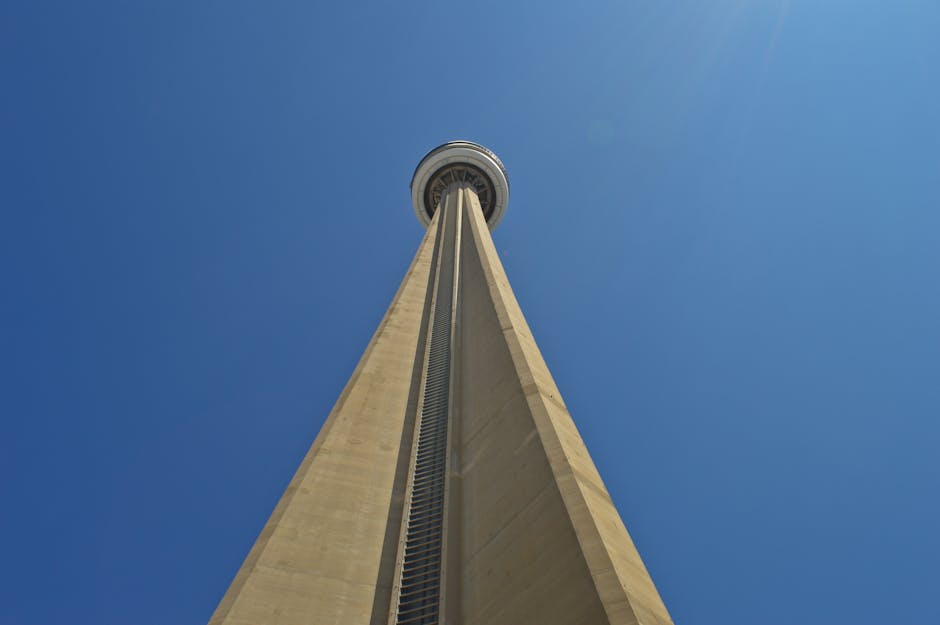
- CN Tower: Toronto’s most iconic landmark stands 553 meters tall with observation decks, a glass floor, the EdgeWalk (the world’s highest full-circle hands-free walk), and the 360 revolving restaurant. Adult admission starts at approximately $43 CAD.
- Ripley’s Aquarium of Canada: Located at the base of the CN Tower, this stunning aquarium features over 20,000 aquatic animals, including a mesmerizing Dangerous Lagoon tunnel with sharks and rays gliding overhead. Perfect for families visiting Toronto with kids.
- Casa Loma: A Gothic Revival castle in midtown Toronto with beautifully decorated rooms, secret passages, an 800-foot underground tunnel, and stunning gardens. Adult admission is about $40 CAD.
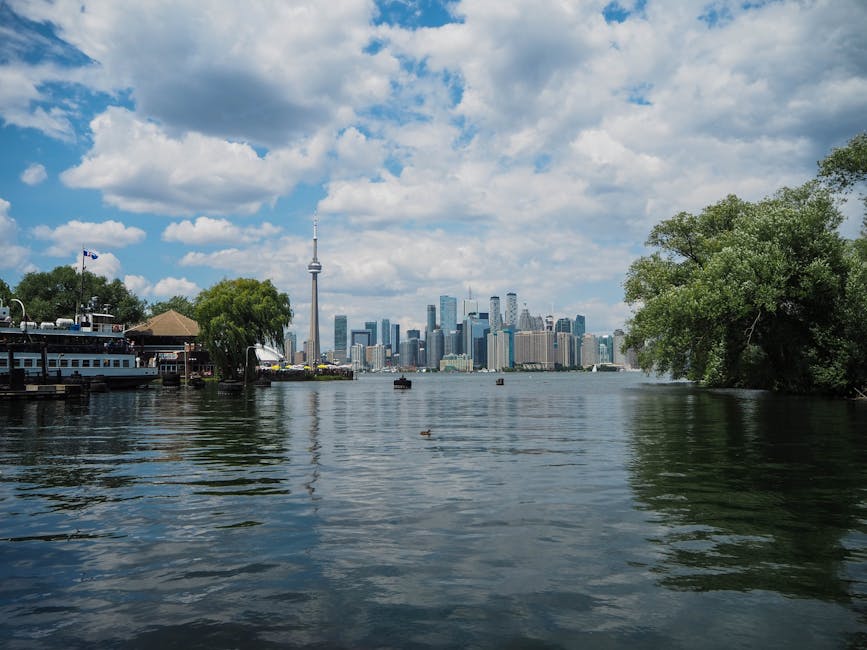
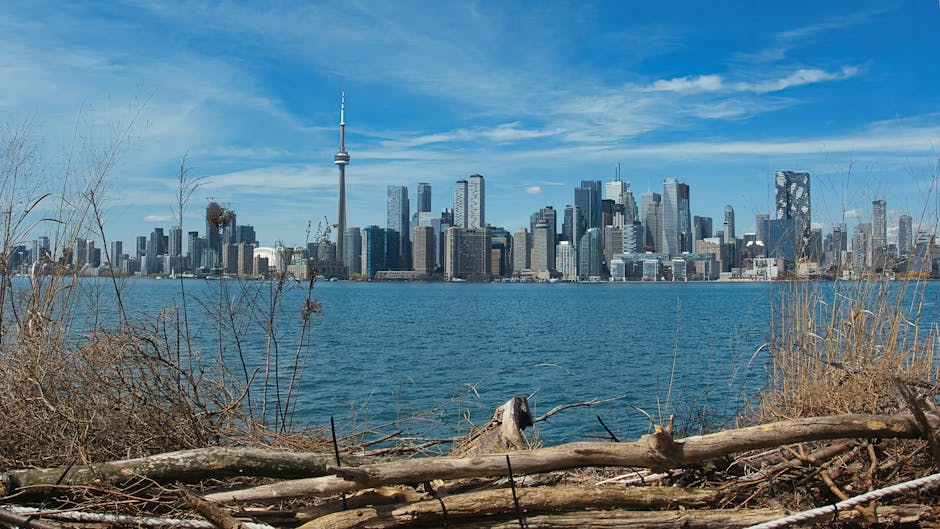
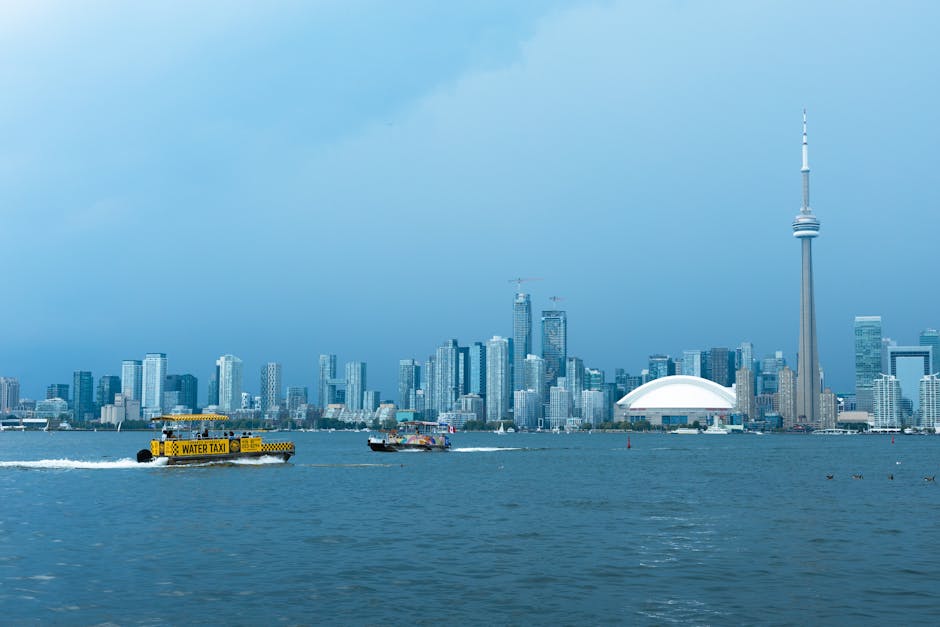
- Toronto Islands: A car-free chain of small islands just a 15-minute ferry ride from downtown, offering beaches, picnic areas, bike paths, and some of the best views of the Toronto skyline.
Museums and Cultural Institutions
Toronto is a cultural powerhouse with world-class museums and galleries. For a complete guide, see our Toronto arts, culture, and museums page.
- Royal Ontario Museum (ROM): Canada’s largest museum of world cultures and natural history, with over 13 million artifacts and specimens. The Michael Lee-Chin Crystal addition is an architectural wonder. Adult admission is about $26 CAD.
- Art Gallery of Ontario (AGO): One of the largest art museums in North America, featuring works by the Group of Seven, European masters, Indigenous artists, and a stunning Frank Gehry-designed expansion. Admission is approximately $25 CAD, with free entry on Wednesday evenings.
- Ontario Science Centre: An interactive science museum that is especially popular with families and children.
- Hockey Hall of Fame: A must-visit for sports fans, featuring the original Stanley Cup and interactive exhibits about Canada’s most beloved sport.
Markets and Neighborhoods
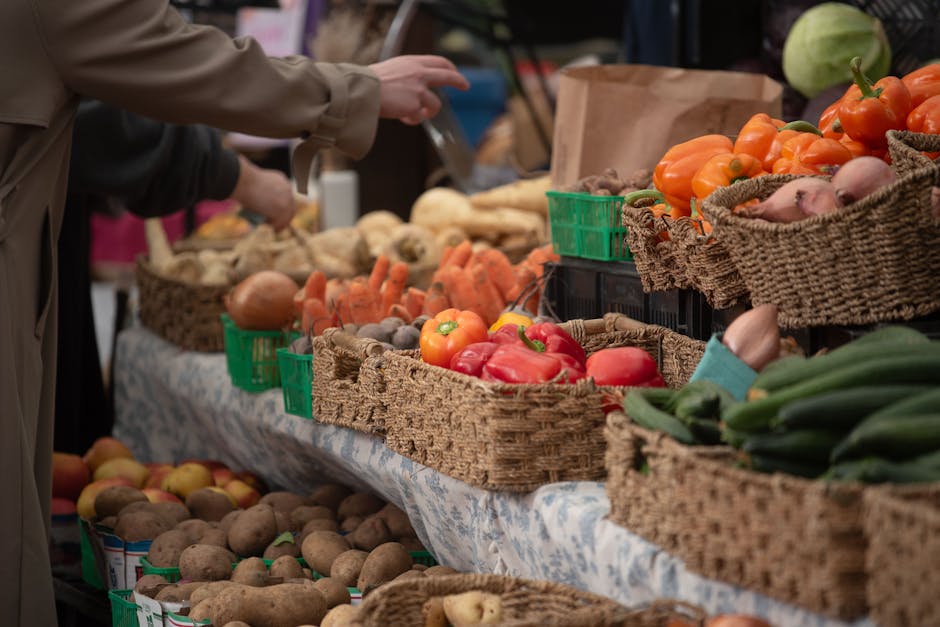
- St. Lawrence Market: Named the world’s best food market by National Geographic, this 200-year-old market is packed with vendors selling fresh produce, meats, cheeses, and Toronto’s famous peameal bacon sandwiches.
- Kensington Market: A vibrant, bohemian neighborhood with vintage shops, international food stalls, cafes, and street art. Pedestrian Sundays (last Sunday of each month in summer) are especially lively.
- Distillery Historic District: Beautifully restored Victorian industrial buildings now housing galleries, restaurants, boutiques, and craft breweries on cobblestone streets.
Toronto Food and Dining Guide
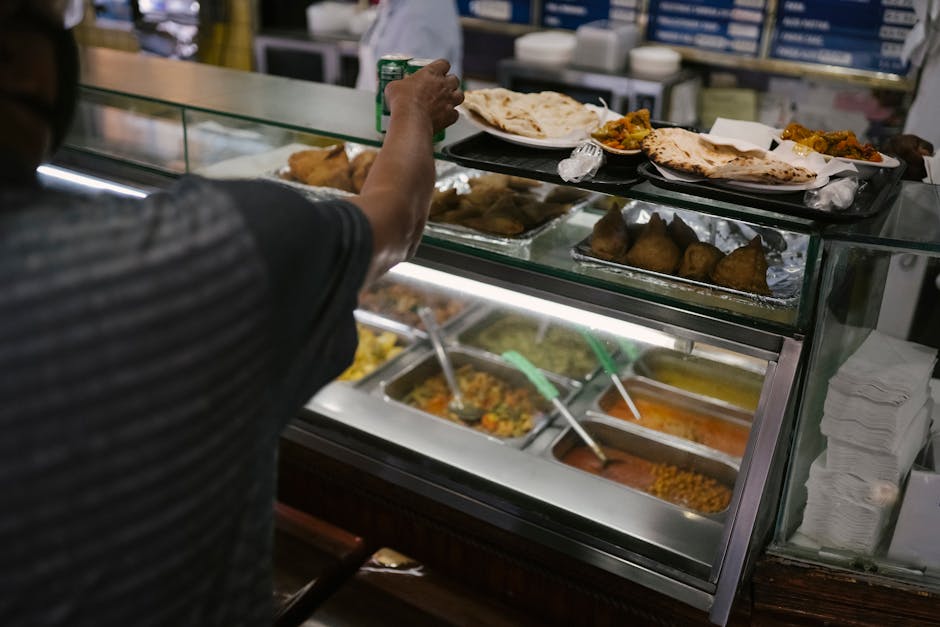
Toronto is widely considered one of the top food cities in North America, and its diversity is its greatest culinary asset. With residents from over 200 countries, you can find virtually any cuisine in the world here — often prepared by first-generation immigrants using authentic recipes. For our complete guide, see our Toronto food guide.
Must-Try Toronto Foods
- Peameal bacon sandwich: The quintessential Toronto food, best enjoyed at Carousel Bakery in St. Lawrence Market
- Poutine: Quebec’s famous fries-gravy-cheese curds dish is widely available (try Smoke’s Poutinerie or Nom Nom Nom)
- Jamaican patties: Flaky, spiced pastries available at patty shops across the city (Randy’s Take-Out and Allan’s are local favorites)
- Butter tarts: A Canadian pastry icon — flaky shells filled with buttery, gooey filling
- Chinese food in Chinatown: Toronto has multiple Chinatowns, with the Spadina Avenue stretch being the most central and packed with dim sum restaurants
- Little Italy and Little India: College Street and Gerrard Street East respectively offer authentic Italian and Indian dining at excellent prices
Dining Tips for Visitors
- Tipping 15-20% is standard at sit-down restaurants. For more details on tipping etiquette and currency, see our Toronto tipping guide and Canadian currency tips.
- Tax is not included in menu prices. Ontario charges 13% HST (Harmonized Sales Tax) on most goods and restaurant meals.
- Reservations are recommended for popular restaurants, especially on weekends. OpenTable and Resy are the most widely used booking platforms.
- Summerlicious (July) and Winterlicious (January-February) are prix-fixe dining festivals where 200+ restaurants offer multi-course menus starting at $23 CAD for lunch.
- Food halls like Assembly Chef’s Hall, Time Out Market, and the food court at Union Station offer diverse cuisines under one roof at moderate prices.
Essential Toronto Travel Tips
Every good Toronto travel guide includes the practical knowledge that can save you time, money, and frustration. Here are the insider tips that will help you travel smarter.
General Travel Tips
- Get a PRESTO card immediately. It saves money on every TTC ride and works on GO Transit, UP Express, and regional transit. The digital version on Apple/Google Wallet is free and instant.
- Download offline maps. While Toronto has good cell coverage, having Google Maps or Apple Maps available offline is useful in the subway system where signal can be spotty. Check our best Toronto travel apps for more recommendations.
- Book popular attractions in advance. The CN Tower, Casa Loma, and Ripley’s Aquarium can have long queues during summer. Online tickets often include timed entry that lets you skip the line.
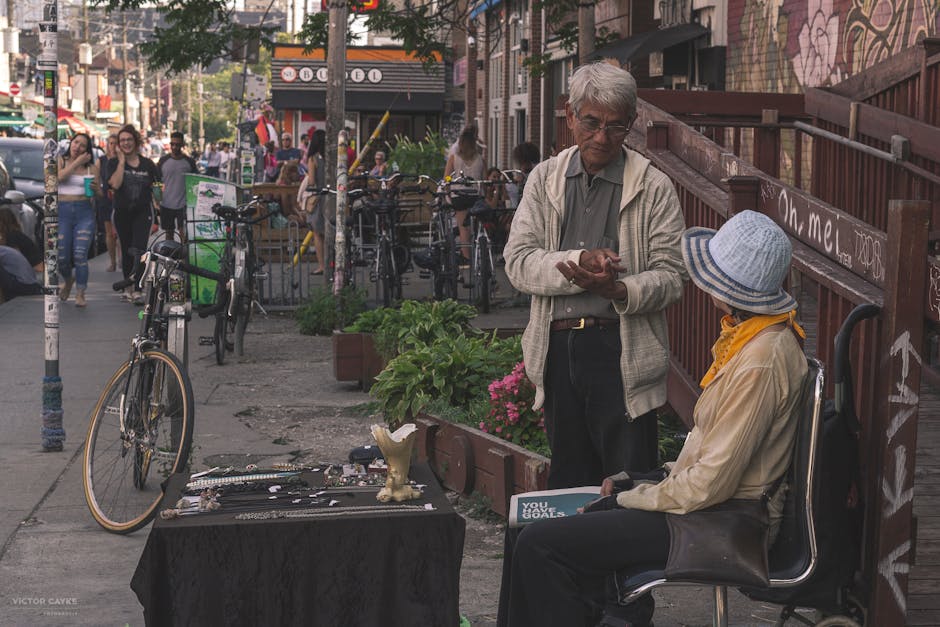
- Take advantage of free attractions. Many of Toronto’s best experiences are free — the Toronto Islands beaches, Graffiti Alley, Nathan Phillips Square, the Harbourfront Centre, and walking tours of neighborhoods like Kensington Market.
- Respect the multiculturalism. Toronto is one of the most diverse cities on Earth. Embrace it — try cuisines you have never heard of, visit cultural festivals, and explore neighborhoods outside the tourist core.
- Always carry a reusable water bottle. Toronto tap water is excellent quality and free refill stations are available throughout the city.
- Visit on weekdays if possible. Major attractions are significantly less crowded Monday through Thursday compared to weekends.
Money-Saving Toronto Travel Tips
- Buy a Toronto CityPASS if you plan to visit three or more major attractions
- The AGO has free admission on Wednesday evenings from 6-9 PM
- Many museums offer discounted or free admission on the first or third Tuesday of each month
- Street food in Kensington Market and Chinatown is delicious and extremely affordable ($5-$10 for a full meal)
- The Toronto Public Library offers free museum passes that you can reserve online — check availability for the ROM, Aga Khan Museum, and more
- Walking is free and Toronto’s downtown core is very walkable — save transit money for longer trips
- Look into last-minute theater tickets at the T.O. TIX booth in Yonge-Dundas Square for up to 50% off same-day shows
Safety and Health Information for Toronto Visitors
Toronto is consistently ranked as one of the safest major cities in North America, and violent crime against tourists is extremely rare. That said, common-sense precautions apply. For a detailed guide, see our Toronto safety tips for tourists.
Safety Tips
- Petty theft: The biggest risk for tourists is pickpocketing on crowded transit or in busy tourist areas like Yonge-Dundas Square. Keep valuables secure and use a cross-body bag.
- Late-night safety: Most neighborhoods are safe after dark, though it is wise to avoid poorly lit areas in any city. The Entertainment District and downtown are lively and well-patrolled late into the night.
- Winter hazards: In winter, sidewalks can be icy and slippery. Wear footwear with good traction and walk carefully. Wind chill can make temperatures feel significantly colder than the actual reading.
- Cycling safety: Always wear a helmet (required by law for riders under 18, strongly recommended for everyone) and follow bike lane markings.
- Emergency services: Dial 911 for police, fire, or ambulance. For non-emergency police assistance, call 416-808-2222.
Health and Medical
- Travel insurance: Absolutely essential for non-Canadian visitors. Canada’s healthcare system does not cover international visitors, and medical costs can be extremely high. A simple ER visit can cost thousands of dollars without insurance.
- Pharmacies: Shoppers Drug Mart is the largest pharmacy chain and many locations are open until midnight or 24 hours. Rexall is another common option.
- Hospitals: Major hospitals include Toronto General Hospital, St. Michael’s Hospital, and Mount Sinai Hospital, all located in the downtown core.
- Walk-in clinics: Available throughout the city for non-emergency medical needs. Be prepared to pay $100-$300+ out of pocket if you do not have Canadian health insurance.
- Tap water: Toronto’s tap water is treated, tested, and perfectly safe to drink.
Currency, Tipping, and Customs in Toronto
Understanding Canadian currency and tipping customs will help you avoid awkward moments and budget more accurately. For our complete breakdown, see our Toronto tipping guide and Canadian currency tips.
Canadian Currency Basics
- The Canadian Dollar (CAD or C$) is the official currency. As of 2026, 1 USD equals approximately 1.35-1.45 CAD.
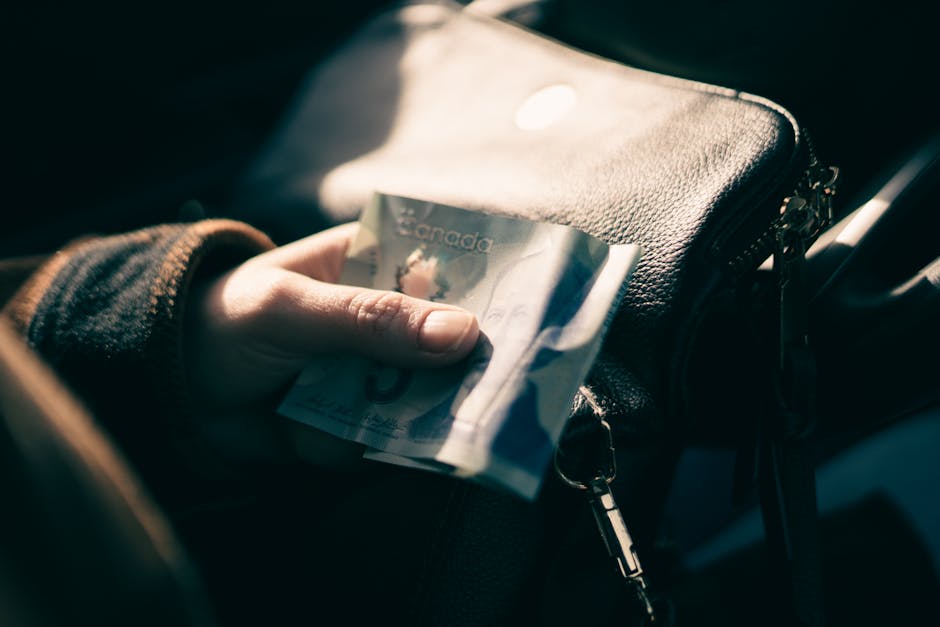
- Canada uses polymer (plastic) banknotes in denominations of $5, $10, $20, $50, and $100.
- Coins include the penny (phased out — prices are rounded to the nearest nickel for cash transactions), nickel (5 cents), dime (10 cents), quarter (25 cents), loonie ($1), and toonie ($2).
- Credit and debit cards (Visa, Mastercard, American Express) are accepted virtually everywhere. Contactless payment (tap) is extremely widespread — Canada is one of the most cashless-friendly countries in the world.
- ATMs are widely available at banks and convenience stores. Bank ATMs generally charge no foreign transaction fees to Canadian account holders; international visitors should check with their home bank about foreign ATM fees.
- Avoid currency exchange kiosks at the airport — they offer poor rates. Instead, use your bank card at ATMs or exchange currency at a bank for better rates.
Tipping Guide
- Restaurants: 15-20% of the pre-tax bill is standard. 18-20% for good service.
- Bars: $1-$2 per drink, or 15-20% on a tab.
- Taxis/Rideshare: 15-20% is customary.
- Hotels: $2-$5 per bag for bellhops; $2-$5 per night for housekeeping.
- Coffee shops: Tipping is optional but a dollar or two is appreciated.
- Hair salons/spas: 15-20%.
- Important: Tips are calculated on the pre-tax amount. Since Ontario adds 13% HST, tipping on the total (tax-included) amount means you are actually tipping more than you might intend.
Taxes for Visitors
Ontario charges a 13% Harmonized Sales Tax (HST) on most purchases, which is not included in displayed prices. This means a $100 item actually costs $113 at the register. Unlike some countries, Canada does not offer a VAT refund program for tourists, so factor the 13% into your budget planning.
What to Pack for Toronto
What you pack depends heavily on when you visit. Toronto’s weather ranges from scorching humid summers to brutally cold winters. For our complete season-by-season guide, see our Toronto packing list by season. Here are the essentials:
Year-Round Essentials
- Comfortable walking shoes — you will walk much more than you expect
- Layers — Toronto weather can change quickly, even in summer
- Universal power adapter (if coming from outside North America) — Canada uses Type A/B plugs, 120V
- Reusable water bottle
- Sunscreen and sunglasses
- Rain jacket or compact umbrella
Summer Additions (June-September)
- Light, breathable clothing
- Swimsuit (for the Islands beaches and hotel pools)
- Insect repellent (mosquitoes near the waterfront and parks)
- Light cardigan for heavily air-conditioned interiors
Winter Additions (November-March)
- Heavy winter coat rated to at least -20 degrees Celsius (-4 degrees Fahrenheit)
- Insulated, waterproof boots with good traction
- Thermal base layers, wool socks
- Warm hat, scarf, and insulated gloves
- Hand warmers for extremely cold days
Sample Toronto Itineraries
Not sure how to structure your trip? Here are two sample itineraries to give you a framework. For the full detailed versions with maps, timing, and restaurant recommendations, see our 3-day Toronto itinerary and 7-day Toronto itinerary.
3-Day Toronto Itinerary Overview
Day 1 — Downtown Icons: Start at the CN Tower for panoramic views, then walk to Ripley’s Aquarium. Grab lunch at the St. Lawrence Market and spend the afternoon exploring the Distillery Historic District. End the day with dinner in the Entertainment District.
Day 2 — Culture and Neighborhoods: Morning at the Royal Ontario Museum, then stroll through the University of Toronto campus to Yorkville for lunch. Afternoon exploring Kensington Market and Chinatown, with dinner on Baldwin Street or Spadina Avenue. Evening drinks on Queen West.
Day 3 — Waterfront and Islands: Take the morning ferry to the Toronto Islands for beaches, bike rides, and skyline photos. Return for a late lunch at the Harbourfront, then visit the Art Gallery of Ontario (especially if it is a Wednesday for free evening admission). Final dinner at a restaurant of your choice to celebrate your trip.
7-Day Toronto Itinerary Overview
Days 1-3: Follow the 3-day itinerary above.
Day 4 — East End Exploration: Visit the Beaches neighborhood for a boardwalk stroll, explore Leslieville’s indie shops and cafes, and check out the Evergreen Brick Works farmers’ market (Saturdays). Dinner in Greektown (The Danforth).
Day 5 — Day Trip: Take a day trip from Toronto — Niagara Falls is the most popular option (about 1.5 hours by car or bus), but Niagara-on-the-Lake wine country, the Blue Mountain resort area, or the charming town of Stratford are also excellent choices.
Day 6 — West End and Culture: Visit Casa Loma in the morning, explore the Annex and Bloor West Village neighborhoods, lunch at one of the city’s many brunch spots, then spend the afternoon at the Aga Khan Museum or the Bata Shoe Museum. Evening at a live show, comedy club, or nightlife venue.
Day 7 — Flex Day: Revisit your favorite spots, explore any neighborhoods you missed, do some Toronto shopping at the Eaton Centre or independent shops, or simply enjoy a leisurely brunch and people-watching at a patio cafe. If visiting with children, dedicate this day to kid-friendly Toronto attractions like the Toronto Zoo or Ontario Science Centre.
Practical Information: Visas, Phones, and Wi-Fi
Getting the logistics right before you arrive will make your trip much smoother. Here is what you need to know about entry requirements, staying connected, and other practical matters.
Visas and Entry Requirements
Canada’s entry requirements depend on your nationality:
- US citizens: No visa or eTA required. Bring a valid passport (or an enhanced driver’s license for land/sea crossings).
- Visa-exempt countries (UK, EU, Australia, Japan, etc.): You need an Electronic Travel Authorization (eTA) to fly to Canada. It costs just $7 CAD, takes minutes to apply online at Canada.ca, and is valid for five years. Not required for land or sea entry.
- Visa-required countries (China, India, Philippines, Nigeria, etc.): You must apply for a Temporary Resident Visa (TRV) in advance. Cost is $100 CAD per person, and processing time ranges from 3 to 10 weeks depending on your country.
- All visitors: You need a valid passport with at least 6 months of remaining validity. You may be asked to show proof of return travel, sufficient funds, and accommodation bookings at the border.
Always verify your specific entry requirements on the official Government of Canada website before booking your trip, as requirements can change.
Phones and Connectivity
- Country code: +1 (same as the United States)
- Toronto area codes: 416, 647, 437
- US phone plans: Many US carriers include Canada in their plans at no extra charge (T-Mobile, AT&T, Verizon international plans). Check before you travel.
- International visitors: Consider buying a prepaid SIM card or eSIM. Providers like Chatr, Lucky Mobile, and Public Mobile offer affordable tourist-friendly plans starting around $25-$40 CAD per month with data.
- Wi-Fi: Free Wi-Fi is widely available at cafes (Tim Hortons, Starbucks, McDonald’s), public libraries, many TTC stations, and throughout the PATH system. Most hotels and accommodations offer free Wi-Fi.
Other Practical Details
- Smoking: Smoking is banned in all indoor public places, workplaces, and within 9 meters of building entrances. Cannabis is legal in Canada for adults 19+ in Ontario, but smoking it is subject to the same restrictions as tobacco.
- Alcohol: The legal drinking age in Ontario is 19. Alcohol is sold at the LCBO (Liquor Control Board of Ontario), The Beer Store, and at select grocery stores. It is not available at convenience stores or gas stations in most cases.
- Metric system: Canada uses the metric system. Distances are in kilometers, temperatures in Celsius, and weights in kilograms. However, many Canadians informally use imperial measurements in conversation.
- Accessibility: Toronto is generally accessible for travelers with disabilities. TTC stations are increasingly accessible (though some older stations lack elevators), major attractions have accessible entrances, and most hotels comply with accessibility standards.
- LGBTQ+ travelers: Toronto is one of the most LGBTQ+-friendly cities in the world, with a vibrant community centered around the Church-Wellesley Village. Pride Toronto (held in June) is one of the largest Pride celebrations globally.
Toronto Travel Guide: Exploring the Neighborhoods
Toronto’s soul lives in its neighborhoods, each one a world unto itself. Beyond the ones mentioned in the accommodation section, here are a few more that deserve a spot on your itinerary. For the complete list, visit our Toronto neighborhoods guide.
- The Annex: A leafy residential neighborhood near the University of Toronto, known for independent bookshops, the Bloor Hot Docs Cinema, and Honest Ed’s legacy. Great for casual strolling.
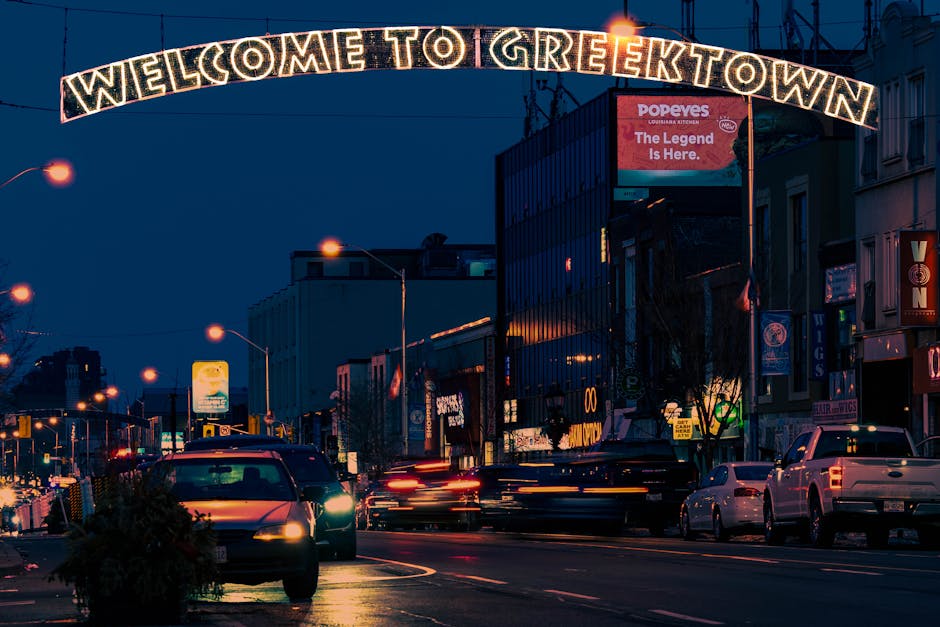
- Greektown (The Danforth): The largest Greek community in North America outside of Greece, packed with restaurants serving authentic souvlaki, spanakopita, and baklava. The Taste of the Danforth festival in August is legendary.
- Little Italy: College Street between Bathurst and Shaw is the heart of Toronto’s Italian community, with trattorias, gelato shops, and wine bars lining both sides of the street.
- Leslieville: An up-and-coming east-end neighborhood popular with young families and creatives, featuring excellent brunch spots, vintage shops, and craft breweries.
- The Beaches: A laid-back lakeside neighborhood with a boardwalk, sandy beach, and a quaint main street full of independent shops and ice cream parlors.
- Roncesvalles: A Polish-Canadian neighborhood with some of the best pierogis in the city, charming cafes, and easy access to High Park — Toronto’s largest public park.
- Koreatown: Centered on Bloor Street West between Bathurst and Christie, this neighborhood is packed with Korean BBQ restaurants, karaoke bars, and Asian grocery stores.
Nightlife and Entertainment in Toronto
Toronto’s nightlife scene is among the best in North America, with something for every taste — from rooftop cocktail bars and underground jazz clubs to massive nightclubs and comedy venues. For the full guide, see our Toronto nightlife guide.
- Entertainment District: The epicenter of Toronto nightlife, with major clubs on King Street West and Richmond Street.
- Queen West: More alternative and indie, with live music venues like The Horseshoe Tavern and The Drake Hotel.
- Ossington Avenue: Toronto’s coolest bar strip, lined with cocktail bars, wine bars, and intimate live music venues.
- Comedy: Second City Toronto, the Bad Dog Theatre, and Comedy Bar host nightly shows featuring some of North America’s best improvisers and stand-up comics.
- Live music: The Danforth Music Hall, Massey Hall, the Budweiser Stage (outdoor summer venue), and the Scotiabank Arena host everything from indie bands to global superstars.
- Craft beer: Toronto has an incredible craft brewery scene. Bellwoods Brewery, Blood Brothers, Henderson Brewing, and Collective Arts are local favorites.
Important: Last call at bars and clubs in Ontario is 2:00 AM. The TTC runs limited Blue Night service after regular hours, and rideshare services are available 24/7.
Outdoor Activities and Nature in Toronto
Despite being a major metropolis, Toronto has an abundance of green space, waterfront, and nature. The city has over 1,600 parks and a ravine system that covers approximately 17% of the city’s land area. For the full list of outdoor experiences, see our Toronto outdoor activities guide.
- High Park: Toronto’s largest public park (161 hectares) features hiking trails, a zoo (free admission), cherry blossom groves, and Grenadier Pond.
- Toronto Islands: Beaches, kayaking, bike rentals, and picnicking just a short ferry ride from downtown.
- The Don Valley: A massive ravine system running through the city with hiking and cycling trails that feel worlds away from the urban core.
- Scarborough Bluffs: Dramatic cliffs rising up to 65 meters above Lake Ontario on the city’s east side, with a sandy beach and park at the base.
- Rouge National Urban Park: Canada’s first national urban park, located in Toronto’s east end, featuring hiking trails, a marsh, and a beach.
- Martin Goodman Trail: A 56-kilometer waterfront trail perfect for cycling, jogging, or walking along the Lake Ontario shoreline.
Events, Festivals, and Seasonal Highlights
Toronto hosts hundreds of festivals and events throughout the year, many of which are world-renowned. For the complete calendar, see our Toronto events and festivals guide. Here are some highlights:
- Toronto International Film Festival (TIFF) — September: One of the most prestigious film festivals in the world, attracting Hollywood stars and independent filmmakers.
- Caribana (Toronto Caribbean Carnival) — July/August: North America’s largest Caribbean festival, with a massive parade drawing over 1 million spectators.
- Pride Toronto — June: One of the world’s largest Pride celebrations with parades, performances, and community events across the city.
- FIFA World Cup 2026 — June/July: Toronto will host six matches at BMO Field, making 2026 a historic year for the city’s sports and tourism scene.
- Nuit Blanche — September/October: An all-night contemporary art event transforming the city’s streets and public spaces into open-air galleries.
- Toronto Christmas Market — November/December: A European-style holiday market in the Distillery District with food, crafts, and festive atmosphere.
- Canadian National Exhibition (CNE) — August/September: An annual fair running since 1879, featuring rides, food, concerts, and exhibitions on the waterfront grounds.
Day Trips from Toronto
If you have a week or more in Toronto, taking a day trip (or even an overnight) is highly recommended. The surrounding region offers diverse experiences from world-famous waterfalls to wine country. For our complete list, see our guide to day trips from Toronto.
- Niagara Falls: Just 1.5 hours south — one of the natural wonders of the world. Visit Horseshoe Falls, take the Hornblower boat cruise, and explore the town’s attractions.
- Niagara-on-the-Lake: A charming small town at the mouth of the Niagara River, surrounded by over 100 wineries. Perfect for wine tasting and fine dining.
- Muskoka: Ontario’s cottage country, about 2 hours north, offering stunning lakes, forests, and resort towns. Best in summer and fall.
- Blue Mountain: A four-season resort area about 2.5 hours north, with skiing in winter and hiking, mountain biking, and the scenic caves in summer.
- Stratford: A picturesque town about 2 hours west, famous for its annual Stratford Festival — one of the most important theater events in North America.
- Hamilton: Just 1 hour southwest, known as the “City of Waterfalls” with over 100 waterfalls, plus a thriving arts and food scene.
Toronto with Kids: Family-Friendly Planning Tips
Toronto is an excellent family destination with plenty to keep children of all ages entertained. For our complete family guide, see Toronto with kids. Some quick highlights:
- Ripley’s Aquarium and the Toronto Zoo are the top picks for younger children
- The Ontario Science Centre offers hands-on interactive exhibits perfect for curious minds
- Toronto Islands has a small amusement park (Centreville) with rides for children, plus beaches and bike rentals
- The CN Tower’s glass floor is a thrilling experience for kids brave enough to look down
- Children under 12 ride the TTC and UP Express for free
- Many restaurants are family-friendly and offer kids’ menus
Toronto in 2026: FIFA World Cup and Beyond
2026 is a landmark year for Toronto tourism. The 2026 FIFA World Cup, jointly hosted by Canada, Mexico, and the United States, will see six group-stage matches played at Toronto’s BMO Field between June and July. This will be the first time Canada has hosted FIFA World Cup matches, and the excitement is palpable across the city.
For visitors planning to attend World Cup matches or simply visiting Toronto during this period, here is what to expect:
- Hotel demand: Expect significantly higher hotel prices and lower availability in June and July 2026. Book as far in advance as possible.
- Fan zones: Destination Toronto will be setting up official FIFA Fan Fest zones and public viewing areas across the city.
- Transit: Enhanced TTC and GO Transit service will be in place for match days, with special routes to BMO Field.
- Atmosphere: Even if you are not attending matches, the energy in the city will be electric. Toronto’s multicultural population means passionate fans from virtually every competing nation will be celebrating in their respective neighborhoods.
Final Toronto Travel Guide Tips: Making the Most of Your Visit
After covering all the practical details in this Toronto travel guide, here are some final pieces of advice to ensure you have the best possible experience:
- Do not try to do everything. Toronto is a big city. Pick a few neighborhoods each day and explore them deeply rather than rushing between attractions.
- Talk to locals. Torontonians are famously friendly and love sharing tips about their city. Ask your server, barista, or hotel staff for recommendations.
- Venture beyond the tourist core. Some of Toronto’s most rewarding experiences are in neighborhoods that do not appear in most guidebooks — Scarborough for incredible Asian cuisine, Roncesvalles for Polish food, or Thorncliffe Park for South Asian restaurants.
- Check for free events. Toronto has an incredible number of free concerts, outdoor movie screenings, gallery openings, and cultural festivals, especially in summer.
- Use the best Toronto travel apps to navigate transit, find restaurants, and discover events happening during your visit.
- Be prepared for the weather. Check the forecast daily and dress in layers. Toronto weather is famously changeable.
- Embrace the food scene. Toronto’s diversity means you can eat your way around the world without leaving the city. Be adventurous — your taste buds will thank you.
- Allow buffer time. Toronto traffic can be unpredictable, especially during rush hour (7:30-9:30 AM and 4:00-6:30 PM). If you have a fixed-time reservation or event, leave early.
Toronto is a city that rewards curiosity and an open mind. Whether you spend three days or three weeks, you will discover new experiences around every corner — from hidden speakeasies and rooftop gardens to world-class museums and lakefront sunsets. Use this Toronto travel guide as your starting point, then let the city surprise you.
Ready to start planning? Explore our complete guide to things to do in Toronto, find out where to stay, and plan your daily schedule with our 3-day or 7-day Toronto itinerary. Happy travels!
Leave a Reply