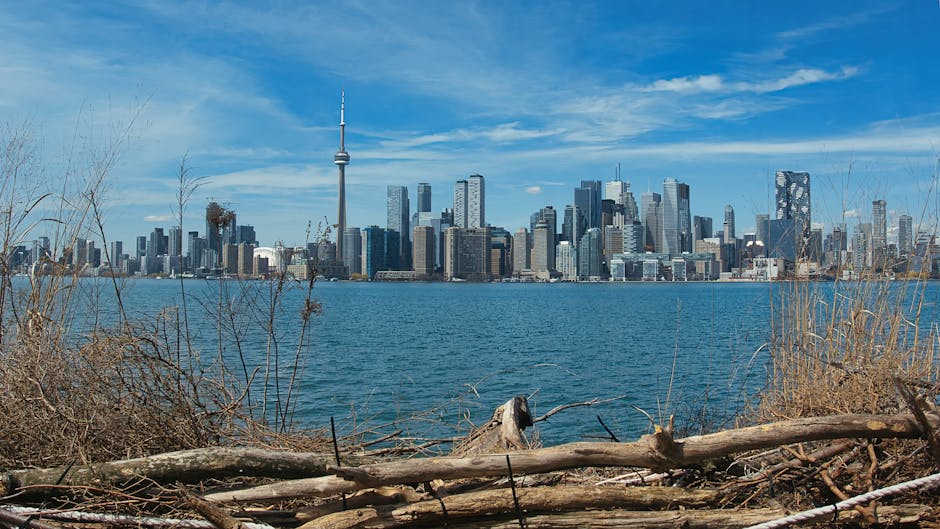
Toronto museums rank among the finest in North America, making Canada’s largest city one of the continent’s most exciting cultural destinations. From the dinosaur halls of the Royal Ontario Museum to the masterpiece-filled galleries of the Art Gallery of Ontario, from quirky niche collections dedicated to shoes and ceramics to powerful Indigenous cultural experiences, Toronto offers an arts and culture scene that rivals cities many times its size. Whether you are planning your first trip or your fiftieth, this complete guide to Toronto’s arts, culture, and museums will help you make the most of every cultural moment in this remarkable city.
Toronto is home to more than 50 museums, 200 art galleries, and dozens of performing arts venues — a cultural density that has earned it comparisons to London, New York, and Paris. The city’s multiculturalism is its secret weapon: with residents hailing from more than 200 ethnic backgrounds, Toronto’s cultural institutions reflect a truly global perspective. Pair that with a walkable downtown, an efficient transit system, and a calendar packed with festivals, and you have a destination that belongs on every culture lover’s bucket list. If you are still planning your trip, check out our comprehensive Toronto travel guide and our picks for the best time to visit Toronto.
Toronto Museums: The Must-Visit Major Institutions
No guide to Toronto museums would be complete without a deep dive into the city’s flagship institutions. These are the museums that draw millions of visitors each year and consistently appear on best-of lists around the world. Each one could easily fill half a day or more, so plan accordingly — and do not forget to check out our things to do in Toronto guide for help building the perfect itinerary.
Royal Ontario Museum (ROM)
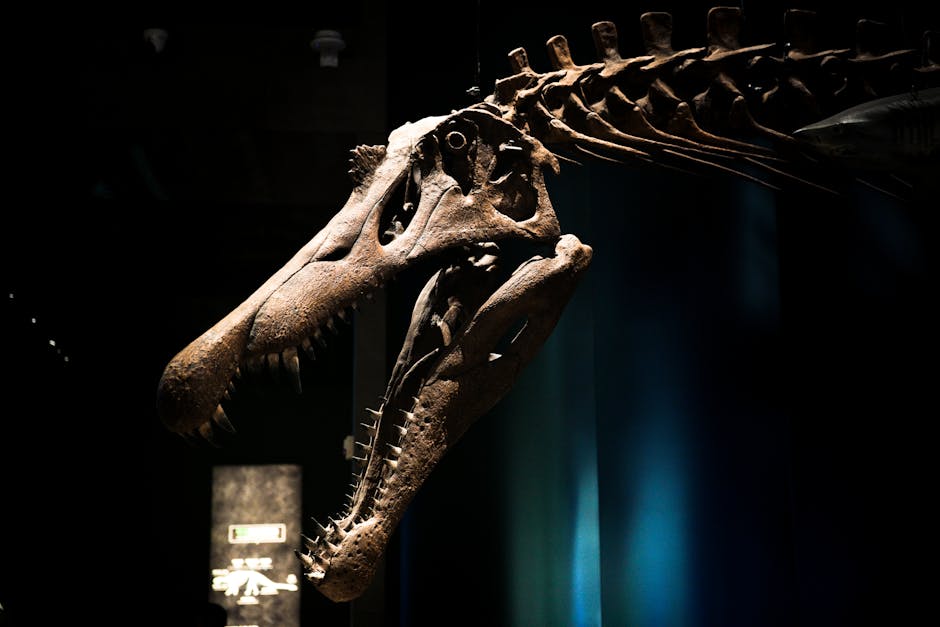
The Royal Ontario Museum is Canada’s largest museum of world cultures and natural history, housing more than 13 million artifacts and specimens spread across 40 galleries. Since its founding in 1914, the ROM has been Toronto’s cultural anchor, and its striking Michael Lee-Chin Crystal — a dramatic glass-and-aluminum addition designed by Daniel Libeskind — has made it one of the most photographed buildings in the city.
Highlights at the ROM include the renowned dinosaur galleries, where towering T. rex and Triceratops skeletons captivate visitors of all ages. The Daphne Cockwell Gallery of Canada: First Peoples showcases the art and culture of Indigenous communities across the country. The Ancient Egypt galleries, the Chinese Temple Art collection, and the gem and mineral hall round out an experience that spans continents and millennia. The ROM also hosts ambitious temporary exhibitions — recent blockbusters have explored everything from ancient Rome to the science of biodiversity.
Location: 100 Queens Park, Toronto (Bloor-Yorkville neighbourhood, steps from Museum subway station)
Hours: Open daily 10 AM — 5:30 PM (extended hours on Fridays until 8:30 PM)
Admission: Adults from approximately $23; youth (4-17) from $16; children under 4 free. Free admission on the third Tuesday of every month from 4:00 PM to 8:30 PM. PRESTO cardholders save 15%.
Pro tip: Arrive when doors open at 10 AM to beat the crowds, especially on weekends. The ROM is one of the top Toronto attractions and a must for families visiting Toronto with kids.
Art Gallery of Ontario (AGO)
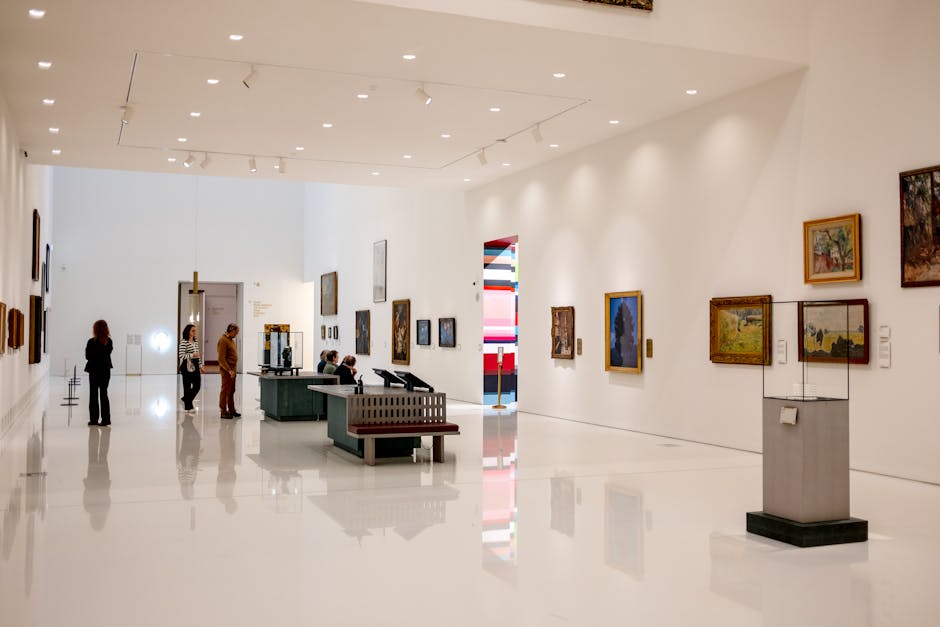
The Art Gallery of Ontario is one of the largest art museums in North America, with a collection of more than 120,000 works spanning the first century to the present day. Its 2008 renovation by Frank Gehry — who grew up just blocks away — transformed the building into a light-filled masterpiece, crowned by the stunning Galleria Italia, a 600-foot-long corridor of Douglas fir and glass that has become an architectural icon.
The AGO’s Canadian collection is unmatched, with the world’s largest holdings of works by the Group of Seven, Tom Thomson, and other pillars of the Canadian art canon. The Thomson Collection alone includes more than 2,000 works of Canadian art, plus an extraordinary collection of European old masters. International galleries feature masterpieces by Rembrandt, Monet, Picasso, and Warhol. The Henry Moore Sculpture Centre houses the world’s largest public collection of works by the British sculptor. The AGO also maintains a growing commitment to Indigenous art and contemporary works from around the globe.
Location: 317 Dundas Street West, Toronto (Art Gallery of Ontario Way, near Chinatown and the Entertainment District)
Hours: Tuesday and Thursday 10:30 AM — 5 PM; Wednesday and Friday 10:30 AM — 9 PM; Saturday and Sunday 10:30 AM — 5:30 PM; closed Monday
Admission: Adults $30; youth (6-17) $15; visitors 25 and under with valid Ontario ID enjoy free admission. Free general admission every Wednesday from 6 PM to 9 PM.
Pro tip: Wednesday evening free admission is extremely popular. Arrive by 5:30 PM to beat the line and enjoy the galleries with fewer crowds before the rush.
Ontario Science Centre
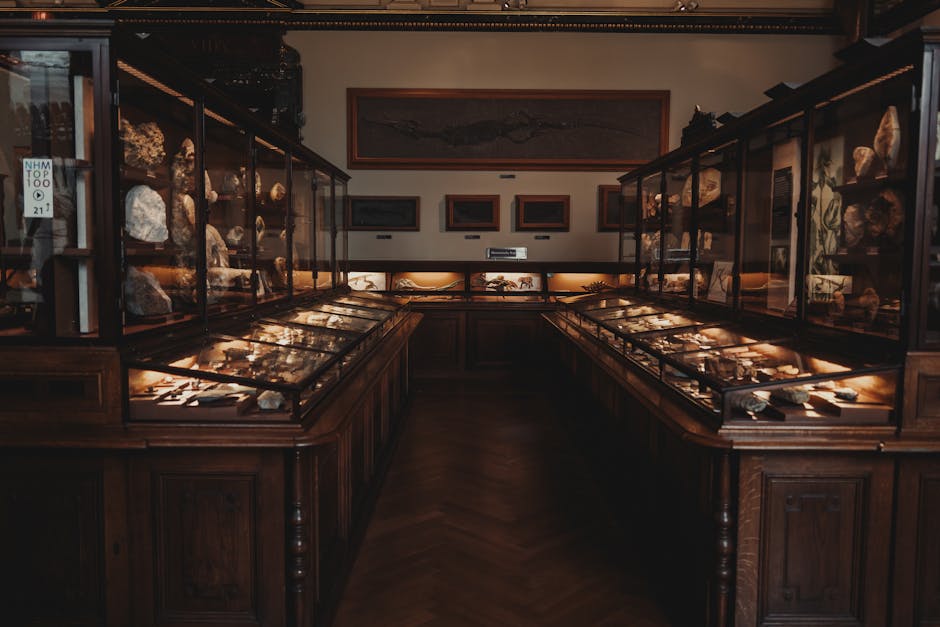
The Ontario Science Centre has been sparking curiosity and wonder since 1969, making it one of the world’s pioneering interactive science museums. While the original Don Mills location closed in 2024 for a major transformation, the Science Centre has launched exciting interim programming — including KidSpark at Harbourfront Centre, which features hands-on exhibits designed for young explorers. A brand-new, state-of-the-art facility is under construction at Ontario Place, with a projected opening that will bring nearly 400,000 square feet of cutting-edge science exhibits to Toronto’s waterfront.
The Science Centre’s legacy of interactive learning continues through pop-up exhibits and outreach programs across the city. When the new facility opens, it will feature entirely new galleries exploring climate science, artificial intelligence, space exploration, and the human body. For families visiting Toronto, the Science Centre remains an essential stop — check the official website for the latest programming updates and locations.
Current status: Interim programming at Harbourfront Centre and other locations while the new Ontario Place facility is under construction
Pro tip: Follow the Ontario Science Centre on social media for announcements about pop-up exhibits and special events. Visit our Toronto with kids guide for more family-friendly ideas.
Unique & Niche Toronto Museums Worth Exploring
Beyond the big three, Toronto is packed with specialty museums that celebrate everything from footwear to ceramics to Islamic art. These smaller institutions offer intimate, focused experiences that often end up being the highlight of a Toronto trip. Several of them are within walking distance of each other along the Bloor Street cultural corridor.
Bata Shoe Museum
The Bata Shoe Museum is one of the most delightfully unexpected Toronto museums you will ever visit. Housed in a striking Raymond Moriyama-designed building shaped like a shoebox, it contains more than 14,000 shoes and related artifacts spanning 4,500 years of history. From ancient Egyptian sandals to Elton John’s towering platform boots, the collection reveals how footwear has shaped fashion, culture, and identity throughout human history.
The museum’s spring 2026 exhibition, “Unearthing Vindolanda: Footwear from the Edge of the Roman Empire,” opens May 7 and features over 100 artifacts from a Roman fort near Hadrian’s Wall. Permanent galleries explore themes like Arctic footwear, celebrity shoes, and the craftsmanship behind traditional footwear from around the world. For a deeper look, read our dedicated guide to the Bata Shoe Museum and Toronto’s unique niche museums.
Location: 327 Bloor Street West (at St. George subway station)
Hours: Wednesday to Saturday 10 AM — 5 PM; Sunday 12 PM — 5 PM; Thursday open until 8 PM
Admission: Adults $14; seniors $12; students $8; children (5-17) $5; pay-what-you-can on Thursdays from 5-8 PM
Aga Khan Museum
The Aga Khan Museum is the first museum in North America dedicated to Islamic art and culture, and its architecture alone is worth the visit. Designed by Pritzker Prize-winning architect Fumihiko Maki, the luminous white granite building sits within a formal garden designed by landscape architect Vladimir Djurovic. Together with the adjacent Ismaili Centre (designed by Charles Corwin), the complex is one of the most beautiful architectural ensembles in Toronto.
Inside, the museum’s permanent collection of more than 1,000 objects — spanning rare manuscripts, ceramics, textiles, metalwork, and scientific instruments from the 8th century to the present — tells the story of Muslim civilizations’ artistic and intellectual contributions to the world. Temporary exhibitions are consistently outstanding, and the museum’s performing arts programming brings world-class musicians and artists from across the Islamic world to Toronto stages. Learn more in our complete guide to the Aga Khan Museum.
Location: 77 Wynford Drive, North York (accessible via the Don Mills bus from Pape subway station)
Hours: Tuesday to Sunday 10 AM — 5:30 PM; Wednesday until 8 PM; closed Monday
Admission: Adults $20; seniors $15; students $12; children 6-13 $10; under 6 free; free admission on Wednesdays from 4 PM to 8 PM
Gardiner Museum
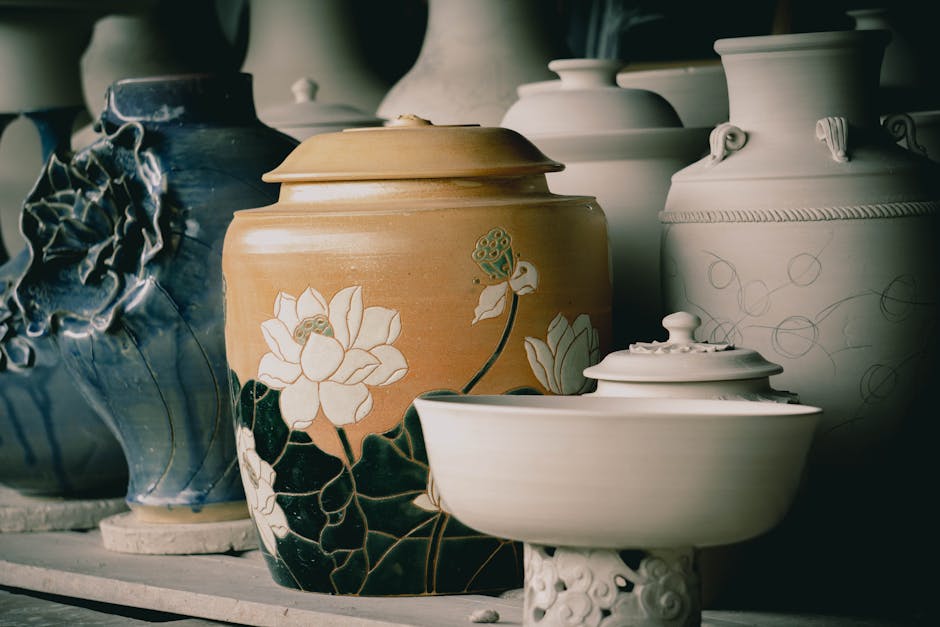
Located directly across the street from the ROM, the Gardiner Museum is North America’s only museum dedicated exclusively to ceramic art. Its collection of more than 4,000 objects spans 3,000 years and includes stunning examples of pre-Columbian pottery, Italian Renaissance maiolica, English Delftware, 18th-century European porcelain, and contemporary ceramic sculpture.
The museum underwent a major ground-floor transformation in 2025, reimagining its entrance and first-floor galleries to create a more welcoming and immersive visitor experience. The Gardiner also offers popular hands-on clay workshops where visitors can try their hand at pottery — a perfect activity for a rainy Toronto afternoon. For all the details, visit our guide to the Gardiner Museum.
Location: 111 Queens Park, Toronto (directly across from the ROM)
Hours: Monday to Friday 10 AM — 5 PM; Saturday and Sunday 10 AM — 5 PM; Friday open until 9 PM
Admission: Adults $15; seniors $11; students $9; free for visitors 18 and under; half-price admission on Fridays from 4 PM to 9 PM
More Niche Museums to Discover
- Textile Museum of Canada — Located at 55 Centre Avenue, this gem houses over 15,000 textiles from more than 200 regions worldwide. Rotating exhibitions explore themes from traditional weaving to contemporary fibre art. Admission: adults $15, pay-what-you-can on Wednesdays.
- Museum of Contemporary Art (MOCA) Toronto — Housed in a converted aluminum factory in the Junction Triangle, MOCA showcases thought-provoking contemporary art from Canadian and international artists. Reopening May 15, 2026 with new installations. Adults $14; free for visitors 18 and under; free Fridays 5-9 PM.
- Toronto Railway Museum — At Roundhouse Park near the CN Tower, this free museum features vintage locomotives, a working turntable, and miniature train rides in summer.
- Design Exchange (DX) — Canada’s only museum dedicated to design, located in the beautifully restored former Toronto Stock Exchange building at 234 Bay Street.
- Hockey Hall of Fame — While primarily a sports museum, its stunning collection of trophies, memorabilia, and interactive exhibits makes it a cultural institution in its own right.
- Toronto History Museums — The city operates 10 historic house museums and sites, including Fort York National Historic Site, Spadina Museum, and Todmorden Mills. All offer free admission year-round.
- Evergreen Brick Works — A former industrial quarry transformed into a community environmental centre with heritage buildings, farmers’ markets, and art installations in the Don Valley.
Toronto Art Galleries & Contemporary Art Scene
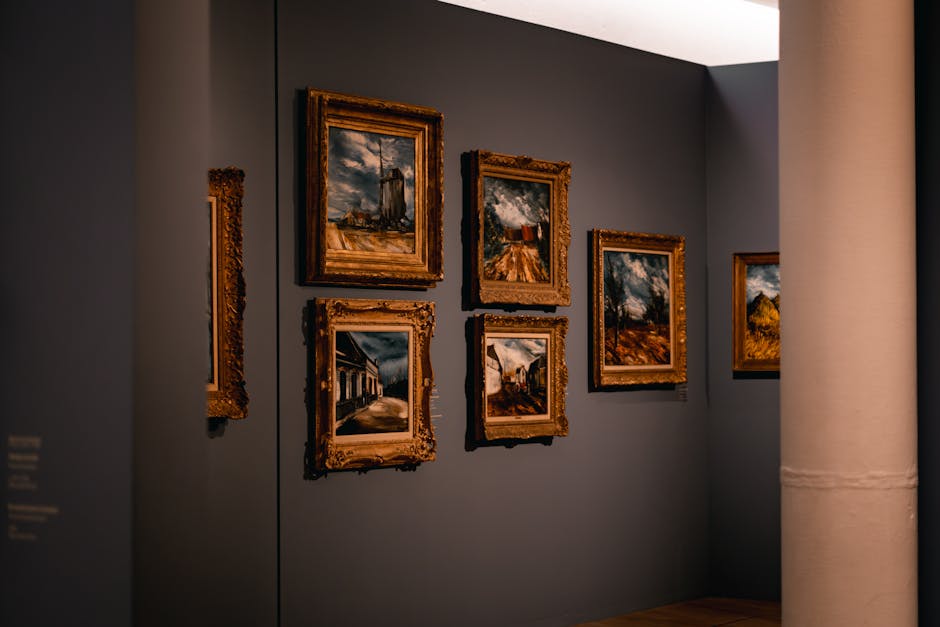
Toronto’s gallery scene extends far beyond the AGO. The city is home to hundreds of commercial galleries, artist-run centres, and public art spaces that make it one of North America’s most vibrant contemporary art markets. Whether you prefer blue-chip galleries or scrappy artist-run spaces, Toronto delivers. For a comprehensive tour, see our full guide to art galleries and street art in Toronto.
Key Gallery Districts
Dundas West / Ossington Corridor: This stretch has become ground zero for Toronto’s contemporary art scene. Galleries like MKG127, Daniel Faria Gallery, and Erin Stump Projects showcase emerging and mid-career Canadian and international artists. The neighbourhood buzzes with openings on Thursday evenings.
Queen Street West / West Queen West: The original gallery strip remains a cultural powerhouse. Clint Roenisch Gallery, Cooper Cole, and Mulherin anchor the western stretch. Closer to University Avenue, the Power Plant Contemporary Art Gallery at Harbourfront Centre is one of Canada’s leading public galleries dedicated to contemporary art — and admission is always free.
Distillery District: This beautifully preserved collection of Victorian industrial buildings houses numerous galleries, including the renowned Corkin Gallery, alongside studios, restaurants, and shops. The pedestrian-only streets make gallery-hopping a pleasure. The Distillery District is also one of the best Toronto neighbourhoods to explore on foot.
Yorkville / Bloor Street: For high-end and blue-chip galleries, head to Yorkville, where you will find Mira Godard Gallery, Roberts Gallery, and Loch Gallery showcasing established Canadian and international artists alongside investment-grade works. This upscale neighbourhood also offers some of the city’s finest shopping and dining.
Notable Public Art Spaces
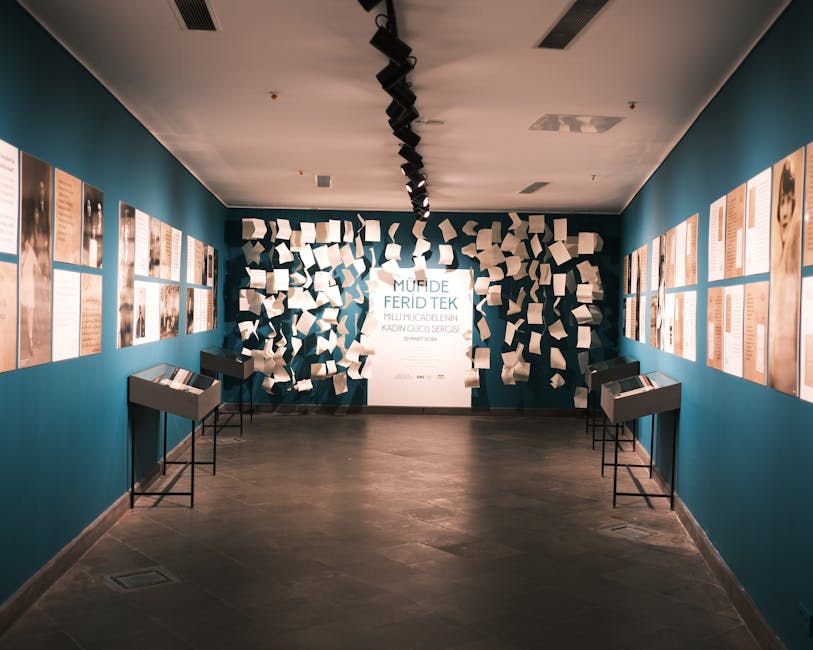
- The Power Plant Contemporary Art Gallery — Free admission, world-class rotating exhibitions at Harbourfront Centre
- OCAD University Graduate Gallery — Features cutting-edge work by emerging artists at one of Canada’s leading art and design universities
- Toronto Sculpture Garden — An outdoor gallery in the heart of the city featuring rotating commissioned works
- Nuit Blanche Toronto — The city’s annual all-night contemporary art festival transforms public spaces into massive art installations every autumn
- Art Gallery of York University (AGYU) — A critically acclaimed university gallery with ambitious exhibition programming
Street Art & Murals: Toronto Museums Without Walls
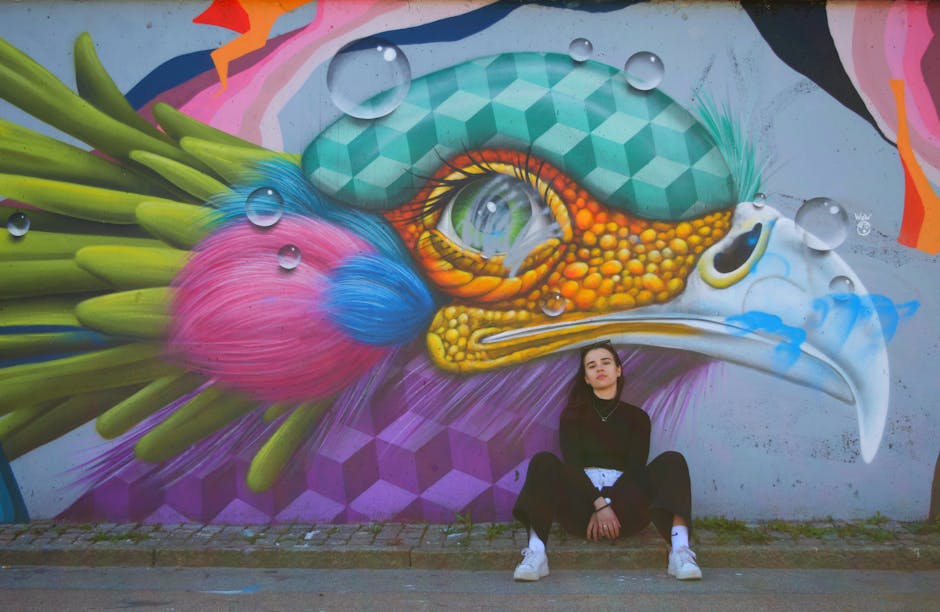
Some of the best art in Toronto is not behind museum walls — it is painted on them. Toronto has embraced street art as a legitimate cultural form, and the result is a city where vibrant murals, thought-provoking stencils, and massive public art installations brighten neighbourhoods from the waterfront to the northern suburbs.
Graffiti Alley (Rush Lane)
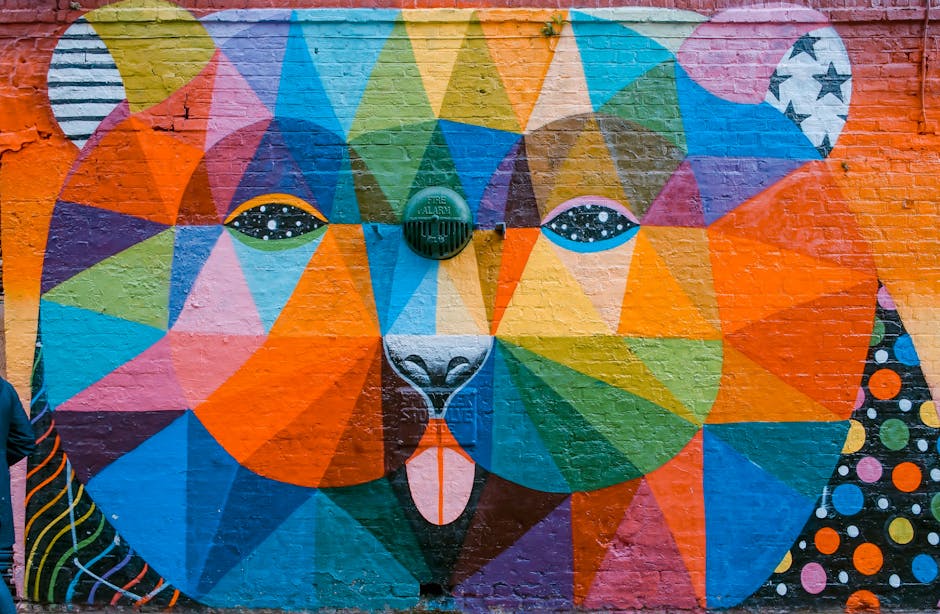
Graffiti Alley is Toronto’s most famous open-air art gallery. Stretching over half a mile south of Queen Street West between Spadina Avenue and Portland Street, this ever-changing corridor of murals, tags, and large-scale works has been an organic expression of the city’s creative energy since the 1990s. Once considered vandalism, the art here gradually gained recognition and is now celebrated as one of Toronto’s must-see cultural experiences.
Look for Uber5000’s iconic tribute to Toronto, featuring local symbols from the Blue Jays and raccoons to Gord Downie and the Sam the Record Man sign. The alley is free to visit 24/7 and is best explored during daylight hours for photography. Guided street art tours are available for visitors who want the stories behind the works.
More Street Art Hotspots
- Kensington Market — Every wall, door, and alleyway in this bohemian neighbourhood is a canvas. The murals here reflect the community’s multicultural roots and activist spirit.
- Parkdale — The hidden street art of Parkdale rewards curious walkers with murals exploring themes of community, displacement, and resilience.
- The Underpass Park — Beneath the elevated expressway in the East End, this park features sanctioned street art, skate infrastructure, and community gathering spaces.
- Queen West / Ossington — Murals by internationally recognized street artists adorn building sides throughout this creative corridor.
- Junction Triangle — Home to MOCA, this neighbourhood has become a magnet for large-scale murals and public art installations.
- Cabbagetown — Features Toronto’s first laneway “healing corridor,” with Indigenous medicinal gardens and murals based on Indigenous healing stories.
Indigenous Experiences & Cultural Sites in Toronto
Toronto sits on the traditional territory of many nations, including the Mississaugas of the Credit, the Anishnabeg, the Chippewa, the Haudenosaunee, and the Wendat peoples. The city’s commitment to honouring Indigenous art and culture has deepened significantly in recent years, and visitors will find meaningful Indigenous cultural experiences woven throughout Toronto’s museums, galleries, and public spaces. For a complete exploration, see our dedicated guide to Indigenous experiences and cultural sites in Toronto.
Indigenous Art in Major Museums
The ROM’s Daphne Cockwell Gallery of Canada: First Peoples presents a powerful collection of Indigenous art and artifacts, with interpretation guided by Indigenous perspectives. The AGO has significantly expanded its Indigenous art holdings, with dedicated gallery spaces showcasing both historical and contemporary Indigenous works. The Gardiner Museum features Indigenous ceramic traditions, and the Textile Museum of Canada includes important collections of Indigenous textiles.
Indigenous Galleries & Cultural Spaces
- Art Gallery of Ontario — J.S. McLean Centre for Indigenous and Canadian Art — Dedicated galleries foregrounding Indigenous artistic voices
- Native Canadian Centre of Toronto — Offers cultural programs, art exhibitions, and community events on Spadina Road
- Harbourfront Centre — Regular Indigenous programming including performing arts, visual art exhibitions, and the annual Indigenous Arts Festival
- Toronto Inukshuk Park — Features a 30-foot Inukshuk by Kellypalik Qimirpik, created from mountain rose granite to commemorate Youth Day in 2002
- Fort York National Historic Site — Explores the history of Indigenous peoples on this land through dedicated programming and interpretive exhibits
- Humber River Healing Corridor — The “Reclamate the River” mural project, led by Cree Metis artist Jason Baerg, features murals depicting natural elements and Indigenous languages
Toronto Theatre & Performing Arts
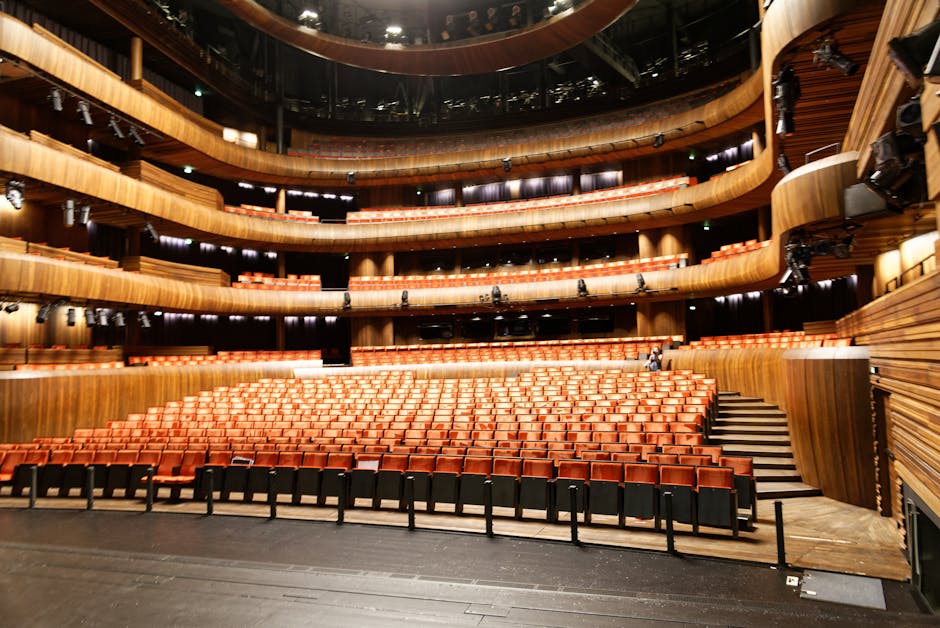
Toronto is the third-largest English-speaking theatre market in the world, after London and New York. The city’s theatre district — concentrated along King Street West and in the Entertainment District — hosts everything from blockbuster Broadway touring productions to intimate fringe performances. Whether you are a devoted theatregoer or catching your first show, Toronto delivers world-class performing arts experiences.
Major Theatre Companies & Venues
Mirvish Productions is the dominant force in Toronto’s commercial theatre scene, operating four venues: the Princess of Wales Theatre, the Royal Alexandra Theatre, the CAA Ed Mirvish Theatre, and the CAA Theatre. The 2026-27 Mirvish season features 24 productions across its four stages, including The Karate Kid (September-November 2026), Mamma Mia!, Hell’s Kitchen (the Alicia Keys musical), and Inside the Wreck of the Edmund Fitzgerald, a moving theatrical experience using the songs of Gordon Lightfoot.
Canadian Stage operates out of the Bluma Appel Theatre at the St. Lawrence Centre for the Arts and the outdoor amphitheatre in High Park, where the popular Shakespeare in High Park runs each summer — an essential outdoor activity for culture lovers.
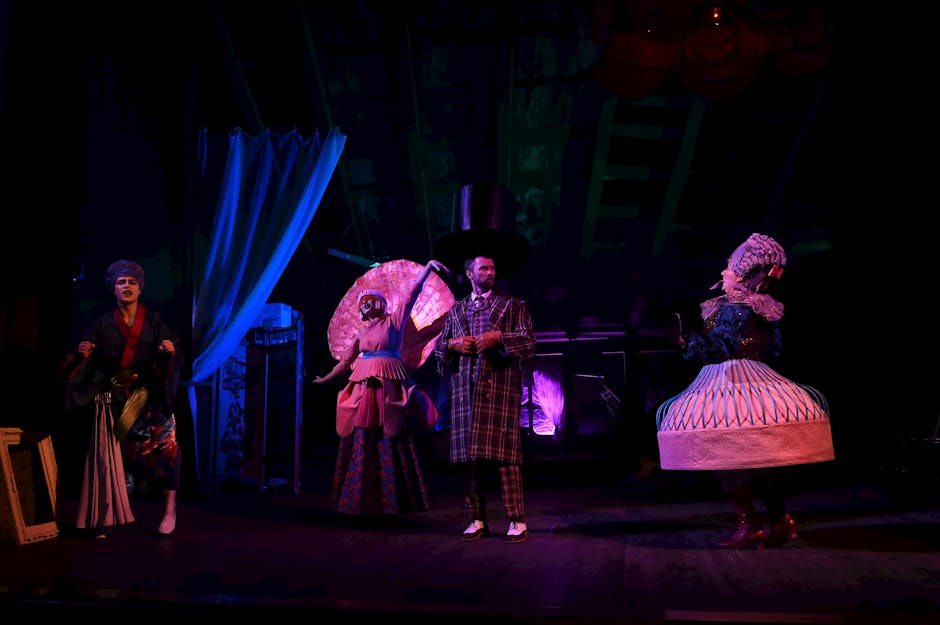
Soulpepper Theatre Company, based at the Young Centre for the Performing Arts in the Distillery District, is one of Canada’s most celebrated theatre companies, known for innovative productions of classic and contemporary works. Other notable companies include Tarragon Theatre (new Canadian plays), Factory Theatre (exclusively Canadian work), Buddies in Bad Times (queer-focused theatre), and Theatre Passe Muraille (community-engaged work).
Dance & Opera
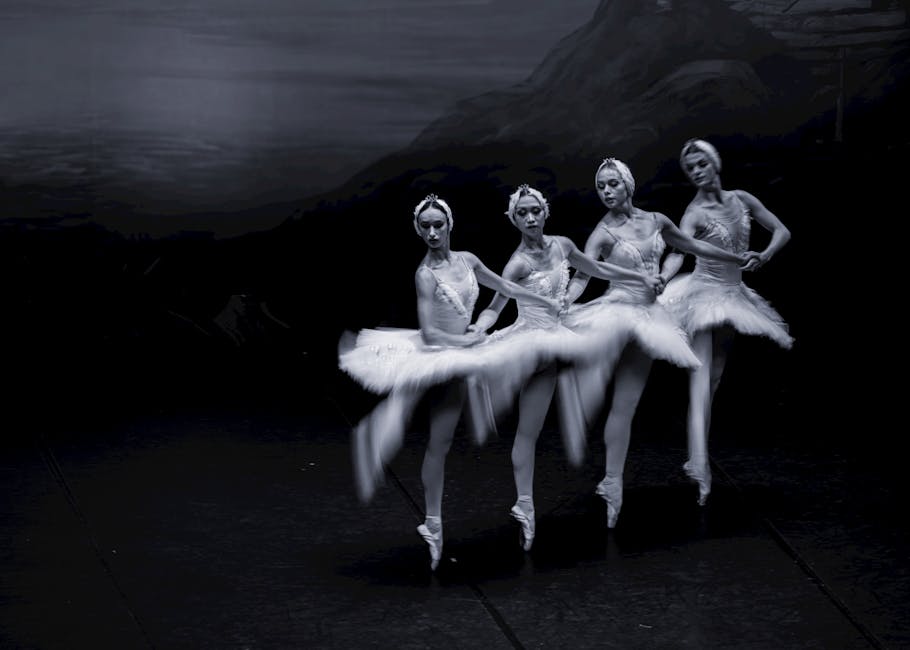
The National Ballet of Canada performs at the Four Seasons Centre for the Performing Arts, a stunning purpose-built opera house designed by Diamond Schmitt Architects. The company’s annual production of The Nutcracker is a beloved Toronto holiday tradition. The Canadian Opera Company shares the Four Seasons Centre and presents a season of grand opera productions with world-class singers. Toronto Dance Theatre and Fall for Dance North festival expand the city’s dance programming throughout the year.
Toronto Music Scene: From Jazz Clubs to Concert Halls
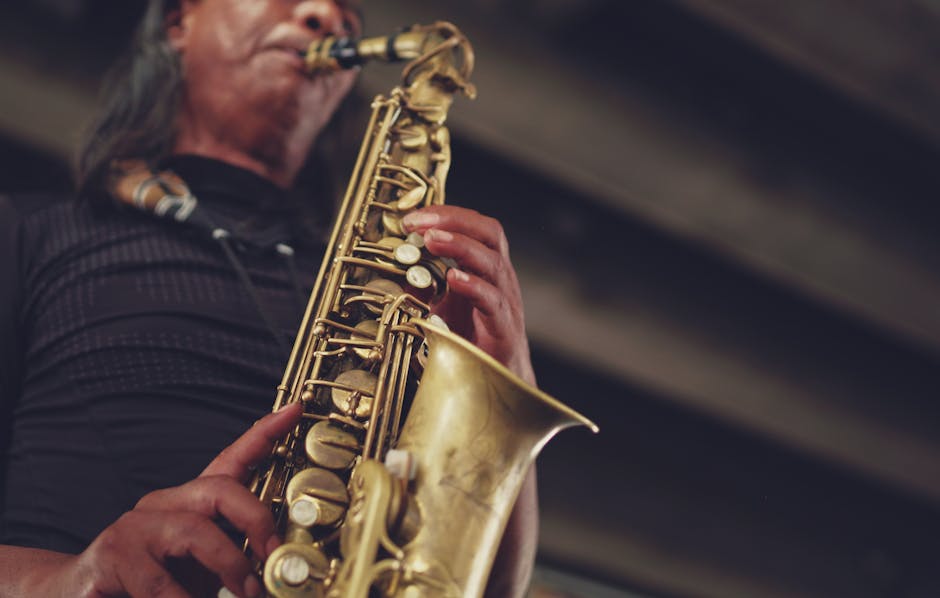
Toronto’s music scene is one of the most diverse in the world, having launched the careers of Drake, The Weeknd, Rush, Glenn Gould, and countless others. From intimate jazz clubs to massive arena shows, from classical performances to underground electronic nights, the city pulses with live music every night of the week. For the full story, explore our complete Toronto music scene guide, and check out our nightlife guide for late-night options.
Classical & Concert Halls
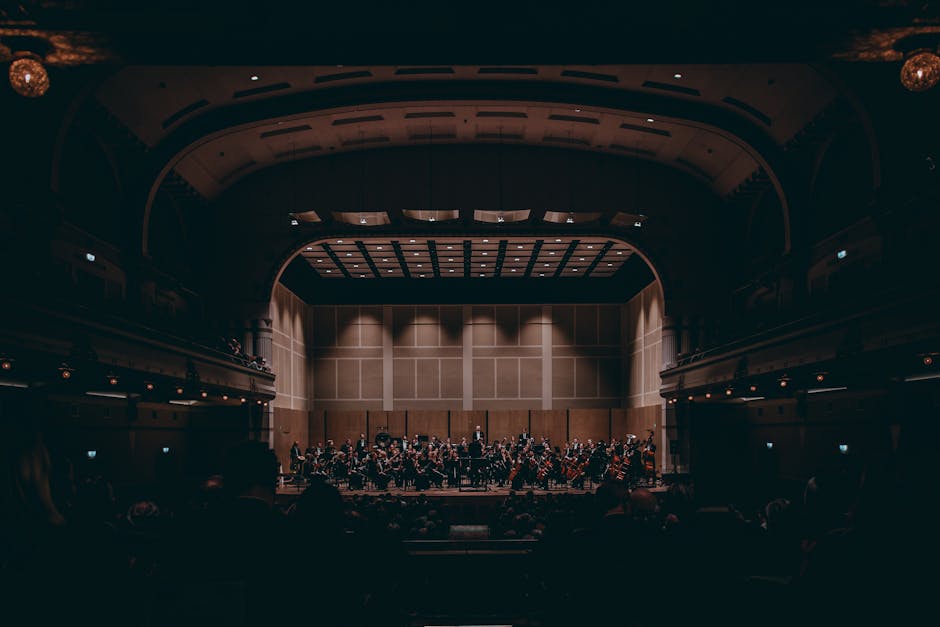
Roy Thomson Hall is home to the Toronto Symphony Orchestra (TSO), one of Canada’s premier orchestras. The hall’s distinctive curved glass design by Arthur Erickson is a landmark in the Entertainment District. Massey Hall, freshly restored after a major renovation, is one of Canada’s most storied concert venues, with over 125 years of legendary performances. Koerner Hall at the Royal Conservatory of Music offers an intimate, acoustically superb setting for classical, jazz, and world music performances.
Live Music Venues
- The Rex Hotel Jazz and Blues Bar — Toronto’s premier jazz club, with live music 7 nights a week on two stages
- The Horseshoe Tavern — A legendary Queen West venue that has launched countless Canadian music careers since 1947
- Lee’s Palace / The Dance Cave — A Bloor Street institution for indie and alternative music
- The Cameron House — An intimate Queen West bar with nightly live music and deep roots in Toronto’s alt-country and roots scene
- Budweiser Stage — Toronto’s premier outdoor amphitheatre at Ontario Place, hosting major touring acts in summer
- Scotiabank Arena — The city’s largest indoor venue for concerts and major sporting events
- History / Rebel — Two connected venues on the waterfront offering mid-size concert experiences
Toronto Film & TV Culture: Hollywood North
Toronto is known as “Hollywood North” for good reason. The city has been a major film and television production hub since the late 1970s, doubling as New York, Chicago, and dozens of other cities on screen. On any given day, you might stumble upon a film shoot while walking through the Financial District, the Distillery District, or the University of Toronto campus. For the complete guide to spotting filming locations, see our Toronto film and TV filming locations guide.

Major productions filmed in Toronto in recent years include The Boys, The Handmaid’s Tale, Suits, Ginny & Georgia, and Cry Wolf (featuring Olivia Colman and Brie Larson, filming in 2026). Pinewood Toronto Studios is Canada’s largest film and television production complex, with the largest purpose-built sound stage in North America.
Film Culture Experiences
- TIFF Bell Lightbox — The year-round home of the Toronto International Film Festival, with five cinemas, exhibitions, and daily screenings of art-house and independent films
- Toronto International Film Festival (TIFF) — One of the world’s most prestigious film festivals, held every September. TIFF regularly premieres Oscar-winning films and attracts Hollywood’s biggest stars. Check our Toronto events and festivals guide for dates.
- Hot Docs Ted Rogers Cinema — A dedicated documentary cinema in the Annex neighbourhood, also home to the annual Hot Docs documentary film festival
- Hollywood North Experience Tour — A guided walking tour of Toronto’s most famous filming locations, from Suicide Squad to The Handmaid’s Tale
- Cinesphere at Ontario Place — The world’s first permanent IMAX theatre, a Toronto landmark since 1971
Cultural Festivals: Celebrating Toronto’s Diversity
Toronto’s multicultural identity comes alive through its extraordinary calendar of cultural festivals. From massive summer events that take over entire neighbourhoods to intimate winter celebrations, there is always something to experience. These festivals are among the best events in Toronto and many of them are completely free.
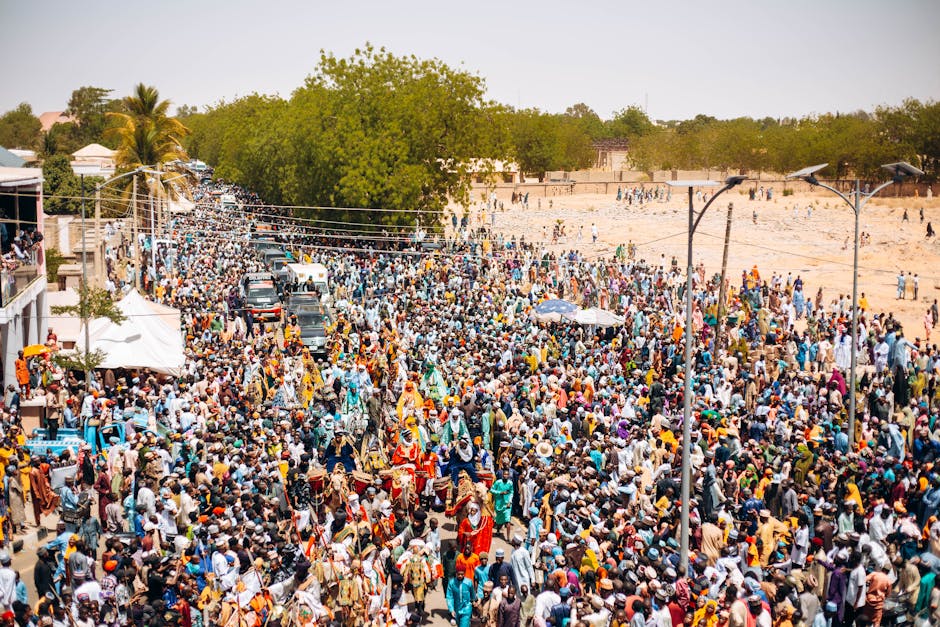
- Nuit Blanche (October) — Toronto’s annual all-night contemporary art festival transforms the city into a massive open-air art gallery, with hundreds of installations, performances, and projections. Free admission, sunset to sunrise.
- Caribana / Toronto Caribbean Carnival (July-August) — One of North America’s largest cultural festivals, culminating in a spectacular parade of mas bands, costumes, and soca music along Lake Shore Boulevard.
- Luminato Festival (June) — Toronto’s international arts festival featuring multidisciplinary performances, installations, and exhibitions at venues across the city.
- TD Toronto Jazz Festival (June) — Ten days of world-class jazz performances at outdoor stages, concert halls, and clubs throughout downtown Toronto.
- Toronto Fringe Festival (July) — Over 150 shows across multiple venues in the Annex neighbourhood, celebrating independent theatre, dance, and performance art.
- Doors Open Toronto (May) — A free annual event where hundreds of architecturally, historically, and culturally significant buildings open their doors to the public.
- Indigenous Arts Festival (June) — Hosted at Harbourfront Centre, this festival celebrates Indigenous music, dance, visual art, film, and storytelling.
- Contact Photography Festival (May) — The world’s largest annual photography festival, with exhibitions in galleries, museums, and public spaces across the city.
- Toronto Biennial of Art — A free international contemporary art event featuring site-specific installations across the city’s waterfront and urban spaces.
Free Cultural Experiences in Toronto
One of the best things about Toronto’s arts and culture scene is how much of it you can enjoy for free. From permanently free museums to weekly free-admission windows at the city’s top institutions, budget-conscious culture lovers will find plenty to fill their days.
Always Free
- All 10 Toronto History Museums — Including Fort York National Historic Site, Spadina Museum, Colborne Lodge, Gibson House Museum, Mackenzie House, Market Gallery, Montgomery’s Inn, Scarborough Museum, Todmorden Mills, and Zion Schoolhouse
- The Power Plant Contemporary Art Gallery — World-class contemporary art at Harbourfront Centre
- Toronto Sculpture Garden — Rotating commissioned sculptures in the heart of downtown
- Toronto Railway Museum — Free general admission at Roundhouse Park
- Graffiti Alley and street art — Toronto’s most vibrant outdoor gallery is open 24/7
- Public art installations — From the CN Tower area to Nathan Phillips Square, art is everywhere
Free Admission Windows
- AGO — Free every Wednesday 6-9 PM; free for visitors 25 and under with Ontario ID at all times
- ROM — Free on the third Tuesday of every month, 4-8:30 PM
- MOCA — Free every Friday 5-9 PM; free for visitors 18 and under at all times
- Bata Shoe Museum — Pay-what-you-can every Thursday 5-8 PM
- Gardiner Museum — Half-price Fridays 4-9 PM; free for visitors 18 and under
- Aga Khan Museum — Free every Wednesday 4-8 PM
- Textile Museum of Canada — Pay-what-you-can on Wednesdays
Toronto Museums Passes & Money-Saving Tips
Visiting multiple Toronto museums can add up quickly, but there are several smart ways to save. Here are the best options for budget-savvy culture enthusiasts:
- Toronto CityPASS — Includes admission to the CN Tower, Casa Loma, ROM, AGO, and the Toronto Zoo. Saves approximately 40% compared to buying individual tickets. Valid for 9 consecutive days from first use. Highly recommended if you plan to visit three or more included attractions. Available at citypass.com/toronto.
- PRESTO Card Discounts — Show your PRESTO card at the ROM for 15% off regular admission. Many cultural institutions offer transit-user discounts.
- Free Admission Days Strategy — With careful planning, you can visit the AGO (Wednesday evening), ROM (third Tuesday), MOCA (Friday evening), Aga Khan Museum (Wednesday afternoon), and Textile Museum (Wednesday) all for free in a single week.
- Student and Youth Discounts — Most Toronto museums offer significant discounts for students with valid ID. The AGO is free for all Ontario residents 25 and under.
- Library Museum Passes — Toronto Public Library cardholders can borrow free passes to several museums and attractions through the Museum + Arts Pass program.
- Groupon and discount sites — Check for periodic deals on museum admissions, especially during off-peak seasons.
- Hotel packages — Many Toronto hotels offer arts and culture packages that bundle museum admission with accommodation. See our where to stay in Toronto guide for recommendations.
Best Toronto Neighbourhoods for Arts & Culture
Toronto’s cultural experiences are spread across the city, but certain neighbourhoods stand out as cultural hotspots. Here is where to focus your time, depending on your interests. For a deeper dive into each area, explore our Toronto neighbourhoods guide.
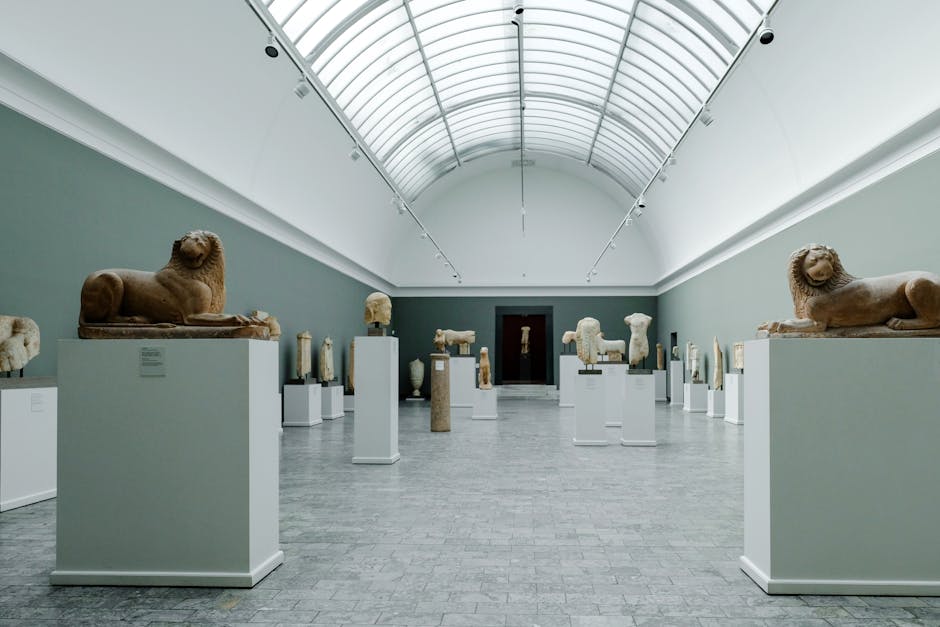
Bloor-Yorkville / Museum Row: The ROM, Gardiner Museum, Bata Shoe Museum, and Royal Conservatory of Music are all within a five-minute walk of each other along Bloor Street. Add in Yorkville’s high-end galleries and you have Toronto’s densest cultural corridor. Walk it from end to end and you will pass through some of the city’s most beautiful architecture.
Entertainment District / King West: This is Toronto’s theatre heartland, home to all four Mirvish venues, Roy Thomson Hall, TIFF Bell Lightbox, and the Design Exchange. It is also the centre of Toronto’s nightlife. Before or after a show, the neighbourhood offers dozens of restaurants — check our Toronto food guide for top picks.
Queen West / Ossington: The gallery capital of Toronto, with dozens of contemporary art spaces, plus Graffiti Alley, MOCA (in nearby Junction Triangle), and the Cameron House music venue. The area also offers some of the best independent shopping in Toronto.
Distillery District: Beautifully preserved Victorian industrial architecture houses galleries, artisan shops, restaurants, and performance spaces. The annual Toronto Christmas Market and the Luminato Festival both use this photogenic neighbourhood as a key venue.
Harbourfront / Waterfront: The Power Plant gallery, Harbourfront Centre’s year-round arts programming, the Toronto Railway Museum, and the Cinesphere at Ontario Place make the waterfront a cultural destination in its own right. It is also a wonderful outdoor area for walking and cycling.
Kensington Market / Chinatown: Bohemian, eclectic, and endlessly photogenic, Kensington Market is a living cultural experience. Street art covers every surface, vintage shops and galleries dot the narrow streets, and the AGO is just a short walk south on Dundas Street. Getting around between these neighbourhoods is easy — see our getting around Toronto guide.
Seasonal Cultural Highlights in Toronto
Toronto’s cultural calendar shifts with the seasons, and each time of year brings its own special experiences. Here is what to prioritize depending on when you visit:
Spring (March — May)
- Doors Open Toronto (May) lets you explore normally restricted heritage buildings for free
- Contact Photography Festival (May) turns the entire city into a photo gallery
- Spring exhibition openings at major museums — many institutions launch their biggest shows in April and May
- Cherry blossom season at High Park pairs beautifully with a visit to nearby galleries
Summer (June — August)
- Luminato Festival (June) brings international art and performance to venues across the city
- TD Toronto Jazz Festival fills downtown with world-class music
- Shakespeare in High Park — free outdoor theatre under the stars
- Toronto Fringe Festival (July) showcases independent theatre
- Caribana / Toronto Caribbean Carnival (July-August) — one of North America’s largest cultural celebrations
- Outdoor concerts at Budweiser Stage and Echo Beach
Autumn (September — November)
- Toronto International Film Festival (September) — the most exciting 10 days on the global film calendar
- Nuit Blanche (October) — stay up all night exploring free contemporary art installations across the city
- Fall exhibition season at museums — major new shows debut in September and October
- Mirvish theatre season launches with its biggest productions
Winter (December — February)
- The Nutcracker by the National Ballet of Canada — a beloved holiday tradition at the Four Seasons Centre
- Toronto Christmas Market in the Distillery District — festive lights, artisan vendors, and live entertainment
- Winter museum-hopping is a perfect way to escape the cold — queue up a string of free-admission days
- Holiday programming at the ROM, AGO, and other major museums
- Toronto Light Festival at the Distillery District (January-March) — free outdoor light art installations
Planning Your Toronto Museums & Culture Trip: Practical Tips
- Book ahead for major exhibitions — Blockbuster shows at the ROM and AGO can sell out, especially on weekends. Timed-entry tickets are increasingly common.
- Wear comfortable shoes — Toronto’s museums are large and you will do a lot of walking. The ROM alone can take 3-4 hours if you explore thoroughly.
- Use the TTC — Most major museums are easily accessible by subway. Museum station serves the ROM, Gardiner, and Bata Shoe Museum; St. Patrick station serves the AGO. See our getting around Toronto guide.
- Check for closures — Many museums close on Mondays. Plan accordingly to avoid disappointment.
- Download museum apps — The ROM and AGO both offer excellent mobile apps with self-guided audio tours included in the price of admission.
- Combine culture with food — Many Toronto museums have excellent on-site restaurants. The AGO’s FRANK restaurant and the Aga Khan Museum’s Diwan are particularly noteworthy. See our Toronto food guide for more.
- Allow enough time — Do not try to cram too many museums into one day. Two major institutions per day is a comfortable pace.
- Consider guided tours — Walking tours focused on street art, architecture, or gallery districts add context and insider knowledge that enhances the experience.
Experience the Best of Toronto’s Arts & Culture
Toronto museums, galleries, theatres, and cultural festivals offer a depth and diversity of experience that few cities in the world can match. Whether you are standing before a Group of Seven masterpiece at the AGO, wandering the colourful corridors of Graffiti Alley, watching a world premiere at TIFF, or discovering the ancient art of Muslim civilizations at the Aga Khan Museum, you are engaging with a city whose cultural confidence grows stronger every year.
The best way to experience Toronto’s arts and culture scene is to leave room for discovery. Plan your must-see museums, but also wander the gallery strips, duck into artist-run spaces, catch a last-minute theatre ticket, and let the city surprise you. Toronto rewards curiosity — and there is always something new to find.
Ready to plan the rest of your trip? Explore our guides to things to do in Toronto, where to stay, where to eat, and how to get around. For the complete picture, start with our Toronto travel guide.
Leave a Reply