Spread across 287 hectares in eastern Toronto along the Rouge River valley, the Toronto Zoo is Canada’s largest zoo and one of the most significant zoological institutions in North America. With more than 3,000 animals representing over 300 species across seven distinct zoogeographic regions, 10 kilometres of walking trails, and a dedicated conservation research program that has helped recover endangered species across multiple continents, the Toronto Zoo rewards visitors who plan ahead. This guide breaks down ticket prices and hours, the exhibits worth prioritising on a property this size, how to get out there by car or transit, where to eat, and what families should plan for — plus the questions that come up most before a first visit. The zoo also sits among the city’s essential Toronto attractions for anyone travelling with kids.
For up-to-date official information, see the Toronto Zoo’s official Plan Your Visit page.
Toronto Zoo Quick Facts
The Toronto Zoo is located at 2000 Meadowvale Road in Scarborough, in the eastern part of the city alongside the protected lands of Rouge National Urban Park. The zoo opened on August 15, 1974, and is one of just five zoos in Canada accredited by the Association of Zoos and Aquariums (AZA), the international gold standard for zoological care.
The zoo is organised into seven major zoogeographic pavilions and outdoor habitats: Indo-Malaya, Africa, Americas, Tundra Trek, Australasia, Eurasia, and the Canadian Domain. The grounds total 287 hectares (710 acres) — making the Toronto Zoo physically larger than most North American zoos by a substantial margin. Allow a full day to see most of it on foot, or save your steps with the optional Zoomobile shuttle that loops the major exhibits.
Toronto Zoo Hours & Tickets in 2026
Hours of Operation
The Toronto Zoo is open daily year-round, with seasonal hours that adjust to daylight. Summer hours (May through early September) typically run 9 a.m. to 7 p.m., with the last entry approximately 60 minutes before closing. Spring and fall hours typically run 9:30 a.m. to 6 p.m. Winter hours (November through early March) typically run 9:30 a.m. to 4:30 p.m. Confirm current hours at torontozoo.com before your visit, as they shift seasonally.
The zoo is closed only on Christmas Day. Many indoor pavilions stay open year-round regardless of weather, making the zoo a workable option even in winter.
Ticket Prices
Toronto Zoo tickets use dynamic pricing — the price changes based on the day, time of year, and how far in advance you book. Adult general admission typically ranges from approximately $25 to $35 depending on these factors, with senior, youth (4–12), and child pricing structured below. Children 3 and under enter free.
Booking online in advance is consistently cheaper than walk-up rates, and weekday tickets are usually 15–25% less expensive than weekend tickets. Annual zoo memberships ($110–$215 depending on tier) pay for themselves after roughly three to four visits and include unlimited admission, parking discounts, member-only events, and reciprocal access to many North American zoos through AZA member benefits.
Toronto CityPASS
The Toronto CityPASS bundles the CN Tower and Ripley’s Aquarium with your choice of three more from the ROM, Casa Loma, the Toronto Zoo, the Art Gallery of Ontario and the seasonal City Cruises tour. It comes with mobile delivery and 9-day flexibility. For visitors planning to see several of the bundled attractions, the CityPASS can work out cheaper than buying each ticket separately; compare the current price on citypass.com.
Parking
The zoo has its own large paid parking lot at $15–$20 per car. Members receive parking discounts. The lot rarely fills, even on busy summer Saturdays. Drop-off areas near the front gates handle ride-share and taxi traffic.
How to Get to the Toronto Zoo
The Toronto Zoo is east of downtown in Scarborough, requiring a longer transit trip than most other major Toronto attractions but reachable by public transit or car.
By Subway and Bus
Take the Bloor-Danforth (Line 2) subway to Kennedy Station, then transfer to the 86A Scarborough bus, which runs directly to the zoo’s main entrance. The total transit trip from downtown takes approximately 60–75 minutes. Buses run roughly every 20 minutes during the day; the schedule increases on summer weekends.
By Car
From downtown, take the Don Valley Parkway north to Highway 401 east, exit at Meadowvale Road, and follow signs to the zoo. The drive takes 35–45 minutes depending on traffic. Highway 401 is reliably congested during rush hour; plan to leave before 8 a.m. on weekdays.
Free Toronto Zoo Shuttle
On select summer Saturdays, the zoo runs a free shuttle from Don Mills subway station for non-driving visitors. Check torontozoo.com for the current shuttle schedule.
What to See at the Toronto Zoo
With seven zoogeographic regions to choose from, planning is essential to avoid trying to see everything and exhausting yourself. Most visitors prioritise three or four anchor exhibits and skim the rest.
Tundra Trek
The zoo’s Tundra Trek exhibit recreates the Canadian Arctic with a multi-acre habitat for polar bears, Arctic wolves, snowy owls, and reindeer. The polar bears are the headliners — the exhibit’s glass-walled underwater viewing gallery lets you watch the bears swim from inches away. Best viewing times are mornings before the bears head to their dens for naps. Tundra Trek is fully outdoor, so weather affects animal activity significantly.
African Savanna
The 10-acre African Savanna section features expansive habitats for African elephants, white lions, Masai giraffes, plains zebras, and warthogs in habitats that mimic East African grasslands. The giraffe-feeding station (a paid add-on at $5–$10 per person) lets visitors hand-feed the giraffes lettuce and is one of the zoo’s most popular special experiences.
Indo-Malaya Pavilion
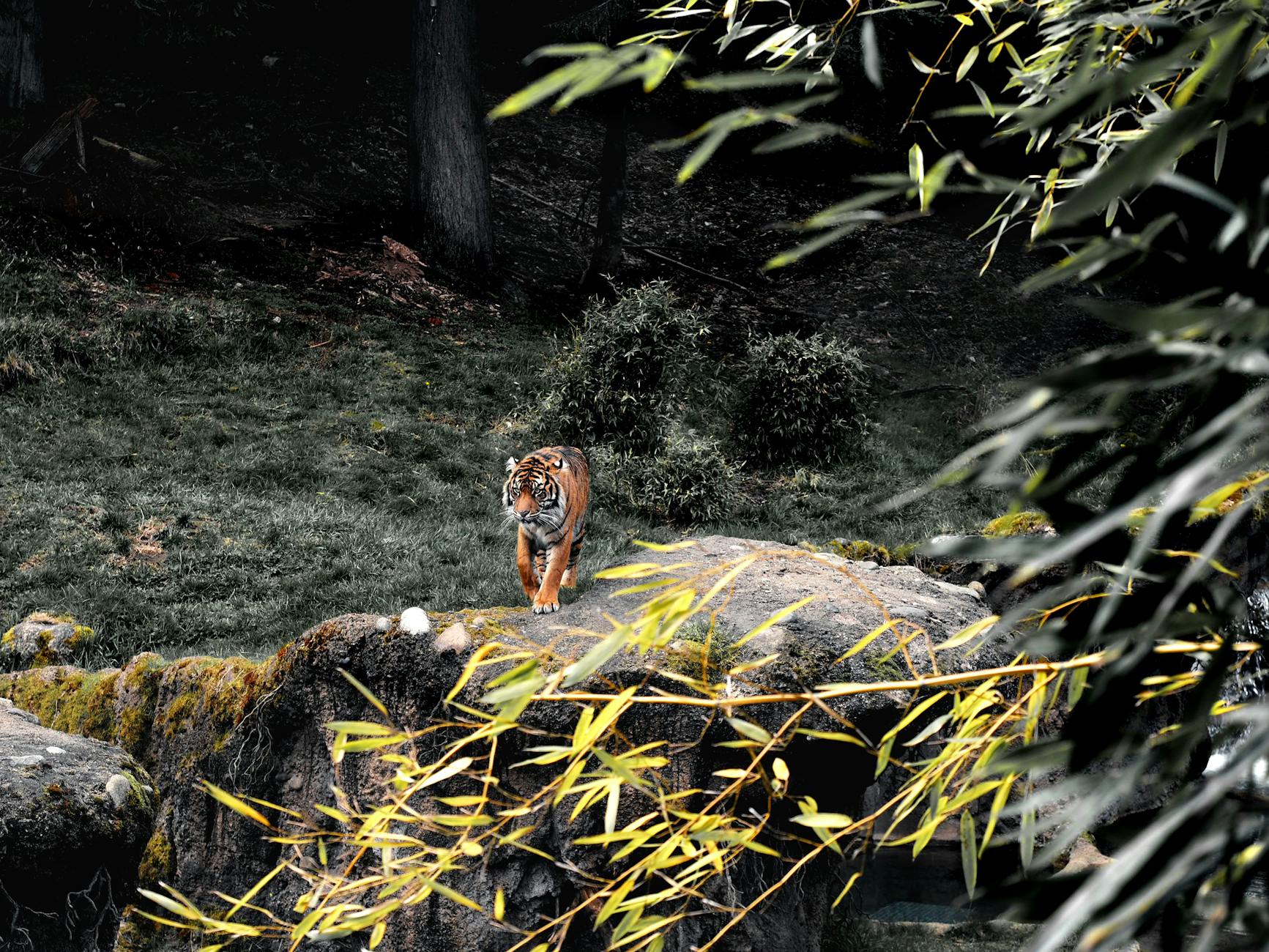
The climate-controlled Indo-Malaya pavilion recreates a tropical Asian rainforest at full humidity (sometimes uncomfortably so — dress accordingly). Highlights include critically endangered Sumatran orangutans (the zoo runs an internationally recognised orangutan conservation program), Sumatran tigers, Indian rhinoceroses, and the gharial — a fish-eating crocodile native to South Asia. The pavilion is a must-see in any season but particularly welcome in winter.
Americas Pavilion
The Americas section spans the western hemisphere from northern Canada through to South American jungles. Indoor pavilions house jaguars, capybaras, two-toed sloths, and Amazonian fish; outdoor habitats include grizzly bears and bald eagles. The Mayan Temple section is a particular highlight for kids.
Australasia
The Australasian Pavilion features kangaroos and wallabies in a walk-through habitat (one of the few zoos in North America where you can walk among free-ranging kangaroos), plus Tasmanian devils and koalas (subject to occasional inter-zoo loan rotations). The walk-through kangaroo enclosure is a memorable experience for first-time visitors.
Eurasia & the Canadian Domain
The Eurasia exhibits include snow leopards, Persian leopards, and Bactrian camels. The Canadian Domain — reached via a separate trail down the Rouge River valley — features moose, woodland caribou, and bison in spacious natural-style habitats. The Canadian Domain takes about 45 minutes round-trip and is a quieter, more nature-walk experience compared to the main zoo loop.
Discovery Zone & Splash Island
The zoo’s Discovery Zone is the dedicated children’s area with a small petting zoo, the Kids Zoo with farm animals, and Splash Island — a free splash-pad water park (open seasonally May through September). Splash Island is one of the most beloved family stops on the property.

Best Time to Visit the Toronto Zoo
Best Time of Day
Arrive at opening (9 or 9:30 a.m. depending on season) for the most active animals and the smallest crowds. Many species are most active in the cooler morning hours and retreat to dens, water features, or shade during the heat of the day. The last 90 minutes before closing also offer cooler temperatures, more animal activity, and rapidly thinning crowds.
Best Time of Year
Late spring (mid-April through early June) and early autumn (September through mid-October) hit the sweet spot of mild weather, active animals, and lighter crowds. Summer (July–August) brings the largest crowds but also the most special programming, evening events, and the open Splash Island. Winter visits work but require warm clothing — outdoor exhibits remain open, but the indoor pavilions become correspondingly more important.
Best Day of the Week
Tuesday, Wednesday, and Thursday are consistently the quietest days. Mondays in summer can be busier with school groups; weekends bring families and tour groups.
Special Animal Activity Times
Download the Toronto Zoo mobile app on arrival for real-time animal feeding times, keeper talks, and special daily presentations. Most outdoor predators (lions, polar bears, tigers, wolves) become noticeably more active at scheduled feeding times. The keeper-led “Behind the Scenes” talks at the orangutan and elephant exhibits are particular highlights.
Toronto Zoo with Kids: Family Tips
The Toronto Zoo is one of Toronto’s most family-friendly attractions. Children typically gravitate to the polar bears, the giraffe-feeding station, the walk-through kangaroo habitat, the orangutan exhibit, and the Discovery Zone’s petting area. Splash Island is the family highlight during summer.
Practical Family Logistics
Strollers and wagons are available for rent at the entrance on a first-come basis ($12–$25 depending on type). Multiple baby-changing facilities are scattered throughout the property. Restrooms are roughly every 500 metres along the main loop. The Zoomobile (the zoo’s electric shuttle, with a separate small fee) is a practical way to save little legs on the larger property.
What to Pack
Comfortable walking shoes (you’ll easily cover 5–10 km in a full day), sun protection, weather-appropriate layers (the zoo is mostly outdoors), refillable water bottles (water-bottle filling stations throughout), and a light backpack for snacks. Picnic tables are located throughout the property — outside food is welcomed and routinely brought by visiting families.
Animal Encounters & Camp Programs
Beyond standard admission, the zoo offers paid “Wild Encounters” experiences (small-group keeper-led visits with specific animals like cheetahs, polar bears, or rhinos — tickets approximately $50–$200 per person depending on species). Summer camp programs run weekly throughout July and August for kids 4–15.
For the rest of a kid-focused trip, our guide to Toronto with kids covers where else to go.
Where to Eat at the Toronto Zoo
On-Site Dining
The zoo has multiple full-service dining options scattered along the main loop, plus quick-service stands and snack carts. The flagship is Caribou Cafe near the front gate, with full menus, hot meals, and cold drinks; the Conservation Cafe near Tundra Trek and the African Savanna BBQ both offer mid-priced casual options. For families who prefer to pack lunch, multiple shaded picnic areas are positioned throughout the grounds.
Vegetarian and vegan options are available at most counter-service locations. Allergy information is posted on menus — the zoo uses a food allergy management program backed by accreditation.
Picnic Tips
Outside food is welcomed (no glass containers; no alcohol). The Splash Island picnic area, the Australasia pavilion lawn, and the African Savanna picnic shelters are the most popular packed-lunch spots. Trash and recycling bins are positioned every 100–200 metres.
Toronto Zoo Special Events & Seasonal Programming
Boo at the Zoo (October)
Throughout October weekends, the zoo hosts Boo at the Zoo — a family-friendly Halloween program with trick-or-treat stations, costume contests, themed activities, and Halloween-themed keeper talks. Tickets are typically standard admission with no upcharge.
Terra Lumina (November–January)
The zoo’s Terra Lumina is one of Toronto’s most distinctive winter attractions — a 1.5-kilometre after-dark walk-through of immersive light installations and projections through the zoo grounds. Tickets are sold separately from regular admission, typically running $30–$45 per adult. Sells out on weekend evenings; book ahead.
Dream Night at the Zoo
Each June, the zoo hosts a private complimentary evening for children with serious illnesses and their families — not a public event, but a long-running zoo tradition.
Summer Camp & Education Programs
Beyond family programming, the zoo runs serious educational and conservation programs — school field trip programs, the Wildlife Health Centre’s research, and ongoing reintroduction programs for endangered species including the Vancouver Island marmot, the black-footed ferret, and the wood bison.
Toronto Zoo Conservation Programs
Beyond the public-facing experience, the Toronto Zoo runs one of Canada’s most significant zoological conservation programs. The Wildlife Health Centre and the on-site reproductive science laboratory have helped reintroduce multiple endangered species back into the wild, including the Vancouver Island marmot (rescued from a population of fewer than 30 wild animals), the black-footed ferret, the eastern loggerhead shrike, and the Lake Ontario Atlantic salmon. The zoo’s orangutan conservation work supports field protection projects in Sumatra and Borneo.
For visitors interested in the conservation side of the zoo, the Wildlife Health Centre runs occasional public open-house days; check torontozoo.com for upcoming opportunities.
Accessibility at the Toronto Zoo
The Toronto Zoo is fully wheelchair accessible across most of its main loop. Key features include accessible washrooms, a roughly flat main path with manageable grades, accessible parking near the main gate, and complimentary mobility-device loans. The Canadian Domain trail down to the Rouge Valley involves a steeper grade and is recommended for visitors with strong wheelchairs or walking aids; staff can provide additional information on request.
Service animals are welcome throughout. The zoo’s sensory-friendly mornings, scheduled monthly during the season, offer reduced sound levels, quiet rooms, and modified programming for visitors on the autism spectrum or with sensory sensitivities. Sign language interpretation is available on request for keeper talks with advance notice.
What to See Near the Toronto Zoo
Rouge National Urban Park
The Toronto Zoo abuts Rouge National Urban Park — the largest urban national park in North America at 79.5 square kilometres. The park’s walking trails, interpretive centre, and natural meadow areas make a perfect after-zoo stop in good weather. Free admission to the park.
The Scarborough Bluffs
Twenty minutes south of the zoo, the Scarborough Bluffs are a 90-metre eroded clay escarpment along Lake Ontario. Bluffer’s Park has a small beach, a marina, and dramatic cliff views. A natural pairing with a zoo visit if you have a full day in the east end.
The Toronto Aerospace Museum
For aviation buffs, the Canadian Air & Space Museum is on Pearson Airport’s south side, a 30-minute drive from the zoo. Worth combining only if aviation is a serious interest.
Frequently Asked Questions About the Toronto Zoo
How long does a Toronto Zoo visit take?
Plan a full day (5 to 8 hours) to see most of the major exhibits at a comfortable pace. Families with young children typically spend 4–5 hours before energy flags. Visitors who only want to see the top 3 or 4 exhibits can do a focused 3-hour visit.
How much does the Toronto Zoo cost?
Adult admission ranges from approximately $25–$35 depending on day, season, and how far in advance you book. Children 3 and under are free. The CityPASS lets you include the zoo as one of its five attractions; compare the current price on citypass.com.
Is the Toronto Zoo accessible by transit?
Yes — the 86A Scarborough bus from Kennedy subway station runs directly to the zoo. The transit trip from downtown takes approximately 60–75 minutes.
What animals does the Toronto Zoo have?
Over 3,000 animals across 300+ species, including polar bears, African elephants, Sumatran orangutans, Sumatran tigers, white lions, gorillas, snow leopards, Indian rhinoceroses, kangaroos, koalas, gharials, and Canadian bison.
Does the Toronto Zoo have pandas?
Not currently. The Toronto Zoo previously housed a pair of giant pandas on a multi-year loan from China that ended in 2018; the pandas were transferred to the Calgary Zoo before returning to China. The zoo currently has no plans for another panda loan.
Can you bring food to the Toronto Zoo?
Yes. Outside food is welcomed (no glass, no alcohol). Picnic tables and shaded picnic shelters are positioned throughout the property.
Is the Toronto Zoo open year-round?
Yes. The zoo is open every day except Christmas Day. Many indoor pavilions remain compelling in winter; outdoor exhibits remain open but become weather-dependent for animal activity.
Are pets allowed at the Toronto Zoo?
Service animals are welcome. Other pets are not permitted on zoo grounds.
When do animals come out at the Toronto Zoo?
Most animals are most active early morning (right after opening) and late afternoon (before closing). The mid-day heat in summer reduces activity significantly. Indoor pavilion animals (orangutans, gorillas, tropical species) are typically active throughout the day regardless of weather.
What’s the difference between the Toronto Zoo and Ripley’s Aquarium?
The Toronto Zoo is a 287-hectare outdoor zoo in Scarborough featuring terrestrial and aquatic land animals across 300+ species, requiring a full day. Ripley’s Aquarium of Canada is an indoor 12,500-square-metre marine aquarium downtown, requiring 90 minutes to two hours.
Plan Your Toronto Zoo Visit
The Toronto Zoo rewards visitors who plan ahead. Book online for the best price, target weekday mornings or late spring / early autumn for the best crowds and weather, prioritise three or four anchor exhibits rather than trying to see everything, and pack lunch and water. Families should plan around the Splash Island and Discovery Zone schedule; nature lovers should make time for the Canadian Domain trail. The combination of serious conservation programming, accredited animal care, and the sheer scale of the property makes the Toronto Zoo one of Toronto’s most consistently rewarding family-friendly experiences.
To plan the days around your zoo trip, see the wider guides to Toronto attractions and Toronto’s best things to do.