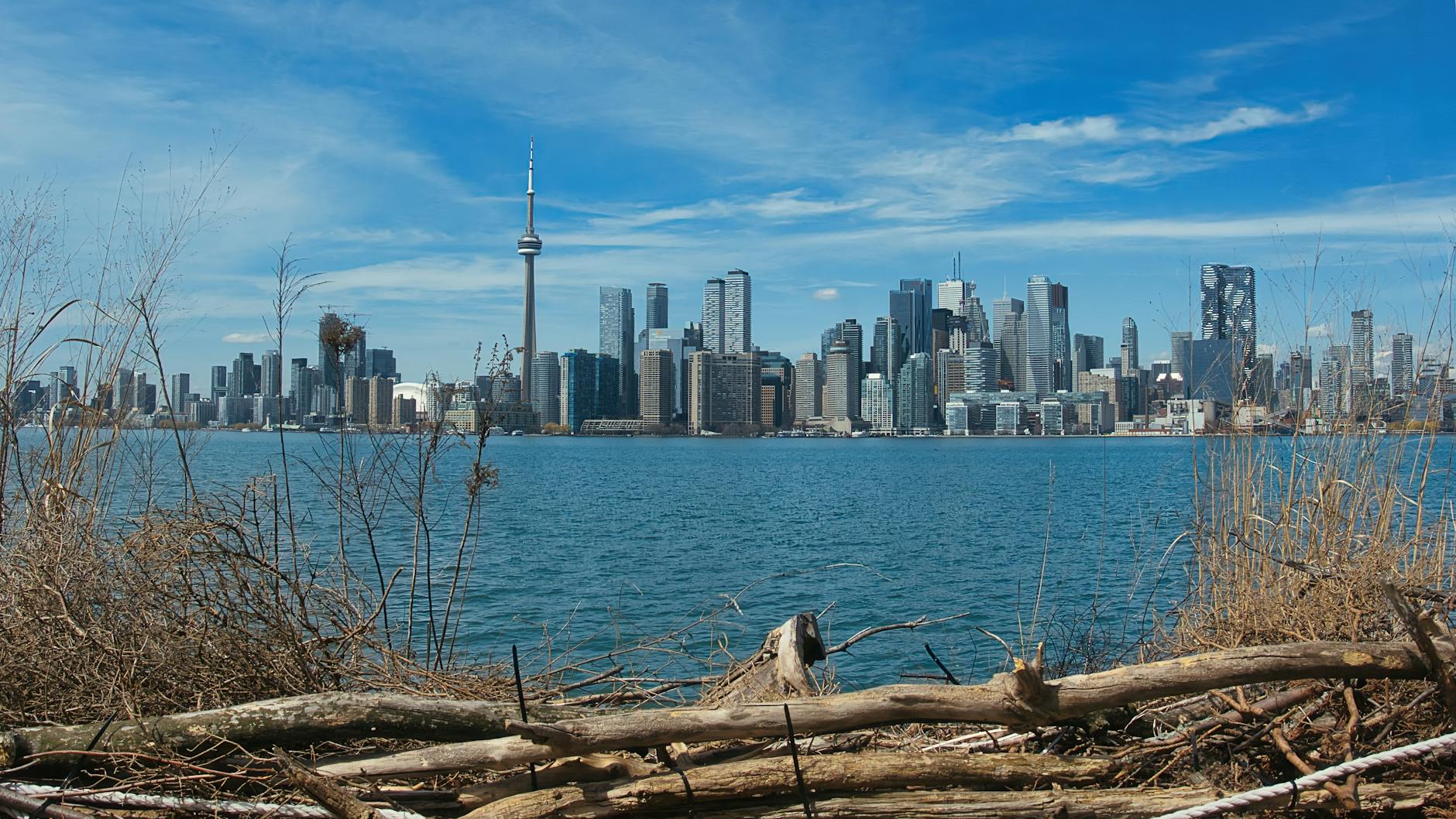
Toronto attractions draw millions of visitors every year, and it is easy to see why. Canada’s largest city packs world-class museums, a soaring observation tower visible from almost anywhere in the Greater Toronto Area, a genuine Gothic Revival castle, thriving markets, and natural wonders into a surprisingly walkable urban landscape. Whether you are planning a first visit or returning for a deeper look, this complete guide to Toronto attractions covers every landmark, museum, park, and hidden gem you need to know in 2026.
From the iconic CN Tower and the Royal Ontario Museum to family favourites like the Toronto Zoo and Ripley’s Aquarium, the city offers experiences for every interest and budget. In this guide we break down the must-see Toronto attractions by category, share insider tips on tickets and timing, and highlight what is new and exciting for 2026 — including the FIFA World Cup, which will bring an entirely new energy to the city this summer.
Iconic Toronto Attractions: The Must-See Landmarks
Certain Toronto attractions define the city’s identity and belong on every visitor’s itinerary. These are the landmarks that appear on postcards, anchor the skyline, and consistently rank among the top things to see in Canada.
CN Tower
Standing 553 metres tall, the CN Tower is the most recognisable of all Toronto attractions and the centrepiece of the city’s skyline. Completed in 1976, it held the record as the world’s tallest freestanding structure for over three decades. Today it remains a must-visit destination with multiple levels of experiences. The main observation level at 346 metres features the famous Glass Floor, where visitors can look straight down to the ground below. One level up, the LookOut Level delivers panoramic views that stretch across Lake Ontario to Niagara Falls on a clear day.
For an elevated experience, the SkyPod observation deck at 447 metres is one of the highest publicly accessible points in the Western Hemisphere. Thrill-seekers can book the EdgeWalk — a hands-free walk around the exterior ledge of the tower’s main pod at 356 metres, making it the world’s highest full-circle hands-free walk. The tower also houses 360 The Restaurant, a revolving fine-dining restaurant that completes a full rotation every 72 minutes, and the world’s highest wine cellar. Adult general admission typically starts around $43 CAD, with the SkyPod and EdgeWalk requiring additional fees.
Casa Loma
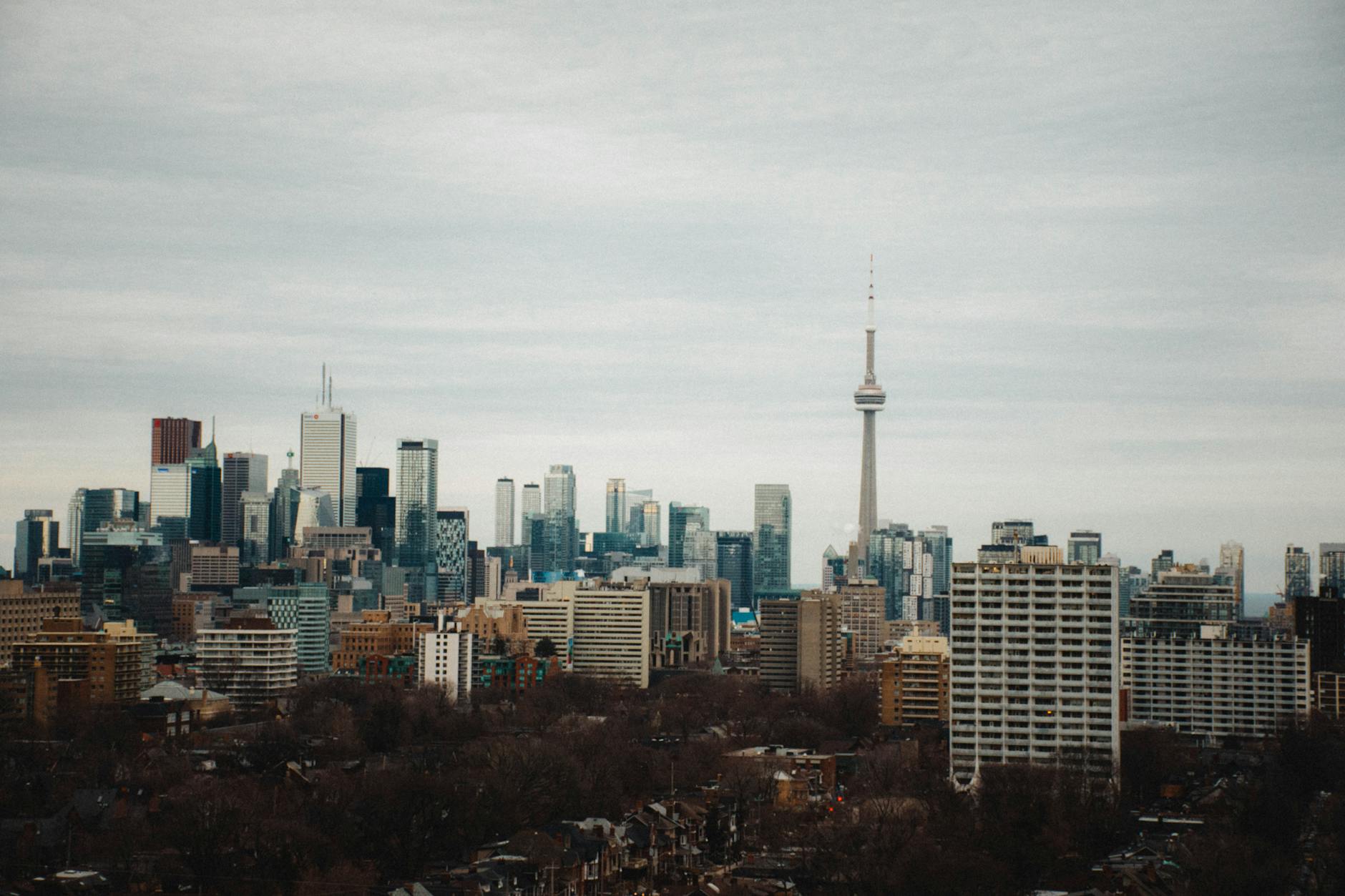
Casa Loma is one of the most unique Toronto attractions — a full-scale Gothic Revival castle right in the middle of the city. Built between 1911 and 1914 by financier Sir Henry Pellatt at a cost of $3.5 million (over $90 million in today’s dollars), this 98-room castle sits on five acres of manicured gardens in the Midtown neighbourhood. The estate features decorated suites, secret passages, an 800-foot underground tunnel connecting to the stables and carriage house, and towers with sweeping views of the Toronto skyline.
Visitors can explore the castle through self-guided audio tours available in multiple languages. The gardens are particularly stunning from May through October, featuring themed sections including the Spring Garden, the Woodland Garden, and the recently restored Estate Garden. Casa Loma also hosts seasonal events throughout the year, including holiday light displays in winter and outdoor cinema screenings in summer. Adult admission is approximately $40 CAD, and the castle is open daily year-round.
Scarborough Bluffs
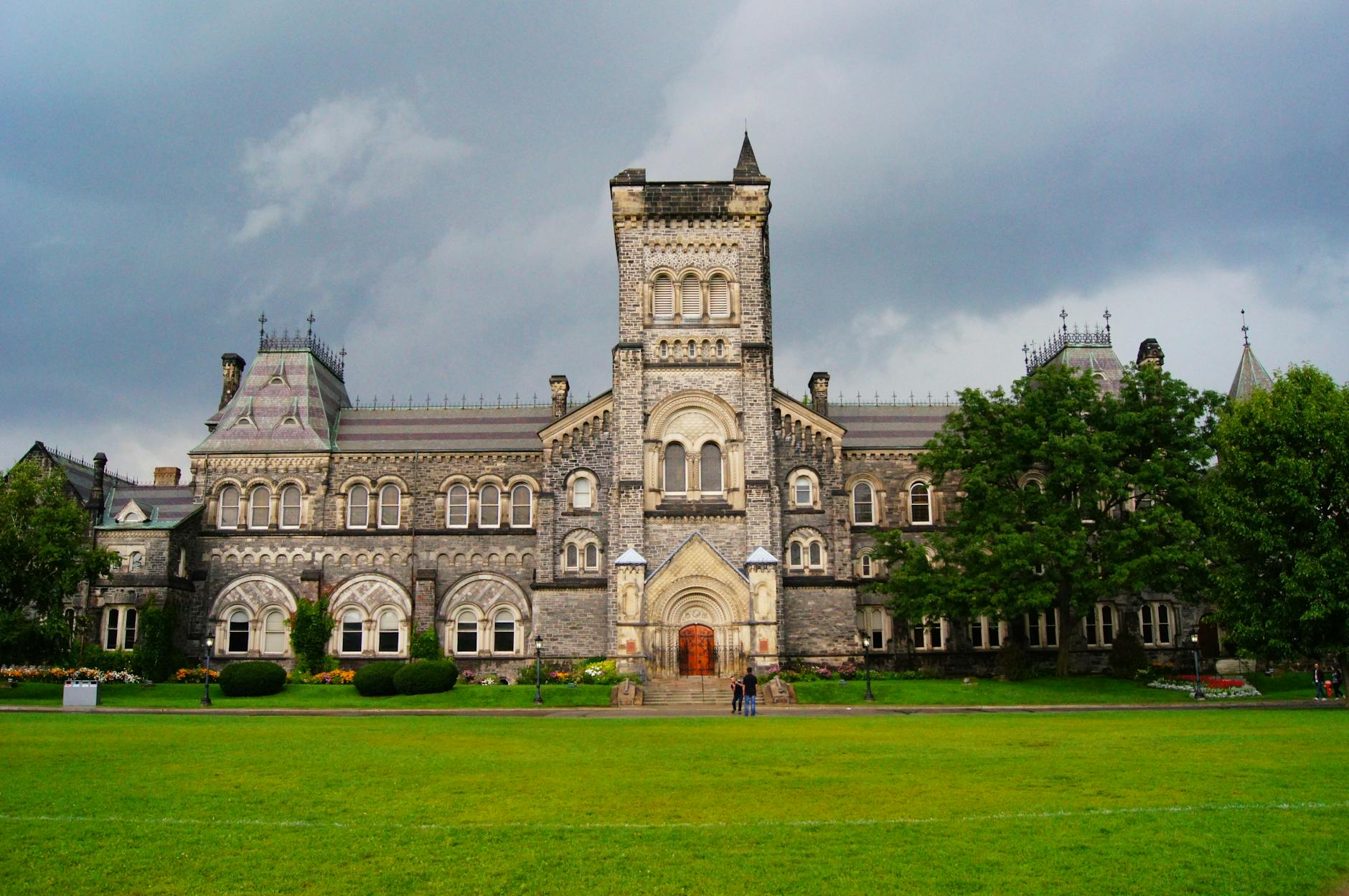
The Scarborough Bluffs are among the most dramatic natural Toronto attractions, though they remain surprisingly under-visited by tourists. These towering cliff formations stretch 15 kilometres along the Lake Ontario shoreline in the city’s east end, rising up to 65 metres above the water. Formed over 12,000 years from layers of glacial sediment, the bluffs create a landscape that looks almost tropical — turquoise water, sandy beaches, and cascading geological formations that seem to belong on a Mediterranean coastline rather than in Canada’s largest city.
Eleven parks run along the bluffs, each offering different experiences. Bluffer’s Park at the base provides a Blue Flag-certified beach and a marina with restaurants. Photographers and hikers are drawn to Cathedral Bluffs Lookout for its jaw-dropping cliff-edge vistas. Guild Park and Gardens features rescued architectural fragments from demolished Toronto buildings scattered across forested grounds. The Doris McCarthy Trail offers a scenic, moderately steep descent to the waterfront. Visitors should note that climbing the bluff face is both dangerous and illegal due to unstable sand and frequent landslides — always stick to marked trails and designated viewpoints.
World-Class Museums: Toronto Attractions for Culture Lovers
Toronto’s museum scene is among the strongest in North America, with institutions that rival those found in New York, London, and Paris. These cultural Toronto attractions offer everything from ancient civilisations and natural history to contemporary art and interactive science exhibits.
Royal Ontario Museum (ROM)
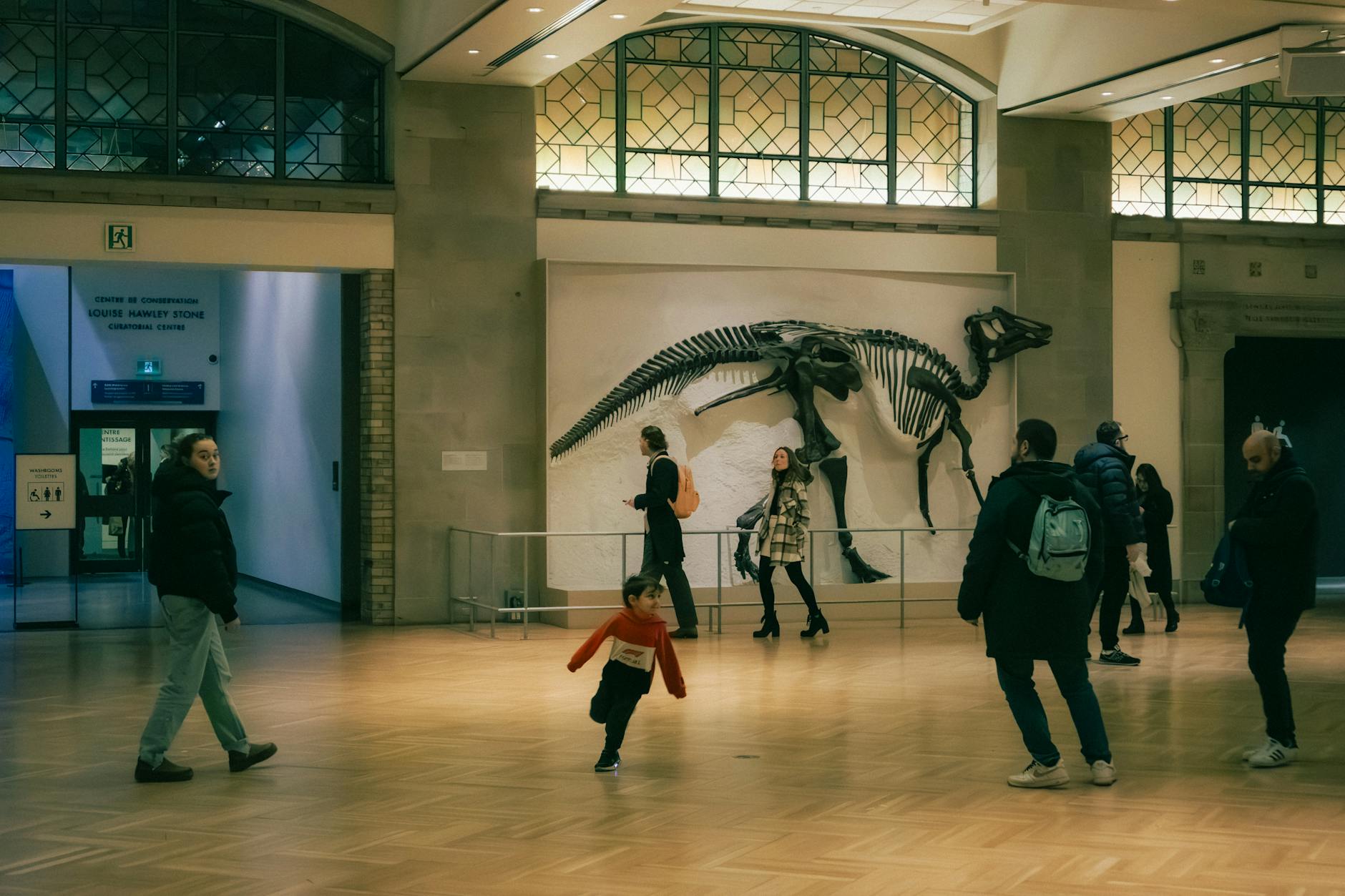
The Royal Ontario Museum is Canada’s largest museum of world cultures and natural history, and it is consistently ranked among the top Toronto attractions for good reason. Located at the intersection of Bloor Street and Queen’s Park, the ROM houses a staggering collection of more than 13 million objects spanning art, culture, and the natural world. The building itself is a landmark — the dramatic Michael Lee-Chin Crystal, a modern crystalline addition designed by Daniel Libeskind, juts out from the original 1914 heritage structure in a striking fusion of old and new architecture.
Inside, highlights include one of the world’s most important collections of dinosaur fossils, the Gallery of Chinese Temple Art featuring massive Buddhist wall paintings, an extensive Egyptian collection with real mummies, and the Bat Cave — a walk-through recreation of a Jamaican bat cave complete with 4,000 replica bats overhead. The museum draws over one million visitors annually and uses a Plan Ahead Pricing model where tickets vary by date and advance purchase. Adult admission starts around $25 CAD when booked early. Budget tip: the ROM offers free admission on the third Tuesday of every month.
Art Gallery of Ontario (AGO)
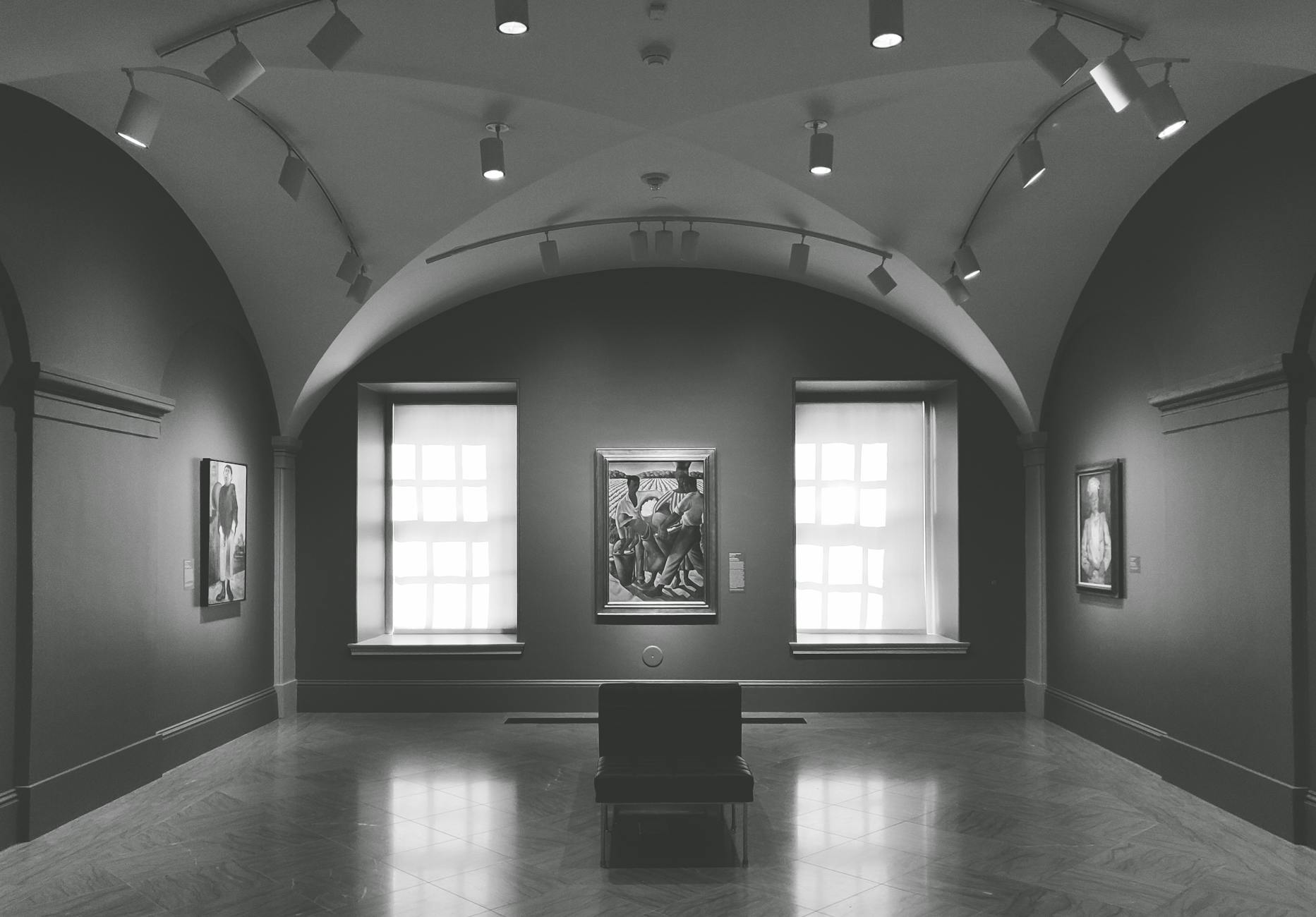
The Art Gallery of Ontario is one of the largest and most distinguished art museums in North America, housing a collection of more than 120,000 works that span from the first century to the present day. Redesigned by world-renowned architect Frank Gehry (a Toronto native), the AGO’s most striking feature is the Galleria Italia — a 183-metre-long glass and Douglas fir corridor that curves along Dundas Street, flooding the interior with natural light and offering views of the surrounding Grange Park neighbourhood.
The permanent collection includes the world’s largest public collection of Canadian art, with major works by the Group of Seven, Tom Thomson, and Indigenous artists. European masterworks by Rubens, Rembrandt, Monet, and Picasso fill the Walker Court galleries. The museum also houses an impressive collection of Henry Moore sculptures, the largest public collection of Moore’s work outside of the United Kingdom. The AGO regularly hosts major touring exhibitions that draw visitors from across the country. General admission for adults is approximately $25 CAD, with free admission for visitors 25 and under. Wednesday evenings offer free general admission for everyone.
Aga Khan Museum
One of the most architecturally stunning yet overlooked Toronto attractions, the Aga Khan Museum is the first museum in North America dedicated to Islamic art. Designed by Pritzker Prize-winning architect Fumihiko Maki, the building itself is a work of art — its translucent white granite exterior shifts in colour and mood with the changing light throughout the day. Inside, the collection spans over 1,000 years of artistic achievement from the Iberian Peninsula to China, featuring exquisite ceramics, manuscripts, metalwork, and textiles.
The museum shares a beautifully landscaped 6.8-hectare campus with the Ismaili Centre, designed by Indian architect Charles Correa. The formal gardens, reflecting pools, and courtyards are inspired by classical Islamic garden design and offer a meditative escape from the city. The museum hosts a strong programme of temporary exhibitions, performances, and film screenings that bridge Eastern and Western artistic traditions. Located in the Don Mills area, it is easily accessible by public transit and offers free parking. Adult admission is approximately $20 CAD, with free admission on Wednesday evenings.
Family-Friendly Toronto Attractions
Toronto is one of the most family-friendly cities in North America, with attractions designed to engage visitors of all ages. These crowd-pleasing Toronto attractions combine entertainment with education, making them perfect for families travelling with children.
Ripley’s Aquarium of Canada
Located at the base of the CN Tower, Ripley’s Aquarium of Canada is one of the most popular Toronto attractions for families. The facility is home to more than 20,000 marine animals representing over 450 species, housed in 5.7 million litres of water. The undisputed highlight is the Dangerous Lagoon — a 97-metre-long underwater tunnel where a moving walkway carries visitors through an acrylic tunnel surrounded by sharks, green sea turtles, sawfish, and stingrays gliding overhead and alongside.
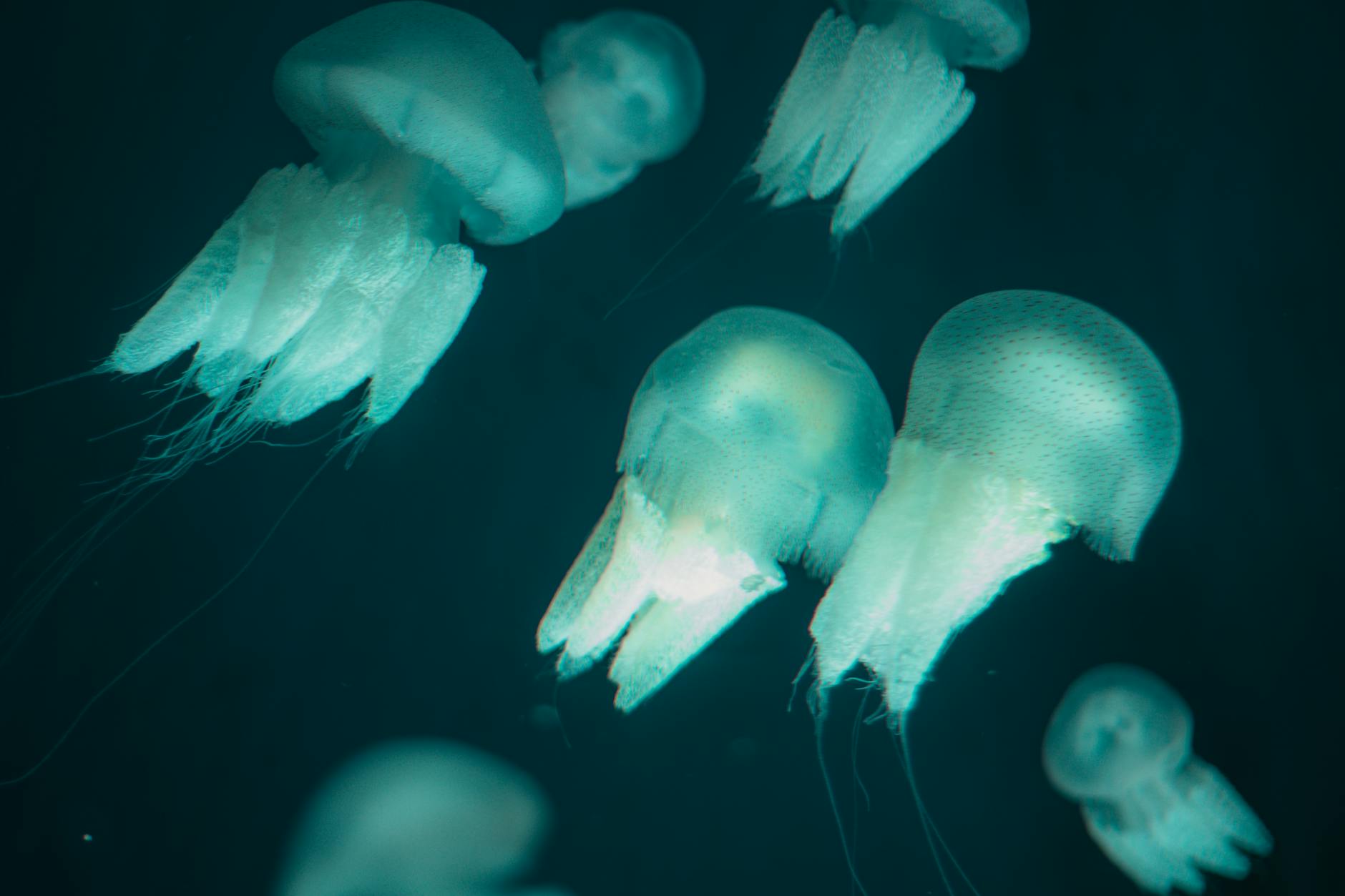
Other standout exhibits include the mesmerising Planet Jellies gallery, featuring hundreds of moon jellies illuminated by colour-changing lights; the Canadian Waters gallery showcasing species native to the Great Lakes and Pacific coast; and the interactive Ray Bay touch tank where visitors can gently touch cownose rays and bamboo sharks. The aquarium also offers behind-the-scenes experiences, sleepover programmes for groups, and seasonal events. Adult tickets range from $31 to $44 CAD depending on the date and ticket type, with Flex Tickets available that are valid for an entire year from purchase. The aquarium is open 365 days a year and is fully accessible.
Toronto Zoo
Sprawling across 710 acres in the Rouge Valley, the Toronto Zoo is one of the largest zoos in the world and among the most beloved Toronto attractions for families. Home to more than 5,000 animals representing over 450 species, the zoo is organised into seven zoogeographic regions — Indo-Malaya, Africa, Americas, Tundra Trek, Australasia, Eurasia, and the Canadian Domain — each recreating the natural habitats of its residents as closely as possible.
Highlights include the giant panda viewing gallery (seasonal), the Gorilla Rainforest, the Tundra Trek featuring polar bears and Arctic wolves, and the Great Barrier Reef exhibit. The zoo also features a splash pad, carousel, conservation-focused playgrounds, and the Waterside Theatre for seasonal shows. In winter, the zoo transforms with Terra Lumina, a multimedia night walk that takes visitors on an illuminated journey through the zoo grounds. The Toronto Zoo is located approximately 40 minutes from downtown by car and is accessible by TTC bus from Kennedy Station. Adult admission is approximately $29 CAD, with significant savings available through early online booking.

Hockey Hall of Fame
For sports fans, the Hockey Hall of Fame is one of the most engaging Toronto attractions and a true pilgrimage site for hockey lovers worldwide. Housed in a magnificent 1885 Beaux-Arts building at the corner of Yonge and Front Streets in downtown Toronto, the museum occupies 65,000 square feet filled with artifacts, trophies, and interactive exhibits celebrating the history and heroes of hockey.
The crown jewel is the chance to see — and photograph yourself with — the original Stanley Cup, hockey’s most coveted trophy. Interactive zones let visitors test their skills as a goaltender facing virtual shots from NHL stars, call play-by-play for classic game footage in a broadcast booth, and explore the evolution of equipment from leather pads to modern carbon-fibre gear. The Hall features dedicated galleries for women’s hockey, international competition, and the NHL’s greatest moments. Located in the heart of the entertainment district, it is easily combined with visits to nearby Toronto attractions. Adult admission is approximately $25 CAD.

Markets, Neighbourhoods, and Cultural Toronto Attractions
Some of the best Toronto attractions are not traditional tourist sites but rather the vibrant neighbourhoods, markets, and cultural districts that give the city its unique character. These areas offer authentic experiences that reveal what daily life in Toronto really looks and tastes like.
St. Lawrence Market
Named the world’s best food market by National Geographic in 2012, St. Lawrence Market is one of the most celebrated Toronto attractions and has been a cornerstone of the city’s food culture for nearly 200 years. The South Market building, which dates to 1845, houses over 120 vendors specialising in fresh produce, artisan meats and cheeses, baked goods, international foods, and prepared meals. The most famous item is the Peameal Bacon Sandwich from Carousel Bakery — a Toronto institution since 1977 that often has a lineup stretching to the door.
Beyond food, the market includes antique dealers, specialty kitchen shops, and artisan craft vendors. The Saturday Farmers’ Market (open since 1803) brings Ontario producers directly to consumers, while the Sunday Antique Market offers vintage finds and collectibles. The market is open Tuesday through Saturday, with each day offering a slightly different experience. It is located in the historic Old Town neighbourhood, making it easy to combine with a walk through the nearby Distillery District or a visit to the Flatiron Building — one of Toronto’s most photographed landmarks.

Distillery District
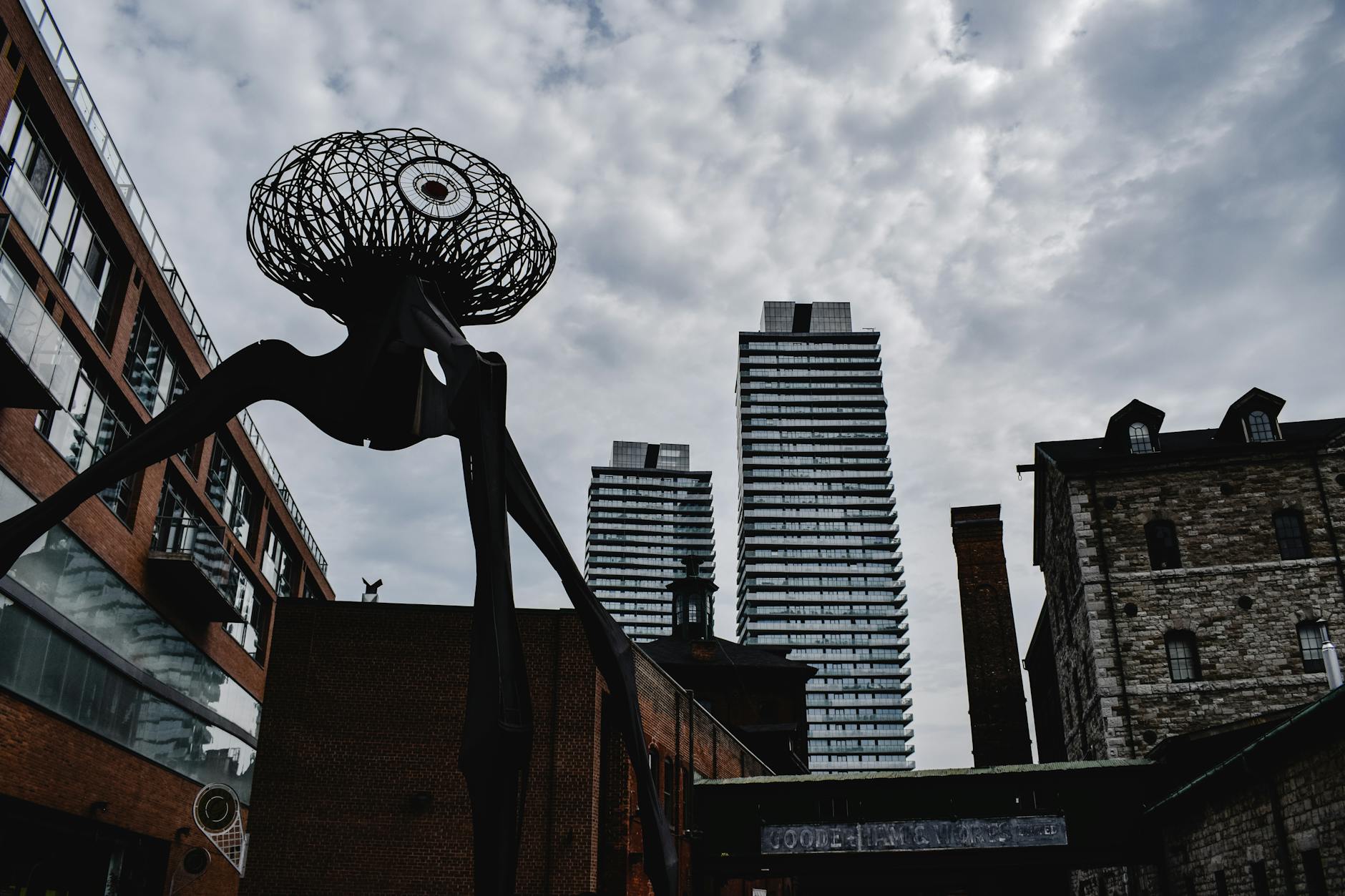
The Distillery District is one of the most atmospheric Toronto attractions — a pedestrian-only village set within the beautifully restored Victorian-era buildings of the former Gooderham and Worts Distillery, which was once the largest distillery in the British Empire. Today, the cobblestone lanes are lined with independent art galleries, boutique shops, artisan studios, craft breweries, cocktail bars, and some of the city’s most acclaimed restaurants.
The district’s industrial architecture creates a unique backdrop that feels more like a European quarter than a North American city block. Public art installations are scattered throughout, and the area regularly hosts seasonal festivals and events, including the Toronto Christmas Market — one of the most popular holiday events in the country, featuring European-style market stalls, live performances, and thousands of twinkling lights. Admission to the Distillery District is free year-round (the Christmas Market charges a small entry fee), and it is easily accessible from downtown via streetcar or a pleasant 20-minute walk from Union Station.
Outdoor Toronto Attractions: Parks, Islands, and Waterfront
Toronto’s natural setting along the shore of Lake Ontario provides a wealth of outdoor Toronto attractions that rival the city’s indoor offerings. From car-free islands to sprawling urban parks and a revitalised waterfront, these green spaces offer a refreshing counterpoint to the urban energy of downtown.
Toronto Islands
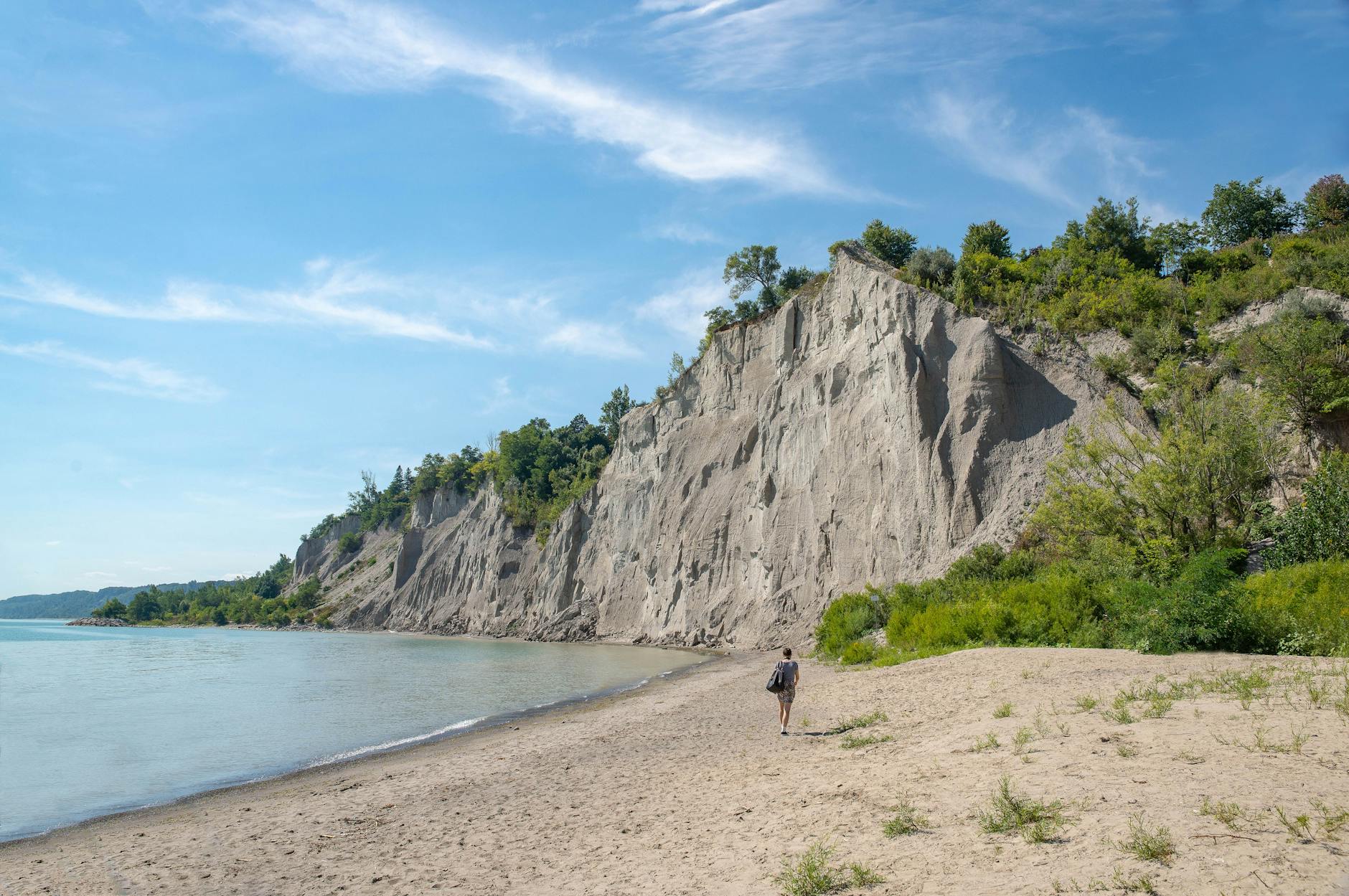
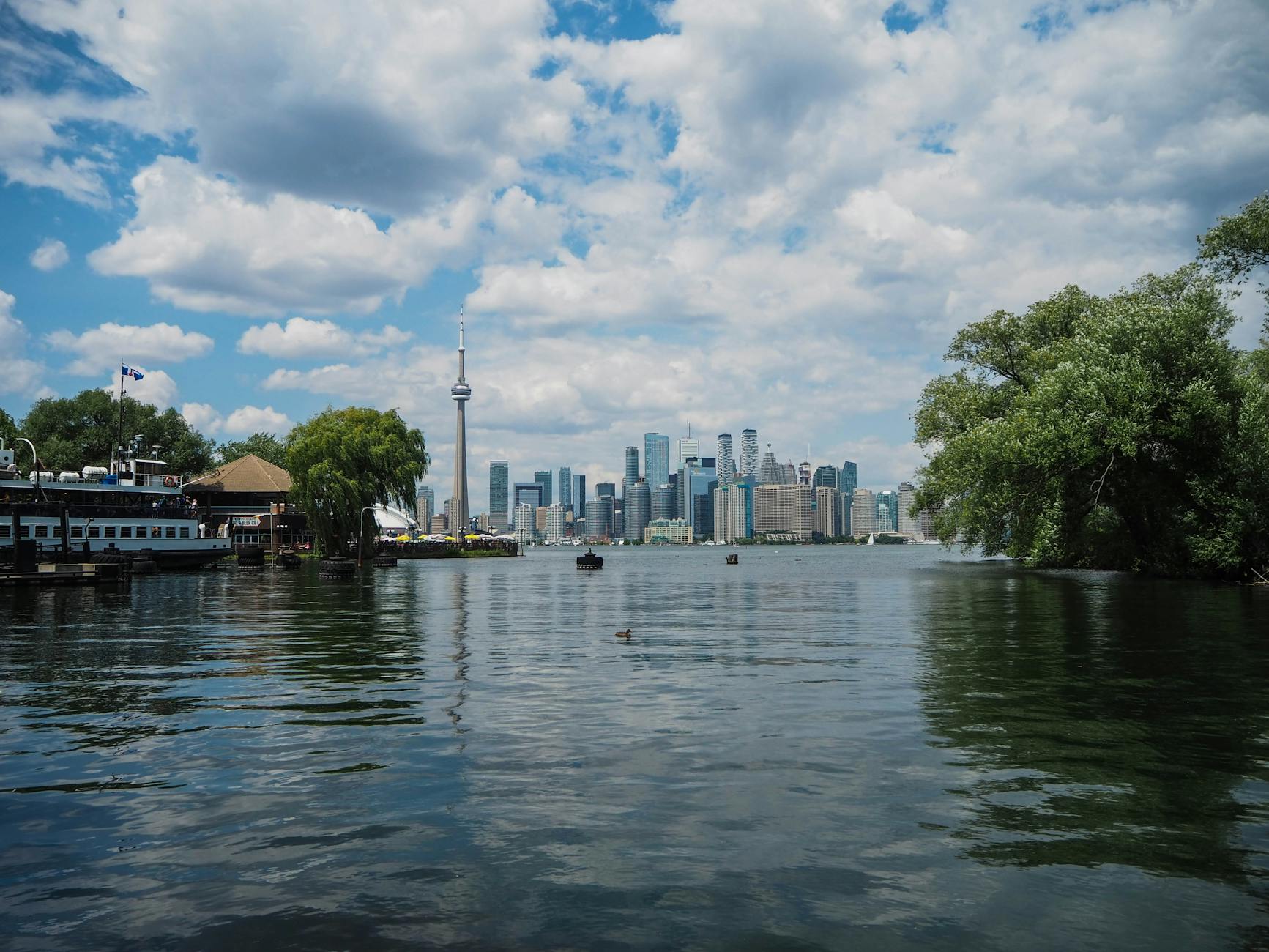
Just a 15-minute ferry ride from the Jack Layton Ferry Terminal at the foot of Bay Street, the Toronto Islands are one of the most popular outdoor Toronto attractions. This chain of small islands in Toronto Harbour offers 820 acres of car-free parkland with cycling paths, beaches, gardens, and some of the most stunning views of the city skyline available anywhere. On a clear day, the panorama of Toronto’s towers reflected in the harbour waters is genuinely breathtaking.
Centre Island is the most popular destination for families, home to Centreville Amusement Park (a charming retro amusement park for young children), the Franklin Children’s Garden, and the Centre Island Beach. Ward’s Island on the eastern end features a quieter, more residential character with beautiful boardwalks and a sandy beach. Hanlan’s Point on the western tip is known for its clothing-optional beach and views of the Billy Bishop Toronto City Airport. Bike rentals are available on the islands, and bringing a picnic is one of the best ways to spend a summer afternoon. Ferry tickets cost approximately $9 CAD for adults return, and ferries run frequently from spring through autumn with reduced winter service.
Toronto Waterfront and Harbour Cruises
Toronto’s revitalised waterfront stretches from the Humber Bay Arch Bridge in the west to the Scarborough Bluffs in the east, creating a continuous ribbon of parks, promenades, marinas, and cultural spaces along the Lake Ontario shoreline. The central waterfront area around Harbourfront Centre is a year-round hub for free outdoor concerts, art installations, festivals, and markets. The Queens Quay boardwalk is perfect for a leisurely stroll or bike ride, passing through the Music Garden — a public garden designed in collaboration with cellist Yo-Yo Ma, inspired by Bach’s Suite No. 1 in G Major.
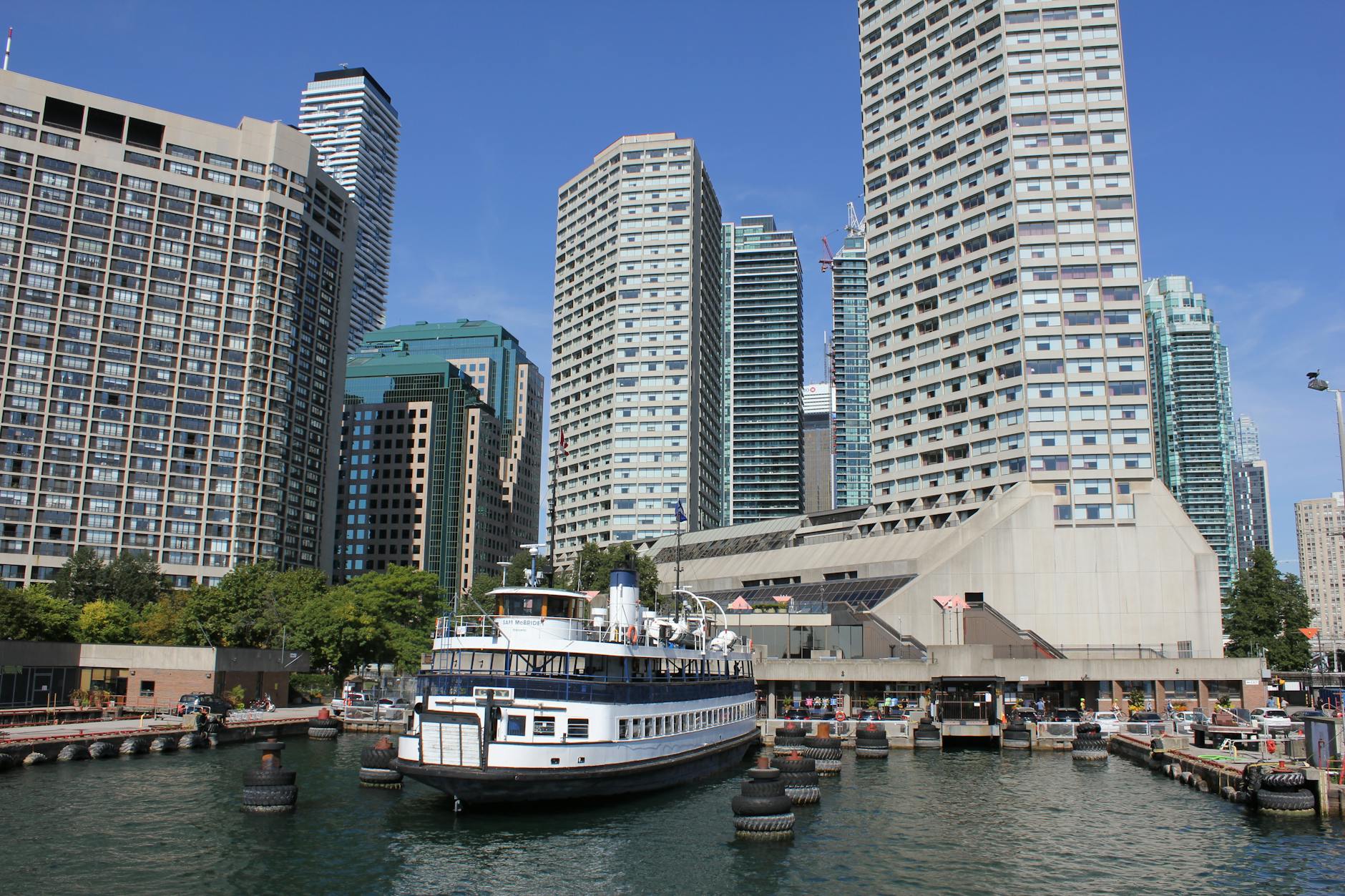
For a different perspective on Toronto’s skyline and attractions, harbour cruises are an excellent option. City Cruises Toronto operates sightseeing tours, lunch and dinner cruises, and specialty themed sailings from the waterfront throughout the season (typically April through October). The standard harbour cruise lasts about an hour and offers unobstructed views of the CN Tower, Rogers Centre, the Toronto Islands, and the city’s constantly evolving waterfront. Harbour cruises are included as one of the options in the Toronto CityPASS, making them an excellent value when combined with other Toronto attractions.
Evergreen Brick Works
Tucked into the Don Valley ravine, Evergreen Brick Works is one of Toronto’s most distinctive attractions — a former industrial brick factory transformed into a vibrant community hub focused on sustainability, culture, and nature. The heritage buildings, which produced bricks for many of Toronto’s most famous structures, now house a Saturday farmers’ market, artisan food vendors, a garden centre, event spaces, and offices for environmental organisations.
What makes Evergreen Brick Works special is its integration with the surrounding natural landscape. Trails wind through the Don Valley ravine, connecting to the larger city-wide ravine trail network. The site includes a children’s adventure playground built from natural materials, a skating rink in winter, and regular programming around food, gardening, and urban ecology. The on-site Café Belong serves seasonal dishes made with locally sourced ingredients. Admission to the grounds is free, and the Saturday farmers’ market (running May to October) is one of the best in the city for Ontario-grown produce, baked goods, and artisan foods.
Saving Money on Toronto Attractions: Passes and Tips
Visiting multiple Toronto attractions can add up quickly, but there are several smart strategies to keep costs manageable without sacrificing experiences. Here are the best ways to save money while seeing everything Toronto has to offer.
Toronto CityPASS
The Toronto CityPASS is the single best deal for visitors planning to see multiple Toronto attractions. Priced at $129.96 CAD for adults and $92.92 CAD for children ages 4 to 12 (plus tax), the pass includes admission to five top attractions and saves up to 38 percent compared to buying individual tickets. The two fixed inclusions are the CN Tower and Ripley’s Aquarium of Canada. You then choose three more from the Royal Ontario Museum, Casa Loma, Toronto Zoo, Art Gallery of Ontario, or a City Cruises Toronto harbour tour (seasonal, April through October).
The pass is valid for nine consecutive days from your first attraction visit, giving you plenty of flexibility to spread out your sightseeing. All tickets are delivered digitally and can be managed through the CityPASS app. Pro tips: choose the most expensive optional attractions (Casa Loma and the harbour cruise typically offer the biggest per-ticket savings), visit the CN Tower early morning or late evening to avoid peak queues, and note that the CN Tower and Ripley’s Aquarium are next to each other so you can easily visit both on the same day.
Free and Discounted Admission Days
Many of Toronto’s best attractions offer free or discounted admission at specific times. The ROM provides free admission on the third Tuesday of every month. The AGO offers free general admission on Wednesday evenings and is always free for visitors aged 25 and under. The Aga Khan Museum is free on Wednesday evenings. The Distillery District, St. Lawrence Market, Toronto Islands (ferry fare aside), Scarborough Bluffs, Evergreen Brick Works, and all of Toronto’s waterfront parks and trails are free to visit year-round. Many smaller galleries in neighbourhoods like Queen West, Ossington, and the Distillery District have free admission as well.
What’s New: Toronto Attractions in 2026
The year 2026 is shaping up to be one of the most exciting in Toronto’s history, with major events and new developments adding to the city’s already impressive roster of attractions.
FIFA World Cup 2026
Toronto is one of the host cities for the FIFA World Cup 2026, and the impact on the city’s attraction landscape is substantial. BMO Field has been transformed into Toronto Stadium through a $157.9 million renovation, expanding capacity from approximately 28,000 to 45,000 seats with upgrades including four massive LED screens, AI-powered food kiosks, a rooftop patio, and premium luxury suites. The venue will host six World Cup matches, with June 12 marking the very first Men’s World Cup match officially played on Canadian soil.
Beyond the stadium, FIFA Fan Fest zones will operate at Fort York National Historic Site and The Bentway from June 11 through July 19, offering free admission with giant screens for live match viewing, live music, food stalls, cultural performances, and interactive football experiences. The Toronto Host Committee predicts over 300,000 additional visitors during June and July, making summer 2026 an extraordinary — if busy — time to experience the city. Visitors should book accommodation well in advance and expect elevated energy (and prices) during match days.
New and Upcoming Developments
The Ontario Science Centre is undergoing a major transformation, with plans to relocate from its longtime Don Mills location to a new purpose-built facility at Ontario Place on the waterfront. The move is part of a broader redevelopment of Ontario Place that promises to reshape Toronto’s waterfront attractions over the coming years. Meanwhile, the SkyTower viewing attraction at the new Ontario Place development is generating significant interest as an addition to the city’s observation experiences. Biidaasige Park, a new Indigenous-led urban park project, is also adding to the city’s green spaces with design rooted in Indigenous knowledge and ecological principles.
Practical Tips for Visiting Toronto Attractions
Making the most of Toronto’s attractions requires a bit of planning. Here are insider tips that will help you maximise your time and experience.
Best Time to Visit
Late spring through early autumn (May to September) is the ideal window for Toronto attractions, particularly outdoor ones like the Toronto Islands, Scarborough Bluffs, and the waterfront. Summer brings the warmest weather, the longest days, and the fullest festival calendar, but it is also peak tourist season with the highest prices and largest crowds — especially in 2026 due to the FIFA World Cup. Shoulder seasons (May and September through October) offer pleasant weather, smaller crowds, and lower accommodation costs. Winter has its own appeal, with seasonal events like the Toronto Christmas Market, skating at Nathan Phillips Square, and cosy museum visits, but outdoor attractions are limited and temperatures can drop well below freezing.
Getting Around Between Attractions
The Toronto Transit Commission (TTC) subway, streetcar, and bus network connects most major Toronto attractions efficiently. A day pass or Presto card makes unlimited travel easy and affordable. Many of the downtown Toronto attractions — the CN Tower, Ripley’s Aquarium, Hockey Hall of Fame, St. Lawrence Market, and the Harbourfront — are within comfortable walking distance of one another. The PATH underground walkway network (the world’s largest at over 30 kilometres) connects Union Station to many downtown points and is particularly useful in extreme weather. For attractions outside the core, like the Toronto Zoo or Scarborough Bluffs, ride-sharing or a rental car may be more convenient. Cycling is also popular in warmer months, with Bike Share Toronto stations located near most major attractions.
Booking and Timing Strategies
Most major Toronto attractions now use timed-entry or advance-booking systems, especially since the pandemic. Book tickets online in advance whenever possible — you will often save money compared to walk-up prices, skip the ticket line, and guarantee your preferred time slot. Weekday mornings (Tuesday through Thursday before 11am) are typically the least crowded times at popular attractions like the CN Tower, ROM, and Ripley’s Aquarium. If you are visiting on a weekend, arriving right at opening time is your best strategy. For the Toronto Islands ferry, buying tickets online in advance is strongly recommended during summer weekends to avoid sellout disappointments.
Plan Your Visit: Explore More Toronto Attractions
This guide covers the essential Toronto attractions, but each major landmark deserves a deeper look. Explore our detailed individual guides to plan the perfect visit to each attraction:
- CN Tower Complete Visitor’s Guide: Tickets, Tips & Views
- Royal Ontario Museum (ROM): Complete Visitor’s Guide
- Ripley’s Aquarium of Canada: Tickets, Exhibits & Tips
- Casa Loma: Toronto’s Majestic Castle Complete Guide
- Toronto Zoo: Complete Visitor’s Guide & Tips
- Hockey Hall of Fame: The Ultimate Fan Guide
- Art Gallery of Ontario (AGO): Complete Visitor’s Guide
- St. Lawrence Market: Toronto’s Iconic Food Market Guide
- Toronto Islands: Complete Visitor’s Guide & Ferry Tips
Whether you are drawn to world-class museums, natural wonders, vibrant markets, or sporting history, Toronto’s attractions offer something extraordinary for every visitor. With the excitement of the 2026 FIFA World Cup adding a once-in-a-generation energy to the city, there has never been a better time to explore everything Toronto has to offer. Start planning your trip today and discover why Toronto attractions consistently rank among the best in North America.
Leave a Reply