Toronto outdoor activities offer an extraordinary range of experiences that surprise even the most seasoned travellers. With over 1,500 parks and green spaces, 630 kilometres of cycling infrastructure, 11 supervised public beaches, and Canada’s only national urban park, Toronto is a four-season playground where nature meets one of North America’s most dynamic cities. Whether you are hiking through ancient forests in the Don Valley, kayaking across the harbour with the skyline at your back, or lacing up skates beneath the glow of City Hall, the variety and accessibility of Toronto outdoor activities make the city a destination that rewards every kind of adventurer.
What follows runs through it all, season by season — the sprawling parks, the lakeside bluffs, the 600-plus kilometres of bike routes, and the frozen rinks that take over come December — so you can build an outdoor itinerary that actually fits the time of year you visit. If you would rather mix nature in with the rest of a trip, our things to do in Toronto guide and our roundup of the city’s top attractions pick up where this one leaves off.
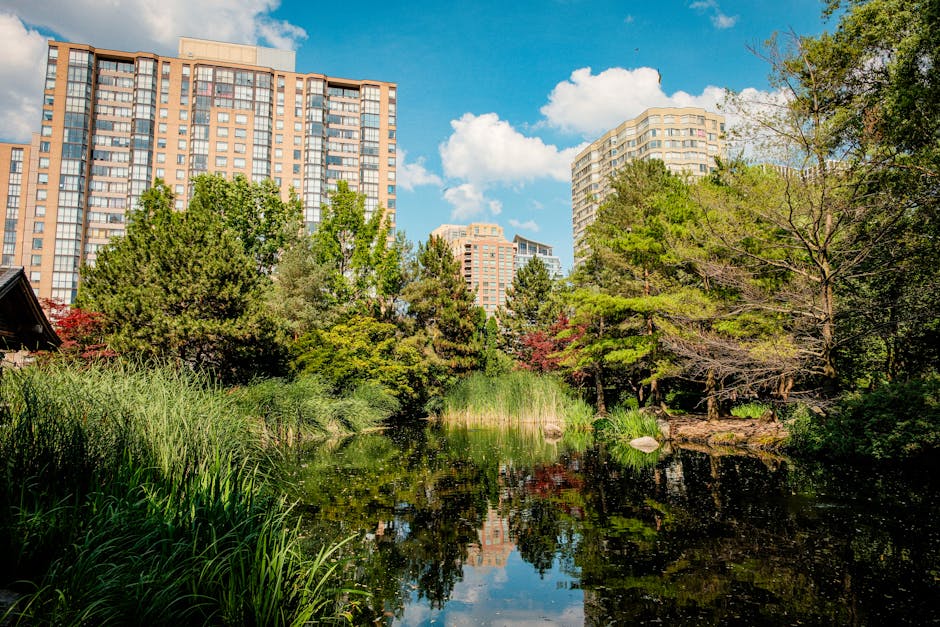
Toronto’s Best Parks & Green Spaces
Toronto’s park system is one of the most extensive in North America. The city manages more than 1,500 parks covering roughly 8,000 hectares, which means there is a green retreat within a short walk of almost every neighbourhood. These are the standout green spaces where you can spend an afternoon or an entire day immersed in nature.
High Park
High Park is Toronto’s crown jewel of urban green space, spanning 399 acres on the western edge of the city. This beloved park is home to Grenadier Pond, one of the best spots in the city for quiet contemplation and wildlife watching. Kilometres of hiking trails wind through rare oak savannah and dense forest, and in spring, the Sakura cherry blossoms draw tens of thousands of visitors for one of the city’s most photographed natural spectacles.
Families will appreciate the free High Park Zoo, which houses bison, capybaras, llamas, deer, and peacocks. There are multiple adventure playgrounds, a trackless train, and off-leash dog areas for your four-legged travel companion. In summer, the outdoor amphitheatre hosts Shakespeare in the Park performances. High Park is accessible via the Bloor-Danforth subway line (High Park station) and is free to enter year-round.
Trinity Bellwoods Park
Trinity Bellwoods is the social heart of Toronto’s west end neighbourhoods. This 14.6-hectare park in the Queen West area buzzes with energy on warm days, as locals gather for picnics, frisbee, and people-watching. The park features tennis courts, a baseball diamond, a community recreation centre, a wading pool, and an off-leash dog bowl. It is also the place to spot Toronto’s famous white squirrels, an unofficial city mascot.
Riverdale Park
Divided into east and west sections by the Don River, Riverdale Park offers one of the most iconic views of the Toronto skyline. The eastern hillside is a favourite spot for sunset photography and picnic blankets. The park includes running tracks, sports fields, outdoor swimming pools (open late June to Labour Day, free admission), and the Riverdale Farm, a working farm open to the public at no charge where children can meet goats, pigs, donkeys, and chickens.
Edwards Gardens & the Toronto Botanical Garden
Tucked into the Wilket Creek ravine in North York, Edwards Gardens is a 14-hectare formal garden featuring rock gardens, rhododendrons, roses, and wildflower beds. The adjacent Toronto Botanical Garden offers educational programming, themed gardens, and a nature trail that connects to the Wilket Creek Trail system. Admission to both is free, and the gardens are especially stunning from May through October.
Evergreen Brick Works
Located in the Don Valley, Evergreen Brick Works is a reclaimed industrial site turned environmental centre. The 16-hectare property includes walking trails through restored wetlands, a Saturday farmers’ market (May through November), gardens, and year-round nature programming. The on-site Koerner Gardens and Weston Family Quarry Garden showcase sustainable landscaping, and the trail connections link to the broader Don Valley trail network. Parking is free on weekdays. A free shuttle bus runs from the Broadview subway station on Saturdays.
Rouge National Urban Park: Toronto’s Wild Side
Rouge National Urban Park holds a remarkable distinction: it is the largest urban park in North America and Canada’s only national urban park. Covering 7,500 hectares in Toronto’s eastern reaches, Rouge Park is a living tapestry of forests, meadows, creeks, farmland, marshland, and Lake Ontario shoreline. The park protects several endangered species and contains some of the last remaining tracts of Carolinian forest in Canada, along with one of the region’s most significant Indigenous heritage sites, dating back more than 10,000 years.
For visitors, Rouge Park offers a genuinely wild experience just a short drive or transit ride from downtown. The park’s trail system includes options for every fitness level. The Vista Trail (1.5 km loop) provides an easy introduction with views of the Rouge Marsh. The Mast Trail (3.8 km loop) takes you through mature forest with some elevation changes. The Orchard Trail (2 km loop) passes through a former apple orchard with interpretive signage about the park’s agricultural heritage. For a longer adventure, the Rouge River Waterfront Trail (5 km one way) follows the river to the lakeshore at Rouge Beach.
Rouge Park is also excellent for birdwatching, fishing (with an Ontario licence), cross-country skiing, and snowshoeing in winter. The park’s camping program offers Toronto’s only national park camping experience, with learn-to-camp programs for families new to the outdoors. Visit Parks Canada’s Rouge Park page for trail conditions, maps, and camping reservations. For the full picture — trails, the beach, and how to book a campsite — our Rouge National Urban Park guide goes deeper.
Hiking & Walking Trails in Toronto
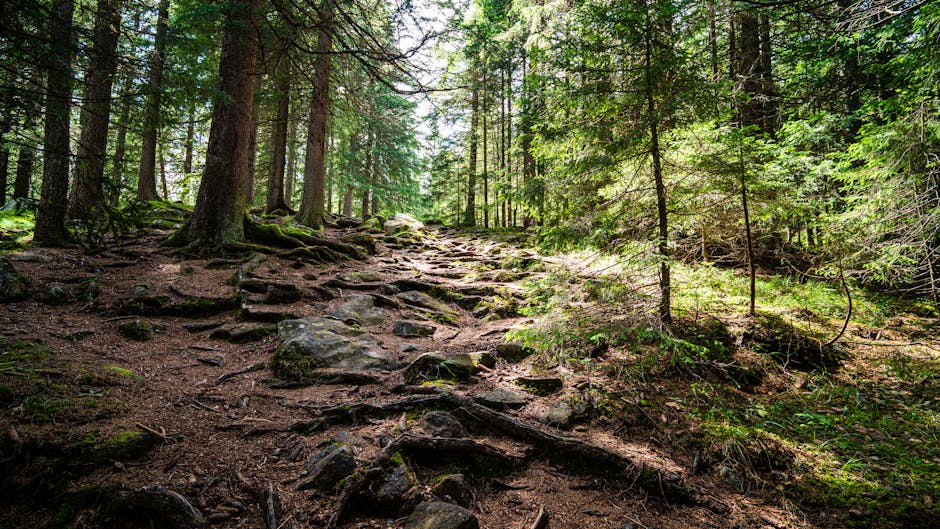
Toronto sits on an extraordinary ravine system that threads through the city like a network of green veins. These ravines, combined with the lakefront and river valleys, give the city hundreds of kilometres of trails suitable for hiking, running, and nature walks. Here are the top trails for Toronto outdoor activities on foot.
Don Valley Trail System
The Don Valley is Toronto’s most extensive urban trail corridor. The paved Lower Don Trail runs approximately 10 kilometres from the Lakeshore to the forks of the Don River, passing through forests, meadows, and along riverbanks. It connects to Evergreen Brick Works and continues north as the Taylor Creek Trail and East Don Trail, creating a network of more than 30 kilometres of interconnected paths. The Lower Don Trail is a multi-use path popular with both hikers and cyclists. Trailheads are accessible from multiple TTC bus routes and the Don Mills and Broadview subway stations.
Scarborough Bluffs Trail
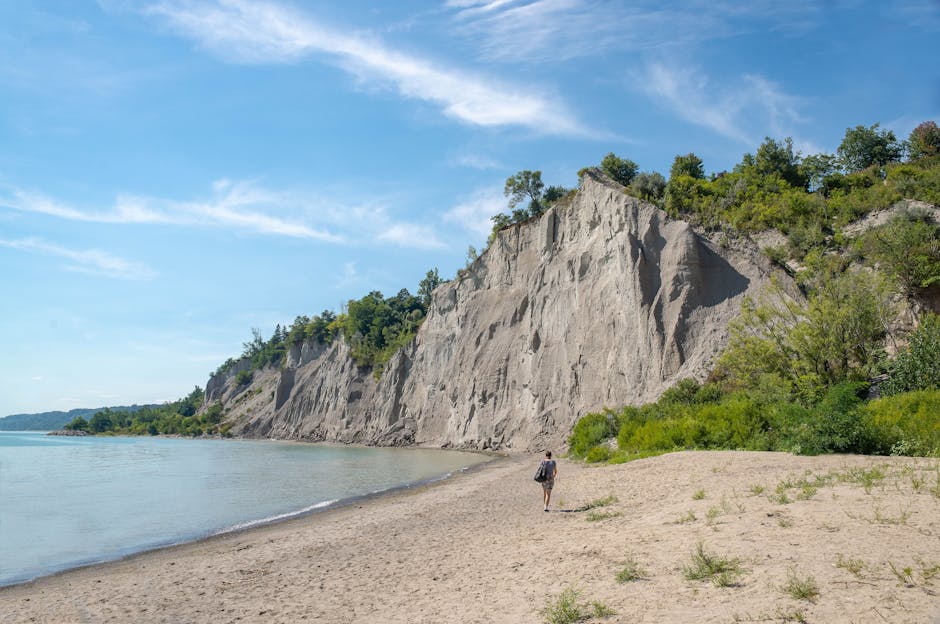
The Scarborough Bluffs are among Toronto’s most dramatic natural landmarks. These layered sedimentary cliffs stretch approximately 15 kilometres along the eastern Lake Ontario shoreline, rising as high as 65 metres. At the base lies Bluffers Park, where you will find a marina, a sandy beach, and picnic areas. The Doris McCarthy Trail (also called the Gate to the Bluffs) provides a steep but rewarding descent through a wooded ravine to the lakeshore, offering jaw-dropping views of the cliffs along the way. The trail is about 1 kilometre each way with a significant elevation change, so wear sturdy footwear. For our full guide, see hiking trails in Toronto.
Humber River Trail
Running along the Humber River from the lakeshore north to the city boundary and beyond, the Humber River Trail covers approximately 28 kilometres. The southern portion passes through parkland and under scenic bridges, while the northern section feels increasingly rural, with stretches of forest and meadow. The trail connects to Humber Bay Park, which offers excellent views of the downtown skyline and Lake Ontario. Much of the path is paved and suitable for walking, running, and cycling.
Belt Line Trail
The Kay Gardner Beltline Trail follows the route of a former railway line through midtown Toronto, creating a 9-kilometre loop through residential neighbourhoods and ravine parkland. The trail is mostly flat and paved, making it accessible for strollers and wheelchairs. It passes through the lush ravines near Mount Pleasant Cemetery and connects to the Evergreen Brick Works trail system via the Mud Creek Ravine Trail.
Tommy Thompson Park (Leslie Street Spit)
Tommy Thompson Park occupies a five-kilometre human-made peninsula extending into Lake Ontario from the foot of Leslie Street. Originally built from construction fill and dredged material, nature has reclaimed this remarkable landscape, which is now one of the most important bird habitats on the Great Lakes. The park is open weekends and holidays only (no motor vehicles permitted), and the flat, gravel paths make for easy walking. The tip of the spit offers panoramic views of the Toronto skyline and the Toronto Islands. Allow two to three hours for a round trip to the lighthouse at the end.
Toronto’s Best Beaches
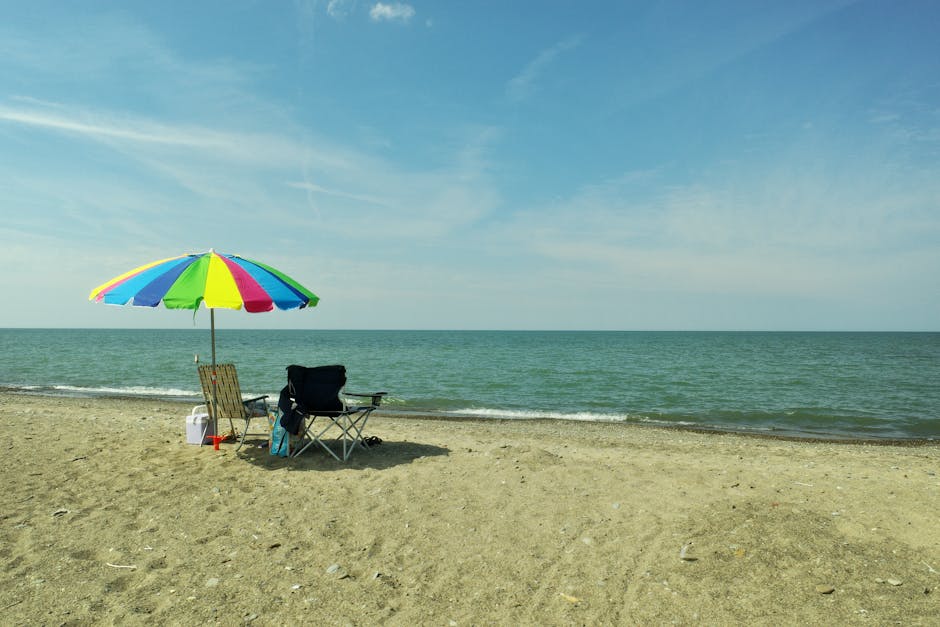
Toronto has 11 supervised public beaches along its Lake Ontario shoreline, with lifeguards on duty from mid-June through Labour Day weekend. Eight of these beaches hold prestigious Blue Flag certification, an international eco-label recognizing high water quality, environmental management, and safety standards. Here are the beaches worth adding to your itinerary.
Woodbine Beach
Woodbine is Toronto’s most popular beach, stretching along the Beaches neighbourhood in the east end. The wide, sandy shoreline is complemented by a boardwalk, volleyball courts, a playground, and the Donald D. Summerville Olympic Pool nearby. The Ashbridges Bay skate park and picnic areas are adjacent. Woodbine is a Blue Flag beach with consistently high water quality ratings. It is easily reached by the Queen streetcar (501 or 503) to the Woodbine Loop.
Cherry Beach
Located at the foot of Cherry Street in the Port Lands, Cherry Beach is a favourite among locals for its off-leash dog area, consistent winds for kiteboarding and windsurfing, and quieter atmosphere compared to Woodbine. The beach has a Blue Flag designation, barbecue facilities, and a lifeguard station in summer. It is also a popular launch point for stand-up paddleboarding. Parking is available but fills quickly on hot weekends.
Hanlan’s Point Beach
Accessed via the Toronto Islands ferry, Hanlan’s Point Beach offers a unique experience away from the city mainland. The western end of the beach is Toronto’s only clothing-optional section. The sand is fine, the water is calm and shallow, and the skyline views are outstanding. The beach is a short walk from the Hanlan’s Point ferry dock. Allow 10-15 minutes for the ferry crossing from the Jack Layton Ferry Terminal at the foot of Bay Street.
Centre Island Beach
Centre Island Beach is ideal for families, with gentle waters, lifeguards, and proximity to the Centreville Amusement Park and the many walking paths of the Toronto Islands. The beach faces south toward Lake Ontario, catching the afternoon sun. Combine a beach visit with island exploration for a full day of Toronto outdoor activities. For more island details, see our section on the Toronto Islands below.
Bluffer’s Beach (Scarborough Bluffs Park)
Tucked at the foot of the towering Scarborough Bluffs, this beach has a backdrop no other city beach can match. The sand at Bluffers Park is wide and roomy, with picnic areas and a marina alongside, and the whole setting reads more coastal getaway than urban shoreline. Drive or take the TTC to the park entrance, then walk down to the water. Our Toronto beaches guide ranks all 11 if you want to compare.
Water Sports & Activities on Lake Ontario
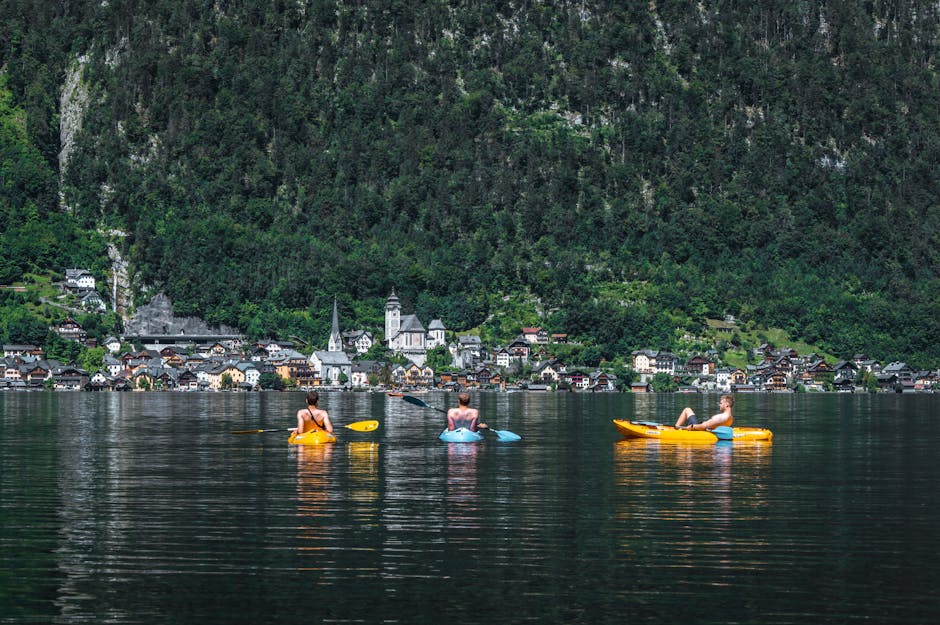
Toronto’s position on the shore of Lake Ontario and its network of rivers and harbours make it a surprisingly rich destination for water sports. From May through October, the city’s waterways are alive with kayakers, paddleboarders, sailors, and canoeists.
Kayaking & Canoeing
Kayaking is one of the most rewarding ways to experience Toronto’s waterfront. Several outfitters offer rentals and guided tours from locations along the harbour, the Toronto Islands, and the Humber River. Popular routes include paddling from the harbour to the Toronto Islands for skyline views, exploring the sheltered lagoons of the islands, and canoeing the calm stretches of the Humber River through forested parkland. Expect to pay roughly $30-$60 an hour for a single kayak, with multi-hour and full-day rates available. Our kayaking in Toronto guide gets specific about launch points and outfitters.
Stand-Up Paddleboarding (SUP)
Stand-up paddleboarding has exploded in popularity across Toronto. Cherry Beach, the Toronto Islands, and Humber Bay are the most popular SUP spots, offering relatively calm water and easy launch access. Several operators along the waterfront offer rentals starting at around $35 per hour, as well as beginner lessons and SUP yoga classes. Early mornings on the harbour, before the wind picks up, offer glass-like conditions and stunning reflections of the skyline.
Sailing & Toronto Islands
The Toronto Islands are a chain of car-free islands just a 10-minute ferry ride from downtown. Beyond their beaches, the islands offer cycling paths, walking trails, picnic grounds, and the Centreville Amusement Park for families. Kayak and canoe rentals are available on Centre Island. The islands also serve as a base for sailing, with several yacht clubs and learn-to-sail programs operating from the area. The panoramic skyline view from the islands is one of the most photographed perspectives in Canada.
Ferry tickets cost approximately $9 for adults and $5 for children (round trip), and ferries depart every 15-30 minutes from the Jack Layton Ferry Terminal. Arrive early on summer weekends, when ferry queues can stretch well down the dock. Our getting around Toronto guide covers the ferry schedule along with the rest of the transit system.
Cycling in Toronto

Toronto has invested heavily in cycling infrastructure, with more than 630 kilometres of bike lanes, cycle tracks, and multi-use trails criss-crossing the city. Whether you are a casual rider looking for a scenic lakefront cruise or a serious cyclist seeking a challenging route, Toronto delivers.
Martin Goodman Trail & Toronto Waterfront Trail
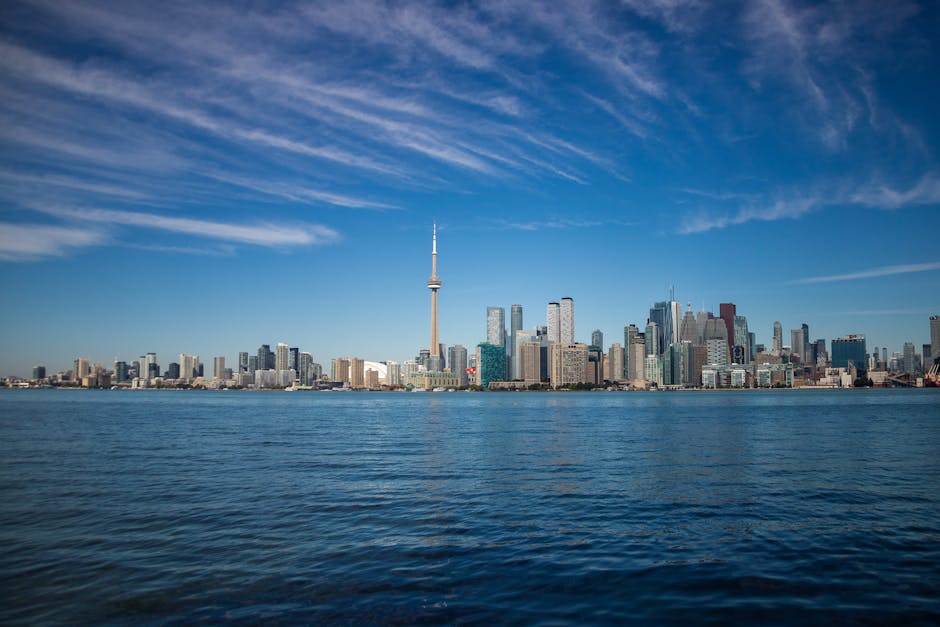
The Martin Goodman Trail is the centrepiece of Toronto’s cycling network. This 22-kilometre paved multi-use path hugs the Lake Ontario shoreline from the Humber River in the west to the Balmy Beach Club in the east. It is part of the longer Waterfront Trail, which extends across the entire Ontario lakeshore. The route is flat, scenic, and suitable for all fitness levels. Highlights along the way include Humber Bay Park, Ontario Place, Harbourfront Centre, Sugar Beach, and the Beaches boardwalk. On weekends, the trail buzzes with cyclists, runners, inline skaters, and walkers.
Lower Don Trail
The Lower Don Trail is a favourite commuter and recreational route, running approximately 10 kilometres along the Don River. The paved path passes through wooded ravines and connects to the Taylor Creek Trail, East Don Trail, and the Waterfront Trail. It provides a peaceful, car-free corridor through the centre of the city. Access points include the Bayview and Pottery Road entrances.
Bike Share Toronto
For visitors, Bike Share Toronto is the easiest way to get on two wheels. The system has over 6,850 bikes at 625+ stations across the city. A day pass costs approximately $15 and allows unlimited 30-minute trips. For longer rides, you can dock and re-dock at any station to reset the timer. The bikes are sturdy, comfortable three-speed models with front baskets, and e-bikes are available at a small surcharge. Stations are concentrated in the downtown core and along the waterfront, making the Martin Goodman Trail especially accessible.
Winter Outdoor Activities in Toronto

Toronto outdoor activities do not hibernate when the temperature drops. Winter just swaps one playground for another — frozen rinks, snow-dusted trails, and a run of seasonal attractions. Our Toronto events and festivals guide tracks what is on through the cold months.
Outdoor Ice Skating
Toronto operates more than 50 outdoor artificial ice rinks across the city, all free to use. The two most iconic locations are:
- Nathan Phillips Square – The rink in front of City Hall, framed by the illuminated Toronto sign, is the city’s most famous skating spot. It is open from late November through mid-March, and skate rentals are available on-site for approximately $10-$15. Evening skating under the lights is especially magical.
- Harbourfront Centre Natrel Rink – Located on the waterfront with Lake Ontario views, this rink hosts DJ skate nights, themed events, and learn-to-skate programs. It is open late November to mid-March, and skating is free. Rentals are available.
Other notable rinks include Colonel Sam Smith Park (with a scenic lake view), Greenwood Park, and the Bentway, a unique skating trail beneath the Gardiner Expressway. For the full list of rinks and winter sports, see our ice skating in Toronto guide.
Cross-Country Skiing & Snowshoeing
When snow blankets the city, several parks open groomed cross-country ski trails. Rouge National Urban Park is the top destination, with kilometres of trails through forests and meadows that feel worlds away from the city. High Park and the Don Valley also offer excellent snowshoeing terrain. The Toronto and Region Conservation Authority (TRCA) manages several conservation areas on the city’s outskirts that offer groomed trails and equipment rentals, including Albion Hills and Bruce’s Mill.
Winter Hiking
Many of Toronto’s trail systems remain accessible through winter. The Don Valley trails, Humber River Trail, and Tommy Thompson Park are popular year-round walking destinations. Strap on microspikes or cleats for icy sections, dress in layers, and enjoy the peaceful solitude of the snow-draped ravines. Winter is also prime time for spotting hawks, owls, and other raptors in the Don Valley and along the Scarborough Bluffs.
Birdwatching & Wildlife in Toronto
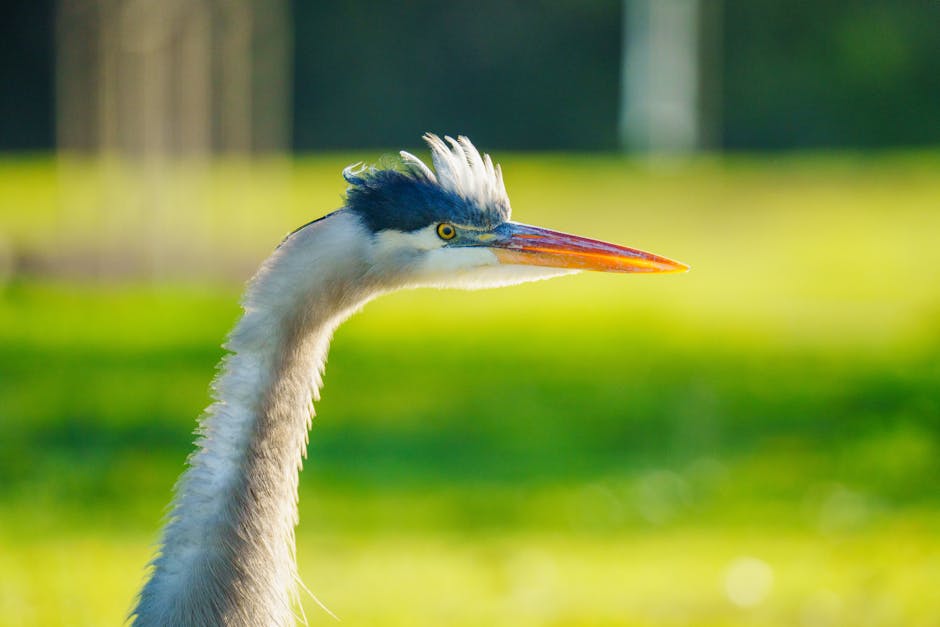
Toronto sits along a major migratory flyway, and the city’s ravines, wetlands, and lakefront create habitats that support a remarkable diversity of birdlife. More than 300 bird species have been recorded in the Greater Toronto Area, making the city a serious birdwatching destination.
Tommy Thompson Park
Tommy Thompson Park is the single best birdwatching location in the city. The Leslie Street Spit hosts the largest ring-billed gull colony in the world, along with nesting colonies of double-crested cormorants, black-crowned night-herons, common terns, and Caspian terns. During spring and fall migration, warblers, shorebirds, and raptors pass through in impressive numbers. The park’s Bird Research Station operates banding programs and guided walks on weekends.
Rouge National Urban Park
The marshes and forests of Rouge Park are home to more than 230 bird species. The Rouge Marsh is an Important Bird Area, where you can spot great blue herons, wood ducks, red-tailed hawks, and a variety of warblers. The park also supports populations of coyotes, white-tailed deer, foxes, turtles, and several endangered species including the Blanding’s turtle.
High Park
High Park’s combination of forest, pond, and open meadow habitat makes it one of the city’s birding hotspots. Grenadier Pond attracts ducks, swans, and herons, while the forested trails are excellent for warblers during spring migration. The park is also home to a population of coyotes, which have adapted to urban life and are occasionally seen at dawn and dusk.
Outdoor Fitness & Sports
Beyond hiking, cycling, and water sports, Toronto offers a wealth of outdoor fitness and sports options for active visitors.
Golf
Toronto and the surrounding region are home to dozens of public and semi-private golf courses. The city operates five municipal courses, including Don Valley Golf Course, Scarlett Woods, Dentonia Park, Humber Valley, and Tam O’Shanter. Green fees at municipal courses range from approximately $30-$65 depending on the day and time. The season typically runs from mid-April to late October. Our golf courses in Toronto guide covers the municipal tracks and the better semi-private options.
Tennis & Pickleball
The City of Toronto operates more than 600 outdoor tennis courts across its park system, most of which are free and available on a first-come, first-served basis. High Park, Trinity Bellwoods, and Eglinton Park are among the most popular locations. Pickleball courts have been added at numerous parks in recent years, reflecting the sport’s growing popularity.
Running Routes
Toronto is an excellent running city. The most popular routes include the Martin Goodman Trail along the waterfront (flat, scenic, any distance), the Reservoir Loop in High Park (approximately 2.5 km around the reservoir), and the Belt Line Trail (9 km through midtown). For a hillier challenge, the trails through the Don Valley and the Crothers Woods offer elevation gain and forested terrain. The city also hosts numerous running events year-round, including the Toronto Marathon (May), the Toronto Waterfront Marathon (October), and many charity runs.
Outdoor Fitness Equipment
Several Toronto parks feature free outdoor fitness equipment stations. Notable locations include Sunnyside Park (along the waterfront), Riverdale Park East, and Downsview Park. These stations provide pull-up bars, parallel bars, balance beams, and other bodyweight exercise equipment, allowing you to combine a nature walk with a workout.
Practical Tips for Toronto Outdoor Adventures
Making the most of Toronto outdoor activities requires a bit of planning. Here are the practical details that will help you prepare for every season.
Best Seasons for Outdoor Activities
- Spring (April – May): Cherry blossoms in High Park (usually late April to early May), wildflowers on trails, and the return of migratory birds. Temperatures range from 5-18 degrees Celsius. Trails can be muddy, so waterproof footwear is recommended.
- Summer (June – August): Peak season for beaches, water sports, cycling, and outdoor events. Temperatures reach 25-35 degrees Celsius with humidity. Sunscreen and hydration are essential. Beaches are lifeguard-supervised from mid-June to Labour Day.
- Fall (September – November): Spectacular fall foliage in the ravines and parks, comfortable hiking temperatures (10-20 degrees Celsius), and fewer crowds. The Don Valley, High Park, and Rouge Park are stunning in October.
- Winter (December – March): Outdoor skating, cross-country skiing, snowshoeing, and winter hiking. Temperatures range from -10 to 0 degrees Celsius, with occasional cold snaps. Dress in layers and bring hand warmers for extended outdoor time.
What to Pack
- Comfortable walking shoes or hiking boots with good grip
- Sunscreen (SPF 30+) and a hat for summer activities
- Reusable water bottle (refill stations are available at many parks)
- Insect repellent for wooded trails (June through September)
- Layers for variable weather, especially spring and fall
- Rain jacket or poncho (weather can change quickly near the lake)
- Binoculars for birdwatching
- A portable phone charger for longer hikes and trail navigation
Water Quality & Beach Safety
Toronto’s public health department tests beach water quality daily during summer. Results are posted on the City of Toronto Swim Safe page and at each beach entrance. Eight of Toronto’s 11 beaches hold Blue Flag certification, indicating consistently high water quality. If a beach is posted as unsafe for swimming, respect the advisory. After heavy rainfall, water quality may be temporarily affected by stormwater runoff, particularly at inner harbour beaches.
Getting to Parks & Trails
Most of Toronto’s major parks and trail access points are reachable by public transit (TTC). High Park has its own subway station. The Toronto Islands are reached by city ferry. Rouge National Urban Park is accessible via the Rouge Hill GO station. Our getting around Toronto guide has transit directions to every outdoor spot worth the trip. And when you are ready to range further afield, our day trips from Toronto guide covers conservation areas and nature escapes within easy driving distance.
Useful Resources
- City of Toronto Parks, Gardens & Beaches – Official park information, hours, and facilities
- Parks Canada – Rouge National Urban Park – Trail maps, camping, and visitor information
- Toronto and Region Conservation Authority (TRCA) – Conservation areas, events, and programs
- Bike Share Toronto – Station map, pricing, and pass information
Explore More Toronto Guides
Toronto outdoor activities are just one facet of this incredible city. Continue planning your trip with these related guides from our Toronto tourism series:
- Things to Do in Toronto: The Complete Guide
- Toronto Attractions: Must-See Sights
- Toronto Neighbourhoods Guide
- Getting Around Toronto: Transportation Guide
- Day Trips from Toronto
- Toronto Events & Festivals
Want to go deeper on any one of these? We have full guides to Toronto’s best parks, hiking trails, beaches, kayaking, Rouge National Urban Park, ice skating and winter sports, and golf courses across the city.
Leave a Reply