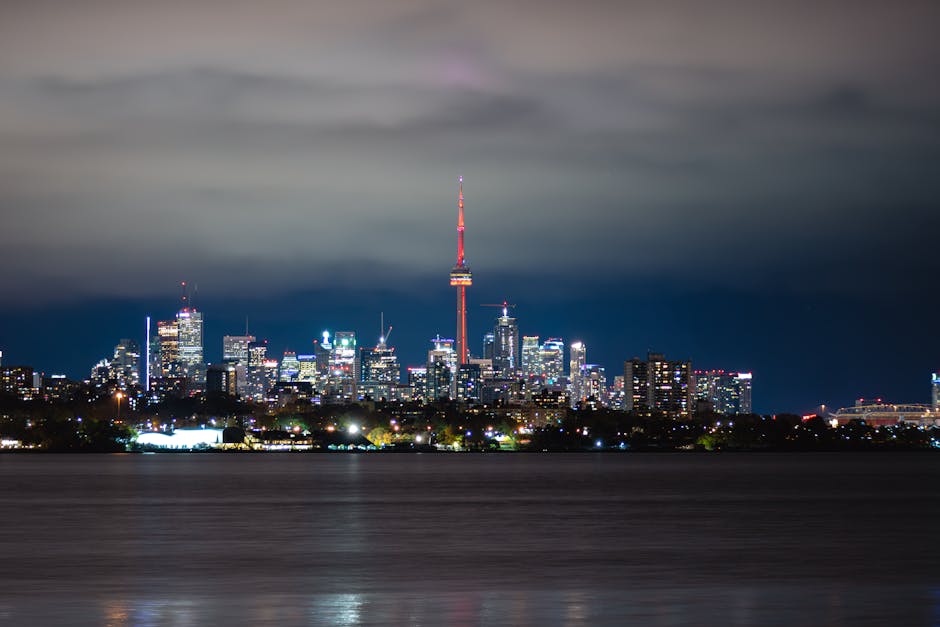
Toronto nightlife is among the most vibrant, diverse, and exciting in North America. From world-class cocktail bars and thumping nightclubs to legendary live music venues, side-splitting comedy clubs, and Broadway-calibre theatre, Canada’s largest city delivers after-dark experiences that rival any global destination. In 2026, Toronto boasts six bars named among North America’s 50 Best, a flourishing underground music scene, and an entertainment district that pulses with energy seven nights a week. Whether you are a first-time visitor or a seasoned local looking to explore something new, this complete guide to Toronto nightlife covers everything you need to plan the perfect evening out.
This pillar guide is your starting point for exploring Toronto after dark. We cover every neighbourhood, every genre, and every budget—with practical tips on dress codes, cover charges, transportation, and safety. For an overview of all the things to do in Toronto, check out our main guide, and be sure to browse our Toronto events and festivals guide for seasonal nightlife happenings.
The Entertainment District: Toronto’s Nightlife Hub
Toronto’s Entertainment District, centred along King Street West between University Avenue and Spadina Avenue, is the undisputed heart of the city’s after-dark scene. This dense, walkable stretch is home to the highest concentration of bars, nightclubs, restaurants, and theatres in all of Canada. On any given Friday or Saturday night, tens of thousands of people flood the district’s neon-lit sidewalks, hopping between rooftop patios, basement speakeasies, and velvet-roped clubs.
The district’s evolution over the past decade has been remarkable. What was once dominated by bottle-service mega-clubs has matured into a nuanced mix of upscale cocktail lounges, intimate listening bars, and genre-specific dance venues. The King Street Transit Priority corridor, which limits car traffic on King between Bathurst and Jarvis, has made the area even more pedestrian-friendly—perfect for a night of bar-hopping on foot.
Key landmarks in the Entertainment District include the Mirvish theatre complex, the TIFF Bell Lightbox, Scotiabank Arena, and Rogers Centre. After a Raptors game, a film premiere, or a sold-out concert, the surrounding streets come alive with post-event energy. Restaurants in the area stay open late—see our Toronto food guide for the best late-night eats.
Best Bars in Toronto
Toronto’s bar scene is remarkably sophisticated. The city earned six spots on the 2025 edition of North America’s 50 Best Bars list, placing it alongside New York and Mexico City as one of the continent’s premier cocktail destinations. From hidden speakeasies requiring a password to breezy rooftop patios with panoramic skyline views, here are the best bars to experience Toronto nightlife in 2026.
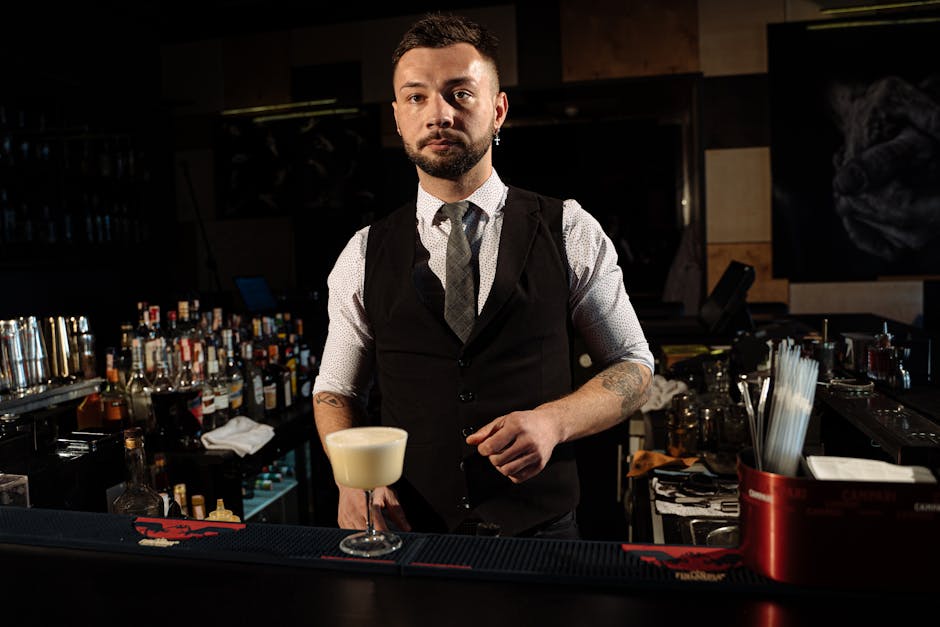
Cocktail Bars & Speakeasies
Bar Etc. is one of the most talked-about openings of 2026. Tucked away in a lush, tropical-themed space, this newcomer specializes in inventive cocktails that incorporate housemade syrups, exotic fruits, and unexpected flavour pairings. The vibe is relaxed but refined—think rattan furniture, hanging plants, and a curated soundtrack that moves from bossa nova to house as the night deepens.
The Shameful Tiki Room has been a Toronto institution for years and shows no signs of slowing down. This Polynesian-themed bar on Queen Street West serves elaborate tiki cocktails in ceramic mugs shaped like skulls, volcanoes, and tropical birds. The drinks are strong, the decor is maximalist, and the atmosphere is pure escapism. Arrive before 9 PM on weekends to avoid the line.
The Little Jerry offers a completely different kind of bar experience. This hi-fi listening bar pairs vinyl-only DJ sets with a carefully curated cocktail menu. The sound system is the star here—audiophiles will appreciate the warm, analog sound while sipping an Old Fashioned or a seasonal creation. It is intimate, unhurried, and perfect for a date night or a solo evening of great music and great drinks.
Petty Cash blends live music with craft cocktails in a way that feels effortless. On any given night, you might catch a jazz quartet, a folk singer-songwriter, or a DJ set—all while enjoying some of the most creative drinks in the city. The space is cozy without feeling cramped, and the bartenders are genuinely passionate about what they do.
For a deep dive into the city’s best drinking establishments, read our dedicated guide to the best bars in Toronto.
Rooftop Bars
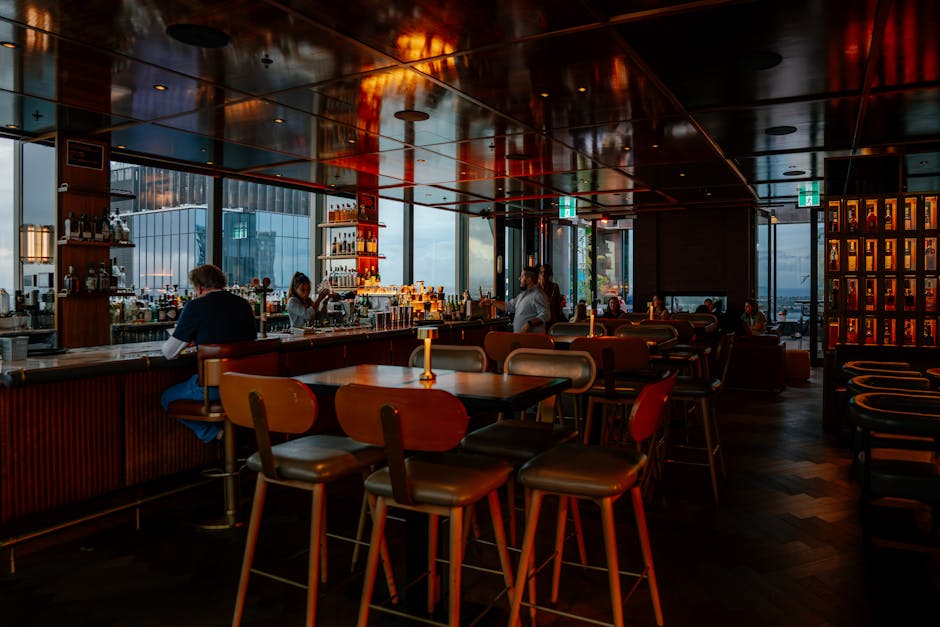
Few experiences capture the magic of Toronto nightlife quite like sipping a cocktail 30 stories above the city, the CN Tower glowing against the skyline. Toronto’s rooftop bar scene has exploded in recent years, and several venues now rank among the best in North America.
Lavelle, perched atop a building near King and Portland, is arguably the city’s most iconic rooftop destination. Its pool deck, surrounded by cabanas and lounge seating, transforms into a full-blown party venue on summer weekends. DJs spin deep house and disco while guests swim, dance, and take in unobstructed views of the CN Tower. Dress codes are enforced, and reservations are strongly recommended.
Kost, located on the 44th floor of the Bisha Hotel, offers arguably the best panoramic views of any bar in Toronto. The Mediterranean-inspired menu pairs beautifully with the venue’s infinity pool (open seasonally) and minimalist decor. Sunset hour is particularly stunning, when the city’s glass towers catch the golden light. Visit on a weekday for a more relaxed experience.
Harriet’s Rooftop at the 1 Hotel Toronto provides a more laid-back atmosphere with a focus on sustainability-minded cocktails and locally sourced snacks. The greenery-covered terrace offers a quieter alternative to the party-forward rooftops, making it ideal for conversation and casual drinks.
See our full rundown of the best rooftop bars in Toronto for more options across the city.
Dive Bars & Casual Hangouts
Not every great night out requires a dress code and a reservation. Toronto is home to a thriving network of dive bars, neighbourhood pubs, and no-frills hangouts where the drinks are cheap, the jukebox is loud, and the crowd is wonderfully unpretentious.
The Horseshoe Tavern on Queen Street West doubles as a legendary live music venue and one of the city’s most beloved dives. Operating since 1947, the Horseshoe has hosted everyone from the Rolling Stones to local indie bands. Between sets, grab a pint at the bar and soak in decades of rock-and-roll history.
The Cameron House, also on Queen West, is a colourful, art-covered bar that has been a gathering spot for musicians, artists, and writers for over 40 years. The front bar is cozy and casual, while the back room hosts live music almost every night. Cover charges are minimal or nonexistent.
Squirly’s on Dundas West, The Dock Ellis near Gerrard and Broadview, and Bar Neon on Ossington are other standout casual spots where the emphasis is on good vibes, cold beer, and genuine community.
Nightclubs & Dance Venues
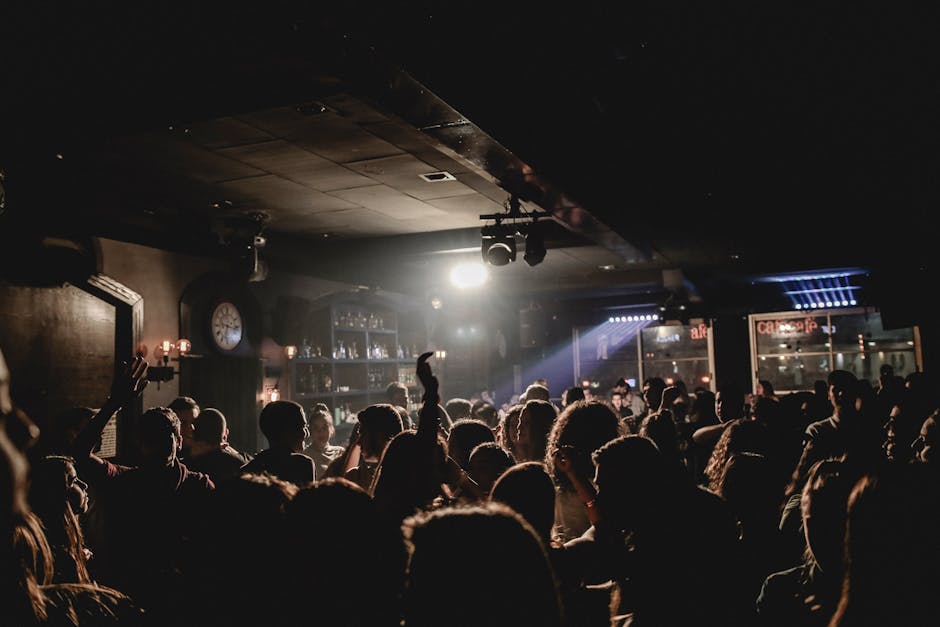
Toronto’s nightclub scene in 2026 is less about flashy mega-clubs and more about curated musical experiences. The city has embraced a global shift toward quality sound, thoughtful programming, and inclusive dance floors—and the results are thrilling.
Cafeteria is the venue that best captures this new energy. Specializing in house, techno, and disco, Cafeteria attracts serious music lovers who come for the DJs rather than the bottle service. The sound system is meticulously tuned, the lighting design is immersive, and the crowd is refreshingly unpretentious. International headliners and local selectors share the bill, making every weekend feel like a mini-festival.
Rhythm has earned a reputation as one of the best underground music venues in Canada. Its world-class sound system, designed to audiophile specifications, delivers bone-shaking bass and crystal-clear highs that make you hear familiar tracks in a completely new way. During the day, Rhythm doubles as a record shop—a testament to the owners’ genuine love of music culture.
Future Nightclub takes a different approach, embracing multiple genres across its multi-room layout. One room might feature progressive house, another drum and bass, and a third hip-hop or R&B. Cutting-edge lighting and LED technology create immersive visual environments that shift with each genre. It is one of the largest dance venues in the city and regularly hosts marquee events and touring acts.
DPRTMNT Toronto, located in the heart of the Entertainment District, caters to a crowd that enjoys high-energy nights, premium table service, and a mix of EDM, hip-hop, and Top 40. If a big-room, high-octane club experience is what you are after, DPRTMNT delivers.
For detailed profiles of every major venue, cover charge information, and upcoming event listings, see our guide to the best nightclubs in Toronto.
Live Music Venues
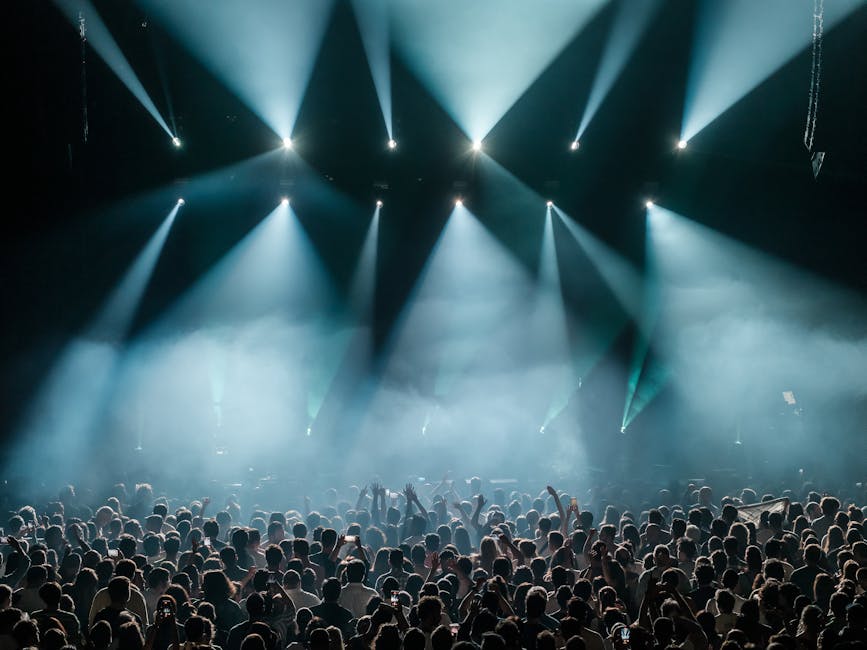
Toronto’s live music scene is one of the richest in the world. The city has launched the careers of Drake, The Weeknd, Broken Social Scene, and countless other artists, and its network of venues—from 150-capacity rooms to 2,700-seat heritage halls—ensures there is a show happening every single night of the week.
Massey Hall, newly revitalized after a major restoration, is the crown jewel of Toronto’s live music infrastructure. Opened in 1894, this acoustically magnificent hall has hosted everyone from Charlie Parker to Neil Young to Gordon Lightfoot. The renovation preserved the venue’s intimate Victorian character while adding modern amenities and the underground Allied Music Centre, which includes additional performance spaces and recording studios.
The Horseshoe Tavern, mentioned earlier, is the nerve centre of Toronto’s indie rock scene. Its 450-capacity room has launched more Canadian music careers than almost any other venue. Check the calendar for emerging local bands and touring acts alike.
The Rex Hotel Jazz & Blues Bar is Toronto’s premier jazz venue, presenting two sets per night, seven days a week, with no cover charge on most nights. Located at Queen and St. Patrick, The Rex attracts both established jazz musicians and rising stars. The intimate room, with its low ceiling and warm lighting, creates the perfect environment for getting lost in a saxophone solo.
Lee’s Palace on Bloor Street West is an alt-rock institution, its facade covered in wild, psychedelic murals. The 500-capacity room upstairs hosts punk, metal, indie, and electronic shows, while the smaller Dance Cave downstairs runs themed DJ nights. It is gritty, loud, and absolutely essential.
The Danforth Music Hall, a beautifully restored 1919 movie palace, bridges the gap between mid-size club shows and arena concerts. Its 1,500-person capacity and superb acoustics make it a favourite for touring acts on the rise. The neighbourhood location on the Danforth offers plenty of pre-show dining options—see our Toronto neighbourhoods guide for more on the Danforth.
The Drake Hotel on Queen West operates a versatile live music program in its intimate Underground space, hosting everything from experimental electronic acts to spoken-word performances and album release parties.
Our dedicated live music venues in Toronto guide covers every venue, genre, and neighbourhood in detail.
Comedy Clubs
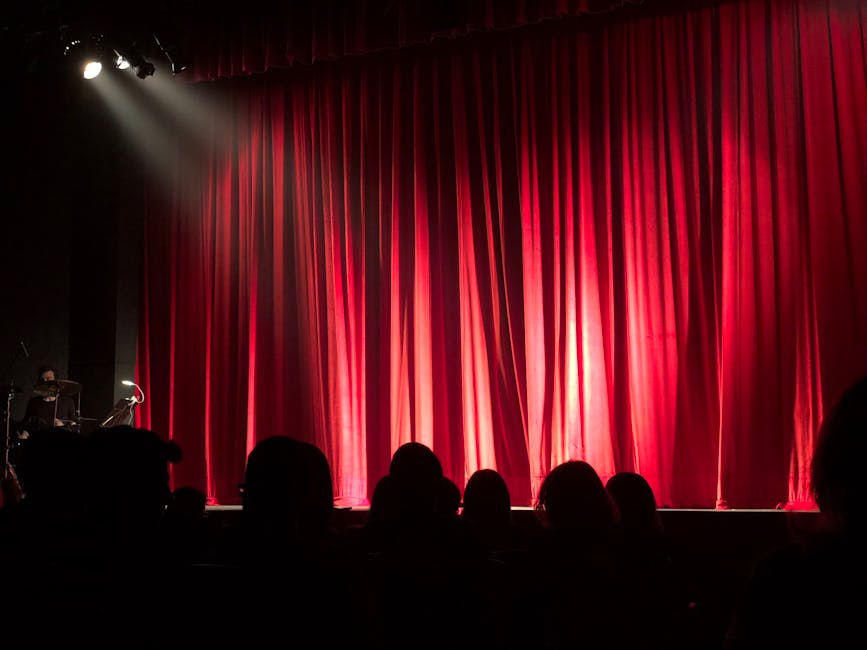
Toronto has one of the strongest comedy scenes in North America, serving as a training ground for legends like Jim Carrey, Mike Myers, Catherine O’Hara, and Eugene Levy. In 2026, the city’s comedy infrastructure is more robust than ever, with purpose-built clubs running shows seven nights a week and a thriving open-mic circuit that keeps feeding new talent into the pipeline.
The Second City, located on Mercer Street in the Entertainment District, is the most famous comedy institution in the country. Its improv and sketch comedy revues have been running continuously since the Toronto location opened, and the alumni list reads like a who’s who of Canadian and American comedy. Shows run multiple nights per week, with a mainstage revue, a touring company show, and late-night improv sets that often feature surprise drop-ins from established comedians. Visit The Second City’s website for current showtimes.
Toronto Comedy Bar, located in the Junction neighbourhood, is the workhorse of the city’s comedy scene. With more than 150 shows per month across seven nights a week, Comedy Bar programs an astonishing range of comedy: stand-up, improv, sketch, variety shows, podcasts recorded live, and experimental formats that defy categorization. The room is small and the energy is electric.
Yuk Yuk’s, the legendary Canadian stand-up chain, has been operating in Toronto for more than 40 years. The downtown location on Richmond Street features a mix of established headliners and up-and-coming comics on a traditional stand-up format. Wednesday amateur nights are a rite of passage for aspiring comedians—and a great way for audiences to catch the next big thing before anyone else.
The Boardroom Comedy Club in Midtown offers a more intimate setting for stand-up, with a focus on storytelling and character-driven comedy. The smaller room creates a connection between performer and audience that is hard to replicate in larger venues.
For show schedules, ticket prices, and tips on catching the best comedy in the city, see our comedy clubs in Toronto guide.
Theatre & Performing Arts
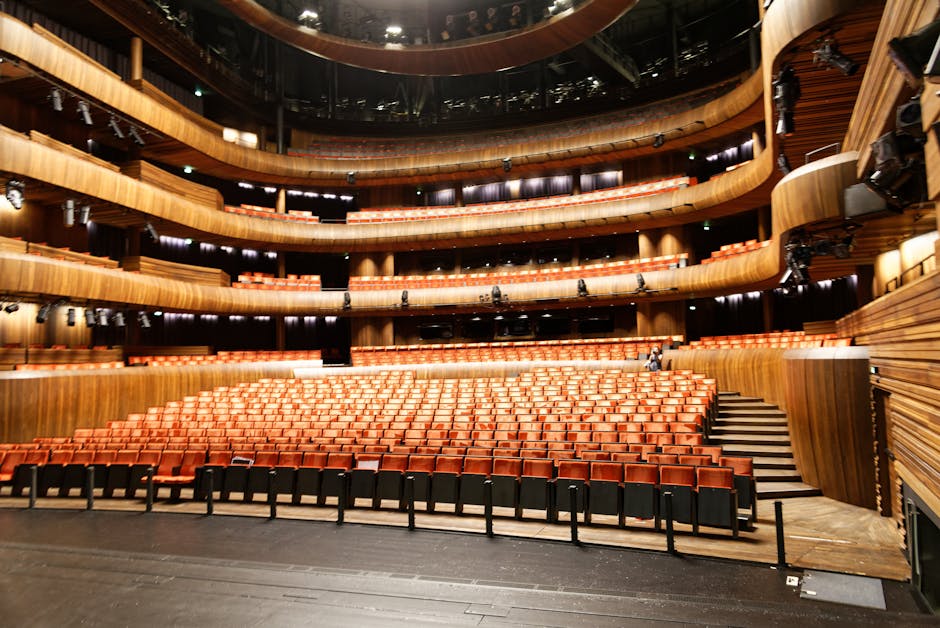
Toronto is the third-largest English-speaking theatre market in the world, behind only London and New York. The city’s Theatre District, anchored by the Mirvish family’s portfolio of historic venues, hosts touring Broadway productions, homegrown Canadian premieres, and everything in between. For visitors who think Toronto nightlife is all about bars and clubs, the theatre scene is a revelatory alternative.
The Princess of Wales Theatre and Royal Alexandra Theatre, both on King Street West, are the flagship Mirvish venues. The Princess of Wales, purpose-built in 1993 with murals by Frank Stella, regularly hosts the biggest touring musicals—think The Lion King, Hamilton, and Come From Away. The Royal Alex, opened in 1907, is the oldest continuously operating legitimate theatre in North America, and its ornate Edwardian interior is a spectacle in its own right.
The Ed Mirvish Theatre on Yonge Street and the CAA Theatre on Alexander Street round out the Mirvish portfolio, hosting a mix of plays, musicals, and special engagements. Between the four venues, there is almost always a Mirvish production running on any given night.
The Four Seasons Centre for the Performing Arts is home to the Canadian Opera Company and the National Ballet of Canada. Designed by Jack Diamond, the building’s glass facade and state-of-the-art acoustics make it one of the finest opera houses in North America. Even if you have never attended ballet or opera, a performance here is a memorable experience.
Explore our Toronto theatre shows guide for current listings, how to get discounted tickets, and which productions are worth booking in advance.
Toronto’s Neighbourhood Nightlife Scenes
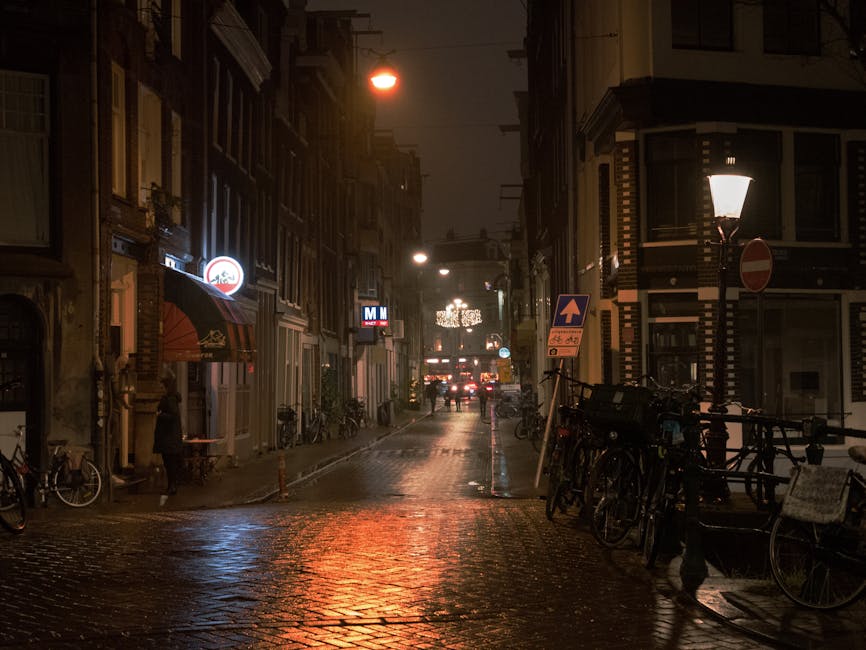
One of the things that makes Toronto nightlife so special is how distinctly each neighbourhood has its own personality after dark. Rather than concentrating everything in a single district, the city’s nightlife is spread across a patchwork of walkable strips, each with its own flavour. Getting between them is easy—see our getting around Toronto guide for transit tips.
The Ossington Strip
Ossington Avenue between Dundas and Queen has quietly become one of the coolest nightlife strips in the city. The street is lined with wine bars, cocktail lounges, and small-plate restaurants that attract a creative, 25-to-40 crowd. Notable spots include Bellwoods Brewery’s taproom, Bar Raval with its stunning Gaudi-inspired wood interior, and the jazz-tinged vibes of The Communist’s Daughter. The Ossington strip is best experienced on foot, moving from one intimate venue to the next.
Queen Street West
Queen West from University to Bathurst has been Toronto’s bohemian main street for decades, and while the neighbourhood has gentrified significantly, it retains a creative, slightly rebellious edge. This is where you will find The Horseshoe Tavern, The Cameron House, The Shameful Tiki Room, and The Drake Hotel—all within a 20-minute walk of each other. The vibe skews artsy and eclectic, with a mix of ages and styles.
King Street West
King West overlaps with the Entertainment District but extends further west toward Liberty Village. The eastern end near University Avenue is more corporate and polished, with upscale restaurants and sleek cocktail bars. As you move west past Bathurst, the vibe loosens up, with breweries, live music venues, and late-night eateries. This is the strip for anyone who wants options—you can start with dinner, move to a cocktail bar, catch a show, and end at a club, all within walking distance.
Dundas West & The Junction
Dundas West from Ossington to Lansdowne, and extending into the Junction neighbourhood further west, is where much of Toronto’s creative energy lives. This is the home of Toronto Comedy Bar, numerous craft breweries and taprooms, and a roster of restaurants and bars that reflect the neighbourhood’s Portuguese, Latin American, and Southeast Asian communities. The nightlife here is less about glitz and more about authenticity.
The Danforth
The Danforth, stretching east of the Don Valley along Danforth Avenue, is historically Toronto’s Greek neighbourhood, and its nightlife reflects that heritage with late-night patios, live bouzouki music, and family-run tavernas that stay open past midnight. In recent years, the strip has also welcomed craft cocktail spots and the venerable Danforth Music Hall, making it a worthy destination for an evening across the river.
Practical Tips for Toronto Nightlife
Before you head out for a night on the town, here are the essential things every visitor should know about Toronto nightlife in 2026.
Dress Codes
Dress codes vary significantly across Toronto. Most bars and live music venues are come-as-you-are—jeans, sneakers, and a decent top will get you in anywhere on Ossington or Queen West. Nightclubs in the Entertainment District, however, often enforce stricter dress codes: no athletic wear, no open-toed shoes for men, and a general expectation of smart-casual or better. Rooftop bars like Lavelle and Kost trend toward stylish summer attire. When in doubt, check the venue’s Instagram or website before heading out.
Cover Charges
Many Toronto bars do not charge a cover. Nightclubs typically charge $15–$40 depending on the night and the DJ, with major events or holiday weekends commanding higher prices. Guest lists (usually available through the club’s social media or promoters) often offer free or reduced entry before a certain time. Comedy shows range from $10–$30, while theatre tickets start around $40 and can exceed $200 for premium Broadway productions.
Getting Around at Night
The TTC (Toronto Transit Commission) operates subway service until approximately 1:30 AM on weekdays and 1:30 AM on Saturdays, with the Blue Night Network of buses and streetcars running all night on major routes. Ride-sharing services like Uber and Lyft are widely available and are the most common way to get home late at night. Surge pricing is common after 2 AM on weekends. For a full breakdown of transit options, see our getting around Toronto guide.
Safety Tips
- Toronto is generally a very safe city, but standard big-city precautions apply after dark.
- Stick to well-lit, populated streets, especially when walking alone late at night.
- Keep your phone and wallet secure in crowded venues.
- Never leave drinks unattended—reputable bars take drink safety seriously, and staff are trained to help if you feel unsafe.
- Use licensed taxis or ride-sharing apps rather than accepting rides from unmarked vehicles.
- Save your hotel address in your phone so you can easily share it with a driver at the end of the night.
Tipping Etiquette
Tipping is customary and expected in Toronto. At bars, tip $1–$2 per drink for beer and wine, or 18–20% of the tab for cocktails and table service. At restaurants, 18–20% is standard. Coat check is typically $2–$3 per item. At comedy shows and live music venues, there is no additional tip expected beyond what you leave at the bar.
Legal Drinking Age & Last Call
The legal drinking age in Ontario is 19. ID is checked rigorously at virtually every bar, club, and venue in the city—carry government-issued photo identification at all times. Last call is 2:00 AM by law, though some venues have obtained extended licenses that allow service until 4:00 AM on weekends. Bars and restaurants that serve alcohol must also serve food.
Planning Your Night Out in Toronto
Best Nights to Go Out
Friday and Saturday nights are the busiest and most energetic, but Toronto nightlife is surprisingly strong on weeknights too. Thursday is the unofficial start of the weekend for many locals, with most clubs and bars running full programming. Tuesday and Wednesday nights often feature industry nights, open mics, and reduced cover charges—ideal if you want to experience the scene without the weekend crowds. Monday is the quietest night, though jazz clubs like The Rex and comedy venues like Comedy Bar still run shows.
Seasonal Highlights
Summer (June through September) is peak season for Toronto nightlife. Rooftop bars open their patios, outdoor festivals like NXNE take over city streets, and the Toronto International Film Festival in September brings celebrity-filled parties and pop-up events. Winter does not slow things down—it simply moves the action indoors, with holiday-themed cocktail pop-ups, New Year’s Eve galas, and a robust theatre season. Check our Toronto events and festivals guide for specific dates.
Budgeting for a Night Out
A night out in Toronto can cost as little or as much as you want. Here is a rough breakdown:
- Budget night ($30–$60): A couple of drinks at a dive bar or casual pub, plus a late-night slice of pizza. Catch a free live music show at The Rex or an open mic at a comedy club.
- Mid-range night ($80–$150): Cocktails at a speakeasy, dinner at a mid-range restaurant, and a comedy show or live music cover charge. Uber home.
- Splurge night ($200+): Rooftop drinks at Kost, dinner in the Entertainment District, premium theatre tickets, and a nightcap at a hotel bar.
Related Articles
Continue exploring Toronto with these guides from our things to do in Toronto series:
- Toronto Food Guide — Where to eat before, during, and after your night out
- Toronto Neighbourhoods Guide — Explore the city’s distinct districts
- Getting Around Toronto — Transit, taxis, and ride-sharing tips
- Toronto Events & Festivals — Seasonal happenings and nightlife events
- Best Bars in Toronto — Deep dive into the city’s top drinking spots
- Best Nightclubs in Toronto — Club profiles, cover charges, and event calendars
- Live Music Venues in Toronto — Every genre, every neighbourhood
- Comedy Clubs in Toronto — Stand-up, improv, and sketch comedy
- Toronto Theatre Shows — Broadway tours, Canadian premieres, and ticket tips
- Rooftop Bars in Toronto — The best patios with a view
- Craft Breweries in Toronto — Taprooms and brewery tours
Leave a Reply