Pride Toronto is one of the world’s largest 2SLGBTQ+ Pride celebrations, drawing more than a million festival attendees each June, with parades, marches, festivals, and cultural events throughout the month centred in the Church-Wellesley Village. The headliner is the legendary Pride Parade on the final Sunday of June, when 200+ groups march from Church and Bloor through the Village to Yonge-Dundas Square in one of North America’s most colourful and joyfully political celebrations. Beyond the parade, Pride Toronto includes the Trans March, the Dyke March, the Pride in the Streets street festival, the Family Pride day, the South Asian Pride event, and dozens of free outdoor concerts. This complete guide covers Pride Toronto in 2026 — the parade, schedule, must-see events, accommodation tips, and answers to the questions visitors ask most. For broader context, see our complete Toronto events and festivals guide.
For the official Pride Toronto schedule and tickets, see the official Pride Toronto website.
Pride Toronto: Quick Facts
Festival Period: Late June (10 days), with the Pride Parade on the final Sunday of June.
Pride Parade: Sunday, June 28, 2026.
Trans March: Friday before the parade.
Dyke March: Saturday before the parade.
Attendance: more than a million festival attendees.
Founded: 1981 as Toronto’s first official Pride parade.
Location: Church-Wellesley Village; parade route through downtown.
Best for: 2SLGBTQ+ travellers and allies, party-goers, music lovers, anyone celebrating inclusion and diversity.
Pride Toronto: The Pride Parade
Route & Timing
The Pride Parade typically starts at Church and Bloor Streets and proceeds south through the Village along Church Street, then west on Yonge Street, ending at Yonge-Dundas Square. The route is approximately 4 km. The parade starts at 2 p.m. and continues for 4–5 hours.
What to Expect
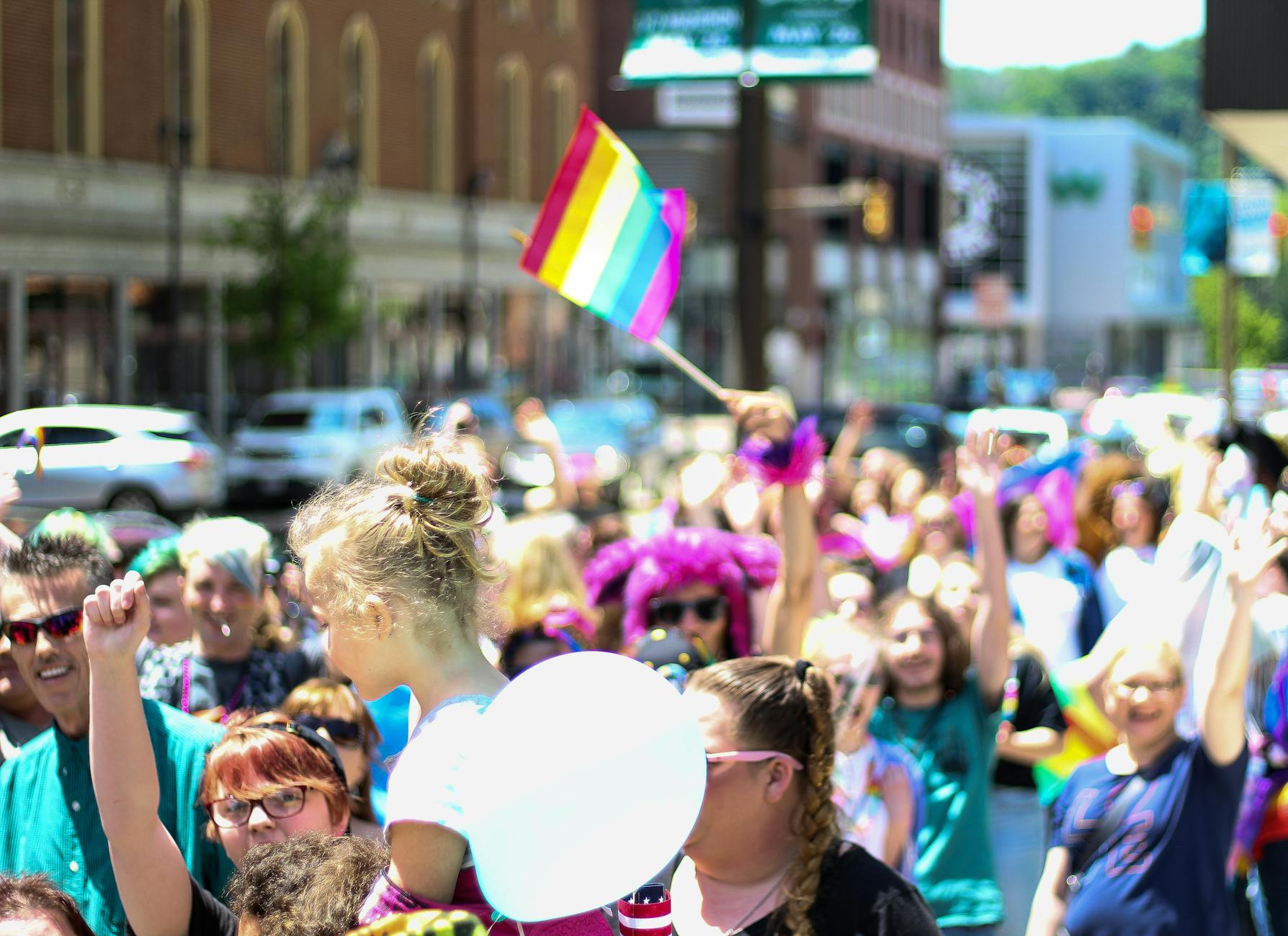
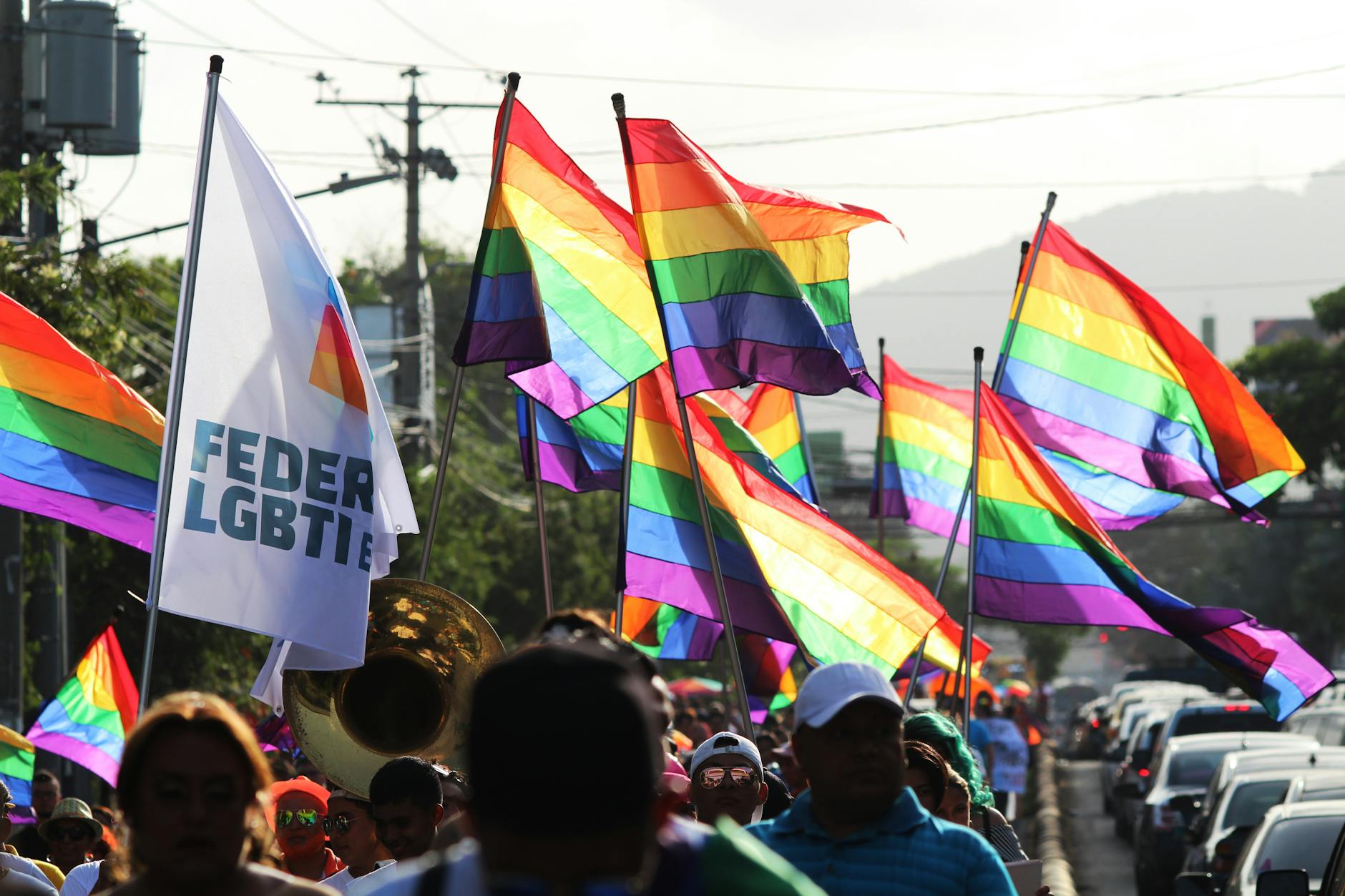
200+ groups march including community organizations, advocacy groups, religious organizations, businesses, political parties, and cultural collectives. Floats range from elaborate corporate displays to grassroots community presentations. Music, dancing, and drag performances throughout the route. The atmosphere is celebratory, defiant, and joyful.
Where to Watch
Church Street (Village section): The most-loved viewing area. Free public viewing from sidewalks. Most festive atmosphere; surrounded by Pride decorations.
Yonge Street: Latter part of the parade. Less crowded than the Village.
Yonge-Dundas Square: Parade endpoint with stage performances. Reserved seating areas for VIP ticket holders.
Tips for Watching the Parade
Arrive 30–60 minutes before 2 p.m. start for good viewing. Bring sun protection — the route is exposed. Stay hydrated. Allow time for crowds at exit points. The atmosphere is welcoming and inclusive; bring a Pride flag or wear rainbow if you’d like to show solidarity.
Pride Toronto: Other Major Events
Trans March (Friday)
The Trans March, held on the Friday before the parade, is a transgender-led protest march from the AIDS Memorial in Cawthra Park down Church Street. The first stop is at the Buddies in Bad Times Theatre. Highlights the unique struggles, victories, and contributions of the trans community.
Dyke March (Saturday)
The Dyke March, on the Saturday before the parade, is a lesbian-led march celebrating queer women, non-binary, and gender-nonconforming visibility. Originated as a response to lesbian visibility within Pride.
Pride in the Streets (Saturday-Sunday)
The closing weekend street festival on Church Street with multiple stages, vendors, food trucks, and DJ programming. Free public access.
Family Pride
The family-focused day of programming with kid-friendly events, drag queen story times, and family-themed activities.
South Asian Pride
Cultural celebration centred on South Asian 2SLGBTQ+ communities.
Pride Indigenous Programming
Two-Spirit and Indigenous 2SLGBTQ+ events and programming throughout the festival.
Pride Concert Series
Free outdoor concerts at Yonge-Dundas Square and various stages throughout the festival.
Pride Toronto: Where to Stay
Church-Wellesley Village (At the Festival)
Several boutique hotels and short-term rentals in the heart of the Village. Most book up 6+ months ahead for Pride weekend.
Yorkville & Bloor-Yonge (5 Minutes Walk)
Park Hyatt Toronto, Four Seasons Hotel Toronto, Hazelton Hotel, InterContinental Toronto Yorkville. Walking distance to the Village. See our Yorkville guide.
Eaton Centre / Yonge-Dundas (10 Minutes Walk)
Chelsea Hotel, Marriott Eaton Centre. Walking distance to the parade endpoint.
For more accommodation guidance, see our best hotels in downtown Toronto guide.
Pride Toronto: Where to Eat & Drink
Church-Wellesley Village Restaurants
The Village has dozens of LGBTQ+-owned and operated restaurants and bars. Some long-running highlights:
Hair of the Dog Pub: Casual gay-friendly pub with strong patio.
O’Grady’s on Church: Iconic Village pub.
Crews & Tangos: Drag bar with the most-loved Village drag programming.
Woody’s: Long-running gay bar at the corner of Church and Wood.
Pegasus on Church: Bar with rooftop patio.
The Drink: Modern cocktail bar in the Village.
Glad Day Bookshop & Cafe: The world’s oldest LGBTQ+ bookshop, with attached cafe.
Festival Food Vendors
The Pride in the Streets street festival features dozens of food vendors. Most plates $15–$25.
Pride Toronto: How to Get There
By Subway
Take Yonge-University Line 1 to Wellesley Station (heart of the Village) or Bloor-Yonge Station (parade start area).
By Streetcar
The 506 Carlton streetcar passes through the Village.
By Walking
From Yorkville: 5 minutes south. From the Eaton Centre: 10 minutes north. From Casa Loma: 25 minutes south.
Driving
Most Village streets close during the parade and festival. Driving is severely impacted; transit is strongly recommended.
Pride Toronto: Tips for Visitors
Arrive early. Parade route fills by mid-morning. Trans March and Dyke March also draw crowds.
Bring sun protection. Late June can be hot. Hat, sunscreen, sunglasses essential.
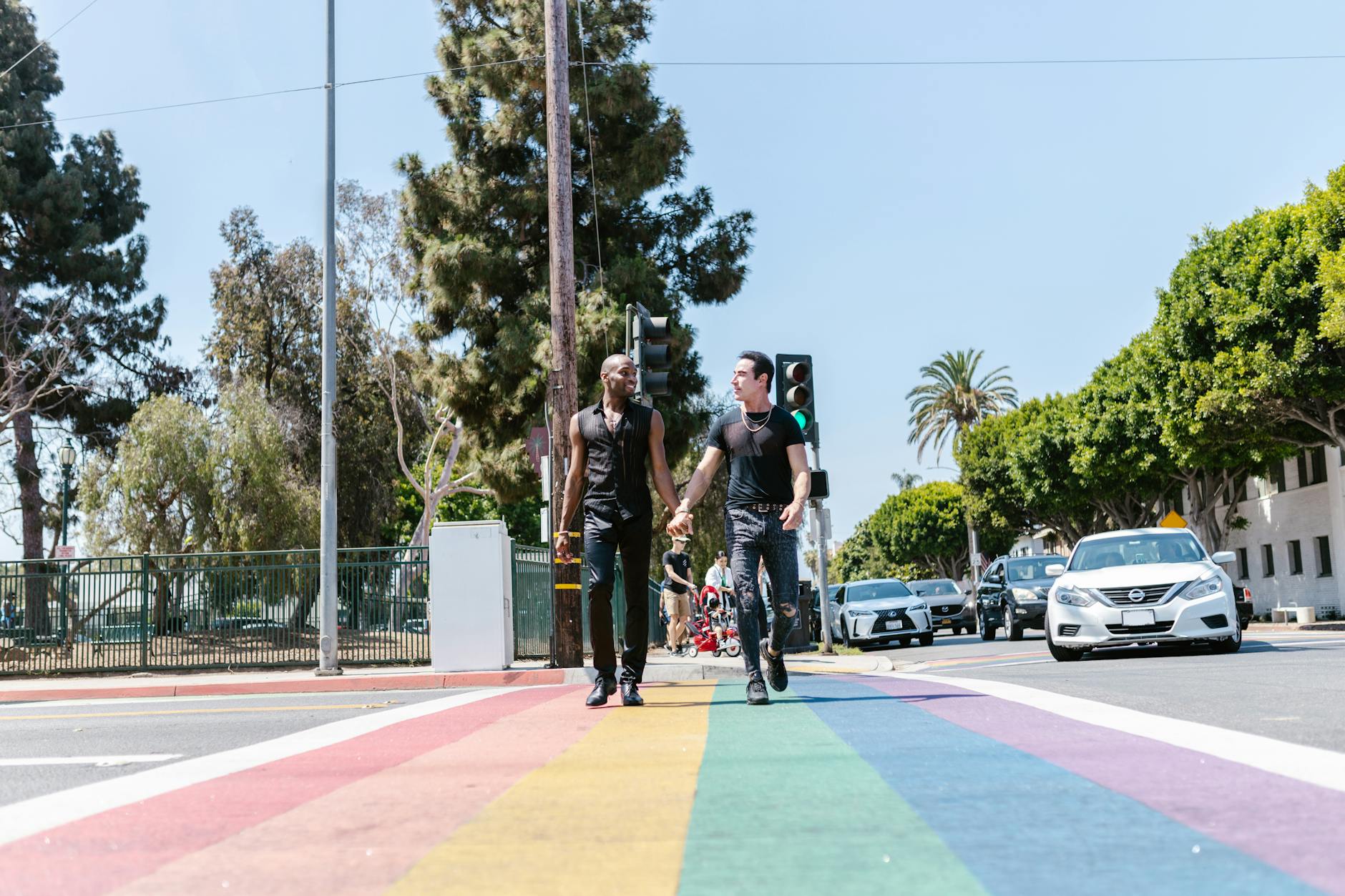
Wear rainbow if you’d like. Show solidarity with Pride flags, rainbow clothing, or face paint.
Use public transit. Driving is impacted significantly.
Plan around major events. The Pride Parade Sunday is the busiest day; Trans March Friday and Dyke March Saturday are also major.
Book accommodations 6+ months ahead. Pride is one of Toronto’s busiest weekends. Hotels fill up quickly.
Visit the Village year-round. Church-Wellesley Village is alive year-round, not just during Pride. Pre- or post-Pride visits work well.
Don’t skip Glad Day Bookshop. The world’s oldest LGBTQ+ bookshop is a Toronto cultural institution.
Watch your belongings. Pickpocketing increases at large public events.
Stay safe in the heat. Late June can be hot and humid. Take breaks; find shade.
Pride Toronto: For Different Visitors
First-Time Pride-Goers
Watch the Pride Parade from Church Street viewing. Walk the Village. Attend the Pride in the Streets festival.
2SLGBTQ+ Travellers
The full festival programming including Trans March, Dyke March, identity-specific events, and night-time programming.
Allies
Watch the parade. Attend free outdoor programming. Visit Glad Day Bookshop and Village restaurants.
Families with Kids
Family Pride programming. Drag queen story times. The parade itself is family-friendly though crowded.
Music Lovers
Pride Concert Series at Yonge-Dundas Square and various Village stages. Free outdoor performances throughout.
Photographers
The Pride Parade is one of the most colourful events in Canada. The Village decorations and crowd shots are exceptional.
Pride Toronto: History
The first Toronto Pride march was held in 1981 in response to police raids on Toronto bathhouses (the “Toronto bathhouse raids”). The march was originally a defiant protest demanding LGBTQ+ rights.
Throughout the 1980s through 2000s, Pride Toronto grew dramatically as Toronto’s 2SLGBTQ+ community gained legal recognition and cultural acceptance. Same-sex marriage was legalized in Ontario in 2003 (and Canada-wide in 2005), with Pride Toronto’s celebration becoming increasingly visible and mainstream.
Today Pride Toronto is operated by Pride Toronto Inc. and continues as one of the world’s most important Pride celebrations.
Pride Toronto: Year-Round Village Life
The Church-Wellesley Village is alive year-round, not just during Pride.
Glad Day Bookshop
Founded 1970; the world’s oldest LGBTQ+ bookshop. Books, events, and a cafe.
Buddies in Bad Times Theatre
Long-running queer-focused theatre on the edge of the Village.
The 519
2SLGBTQ+ community centre at Cawthra Park. Programming, advocacy, and community space.
AIDS Memorial
The AIDS Memorial in Cawthra Park honours those lost to HIV/AIDS. Solemn memorial; quiet reflection space.
Year-Round Bars
Crews & Tangos, Woody’s, Pegasus, Hair of the Dog, and dozens of others operate year-round.
Frequently Asked Questions: Pride Toronto
When is Pride Toronto?
Pride Toronto runs the last week of June (10 days) with the Pride Parade on the final Sunday of June. The 2026 Pride Parade is Sunday, June 28, 2026.
Where is Pride Toronto held?
Centred in the Church-Wellesley Village (Toronto’s historic LGBTQ+ neighbourhood). The Pride Parade route runs from Church and Bloor through the Village to Yonge-Dundas Square.
How much does Pride Toronto cost?
Watching the Pride Parade and Pride in the Streets festival is free. Some special events and concerts have ticketed access.
How many people attend Pride Toronto?
More than a million people attend the festival, which runs with events throughout June and builds to the festival weekend of 25 to 28 June in 2026.
What is the Trans March?
The Trans March is the transgender-led protest march held on the Friday before the Pride Parade. From Cawthra Park’s AIDS Memorial down Church Street.
What is the Dyke March?
The Dyke March is the lesbian-led march held on the Saturday before the Pride Parade. Celebrates queer women, non-binary, and gender-nonconforming visibility.
Is Pride Toronto family-friendly?
Yes — Family Pride programming, drag queen story times, and the parade itself welcome families. Some night-time programming is adult-focused.
When did Pride Toronto start?
Pride Toronto’s first march was in 1981 as a protest against Toronto bathhouse raids. Today it’s one of the world’s largest Pride celebrations.
How do I get to Pride Toronto?
Take Yonge-University Line 1 to Wellesley Station or Bloor-Yonge Station. Driving is severely impacted; transit is strongly recommended.
Where should I stay during Pride Toronto?
Church-Wellesley Village (in the heart of the festival), Yorkville (5-minute walk south), or Eaton Centre area (10-minute walk south). Book 6+ months ahead.
Pride may take over the whole of downtown for a weekend, but the rest of the year its home is a few blocks of Church Street. If you want to see what the neighbourhood is like when it is not hosting a million visitors — Woody’s on a Saturday, nightly drag at Crews & Tangos, the free drag brunch at Church St. Garage — read our guide to Church-Wellesley Village.
Plan Your Pride Toronto Visit
Pride Toronto is one of the world’s great celebrations of 2SLGBTQ+ pride, identity, and resistance. The combination of the legendary Pride Parade, the Trans March and Dyke March, the Pride in the Streets street festival, and the year-round Village culture makes Toronto a essential destination for 2SLGBTQ+ travellers and their allies. For first-time visitors, watch the Pride Parade from Church Street, walk the Village, and attend the Pride in the Streets festival. Whatever your style, prepare for crowds, joy, and one of Canada’s most defiantly celebratory cultural events.
For more cultural inspiration, see our complete Toronto events and festivals guide, our Toronto nightlife guide, and our Yorkville guide. Pride sits in a packed summer season alongside Caribana and TIFF.