Toronto has earned its reputation as one of the world’s most exciting dining destinations, with Toronto restaurants representing over 200 cuisines across diverse neighbourhoods. Whether you’re seeking Michelin-starred fine dining, authentic street food, or hidden gems in immigrant communities, this comprehensive Toronto food guide will help you discover where to eat in Toronto and experience culinary excellence.
Toronto’s Multicultural Food Scene: A World of Flavours
Toronto restaurants showcase an incredible diversity that reflects the city’s multicultural population. With 200+ cuisines represented and communities from over 140 ethnic backgrounds, Toronto restaurants offer authentic international dining experiences without leaving the city. The food scene is deeply rooted in immigrant traditions, where families have brought their culinary heritage and opened restaurants that have become beloved institutions. This multicultural foundation means Toronto restaurants don’t just serve food—they tell stories of migration, cultural pride, and culinary innovation. You’ll find everything from traditional recipes passed down through generations to contemporary fusion dishes that blend culinary traditions. Toronto restaurants have become gathering places where different communities celebrate their heritage while sharing it with fellow residents and visitors. The evolution of Toronto restaurants reflects waves of immigration from Europe, Asia, the Middle East, Africa, and the Americas. Each wave brought not just cuisine, but ingredients, techniques, and cultural values that transformed the city’s food landscape. Portuguese, Italian, Greek, and Eastern European restaurants established in the mid-twentieth century created the foundation for Toronto’s restaurant culture. Today’s explosion of Asian, Middle Eastern, and Latin American Toronto restaurants represents recent immigration patterns and growing interest in global cuisines. Walking through Toronto’s neighborhoods reveals how Toronto restaurants mark cultural territories. College Street is Italian; Gerrard Street is Indian; Spadina Avenue is Chinese; and each represents generations of restaurants building credibility and customer loyalty. New immigrants today have the advantage of learning from these established communities, creating innovation within tradition. Contemporary Toronto restaurants increasingly feature young chefs trained abroad working with ingredients sourced from immigrant communities, creating sophisticated fusion cuisine that respects heritage while pushing boundaries. This diversity has transformed Toronto into a destination where culinary tourism matters. Food writers, chefs, and enthusiasts visit Toronto restaurants specifically to experience the breadth of authentic cuisine. International recognition has followed—guides and media consistently highlight Toronto restaurants as among North America’s most exciting food destinations. The competitive environment keeps Toronto restaurants constantly evolving, innovating, and improving to maintain their standing in an increasingly sophisticated market.
Best Toronto Restaurants for Fine Dining
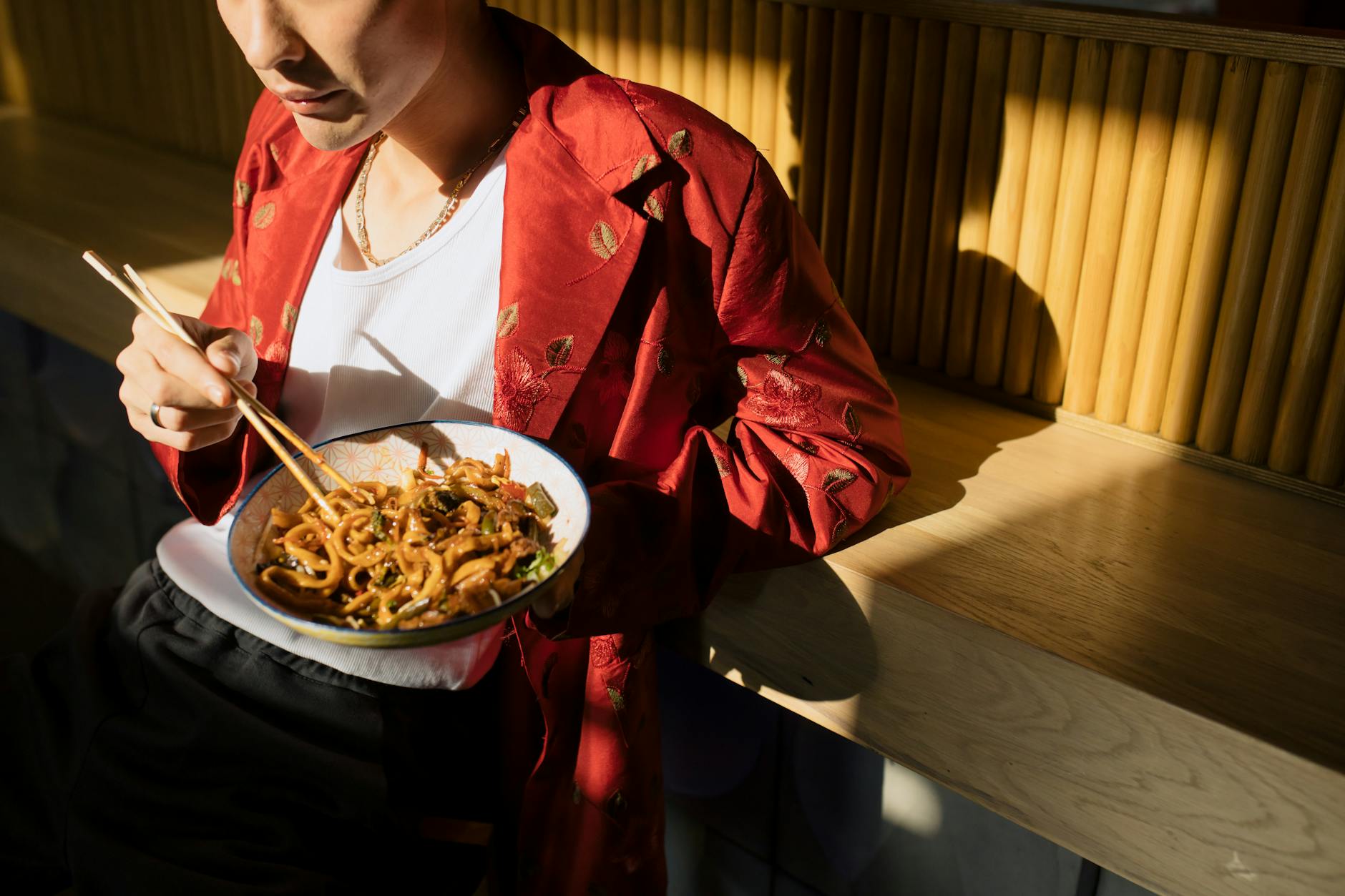
Toronto’s fine dining scene earned significant recognition in the 2025 Michelin Guide, which featured 1 two-star restaurant, 16 one-star establishments, and 26 Bib Gourmand selections. These Toronto restaurants represent the pinnacle of culinary excellence, where innovative chefs create unforgettable dining experiences. The Michelin selections validate what Toronto diners have known for years—the city hosts world-class culinary talent capable of competing with the best restaurants globally. Key fine dining destinations include Alo, known for its intimate tasting menu experience featuring 14-16 courses of contemporary cuisine; Akin, which focuses on Northern European cuisine with carefully selected seasonal ingredients sourced from trusted suppliers; Aburi Hana, celebrated for its exceptional omakase combining traditional Japanese techniques with innovative presentations; and Don Alfonso 1890, offering authentic Italian cuisine with roots in Mediterranean culinary traditions. Canoe Restaurant provides spectacular views of Lake Ontario alongside contemporary Canadian cuisine prepared with precision. DaNico offers an ambitious 20-course tasting menu that represents executive chef’s culinary philosophy and technical mastery. Sushi Yugen specializes in intimate 16-18 course omakase experiences, where diners sit at the sushi counter and experience each piece freshly prepared by master sushi craftspeople. These Toronto restaurants demand respect for their craft—reservations book months in advance, and cancellation policies reflect the preparation required. For sustainability-conscious diners, three Toronto restaurants have earned Green Star designations, combining fine dining with environmental responsibility. These establishments represent the evolution of Toronto restaurants as destinations that prioritize both excellence and ethics. They source locally when possible, minimize waste, reduce carbon footprints, and support sustainable fishing practices. Visiting Green Star Toronto restaurants allows fine dining enjoyment aligned with environmental values. Fine dining at Toronto restaurants increasingly features tasting menus exclusively, removing choice to allow chefs creative control and ensuring consistency. Wine pairings have become integral—sommeliers curate bottles that enhance each course. The dining experience extends beyond food to ambiance, service precision, and the theatrical presentation of dishes. For special occasions, anniversaries, and milestone celebrations, these Toronto restaurants deliver memories extending far beyond taste.
Budget-Friendly Eats: Best Cheap Food in Toronto
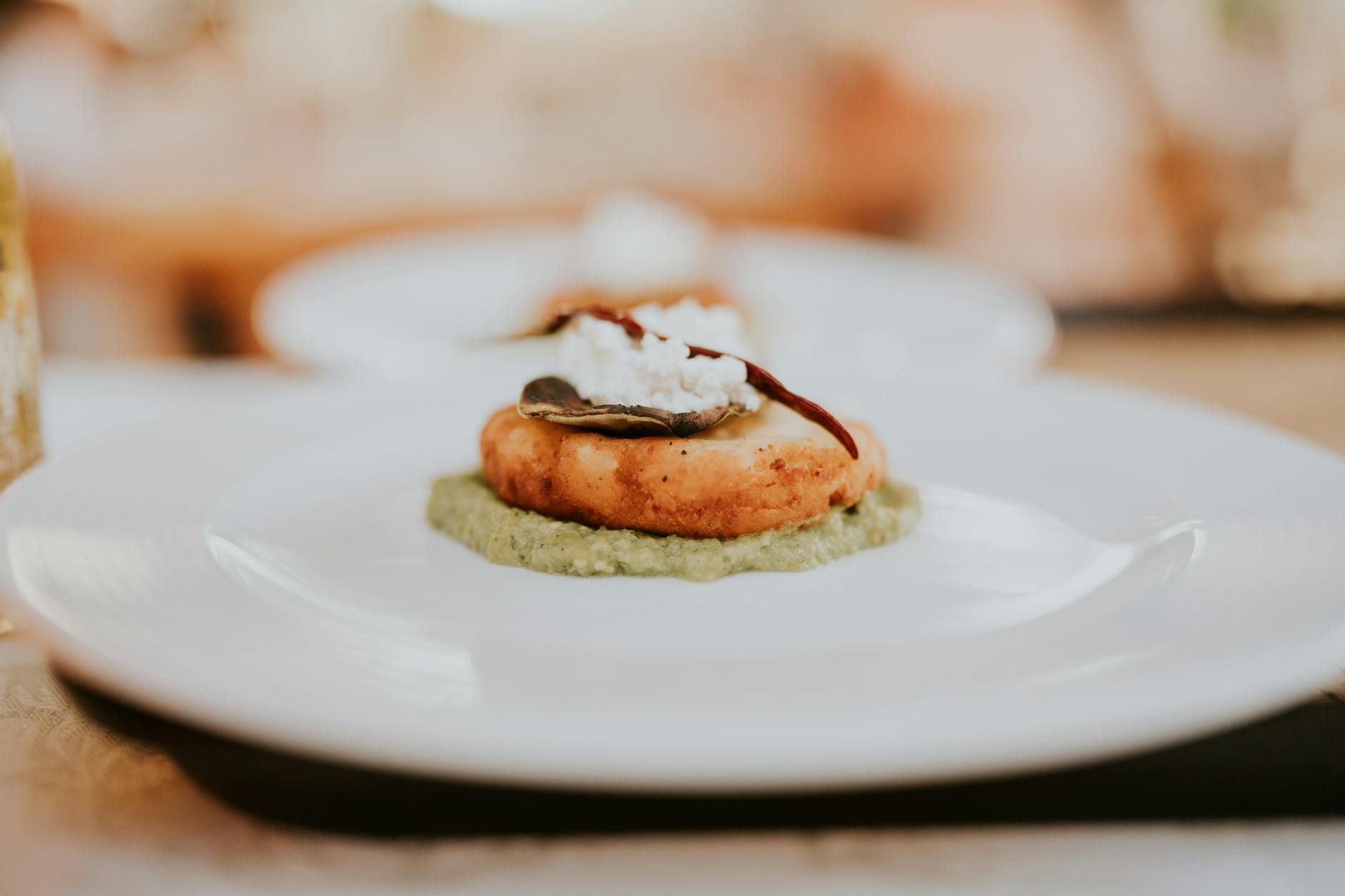
Not all memorable meals at Toronto restaurants require splurging. The city offers countless affordable options where you can eat well for under $15, making quality dining accessible to students, families, and budget travelers. Student neighborhoods like the Annex and Little Italy have long been destinations for budget-conscious diners seeking quality Toronto restaurants with prices that won’t strain your wallet. These areas have developed ecosystems of affordable casual restaurants that prioritize value without sacrificing flavor. Chinatown remains the gold standard for affordable, authentic cuisine. Dim sum restaurants where carts roll through dining rooms with small plates priced from $3-5 offer exceptional value and variety. Noodle houses, congee shops, and casual eateries offer generous portions for minimal cost. Walking through Chinatown’s streets, you’ll find Toronto restaurants with hand-written menus in windows, where local knowledge matters more than ambiance. These establishments have served neighborhoods for decades, building reputation through consistency and quality. Kensington Market is another treasure trove for budget meals, with food stalls, casual spots, and vintage shops creating a vibrant atmosphere where eating and shopping intertwine. Portuguese bakeries, vegetarian restaurants, and international cuisine vendors make budget dining an adventure. The vintage shops create opportunities for eclectic browsing between courses. Food courts across the city—particularly in commercial areas and transit hubs—offer diverse cuisines at bargain prices. Food courts in Chinatown Centre, Eaton Centre food areas, and ethnic malls provide quality meals in casual settings. Many mid-range Toronto restaurants offer prix fixe menus during off-peak hours (lunch, early dinner) or special promotions (weekday specials, happy hour pricing). Exploring neighborhoods beyond downtown reveals hidden gems where established Toronto restaurants serve the local community with authentic, affordable dishes. Areas like Parkdale, Little India on Gerrard Street, Corso Italia, and Greektown offer neighborhood restaurants where quality and affordability coexist. These Toronto restaurants serve multi-generational families and long-time residents, evolving menus based on community tastes while maintaining affordability. Pakistani cuisine on Gerrard West, Korean restaurants throughout the city, and Vietnamese pho shops consistently deliver under-$15 meals that satisfy and impress.

Toronto Street Food and Food Markets
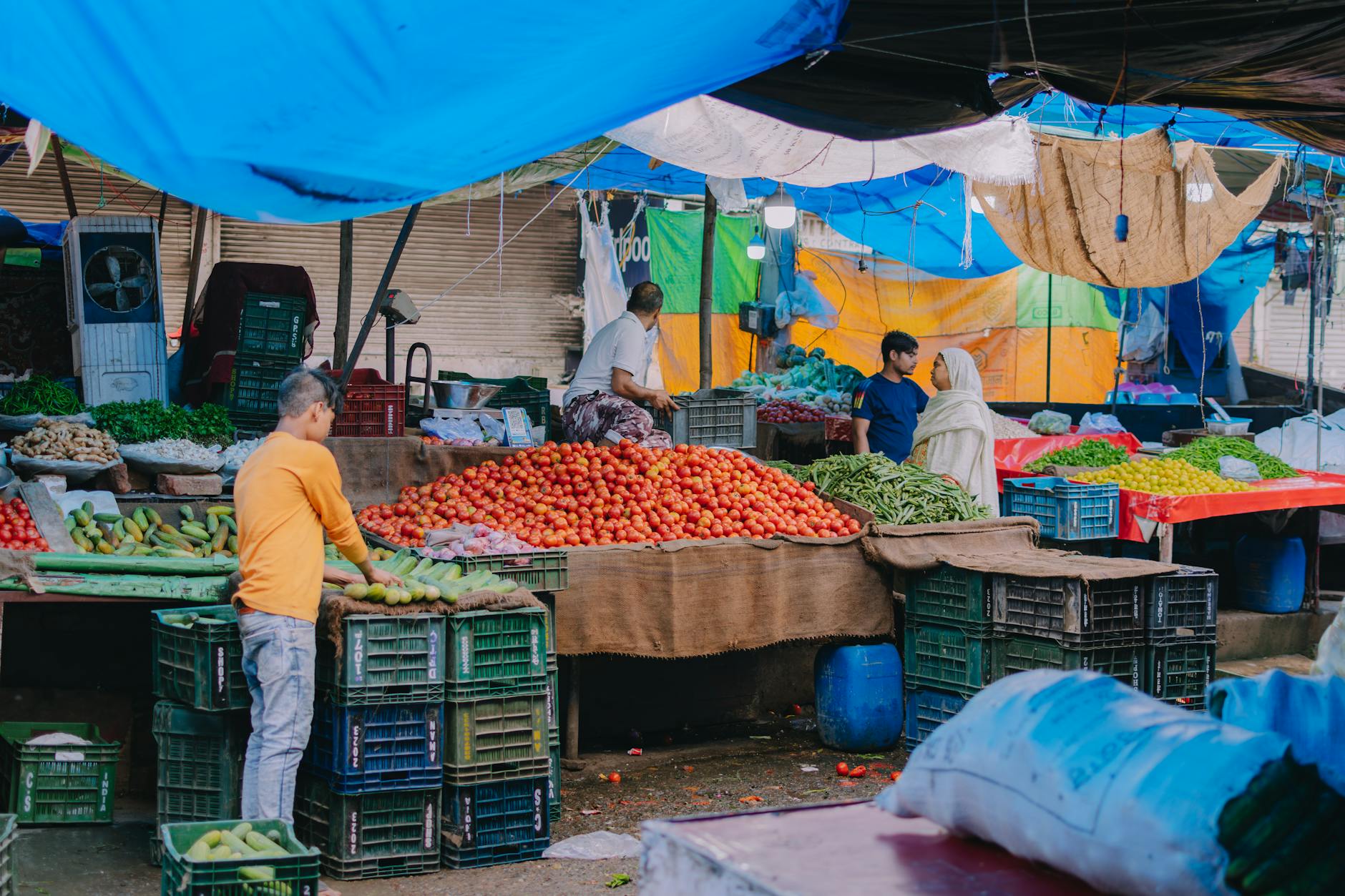
Toronto’s street food scene is legendary, anchored by iconic markets that locals and visitors flock to year-round. St. Lawrence Market, named the world’s best food market by National Geographic, is a must-visit destination for any food lover exploring Toronto restaurants and food traditions. This historic market, operating since 1803, has evolved from a farmers market to a diverse food destination featuring produce vendors, artisanal producers, cheese makers, butchers, and food stalls. The centerpiece of St. Lawrence is the peameal bacon sandwich—Toronto’s signature dish. Local vendors fry thick-cut Canadian peameal bacon and serve it on a crusty roll with grilled onions, creating a portal to Toronto’s meat-packing heritage. This single item, available from multiple vendors, exemplifies how Toronto restaurants and food vendors have created cultural icons from simple ingredients and technique. Beyond peameal bacon, St. Lawrence offers fresh produce from surrounding farmland, international products reflecting Toronto’s communities, and artisanal goods from regional producers. Kensington Market offers a more eclectic experience, with a bohemian atmosphere, vintage clothing shops, and diverse food vendors reflecting Toronto’s multicultural character. Unlike the more organized St. Lawrence, Kensington maintains chaotic energy—storefronts change rapidly, street musicians perform, and food vendors operate from narrow shopfronts and stalls. Portuguese bakeries, vegetarian restaurants, international grocery stores, and food vendors create an immersive cultural experience. Shopping here feels like traveling through global neighborhoods without leaving Toronto. Street food trucks have proliferated across Toronto, offering everything from Korean tacos to Vietnamese banh mi to gourmet hotdogs. These mobile Toronto restaurants offer flexibility, lower overhead, and direct customer interaction. Food truck parks have emerged in prime locations, where multiple vendors cluster to create destination dining experiences. Assembly Chef’s Hall revolutionized the food hall concept, bringing together talented street food vendors and small restaurant concepts in a collaborative space. This hybrid approach—permanent location with rotating restaurant concepts—allows street food entrepreneurs to establish stable businesses. Beyond traditional markets and trucks, Toronto restaurants increasingly operate food carts and pop-up venues, making street food increasingly sophisticated. Established chefs have launched food truck ventures as creative outlets. Food festivals throughout the year celebrate specific cuisines and cultures—Taste of the Danforth (Greek), Caravan (global), Summerlicious street food components—proving that some of Toronto’s best restaurant experiences happen outdoors, seasonally, and at street level.
Best Brunch Spots in Toronto
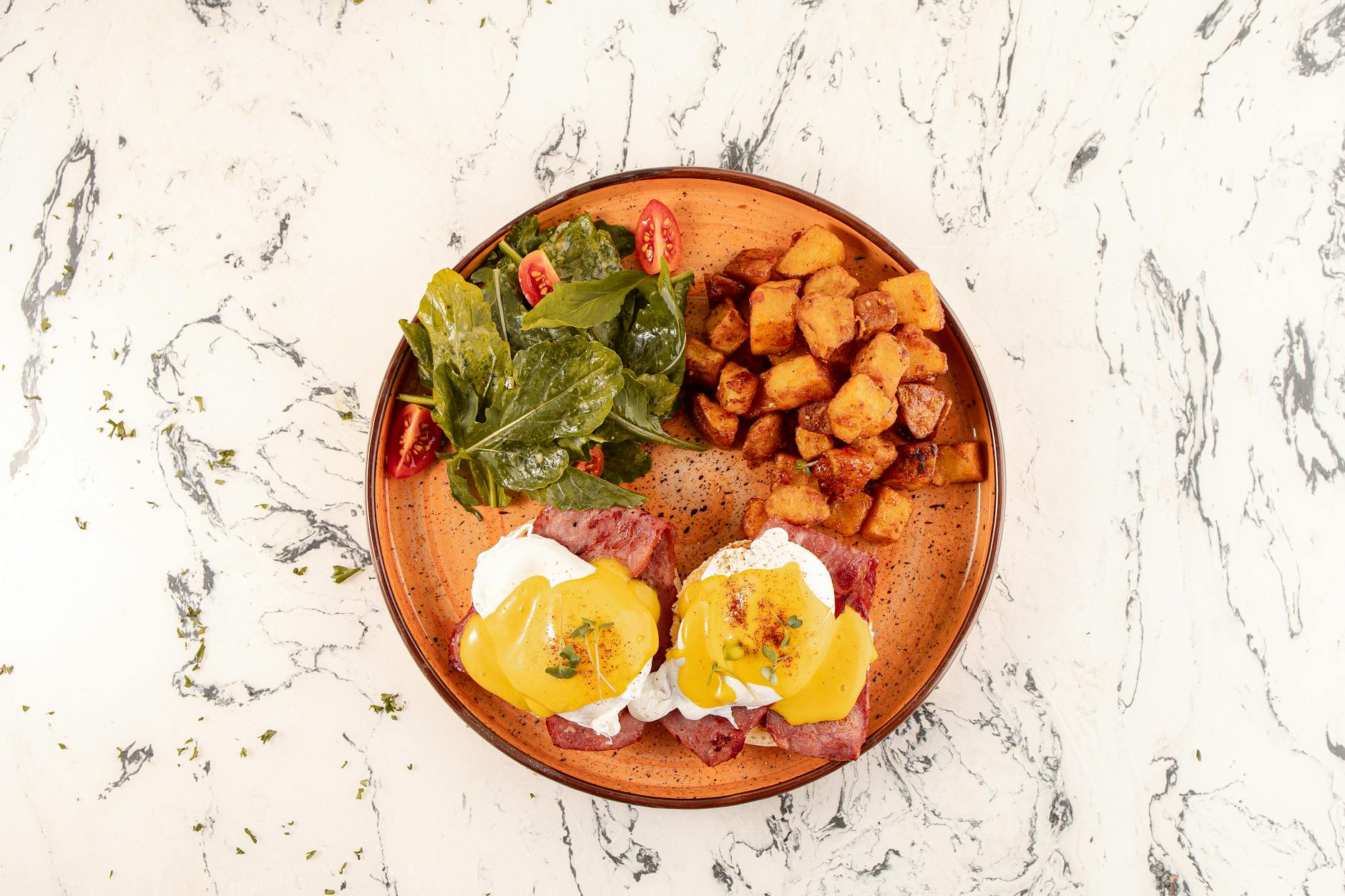
Weekend brunch is sacred in Toronto, with Toronto restaurants across every neighborhood offering creative interpretations of the meal. From traditional benedicts to innovative dishes, brunch culture has created a thriving ecosystem of casual restaurants where friends gather for leisurely meals, often lingering for hours. The Saturday and Sunday brunch ritual has become central to Toronto’s social calendar and food culture. King West, Queen West, and the Distillery District have emerged as major brunch hotspots where Toronto restaurants with outdoor patios fill with eager diners from opening until late afternoon. Neighborhoods like Parkdale, the Annex, and Little Italy offer more laid-back brunch experiences at established local spots that have built reputations through consistency and community service. Toronto restaurants range from high-end establishments serving champagne-paired brunches to casual cafes offering excellent coffee, pastries, and simple preparations. The best brunch spots at Toronto restaurants often feature local ingredients—Ontario eggs, Quebec bacon, local dairy—house-made items from scratch, and creative takes on classics. Benedicts come in endless variations: smoked salmon, pulled pork, crispy chicken, vegetarian versions with roasted vegetables. Pancakes and waffles appear elevated with seasonal fruits, artisanal syrups, and premium butter. Brunch pastas, grain bowls, and proteins show how Toronto restaurants have expanded brunch beyond traditional preparations. Weekend lineups at popular Toronto restaurants often form before opening, with waits extending hours at the most sought-after spots. This demand demonstrates the cultural importance of brunch in Toronto’s food identity. Many spots now offer extended brunch service on weekends (sometimes 10am to 4pm) to accommodate demand. Some Toronto restaurants have abandoned dinner service to focus exclusively on brunch and lunch, recognizing market realities. Reservation systems, waitlist apps, and priority seating have become essential for managing brunch volume. The brunch experience at Toronto restaurants extends beyond food to beverages. Mimosa towers, Bloody Mary variations, and craft coffee drinks complement food selections. Some Toronto restaurants feature special brunch cocktails using unexpected ingredients. The leisurely pace, social atmosphere, and quality food make brunch at Toronto restaurants essential to the weekend experience for residents and a major tourist draw.
Toronto Restaurants by Cuisine
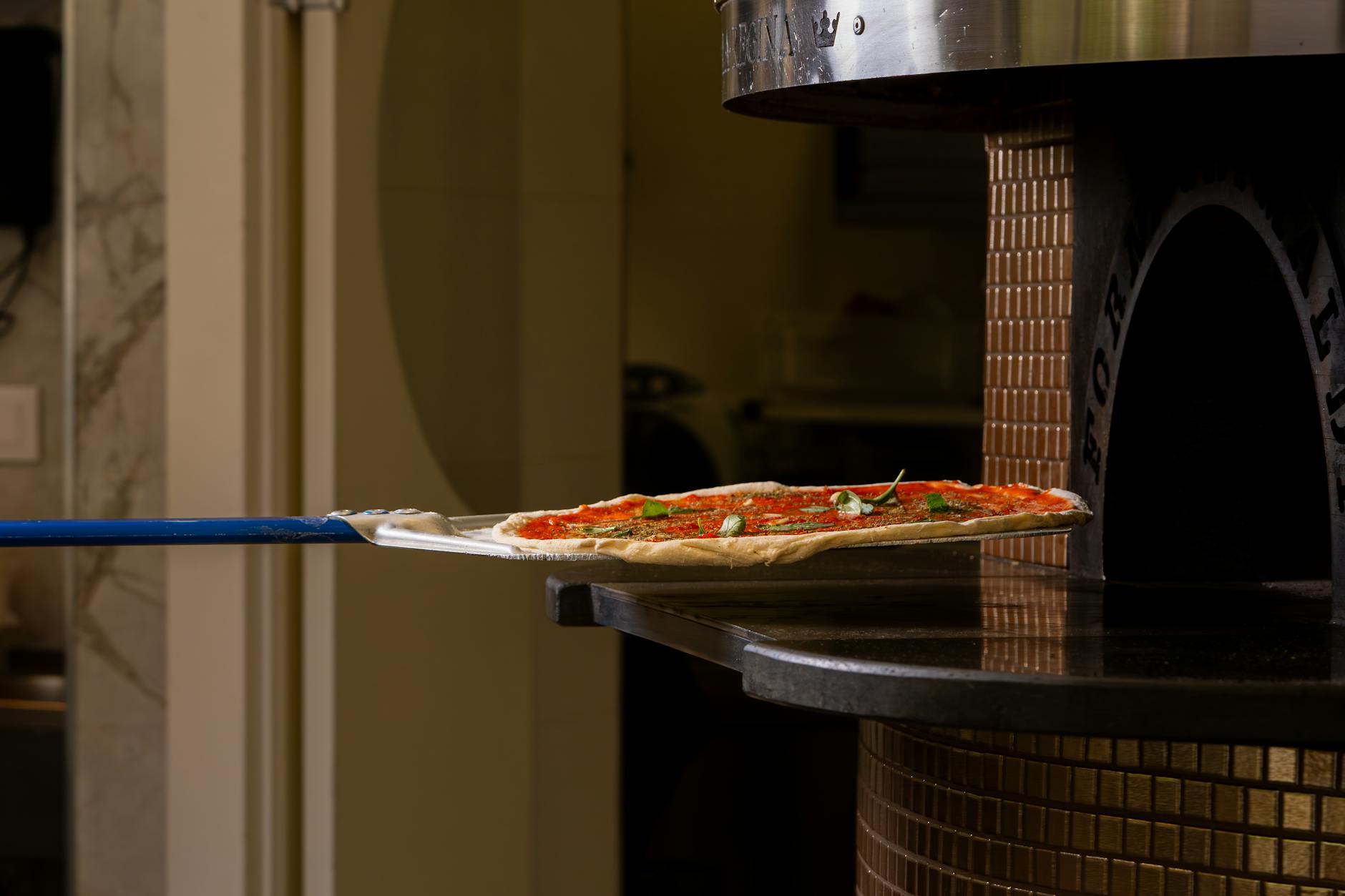
Toronto’s diversity shines when exploring Toronto restaurants organized by cuisine. Italian restaurants concentrate on College Street in Little Italy, where generations-old establishments serve traditional Italian fare alongside newer concepts pushing culinary boundaries. Maria’s on Queen Street West and Bar Hop remain institutions, while newer openings reimagine Italian cuisine through modern lenses. Pasta remains central—handmade, dried, fresh, filled—prepared with regional Italian techniques. Chinese Toronto restaurants span from traditional Cantonese dim sum in Chinatown with carts rolling between tables to regional Chinese cuisine exploring Sichuan, Hunan, Shanghai, and Fujian preparations. Innovative approaches emerging from Markham push Chinese cuisine into contemporary territory. Establishments like Peking Garden and newer concepts demonstrate the range—from extremely casual to refined dining. The regional diversity means multiple visits to explore cuisines most North Americans first encounter in Chinatown. Japanese Toronto restaurants range from casual ramen shops—Ramen Alley in Chinatown has revolutionized accessibility—to yakitori specialists, tempura houses, and the aforementioned omakase destinations. Ramen remains explosively popular, with shops experimenting with broths, toppings, and preparations. Izakaya culture has gained prominence, offering casual sharing plates and sake pairings in intimate settings. Gerrard India Bazaar is the hub for Indian cuisine, with Toronto restaurants serving everything from street food (samosas, dosa, street carts with chaat) to elaborate North and South Indian preparations. Tandoori specialists, curry restaurants, and modern Indian concepts coexist. The bazaar itself offers spice shops, vegetable vendors, and sweetshops, creating a complete culinary destination beyond restaurants. Pakistani, Bangladeshi, and Sri Lankan cuisine variations within South Asian establishments expand options. Korean restaurants have proliferated throughout the city, with Korean Ecuadorian fusion concepts exemplifying Toronto’s creative restaurant culture. BBQ Korean joints remain central, where diners grill meats at tables and assemble banchan (side dish) combinations. Korean fried chicken has become a separate category with dedicated shops. Ramen-style Korean soups, bibimbap bowls, and Korean seafood preparations reflect Korean dining diversity. Caribbean restaurants bring jerk, curries, roti, and tropical fruits. Middle Eastern establishments feature shawarma, kebab, falafel, and regional preparations. Southeast Asian Toronto restaurants offer Vietnamese pho, Thai curries, Malaysian hawker food, Filipino adobo, and Indonesian preparations. Portuguese, Greek, Spanish, Turkish, Lebanese, and Mexican cuisines each have neighborhood concentrations and dedicated restaurants. The beauty of Toronto restaurants is that authentic cuisine doesn’t require expensive restaurants or reservations—casual neighborhood spots often deliver the most genuine experiences. These Toronto restaurants maintain cultural authenticity while welcoming diverse diners into their communities. Eating at Toronto restaurants reflects eating in the source communities rather than Americanized or watered-down interpretations. The competitive environment—communities with sufficient population to support multiple establishments—ensures quality and consistency.
Rooftop Dining and Patio Season in Toronto
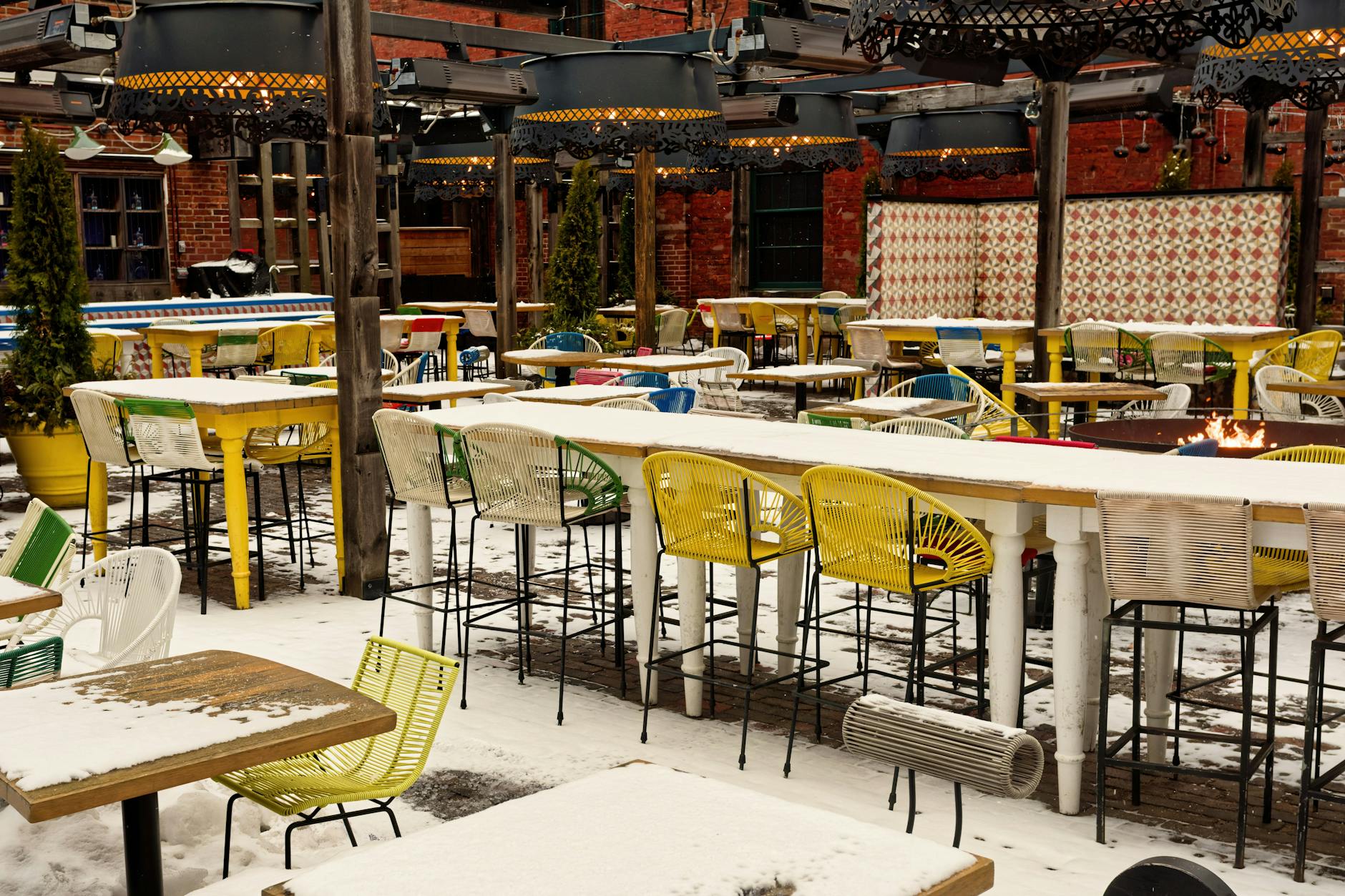
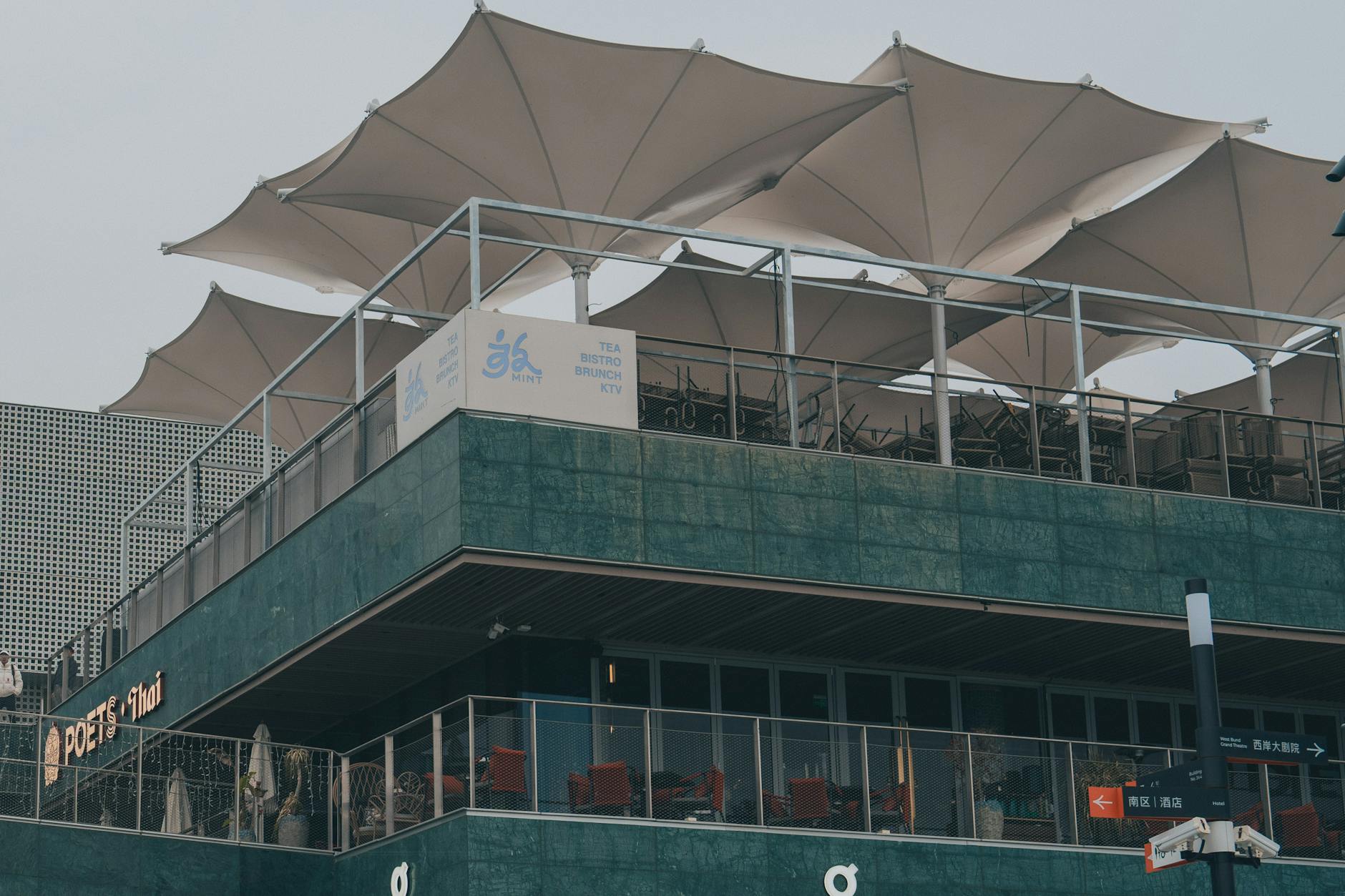
From May through October, Toronto’s patio culture transforms the city into an outdoor dining destination. Toronto restaurants with rooftop patios and street-level seating become prime real estate as Torontonians embrace outdoor dining after long winters. Rooftop bars and restaurants offer skyline views, city lights, and elevated experiences while serving dinner and cocktails in the warm months. The patio season represents Toronto’s recovery from winter—a celebration of outdoor living, community, and social connection. King West features numerous Toronto restaurants with vibrant patios where the social scene rivals the food quality. Patios here have evolved into multi-level, multi-bar experiences with lounge seating, dancing, and cocktail culture. The street becomes a social destination where movement between venues happens as naturally as conversations. Waterfront dining along Queens Quay and Harbourfront provides scenic views of Lake Ontario and Island ferries. Harbourfront restaurants capitalize on water views, and summer temperatures make waterfront dining pleasant throughout the season. Toronto restaurants have invested in sophisticated patio designs, from heated patios that extend the season into fall to elaborate landscaping with trees, plants, and privacy screens that create destination dining experiences. String lights, heat lamps, and covered sections allow dining throughout the season. Some Toronto restaurants have created fully enclosed patios that function as separate dining experiences from interior spaces. The investment in patios reflects their importance to revenue and customer experience. Rooftop venues command premium pricing and offer unobstructed city views. Downtown Toronto rooftops feature views to Lake Ontario, the Toronto Islands, and surrounding neighborhoods. Rooftop patios operate at different capacities throughout the season—quieter early in May and September, packed on June-August weekends. Toronto restaurants leverage rooftop real estate for different uses: casual bar seating, fine dining with views, dancing and music venues, and social-media-worthy Instagram locations. The rooftop scene continues to evolve, with Toronto restaurants competing to offer the most coveted outdoor experiences. Newer rooftop venues feature architectural interest, fire pits, and water features. Some restaurants offer sunset dining packages maximizing golden hour. Whether you’re seeking casual patio dining at street-level King West locations or upscale rooftop venues with panoramic views, Toronto restaurants deliver memorable outdoor dining. Book ahead during peak summer months—June through August—as the best Toronto restaurants with patios fill weeks in advance. Cancellation policies are strict due to weather uncertainty and high demand.
Toronto’s Best Coffee and Café Culture
Toronto’s third-wave coffee movement has transformed how the city approaches caffeine culture. Specialty coffee shops have become cultural hubs where baristas are skilled craftspeople, sourcing matters as much as preparation, and coffee becomes conversation. Toronto restaurants and cafes competing in the coffee space prioritize single-origin beans, precision brewing methods, and knowledgeable staff who understand flavor profiles and preparation techniques. This professionalization of coffee reflects broader trends in Toronto’s food culture toward quality and craftsmanship. Popular Toronto coffee destinations span from intimate neighborhood spots to larger concepts that combine café culture with pastries and light food. These Toronto restaurants and cafés often feature local roasters—roasting companies have proliferated in Toronto, elevating coffee from commodity to craft ingredient. Partnerships with local bakeries create destinations where coffee pairs with exceptional pastries. Many host community events, live music, art exhibitions, and cultural programming beyond coffee service. The coffee culture extends beyond specialty shops—many fine dining Toronto restaurants have elevated their coffee service, recognizing that a great meal deserves an excellent post-meal beverage. Espresso machines from Italian manufacturers, grinders calibrated for precision, and latte art training have raised baseline coffee quality. Some Toronto restaurants feature coffee programs as sophisticated as wine programs, with host-selected beans and preparation methods. Specialty drinks featuring coffee appear on dessert menus. Whether you seek intense espresso culture at minimalist counters, pour-over craftsmanship at precision-focused shops, cold brew excellence at spaces optimized for extraction, Toronto restaurants and independent cafés deliver sophisticated coffee experiences. Exploring different neighborhoods reveals distinct coffee cultures. King West features bustling morning scenes with commuters and business meetings. Residential neighborhoods like Queen West, Ossington, and the Annex host lounging café culture where patrons work on laptops for hours. East End neighborhoods maintain distinct café characters reflecting community demographics. Parkdale’s bohemian cafés differ aesthetically and culturally from Bay Street office tower cafés. Specialty coffee has created professional opportunities—barista competitions, training certifications, and career paths in specialty coffee. Roasteries have become tourist destinations where visitors observe roasting processes and learn coffee origins. Coffee courses teach brewing techniques, flavor evaluation, and coffee history. Café proprietors increasingly bring passionate coffee knowledge, making coffee expertise accessible to customers. This professionalization has elevated Toronto’s entire café scene.

Toronto Restaurant Neighborhoods: Where to Find the Best Dining
Different Toronto neighborhoods have developed distinctive restaurant identities, each worth exploring. King West, Toronto’s dining epicenter, concentrates restaurants, bars, and lounges within walking distance. Toronto restaurants here range from casual to luxury, with patios dominating summer crowds. Queen West offers eclectic Toronto restaurants in a bohemian setting, from vintage-inspired cafés to innovative concept restaurants. College Street’s Little Italy hosts generations of Italian Toronto restaurants alongside emerging concepts exploring contemporary Italian cuisine. Ossington Avenue has transformed from residential neighborhood to restaurant destination, featuring Toronto restaurants attracting crowds willing to venture slightly north of downtown. The diverse Toronto restaurants reflect immigrant communities—Portuguese, Italian, Thai, Korean—coexisting on a single avenue. West Queen West extends restaurant culture into artist neighborhood aesthetics, attracting younger Toronto restaurants with creative concepts. These neighborhoods reward wandering—turning corners reveals hidden Toronto restaurants locals frequent. Chinatown, Kensington, and Spadina form Toronto’s historic immigrant quarter, with Toronto restaurants rooted in waves of immigration creating neighborhood identity. Chinese restaurants cluster in Chinatown, Vietnamese restaurants along Spadina, and multicultural options throughout Kensington. These Toronto restaurants welcome exploration—willingness to try unfamiliar dishes, eat at older establishments, and embrace neighborhood culture yields authentic experiences unavailable in polished downtown Toronto restaurants. The Distillery District maintains Toronto restaurants in heritage setting, with pedestrian-only village atmosphere creating destination dining experiences. Toronto restaurants here emphasize ambiance alongside food quality. Harbourfront’s waterfront location attracts Toronto restaurants optimizing views, with seasonal patio priority. Greyson Village and other residential neighborhoods host neighborhood Toronto restaurants serving local communities with consistency and care. These establishments often go unnoticed by visitors but form the true Toronto restaurant ecosystem.
What’s New: Toronto Food Scene in 2026
The Toronto food scene continues evolving with exciting new concepts and locations opening regularly. The 2025 Michelin Guide selections affirmed Toronto’s status among North America’s elite dining cities, validating the city’s culinary investment and innovation. The selections span neighborhoods—from downtown fine dining to neighborhood restaurants serving local communities—demonstrating that excellence distributes throughout the city rather than concentrating at luxury addresses. Toronto restaurants continue pushing boundaries with innovative concepts that blend culinary traditions. Korean Ecuadorian fusion diners exemplify the cross-cultural creativity emerging from Toronto’s communities. Regional Chinese supper clubs focusing on specific provincial cuisines represent deeper engagement with Chinese culinary diversity. Contemporary interpretations of traditional cuisines by diaspora chefs demonstrate how Toronto restaurants evolve cuisine while maintaining authenticity. These innovations don’t represent dilution but rather evolution reflecting community experiences and contemporary techniques. International culinary attention shines on Toronto restaurants, with food media regularly featuring the city’s diverse dining landscape. Publications from Bon Appétit to international food magazines have profiled Toronto restaurants. James Beard Award recognition for chefs and restaurants validates the caliber of talent working in Toronto. Food tourism has grown, with culinary travelers planning Toronto visits around restaurant experiences. This attention attracts talented chefs seeking opportunities in a vibrant food city and encourages existing Toronto restaurants to elevate their offerings. New openings in emerging neighborhoods provide opportunities to discover tomorrow’s beloved Toronto restaurants before they become dining institutions. As downtown rents increase, emerging neighborhoods—Oshawa, Niagara, Hamilton satellite communities—host experimental Toronto restaurants with lower overhead. Some gain such reputation that they attract reverse commuters. Established Toronto restaurants continue refining their craft through menu evolution, technique improvements, and cultural deepening. Successful street food concepts graduate to brick-and-mortar locations, moving from food trucks or stalls to permanent spaces. FIFA World Cup food celebrations and international sporting events have created platforms for Toronto restaurants to showcase capabilities to global audiences. The multicultural population means Toronto experiences these sports through specific community lens—Italian restaurants during European football, Korean restaurants during Korean games, Mexican establishments during CONCACAF tournaments. Toronto restaurants leverage these moments for cultural celebration and business opportunity. The investment in Toronto’s culinary infrastructure—from new food halls to renovated dining districts—reflects confidence in Toronto restaurants as economic drivers, employment sources, and neighborhood anchors that improve quality of life.
Plan Your Foodie Trip: Explore More Toronto Dining
Ready to dive deeper into Toronto’s food scene? Explore our comprehensive guides to Toronto restaurants and dining experiences. These detailed guides help you navigate neighborhoods, find restaurants matching your budget and cuisine preferences, and discover new dining destinations: Best Restaurants in Toronto – Our curated selection of top dining destinations across neighborhoods, cuisines, and price points. This guide highlights Toronto restaurants that have earned local and international recognition through excellence, consistency, and innovation. Whether seeking iconic institutions or emerging concepts, this guide provides context about what makes each Toronto restaurant special. Cheap Eats in Toronto – Delicious meals under $15 at outstanding Toronto restaurants. Food doesn’t need to be expensive to be excellent, and this guide explores neighborhoods, restaurant types, and dishes offering maximum flavor and value. From authentic international cuisine to comfort food, Toronto restaurants prove that budget dining yields memorable meals. Toronto Street Food Guide – Navigate street food vendors, food trucks, and casual Toronto restaurants throughout the city. This guide maps locations, highlights seasonal vendors, and explains how to navigate markets and street food scenes for authentic, affordable eating. Best Brunch Spots in Toronto – Weekend brunch at the city’s top Toronto restaurants. This guide covers reservation strategies, timing suggestions, and neighborhood recommendations for optimizing the brunch experience. Learn which Toronto restaurants offer champagne pairings, which excel at benedicts, and where to find the longest brunch service windows. Toronto Food Markets – Market experiences and vendor guides exploring St. Lawrence Market, Kensington Market, and other food-focused destinations. Understand market history, key vendors, seasonal variations, and how to navigate these cultural institutions. Best Pizza in Toronto – Pizza styles from Toronto restaurants and pizzerias. This guide explores Neapolitan, New York style, Roman, pan pizza, and contemporary Toronto pizza interpretations. Learn the technical details distinguishing exceptional pizza at Toronto restaurants from mediocre versions. Toronto Multicultural Food – Exploring cuisines at Toronto restaurants worldwide represented in the city. This guide examines how specific cuisines developed in Toronto, where to find authentic versions, and how Toronto restaurants have evolved these cuisines. Rooftop Restaurants in Toronto – Outdoor dining at elevated Toronto restaurants offering views and sophisticated experiences. This guide covers seasonal considerations, reservation strategies, and which rooftops offer which experiences. Michelin-starred Toronto Restaurants – Fine dining at award-winning Toronto restaurants. This comprehensive guide covers all Michelin-recognized establishments, what to expect, and reservation guidance for accessing Toronto’s most exclusive dining. Best Coffee Shops in Toronto – Coffee culture and cafés across Toronto. This guide explores roasters, specialty drinks, and different neighborhood café cultures. Whether you’re a local looking for your next favorite spot or a visitor planning your Toronto food adventures, Toronto restaurants offer endless discovery. Use these guides to navigate the city’s incredible culinary landscape and plan memorable meals at the Toronto restaurants that match your interests and budget. Toronto’s food scene rewards exploration—venture beyond familiar names into neighborhoods, follow local recommendations, and embrace the adventure of discovering new favorite Toronto restaurants.
Plan Your Foodie Trip: Explore More Toronto Dining
Each of Toronto’s dining scenes deserves a deeper dive. Explore our detailed guides to plan the perfect culinary adventure:
- Best Restaurants in Toronto: Top Dining Experiences
- Best Cheap Eats in Toronto: Budget-Friendly Dining
- Toronto Street Food Guide: Food Trucks & Markets
- Best Brunch Spots in Toronto
- Toronto Food Markets & Food Halls Guide
- Best Pizza in Toronto: A Slice-by-Slice Guide
- Toronto’s Multicultural Food Scene: Eating Around the World
- Best Rooftop Restaurants & Patios in Toronto
- Michelin Star Restaurants in Toronto: Fine Dining Guide
- Best Coffee Shops & Cafes in Toronto
From Michelin-starred tasting menus to $5 dumplings in Chinatown, Toronto restaurants offer a world of flavours waiting to be explored. Start planning your culinary journey today and discover why Toronto has become one of North America’s most exciting food destinations.
Leave a Reply