Rouge National Urban Park is the largest urban park in North America — at 79.5 square kilometres it is roughly 22 times the size of New York’s Central Park, 13 times bigger than London’s Hyde Park, and three times the size of Manhattan. Located in Toronto’s far east end (Scarborough and the western edge of Pickering), Rouge protects rare Carolinian forest, working farmland, the Rouge River watershed, and a 1.5 km Lake Ontario beach — all within Toronto’s city limits and reachable by TTC bus. Designated a national park by Parks Canada in 2015, Rouge offers 80+ km of marked trails, free admission, and a level of biodiversity (more than 1,700 plant and animal species) that few city parks anywhere can match. This guide covers the trails, the wildlife, the camping, and exactly how to get to Rouge National Urban Park from downtown.
Why Rouge National Urban Park is unique
Rouge is the only national park in Canada accessible by city public transit, and the only national park in the country that contains both wilderness and active working farmland. Indigenous peoples have lived on the Rouge for over 10,000 years (the Bead Hill archaeological site, listed as a National Historic Site of Canada, is in the park). The first European farmers arrived in the late 18th century; today the park still supports more than 70 working farms growing apples, vegetables, and grain.
The park’s ecological significance comes from its location: Rouge sits at the northern edge of the Carolinian Life Zone — the southernmost forest type in Canada — and within it grow species like flowering dogwood, sassafras, paw paw, and tulip tree that are rare or absent elsewhere in Ontario. Parks Canada’s Rouge page lists more than 23 species at risk within the park boundaries, including Blanding’s turtle, redside dace, and the eastern hog-nosed snake.
How to get to Rouge National Urban Park
By TTC (no car needed)
Take the TTC subway Line 1 east to Don Mills, then bus 85 (Sheppard East) to the end of the line at Sheppard and Meadowvale, where you’ll catch the 86A or 86B Scarborough bus. Trip time from downtown: 90 minutes. Alternative: Line 2 to Kennedy, then 86A bus directly to the Rouge Beach trailhead (60 min from Kennedy). The 116A bus from Kennedy goes to the Rouge National Urban Park Welcome Centre at Twyn Rivers Drive.
By car
From downtown: 401 East to Meadowvale Road, north to the trailhead. 30–40 minutes off-peak. Free parking at all major trailheads (Twyn Rivers, Bob Hunter, Beare Hill, Pearse House, Rouge Beach). Parking can fill on summer weekends — arrive before 10am.
By GO Transit
The Lakeshore East GO line runs to the Rouge Hill GO station, a 5-minute walk to Rouge Beach. Trip time: 35 minutes from Union Station. Best option for visiting Rouge Beach.
Best trails in Rouge National Urban Park
Mast Trail (3 km loop, 1 hour)
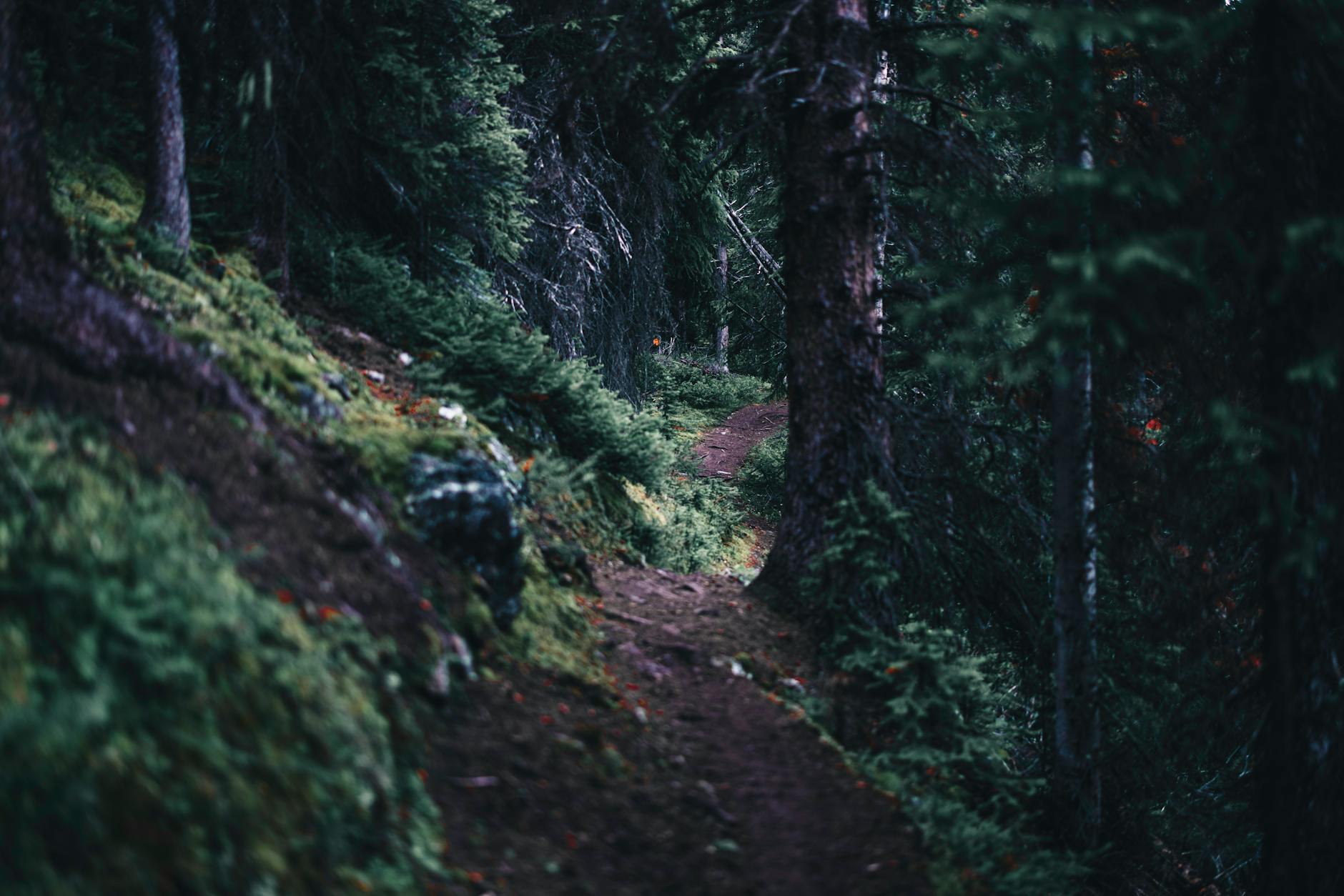
The Mast Trail follows what was once a logging road used to harvest white pine in the early 1800s. The trail passes through old-growth forest with several specimens of Carolinian rarities (sassafras, tulip tree). Difficulty: Moderate. Trailhead: Twyn Rivers Drive parking. The most-photographed trail in Rouge National Urban Park.
Vista Trail (4.5 km loop, 90 min)
The Vista Trail loops through working farmland and meadow with several lookout points over the Rouge Valley. The skyline of downtown Toronto is visible from one of the lookouts on a clear day — the easternmost point in the GTA where you can see the CN Tower. Difficulty: Easy to Moderate. Trailhead: Twyn Rivers parking.
Cedar Trail (2.7 km loop, 45 min)
The most family-friendly trail in Rouge — wide and well-marked, passing through a cedar forest beside the Rouge River. Several creek crossings via wooden footbridges. Difficulty: Easy. Trailhead: Glen Eagles Vista parking.
Bob Hunter Memorial Trail (6 km loop, 2 hrs)
Named after the Toronto-born Greenpeace co-founder, this trail crosses the longest stretch of working farmland in the park. Excellent for spring wildflowers and summer butterfly viewing (the park’s monarch population peaks in late August). Difficulty: Easy. Trailhead: 14th Avenue parking lot, north end of the park.
Woodland Trail (1.5 km, 30 min)
An accessible, hard-packed trail loop suitable for strollers and wheelchairs. Trailhead: Pearse House Welcome Centre.
Beare Hill Lookout (2 km, 45 min)
A short steep trail to the highest point in the park — Beare Hill, at 195 metres above sea level. The view stretches west across the Toronto skyline and east into Pickering’s farmland. Difficulty: Moderate.
Wildlife in Rouge National Urban Park
Rouge protects more than 1,700 species, including 247 bird species, 73 fish, 41 mammals, 22 reptiles, 17 amphibians, and 1,000+ plant species. Highlights:
Mammals: White-tailed deer, beaver, raccoon, eastern coyote, and red fox are commonly seen on dawn or dusk hikes. Black bear sightings are rare but do occur in the northern (Pickering) section.
Birds: The Rouge is on a major migration flyway. Spring (April–May) and fall (September–October) bring 247 documented species, including warblers, vireos, raptors, and waterfowl. Summer residents include the indigo bunting, scarlet tanager, and great horned owl.
Reptiles: The Blanding’s turtle (provincially threatened) and snapping turtle both nest in the park’s wetlands. Eastern hog-nosed snakes occasionally appear on sunny rocks.
Insects: Monarch butterfly populations gather along the Bob Hunter Memorial Trail in late August before migrating south.
Rouge Beach: the easternmost Toronto beach
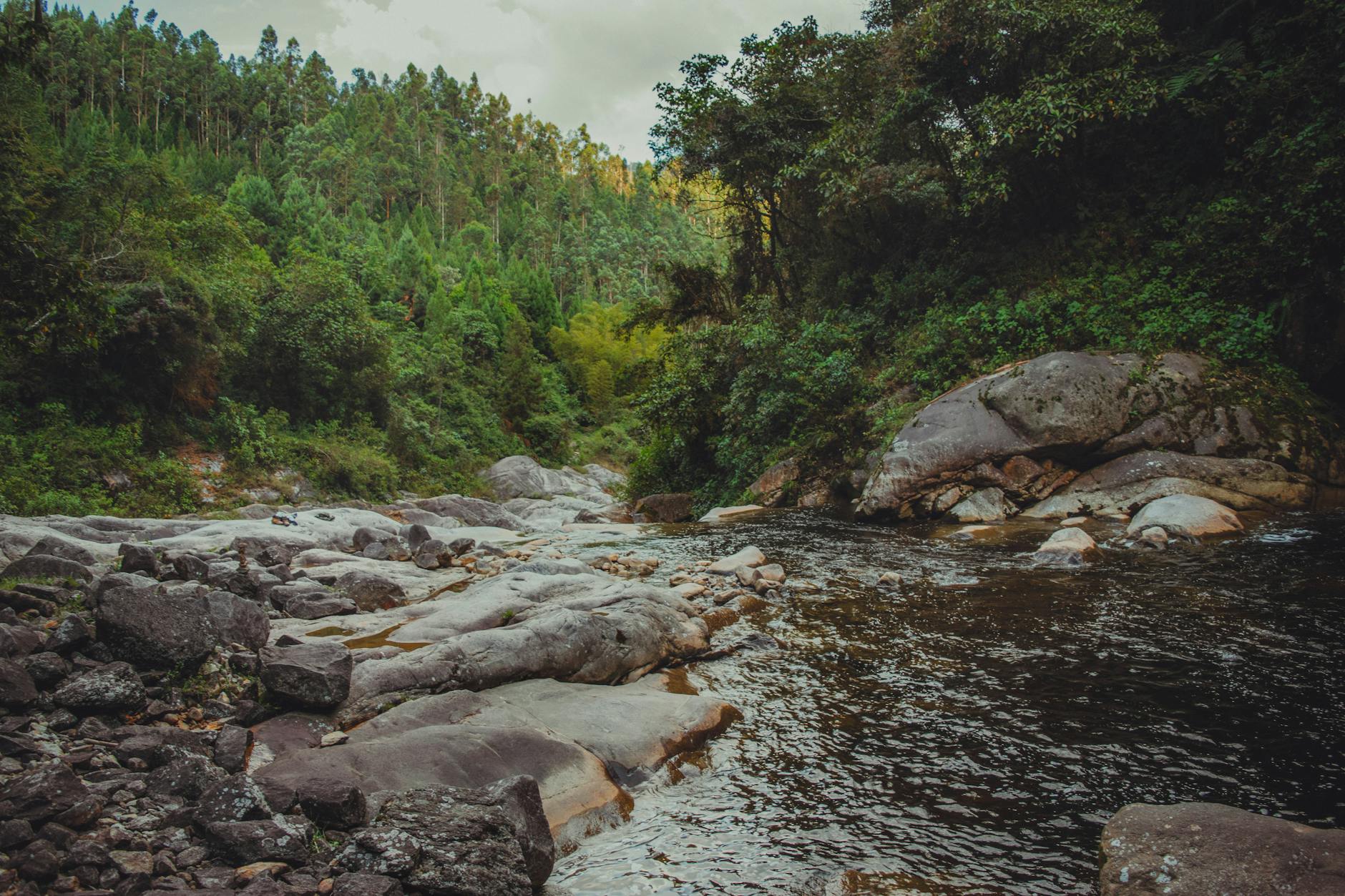
Rouge Beach (at the southern end of the park, off Lawrence Avenue East at Rouge Hill) is the only beach within Rouge National Urban Park — a sand-and-pebble crescent at the mouth of the Rouge River where the river meets Lake Ontario. The beach is quieter than the city beaches further west — see our Toronto beaches guide. Excellent for solitude, beach combing, and birdwatching (the river mouth is a magnet for migrating shorebirds in fall). The Rouge Hill GO station is a 5-minute walk.
Camping in Rouge National Urban Park
Glen Rouge Campground (7450 Kingston Rd, Scarborough) is the only national park campground in the GTA. It has 117 campsites — 82 unserviced and 35 with electrical hookups — open mid-May through mid-October. Reservations open in February at reservation.pc.gc.ca. Sites $35–$48/night. Walk-in sites available for the more experienced. The campground is right inside the park, adjacent to several trailheads, and has flush toilets, hot showers, and an interpretive program for kids.
Visitor centre and ranger programs
The Pearse House Welcome Centre (Sewells Road just north of Old Finch Avenue) is the main visitor centre — open daily 9am–5pm during the summer (Wednesday through Sunday in shoulder seasons). Free trail maps, exhibits on the Carolinian forest, ranger-led interpretive walks, and the only flush toilets in the eastern half of the park.
Parks Canada offers free guided programs throughout the summer — Sunday morning bird walks, Saturday afternoon tree identification hikes, evening campfire programs at Glen Rouge, and stargazing events on new-moon weekends (Rouge has the best dark skies within the GTA).

Practical tips for visiting Rouge National Urban Park
Best season
Spring (April–May): Wildflowers peak (trillium, trout lily, hepatica) plus the major bird migration. Fall (mid-September–late October): Carolinian foliage rivals anywhere in Ontario; the warm October days are arguably the best hiking weather of the year. Summer (June–August): Trails busy on weekends but never crowded; the Rouge River swimming holes are popular. Winter (December–March): Plowed paths only — limited access but the bare trees offer the best skyline views.
What to bring
Water (no drinking taps on most trails), bug spray (mosquitoes peak June–early August in wetland areas), tick spray (deer ticks present, especially May–July), sturdy footwear (some trails are rooty), and a paper trail map (cell coverage is spotty in the river valley).
Accessibility
The Woodland Trail (Pearse House) is fully wheelchair-accessible. The Cedar Trail is mostly accessible with one moderate slope. Other trails have steps and roots not suitable for mobility devices.
Pets
Dogs welcome on a 2-metre leash on all trails. No off-leash areas inside the park.
Internal links: build your Toronto outdoor itinerary
Rouge pairs well with the rest of Toronto’s outdoors: best parks in Toronto, hiking trails Toronto, Toronto beaches, kayaking Toronto, Toronto Islands, and things to do in Toronto. For getting there, see our TTC guide and PRESTO card guide.
Rouge National Urban Park is the largest urban national park in North America, and one of the easiest to reach in the world — pack a lunch, take the bus or GO train, and you can be in old-growth Carolinian forest by 10am.