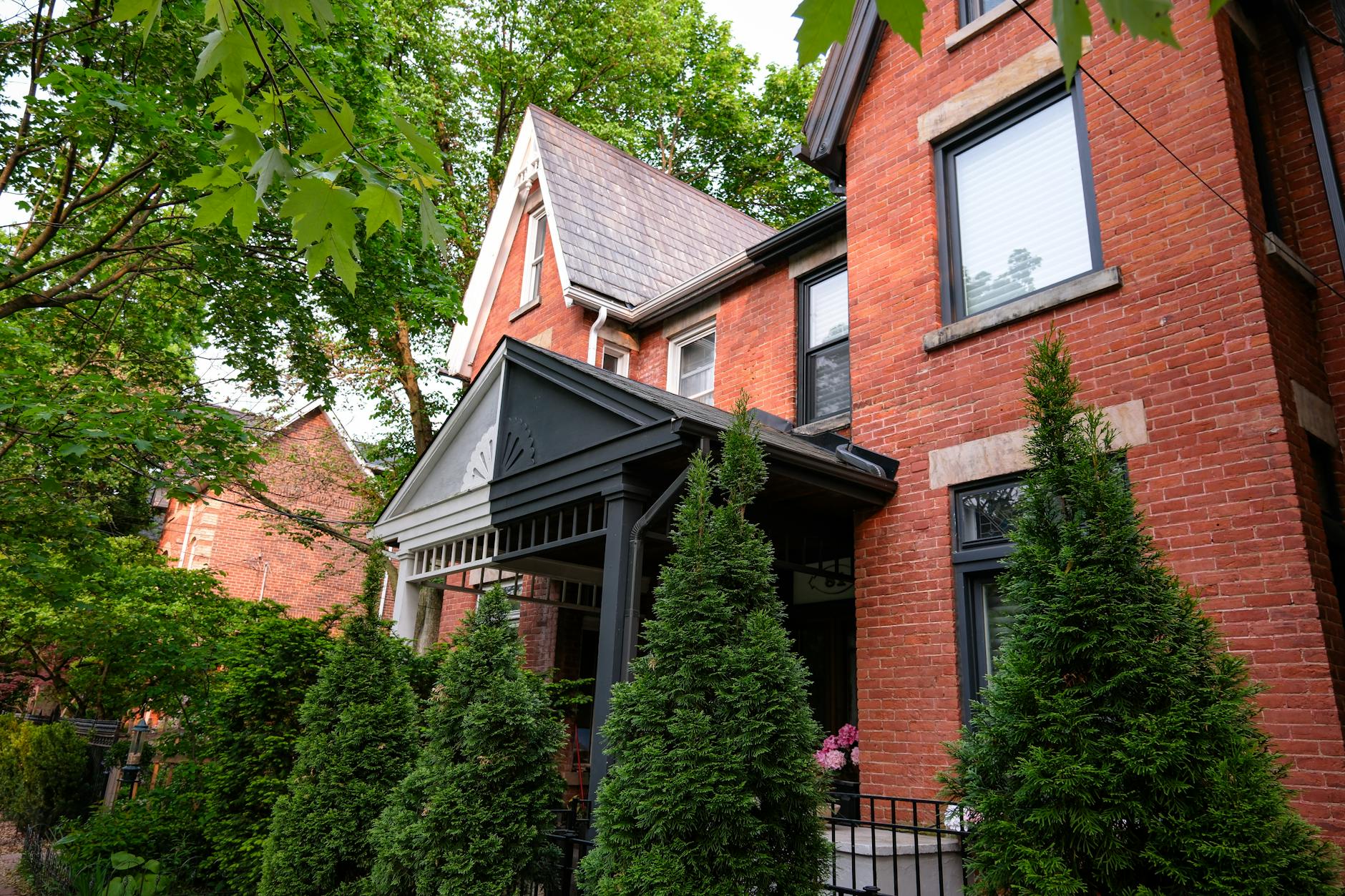
Toronto is a city you read block by block. More than half of the people who live here were born outside Canada, and the city counts over 140 official neighborhoods — so a 20-minute streetcar ride can carry you from dim sum carts on Spadina to a Lake Ontario boardwalk in the east end. This guide maps the Toronto neighborhoods worth setting aside time for: what each one is known for, what to eat and see there, and how they connect.
That diversity is not a marketing line — it is the practical reason the neighborhoods feel so distinct from one another. Successive waves of immigrants and long-time residents built communities that kept their own food, shops, and rhythms, so each pocket of the city reads differently on the ground. The sections below cover the areas most visitors actually spend time in, with the local detail and transit notes you need to explore them the way a resident would.
The range runs from 19th-century industrial districts to glassy new waterfront blocks. Vintage shopping, fine dining, street art, cultural festivals, lakefront afternoons — most of it is reachable on a single transit fare, and the rest of this guide is organised so you can match an afternoon to whichever of those you came for.
Downtown Toronto Neighborhoods: The Heart of the City
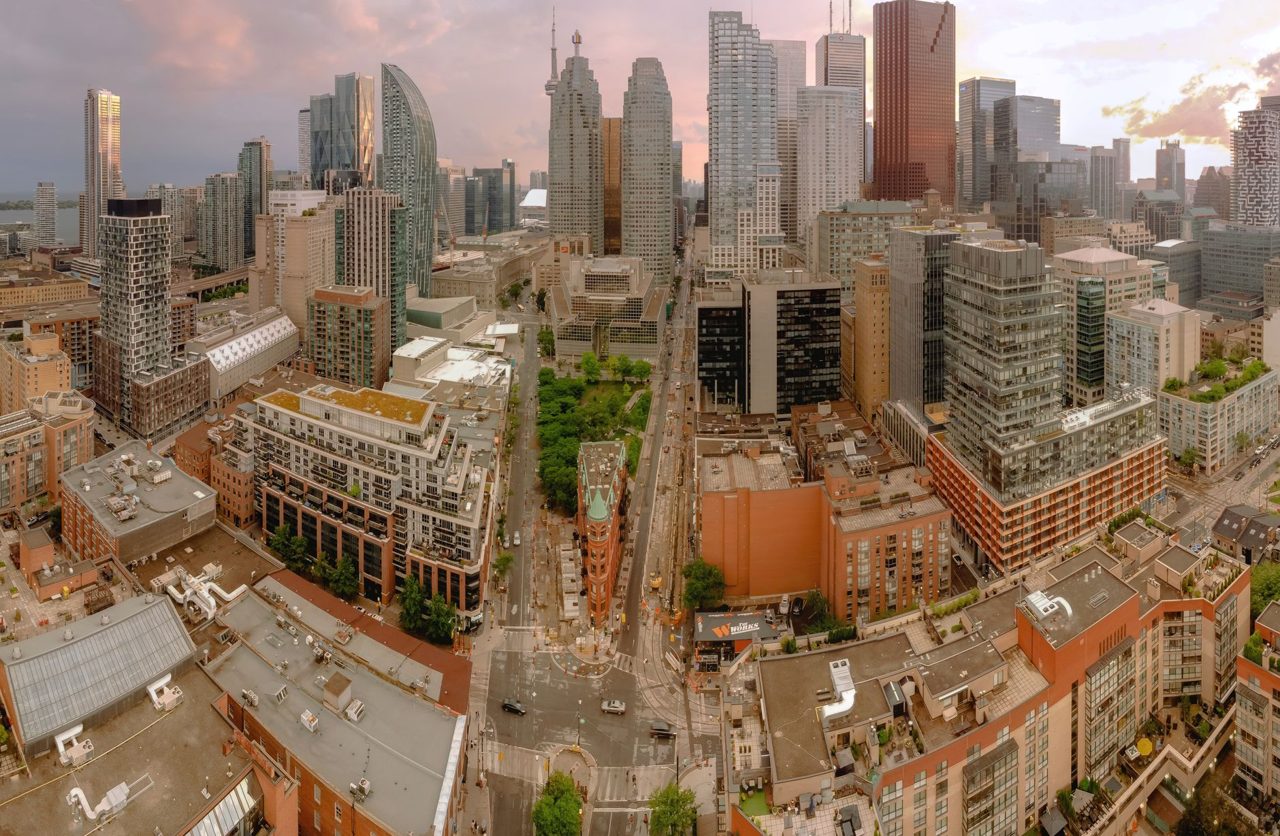
The downtown core encompasses some of Toronto’s most iconic neighborhoods. The Entertainment District thrums with energy from restaurants, bars, and the Scotiabank Arena, where concerts and sports events attract thousands of visitors daily. This Toronto neighborhoods area has experienced remarkable transformation over the past two decades, converting former warehouses into trendy lofts, restaurants, and entertainment venues. The district’s proximity to the waterfront adds recreational value, with many residents and visitors exploring both the urban core and lakefront attractions.
The Financial District showcases impressive architecture and sky-scraping office towers that define Toronto’s urban skyline. Designed plazas and public art installations make the area more pedestrian-friendly than typical corporate districts. At lunchtime, office workers fill nearby restaurants and cafés, creating vibrant street-level activity. The district’s major employers include banks, law firms, and technology companies that have made Toronto a global financial hub.
St. Lawrence keeps its 19th-century streetscape and the St. Lawrence Market, which has traded on the same corner since 1803; our St. Lawrence Market guide covers the vendors and the famous peameal-bacon sandwich. The market still runs on fresh produce, specialty foods, and locally made crafts, pulling in regulars and visitors alike. The neighborhood’s cobblestone streets, heritage architecture, and thriving restaurant scene create an inviting atmosphere distinct from modern corporate downtown.
Old Town Toronto, spanning the St. Lawrence area, preserves the city’s earliest neighborhoods with original streetscapes and heritage storefronts. Walking these streets transports visitors back to 19th-century Toronto when this area served as the commercial and administrative heart of the city. Today’s visitors can explore this history while enjoying contemporary restaurants, galleries, and shops housed in beautifully preserved buildings.
These downtown neighborhoods pulse with activity day and night, making them essential Toronto neighborhoods for first-time visitors and returning travelers alike. The mix of historic preservation and modern development showcases Toronto’s ability to honor its past while embracing contemporary urban living.
Kensington Market and Chinatown: Toronto’s Cultural Melting Pot
Kensington Market is the most distinctive of all Toronto’s neighborhoods — a four-block grid of Victorian houses turned into vintage shops, taquerias, and cafes, with a stubbornly bohemian streak. Family-run businesses started by Portuguese, Chinese, Jewish, and Vietnamese arrivals layered the place into one of the city’s most genuinely multicultural shopping-and-eating zones. Vintage clothing boutiques sit alongside international restaurants, while colorful storefronts and street murals create an artistic, welcoming environment that draws visitors from around the world.
Pedestrian Sundays (the last Sunday of each month from May to October) transform these Toronto neighborhoods into a car-free celebration of local culture and commerce. During these special events, hundreds of locals and tourists flood the streets to shop, dine, and enjoy live music. The car-free atmosphere fosters community connection and allows visitors to fully appreciate the neighborhood’s unique character without traffic noise and pollution.
The history of Kensington Market as Toronto neighborhoods evolves reflects the city’s changing immigrant patterns. Originally developed in the late 19th century by Jewish immigrants, the market hosted pushcarts and small stalls. The neighborhood successfully adapted as different communities arrived, with Portuguese and Chinese residents adding their cultural influences. This ability to reinvent while maintaining authentic community character distinguishes Kensington from many other Toronto neighborhoods.
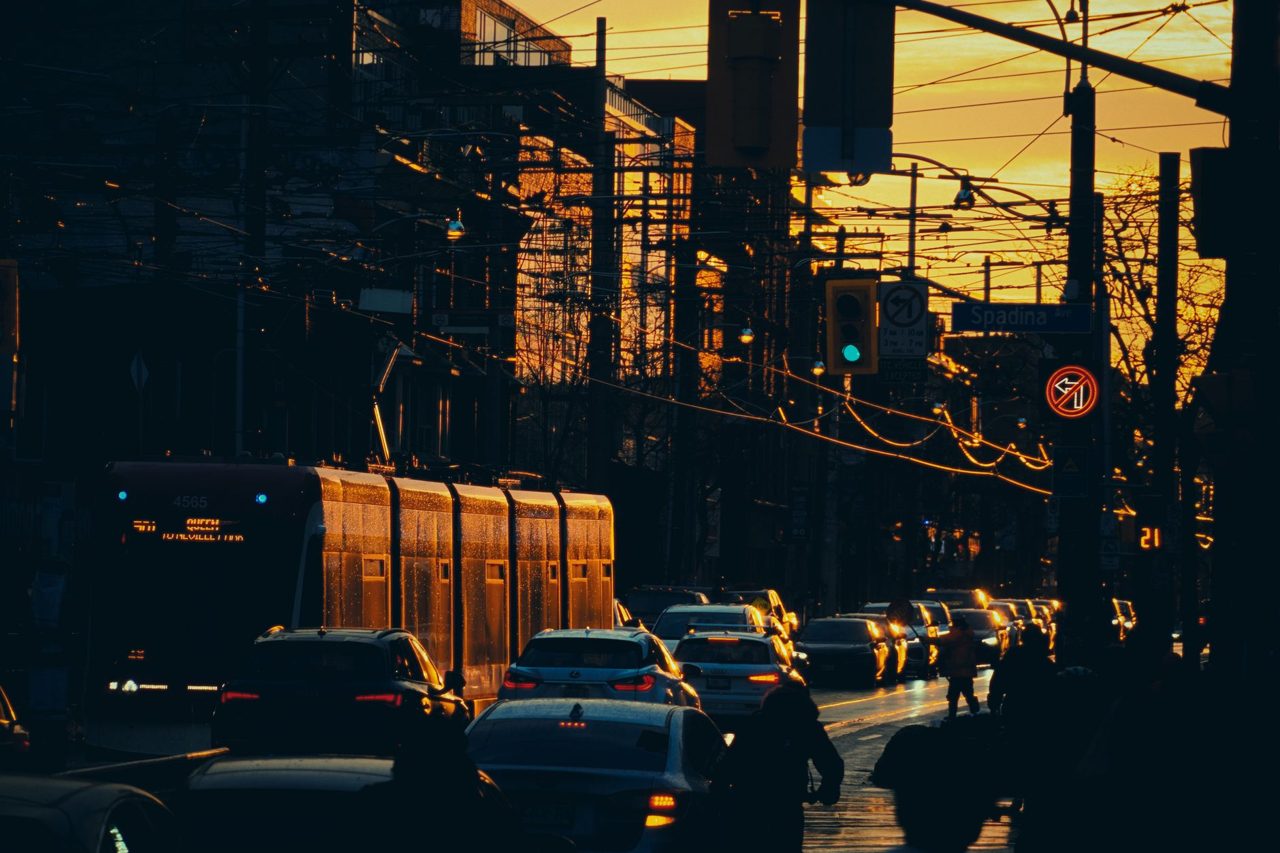
Right next door, Chinatown runs the length of Spadina Avenue as the commercial heart of Toronto’s Chinese community. Cart-style dim sum rooms, herbalist shops stocked with hard-to-find medicinal ingredients, and grocers piled with Asian produce sit shoulder to shoulder along the strip. Food lovers visiting Toronto neighborhoods should prioritize exploring Chinatown’s restaurants, from casual dumpling shops to upscale establishments serving innovative Chinese cuisine.
Spadina Avenue itself tells a story of Toronto neighborhoods’ evolution. The street has served as a cultural corridor, with each block reflecting different immigrant communities’ presence. Today, Chinatown’s architecture blends traditional shophouses with modern storefronts, creating a visual representation of cultural continuity and contemporary urban development. These Toronto neighborhoods exemplify the multicultural character that defines Toronto’s identity and makes it one of the world’s most welcoming cities.
The Distillery District: Victorian Charm Meets Modern Toronto
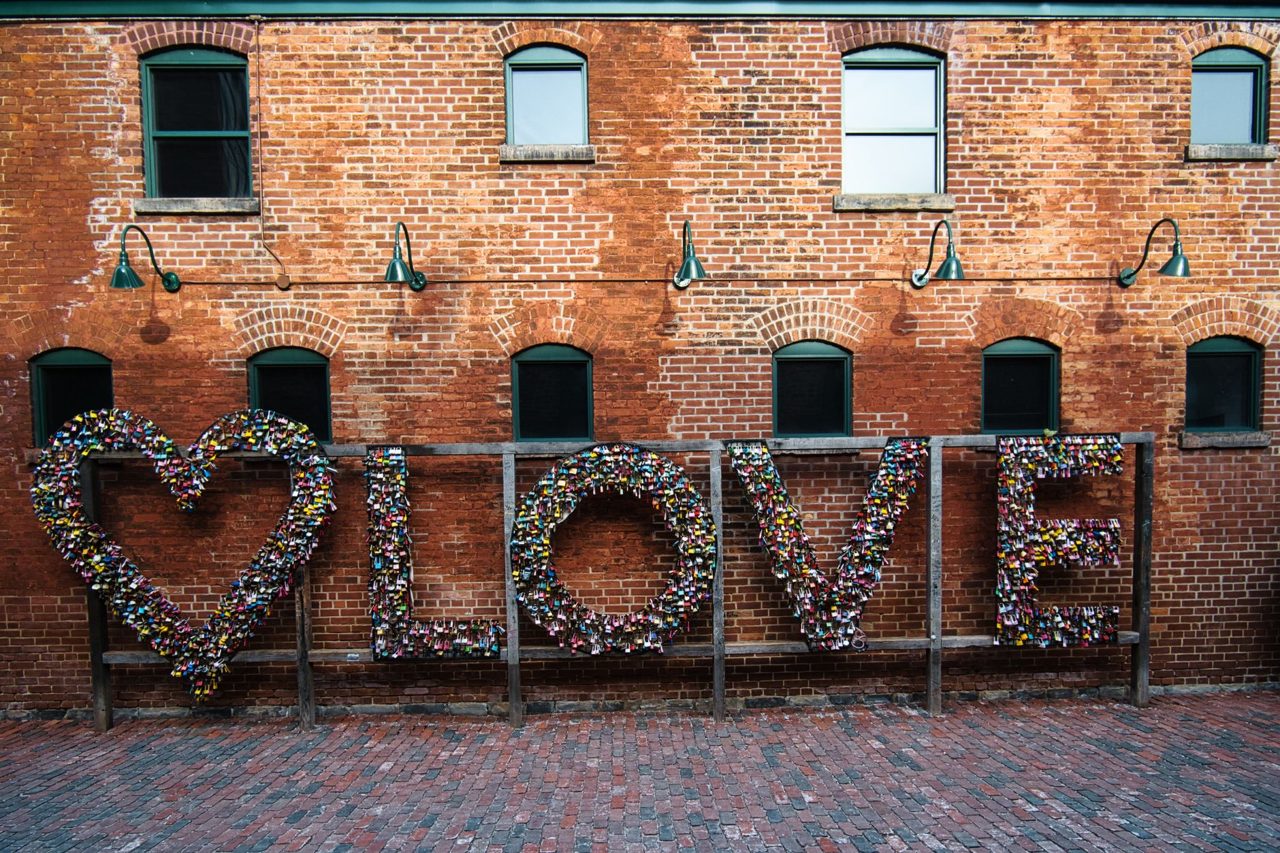
The Distillery District is the most photogenic and the most historically loaded of the bunch. The pedestrian-only village preserves the Gooderham & Worts Distillery, which ran from 1832 to 1990, reshaped Ontario whiskey, and at one point ranked as Canada’s most valuable company. The site eventually fell into disrepair, but a visionary redevelopment project in 2003 transformed the abandoned industrial complex into one of Toronto’s most beloved destinations.
Today, meticulously restored Victorian-era buildings house art galleries, boutique shops, and restaurants that honor the site’s industrial heritage while embracing contemporary culture. The cobblestone streets, original street lamps, and architectural details create an atmosphere distinct from modern Toronto neighborhoods—visitors often describe stepping into the Distillery District as traveling back in time. The closed-off nature of the streets (only pedestrian and emergency vehicle access permitted) creates a protected environment where history, art, and commerce coexist harmoniously.
The galleries throughout the Distillery District showcase both established and emerging Canadian artists, making it a cultural destination for art enthusiasts. Each building tells a story through its architecture and contemporary use—former distillery buildings now house craft breweries, chocolate shops, jewelry studios, and design boutiques. This creative repurposing of industrial Toronto neighborhoods serves as a model for urban renewal that respects history while fostering contemporary cultural expression.
The Distillery District Christmas Market transforms the neighborhood into a winter wonderland each December, earning recognition as one of Canada’s most popular holiday events. The market features artisanal goods, festive decorations, warming beverages, and seasonal cuisine, attracting hundreds of thousands of visitors. For those visiting Toronto neighborhoods during winter months, the Distillery District should be a priority destination.
Year-round, restaurants and cafés throughout these Toronto neighborhoods offer everything from casual dining to fine-dining experiences. Many establishments emphasize farm-to-table concepts, sourcing local ingredients and celebrating Canadian culinary traditions. The waterfront location on the Don River adds another dimension to the district, with river walkways providing scenic respite from the urban environment.
Yorkville: Toronto’s Luxury Neighbourhood
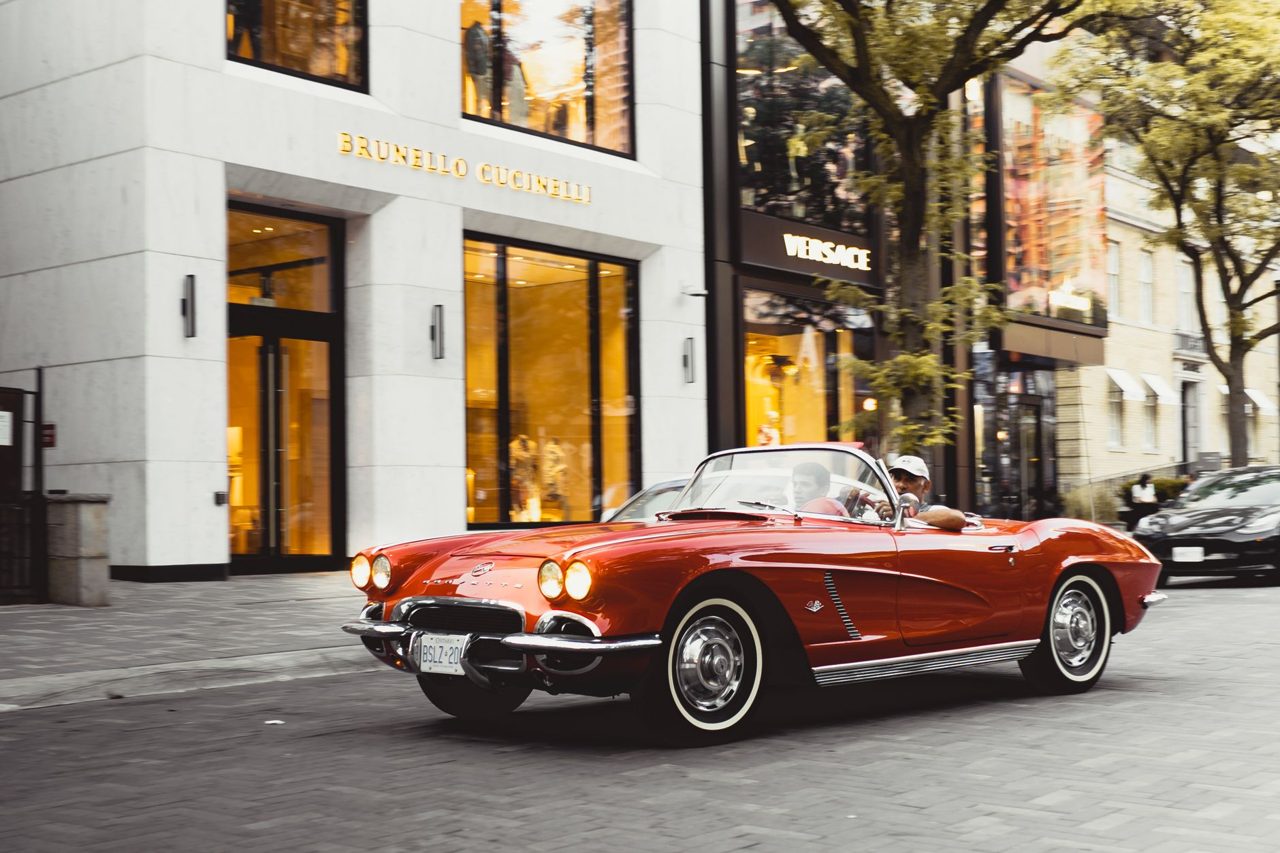
Yorkville is the most affluent of Toronto’s neighborhoods, known well beyond the city for luxury shopping and upscale living. Its swing from 1960s bohemian coffeehouse scene to exclusive enclave is one of the sharpest about-faces any part of the city has made. Today, Yorkville attracts international visitors, wealthy residents, and luxury shoppers from around the world.
The “Mink Mile” along Bloor Street features designer boutiques from Gucci, Louis Vuitton, Prada, Hermès, and other prestigious brands. The concentration of luxury retailers creates a shopping experience comparable to Fifth Avenue in New York or the Champs-Élysées in Paris. Beyond the flagship stores, Yorkville’s tree-lined streets and upscale storefronts create an aesthetic appeal that makes window shopping an enjoyable experience in itself.
The dining runs to the top of the city’s range, with several Michelin-recognized rooms and chefs working Canadian ingredients hard. These blocks cover everything from Japanese kaiseki to French haute cuisine, so most cuisines are represented at the high end. Reservations are essential at the popular rooms, often weeks ahead.
Upscale hotels provide luxury accommodations complementing the neighborhood’s sophisticated character. Five-star properties offer concierge services, fine dining, and wellness facilities that cater to international travelers seeking premium experiences. Many world travelers specifically choose to stay in Yorkville Toronto neighborhoods for their reputation of refinement and service excellence.
The Royal Ontario Museum sits on the neighborhood’s southern edge, adding real cultural weight beyond the shopping and dining. The ROM’s collections span natural history, world cultures, and contemporary art, making it one of the leading museums on the continent. The Yorkville subway station and many hotels are within walking distance of the ROM, making it convenient to combine luxury shopping with cultural pursuits.
Yorkville perfectly exemplifies Toronto neighborhoods that blend sophistication with accessibility. While the neighborhood caters to luxury consumers, it welcomes visitors of all budgets to explore its streets, window shop, and enjoy public spaces. Visitors on moderate budgets can enjoy the neighborhood’s parks, architectural beauty, and street-level ambiance without requiring significant spending.
Queen West and West Queen West: Toronto’s Art and Design Hub
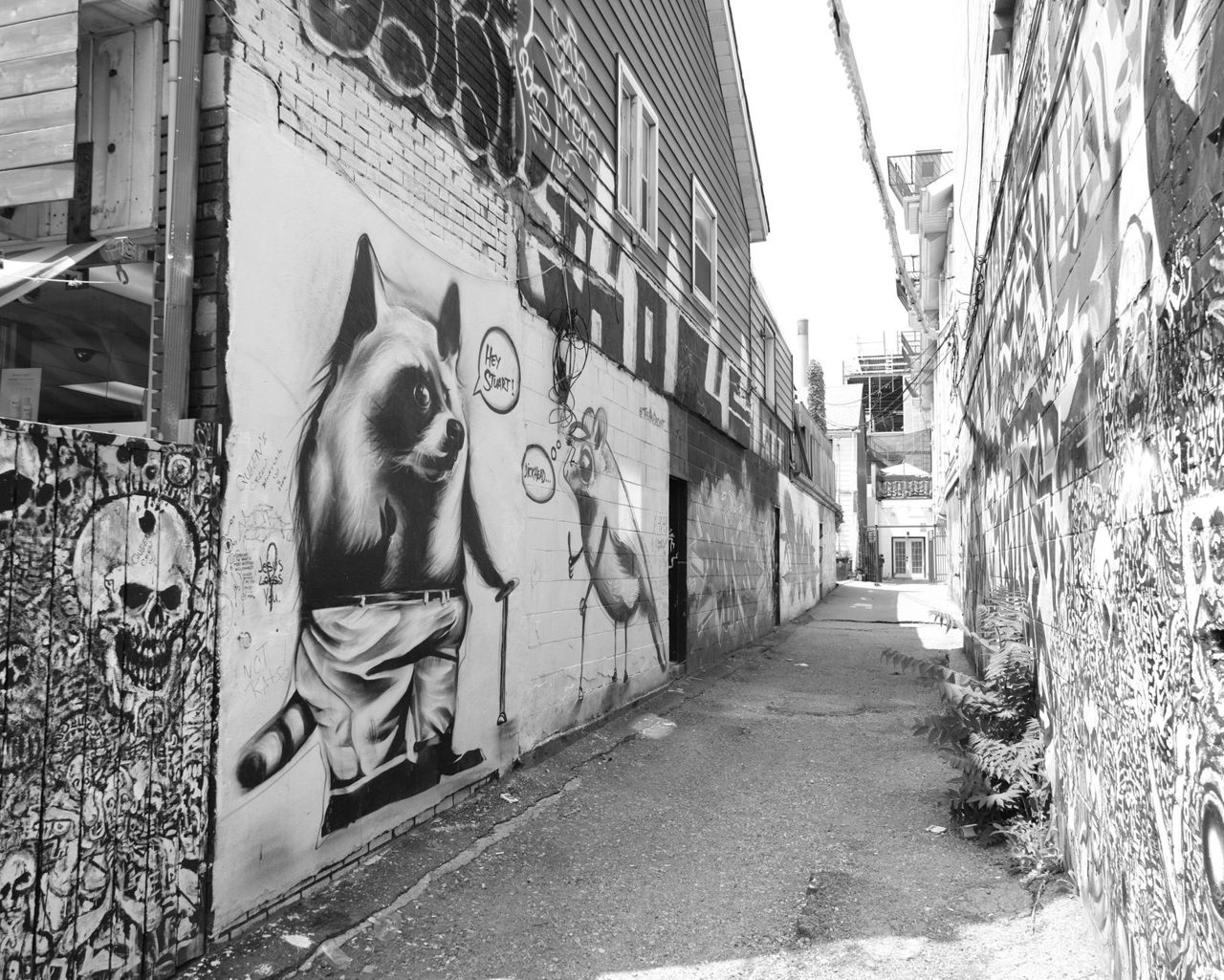
Vogue once named West Queen West one of the world’s coolest neighborhoods, and the Queen Street West strip has largely lived up to it. The stretch runs on street art, indie boutiques, and design-driven restaurants, drawing artists, designers, and entrepreneurs from well outside the city. The neighborhood’s evolution from industrial district to cultural destination demonstrates Toronto’s capacity for creative urban transformation.
Graffiti Alley transforms a one-block industrial corridor into an ever-changing open-air gallery, attracting photographers and art enthusiasts daily. The alley’s constantly rotating street art reflects Toronto neighborhoods’ commitment to supporting emerging and established street artists. Walking through Graffiti Alley feels like stepping into a living art museum where murals change seasonally and the artistic community continuously reinvents the space.
West Queen West’s independent boutiques showcase fashion designers, vintage retailers, and specialty shops that distinguish these Toronto neighborhoods from corporate chain-dominated shopping districts. Many shops are operated by the designers themselves, allowing visitors to meet the creative minds behind the products. Conversations with shop owners often reveal the stories behind collections and the creative process that drives these Toronto neighborhoods’ artistic economy.
Restaurants throughout these Toronto neighborhoods emphasize experimentation and innovation. Farm-to-table concepts, fusion cuisines, and chef-driven concepts populate the neighborhood’s dining scene. Many restaurants feature local ingredients from Ontario producers, supporting regional agriculture while creating distinctive dining experiences. The neighborhood’s culinary energy rivals more established dining neighborhoods, with Michelin-guide recognition increasingly common.
Trinity Bellwoods Park provides green space and community gathering essential to these Toronto neighborhoods’ character. The park’s expansive lawn, accessible playgrounds, and waterfront location along the Don River make it a gathering place for locals year-round. Summer brings community festivals, dog parks crowded with Toronto neighborhoods’ residents and their pets, and casual picnicking.
Independent galleries throughout these Toronto neighborhoods showcase contemporary art from emerging and established Canadian artists. The relatively low commercial rent (compared to upscale neighborhoods) has allowed galleries and studios to thrive, creating a vibrant arts ecology. Art enthusiasts visiting Toronto neighborhoods should prioritize exploring these galleries, many of which don’t advertise extensively but reward exploratory visitors with exceptional artistic discoveries.
Little Italy and College Street: Toronto’s Italian Heart
Little Italy centres on College Street, where family-run restaurants and old-school cafes carry on culinary traditions Italian immigrants brought over starting in the early 20th century. These Toronto neighborhoods developed as successive waves of Italians established communities, businesses, and cultural institutions that remain vibrant today. Walking College Street feels like stepping into a European neighborhood, with Italian conversations overheard on the streets and aromas of Italian cooking wafting from restaurant doorways.
Espresso bars throughout these Toronto neighborhoods serve perfectly pulled shots from traditional Italian espresso machines, allowing visitors to experience coffee culture as appreciated in Italy. Beyond espresso, cafés serve Italian pastries, gelato, and aperitifs in a social atmosphere emphasizing community and conversation. Many establishments have operated for decades, creating intergenerational gathering spaces for families and longtime patrons.
Trattorias throughout Little Italy offer homemade pasta, risotto, and regional Italian specialties representing different Italian regions. Many restaurants source ingredients directly from Italian suppliers, maintaining authenticity in flavor and preparation. Seasonal menus reflect Italian culinary traditions, with ingredients rotating based on harvests and availability. Dining in these Toronto neighborhoods provides genuine Italian culinary experiences, not Americanized versions designed for broad appeal.
The neighborhood’s vibrant nightlife makes it popular with young professionals and students from nearby universities including University of Toronto and OCAD University. Wine bars featuring Italian wines, cocktail lounges serving Italian-style aperitifs, and late-night cafés create an energetic social scene especially on weekends. These Toronto neighborhoods truly come alive after sunset, with the streets filled with social activity and celebration.
Cultural institutions throughout Little Italy preserve Italian heritage for new generations. Italian-language schools, community organizations, and cultural centers maintain Italian traditions while embracing contemporary Toronto neighborhoods’ multicultural character. Annual festivals celebrate Italian culture, cuisine, and contributions to Toronto’s development, attracting both Italian community members and curious visitors.
These Toronto neighborhoods embody the immigrant heritage that has shaped Toronto’s multicultural identity and culinary reputation. The neighborhood’s success in maintaining Italian cultural identity while evolving with broader Toronto neighborhoods’ changes demonstrates how immigrant communities create lasting cultural impact on their adopted cities.
The Danforth: Toronto’s Greektown
The Danforth is home to one of the largest Greek communities outside Greece, the legacy of Greek immigrants who settled here from the mid-20th century on — and one of the anchors of the city’s wider multicultural food scene. The neighborhood maintains strong cultural identity while embracing Toronto’s multicultural character, creating a unique blend of Greek traditions and contemporary urban living. Walking the Danforth immerses visitors in Greek culture—from Greek-language storefronts to Greek Orthodox churches serving the community.
Danforth Avenue buzzes with energy from tavernas serving authentic Greek cuisine prepared using traditional recipes and techniques. Mezze platters featuring olives, feta cheese, grilled octopus, and authentic Greek meatballs showcase Mediterranean flavors. Fresh grilled seafood, often imported directly from Greece, provides daily specials reflecting what’s available in Mediterranean markets. Traditional Greek wines and ouzo accompany meals, creating dining experiences transporting visitors to Greek islands.
The Taste of the Danforth festival in August transforms these Toronto neighborhoods into a massive street celebration attracting hundreds of thousands of visitors. The festival features authentic Greek cuisine from neighborhood restaurants, traditional Greek music and dancing, cultural performances, and an electric atmosphere celebrating Greek heritage. For visitors to Toronto neighborhoods interested in experiencing authentic cultural festivals, the Taste of the Danforth ranks among the city’s premier annual events.
Family-friendly restaurants throughout the Danforth welcome children warmly, with many establishments featuring outdoor seating in summer creating festive, social dining environments. The neighborhood’s cultural institutions, including Greek schools and Orthodox churches, underscore its role as a cultural and spiritual center for Toronto’s Greek community. Community programs and events throughout the year maintain cultural traditions and facilitate intergenerational transmission of Greek heritage.
Beyond restaurants, Danforth Toronto neighborhoods offer Greek specialty shops selling imported foods, Orthodox religious items, and cultural products. Bakeries produce authentic Greek pastries, breads, and sweets using traditional recipes. These retail establishments serve both community members maintaining connections to Greece and visitors seeking authentic Greek products and cultural artifacts.
The Beaches and Leslieville: Toronto’s East End Gems

The Beaches boardwalk stretches along Lake Ontario for nearly two kilometers, offering one of Toronto neighborhoods’ most popular summer destinations. Sandy beaches attract swimmers and sunbathers, while the Boardwalk itself bustles with cafés, ice cream shops, beachfront restaurants, and recreational facilities. Beach volleyball courts, paddle boarding rentals, and swimming areas create an active recreational environment where Torontonians and visitors embrace lakefront living.
The Beaches neighborhood blends lakefront recreation with urban convenience. Distinctive mid-century cottages and Victorian homes line the streets behind the boardwalk, creating an architectural character distinct from Toronto’s downtown core. The neighborhood attracts young families, retirees, and diverse residents seeking waterfront access within the city limits. Community-oriented businesses, parks, and cultural institutions make the Beaches a complete urban neighborhood rather than just a recreational destination.
Nearby Leslieville draws people for its independent boutiques, galleries, and cafes along Queen Street East. It holds onto a village-like feel despite the central location, all tree-lined streets and human-scale storefronts. Local businesses reflect the community’s values, featuring independent retailers, local restaurants, and community-oriented institutions rather than chain establishments. This commitment to local character distinguishes Leslieville among Toronto neighborhoods.
Leslieville has earned recognition for its excellent brunch scene, with restaurants and cafés featuring elaborate brunch menus, specialty coffee drinks, and artisanal baked goods. Weekend mornings see long lineups at popular establishments, reflecting the neighborhood’s reputation. These Toronto neighborhoods’ brunch culture reflects broader Toronto trends valuing quality casual dining and community gathering spaces.
Art galleries and independent studios throughout these Toronto neighborhoods showcase local artists and creative practitioners. Antique shops, vintage retailers, and specialty boutiques reward exploratory visitors with unique discoveries. Summer street festivals and community events transform these Toronto neighborhoods into vibrant celebration spaces where residents and visitors mix.
These east-end Toronto neighborhoods provide the ideal combination of lakefront relaxation and urban entertainment, making them perfect for summer visits. Whether seeking beach recreation, shopping, dining, or simply enjoying waterfront vistas, the Beaches and Leslieville deliver memorable Toronto neighborhoods experiences.
Liberty Village and King West: Toronto Neighborhoods for Nightlife

Liberty Village and King West have flipped from industrial and warehouse districts into dense neighborhoods of modern condos, busy bars, rooftop patios, and ambitious restaurants. These Toronto neighborhoods exemplify urban redevelopment that honors industrial heritage while embracing contemporary living. The neighborhoods attract young professionals, entrepreneurs, and creative workers who value urban convenience and proximity to entertainment.
Warehouse conversions feature exposed brick, soaring timber-beam ceilings, and ground-floor entertainment venues that celebrate industrial architecture while creating contemporary living spaces. Many residential conversions maintain authentic architectural details while adding modern amenities, creating a blend of old and new that appeals to design-conscious residents. The neighborhood’s residential population energizes its commercial and entertainment scenes, creating vibrant streetscapes day and night.
Weekend nights draw massive crowds to the numerous bars, clubs, lounges, and music venues throughout these Toronto neighborhoods. The King West corridor especially becomes a social epicenter on Friday and Saturday evenings, with pedestrian traffic, outdoor patios, and street-level entertainment creating an electric atmosphere. These Toronto neighborhoods’ nightlife scene attracts visitors from across the city seeking contemporary venues and diverse entertainment options.
Restaurants throughout Liberty Village and King West emphasize innovation and culinary creativity. Celebrity chefs, gastropubs, and trendy restaurants establish locations here, recognizing the neighborhoods’ appeal to diners seeking cutting-edge cuisine. Craft cocktail bars, wine lounges, and beer halls cater to diverse beverage preferences, creating gathering spaces beyond traditional nightclubs. These Toronto neighborhoods offer sophisticated nightlife alternatives to dance clubs, allowing varied social experiences.
Contemporary art galleries, design studios, and cultural spaces dot these Toronto neighborhoods, contributing to their creative character. Pop-up art installations, street festivals, and community events regularly activate public spaces, creating dynamic entertainment beyond traditional venues. The neighborhoods’ transformation from industrial to cultural/entertainment centers demonstrates Toronto neighborhoods’ capacity for reinvention and creative adaptation.
These Toronto neighborhoods remain popular with young professionals, offering walkable access to employment centers, entertainment, dining, and cultural amenities. The neighborhoods’ relatively younger demographic creates vibrant street scenes, community programming, and forward-looking cultural initiatives that continue attracting new residents and visitors.
Harbourfront and the Waterfront: Toronto Neighborhoods by the Lake
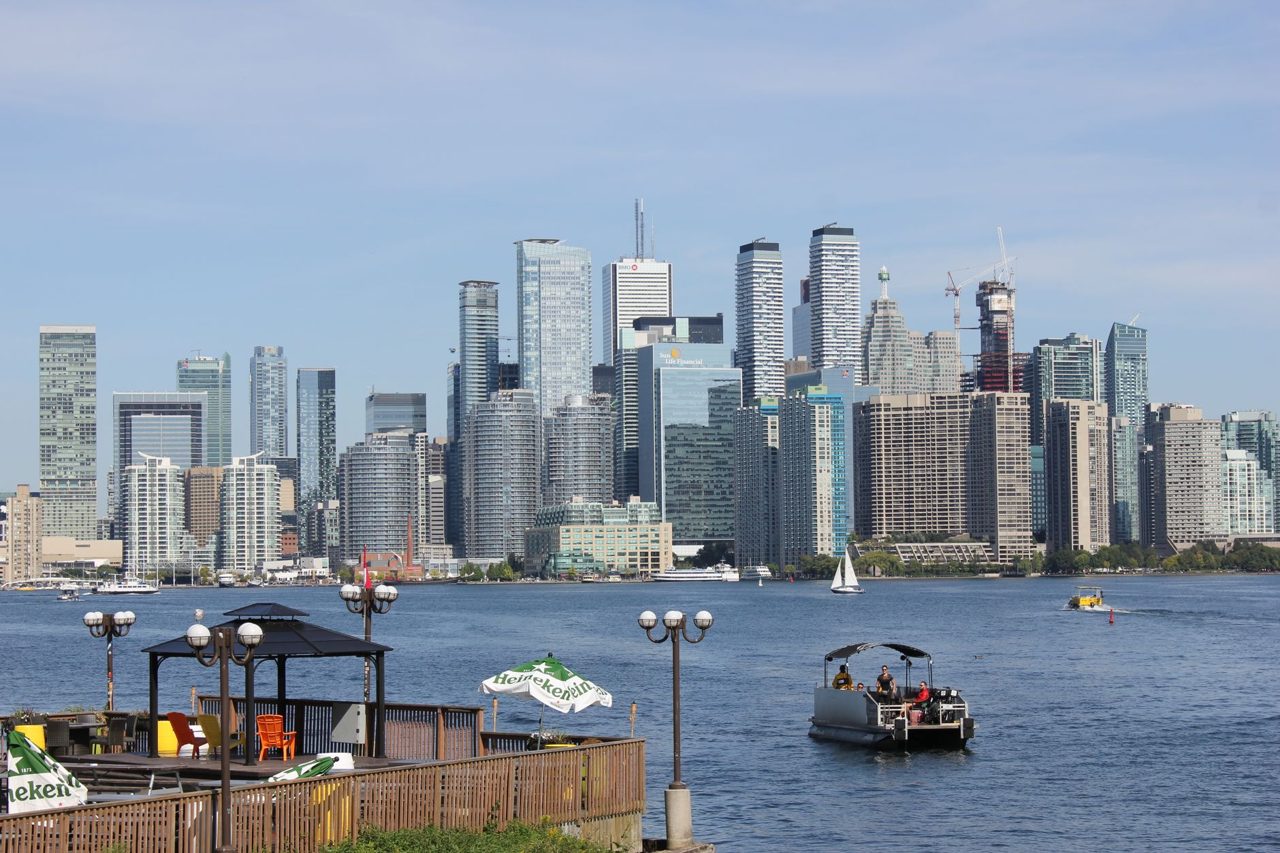
Harbourfront runs for several kilometres along Toronto’s waterfront, lining the lake with parks, galleries, theatres, and event venues. It is a textbook reclamation of a formerly industrial shoreline, turned over to public culture and recreation. These Toronto neighborhoods embody Toronto’s commitment to public waterfront access and community-oriented urban development.
Queens Quay Terminal, a distinctive glass and steel structure, anchors the neighborhood with shopping, dining, and cultural attractions. The complex provides year-round destination appeal with diverse retail, restaurants ranging from casual to upscale, and cultural programming. The building’s design creates public gathering spaces and entertainment venues while maintaining connections to surrounding waterfront parks and public spaces.
The Music Garden, designed with musical landscape principles, provides serene green space that offers contemplative escape from urban intensity. The garden’s landscape design reflects musical principles, with pathways, plantings, and water features creating sensory experiences aligned with musical composition. Classical music performances in the garden enhance the unique artistic experience. These Toronto neighborhoods’ commitment to integrating music and nature creates distinctive recreational experiences unavailable elsewhere.
Harbourfront Centre hosts year-round cultural events ranging from film festivals to theater productions, winter celebrations to summer markets. The institution’s programming emphasizes Canadian artists and contemporary cultural expressions, providing platforms for emerging and established creators. These Toronto neighborhoods’ cultural vibrancy rivals established arts districts, attracting cultural tourists and locals alike.
The Toronto Islands ferry leaves from here, putting car-free beaches and parkland minutes from downtown. The islands hold permanent recreation grounds, community gardens, a clothing-optional beach, and small residential communities. Ferry ridership peaks during summer months when islanders and visitors take advantage of island attractions and waterfront recreation.
Waterfront trails and public parks throughout these Toronto neighborhoods create pedestrian-friendly recreational spaces. Cycling paths separate from automobile traffic encourage active transportation, while scenic views of Lake Ontario reward waterfront walkers and cyclists. These Toronto neighborhoods’ transformation from industrial waterfront to public recreational space represents successful urban planning that prioritizes public access and community benefit.
Practical Tips for Exploring Toronto Neighborhoods
Transportation: The Toronto Transit Commission (TTC) operates subways, streetcars, and buses connecting all neighborhoods efficiently. A PRESTO card provides convenient payment across all transit modes, eliminating the need to purchase individual tickets. Many Toronto neighborhoods are also highly walkable, allowing exploration on foot and providing intimate perspectives of street-level culture and commerce that car travel cannot replicate. The TTC website and Google Maps provide real-time transit information, helping visitors plan routes efficiently.
Guided Tours: Consider neighborhood walking tours to gain local insights and historical context unavailable through independent exploration. Many Toronto neighborhoods offer themed tours focusing on street art (particularly in West Queen West), architecture (especially Downtown and Distillery District), culinary traditions (Kensington, Chinatown, Little Italy, Danforth), or cultural history. Professional guides provide context, stories, and recommendations enhancing visitor understanding and appreciation of Toronto neighborhoods.
Safety: Toronto neighborhoods are generally safe and welcoming compared to many major cities. However, exercise standard urban precautions by staying aware of surroundings, avoiding isolated areas late at night, and using common sense when carrying valuables. Most Toronto neighborhoods present no safety concerns for careful visitors following standard urban safety practices.
Pedestrian Sundays: Kensington Market and some other Toronto neighborhoods host car-free Sundays (typically the last Sunday of each month from May through October) celebrating local culture. These events transform neighborhoods by removing vehicle traffic, allowing pedestrians to fill the streets, and creating festive atmospheres encouraging shopping, dining, and socializing. Check community websites and TTC alerts for schedules and specific dates.
Best Seasons: Spring and fall offer perfect weather for exploring Toronto neighborhoods, with temperatures in the comfortable 15-20°C range and minimal precipitation. Spring brings flowering plants, renewal energy, and early season festivals. Summer brings vibrant festivals and outdoor activities but can be crowded and humid. Winter transforms neighborhoods like the Distillery District into holiday wonderlands with Christmas markets, festivals, and seasonal decorations. Summer is peak season for Beaches exploration and waterfront recreation, while winter suits indoor-focused activities and holiday celebrations.
Festival Calendar: Check Toronto tourism websites for festival calendars. Major Toronto neighborhoods host annual festivals celebrating cultural heritage, culinary traditions, and artistic expression. The Taste of the Danforth (August), Kensington Market street festivals (year-round), West Queen West festivals, and Distillery District Christmas Market represent just some of the community celebrations enriching Toronto neighborhoods throughout the year.
Discover More: Toronto Neighborhood Guides
Explore individual Toronto neighborhoods in depth with our comprehensive guides dedicated to each area:
- Kensington Market Toronto – Vintage shops, multicultural dining, and Pedestrian Sundays
- Distillery District Toronto – Historic Victorian architecture, galleries, and Christmas Market
- Yorkville Toronto – Luxury shopping, fine dining, and upscale living
- Queen Street West Toronto – Street art, indie design, and creative culture
- Chinatown Toronto – Authentic cuisine, herbalist shops, and cultural heritage
- Little Italy Toronto – Italian restaurants, espresso cafés, and vibrant nightlife
- Annex and Bloor West Toronto – University culture, bookstores, and neighborhood charm
- Liberty Village and King West Toronto – Modern condos, trendy venues, and nightlife
- Leslieville and The Beaches Toronto – Lakefront boardwalk, brunch scene, and summer recreation
- Toronto Waterfront Guide – Harbourfront attractions, parks, and island adventures
Taken together, the neighborhoods are the real reason to visit Toronto. Dim sum and vintage racks in Kensington and Chinatown, a boardwalk afternoon in the Beaches, designer flagships in Yorkville, murals and galleries in West Queen West — each holds its own character and its own reasons to linger. The guides linked above go deeper on the ones you want to plan around.
The neighborhoods explored in this guide represent just a fraction of Toronto’s over 140 neighborhoods. This diversity ensures that every visitor—whether seeking cultural experiences, culinary adventures, shopping, entertainment, recreation, or quiet contemplation—will find Toronto neighborhoods matching their interests and preferences. The city’s excellent public transit, walkable street networks, and community-oriented businesses make neighborhood exploration accessible and rewarding.
Plan loosely. Pick two or three neighborhoods that match what you came for, leave enough time to wander rather than tick boxes, and talk to the shopkeepers and regulars — that is where the good recommendations live. The city’s transit and walkable streets make it easy to string several together in a day, and the contrasts between them are half the point.
Leave a Reply